.avif)
Concrete Coating

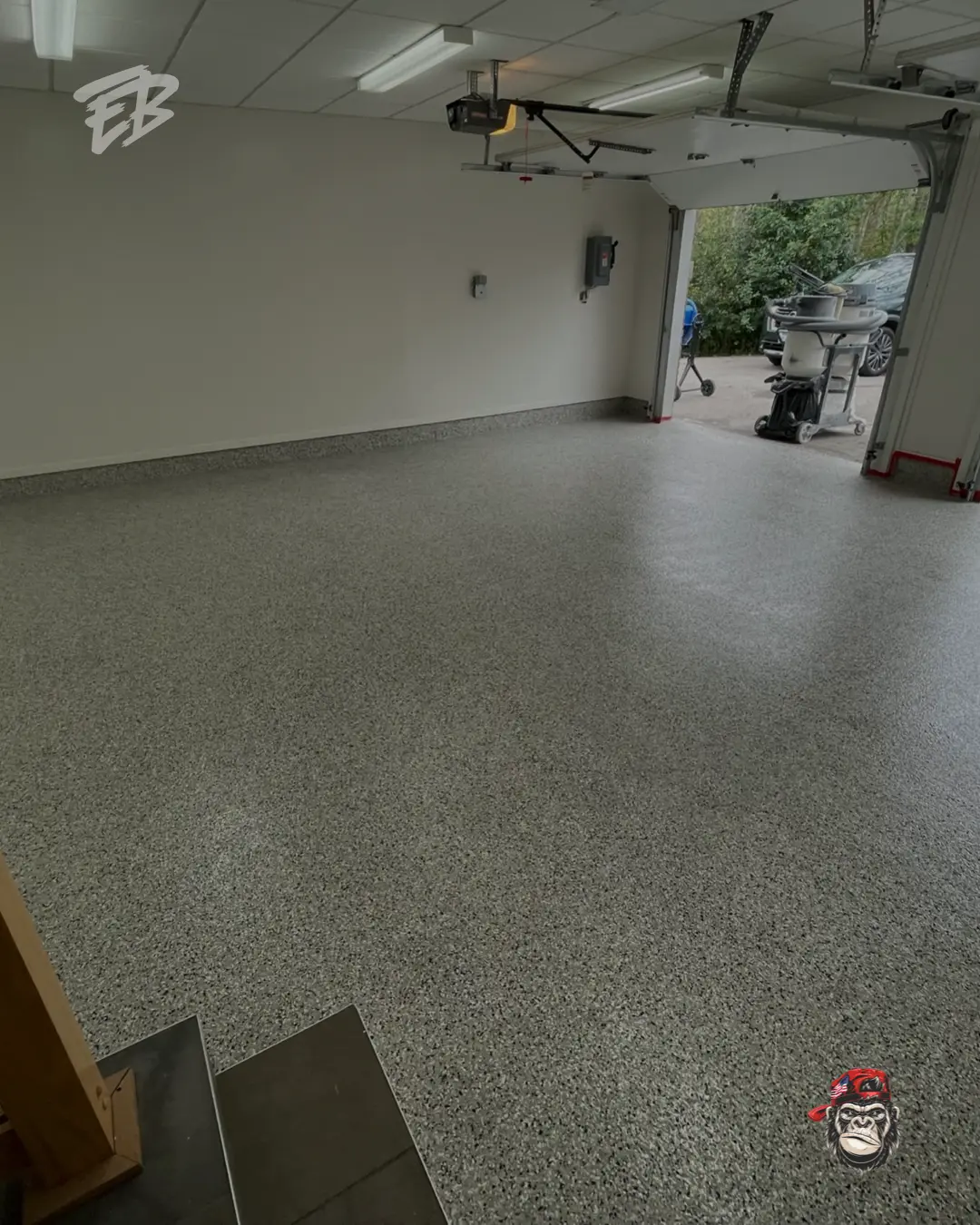
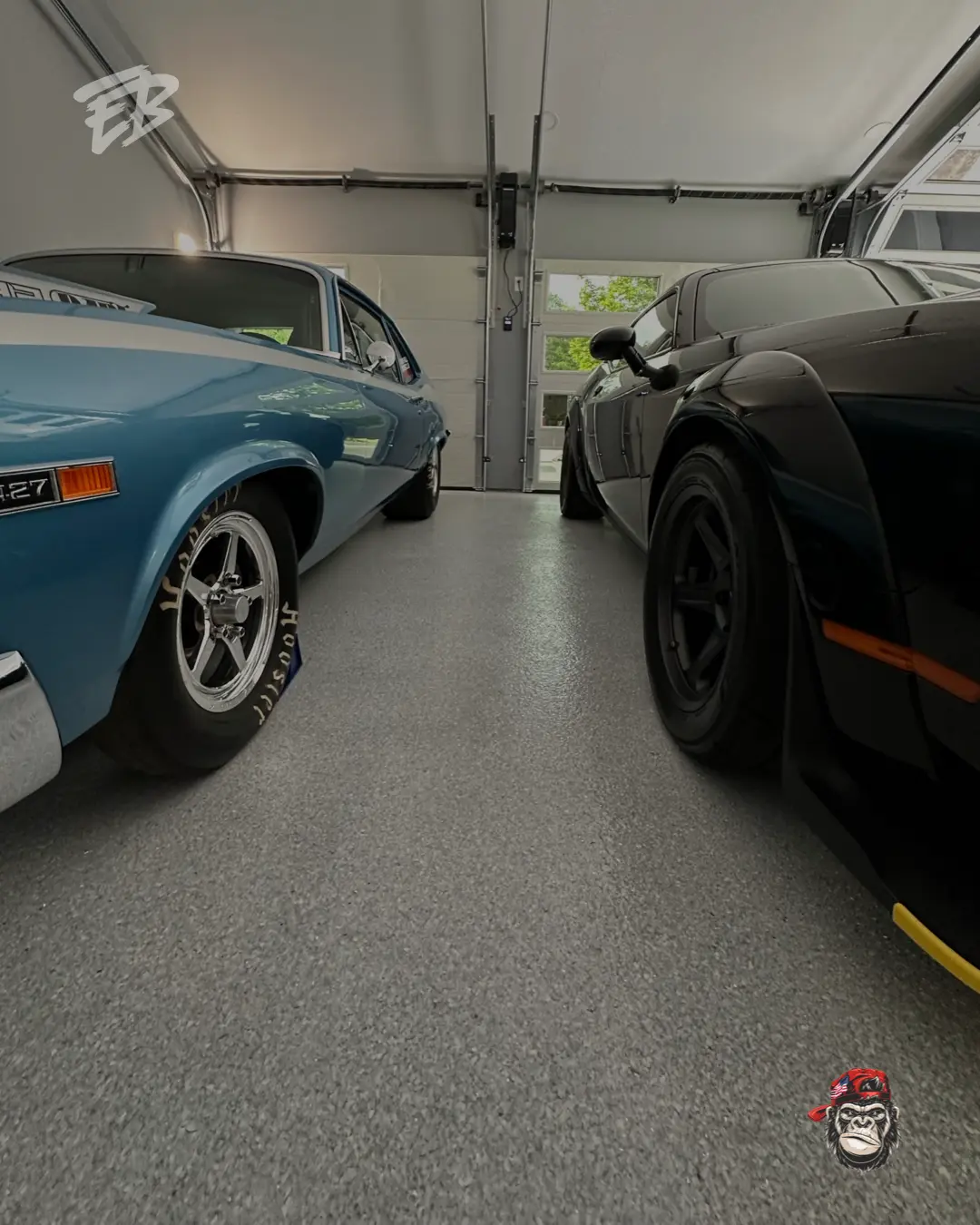
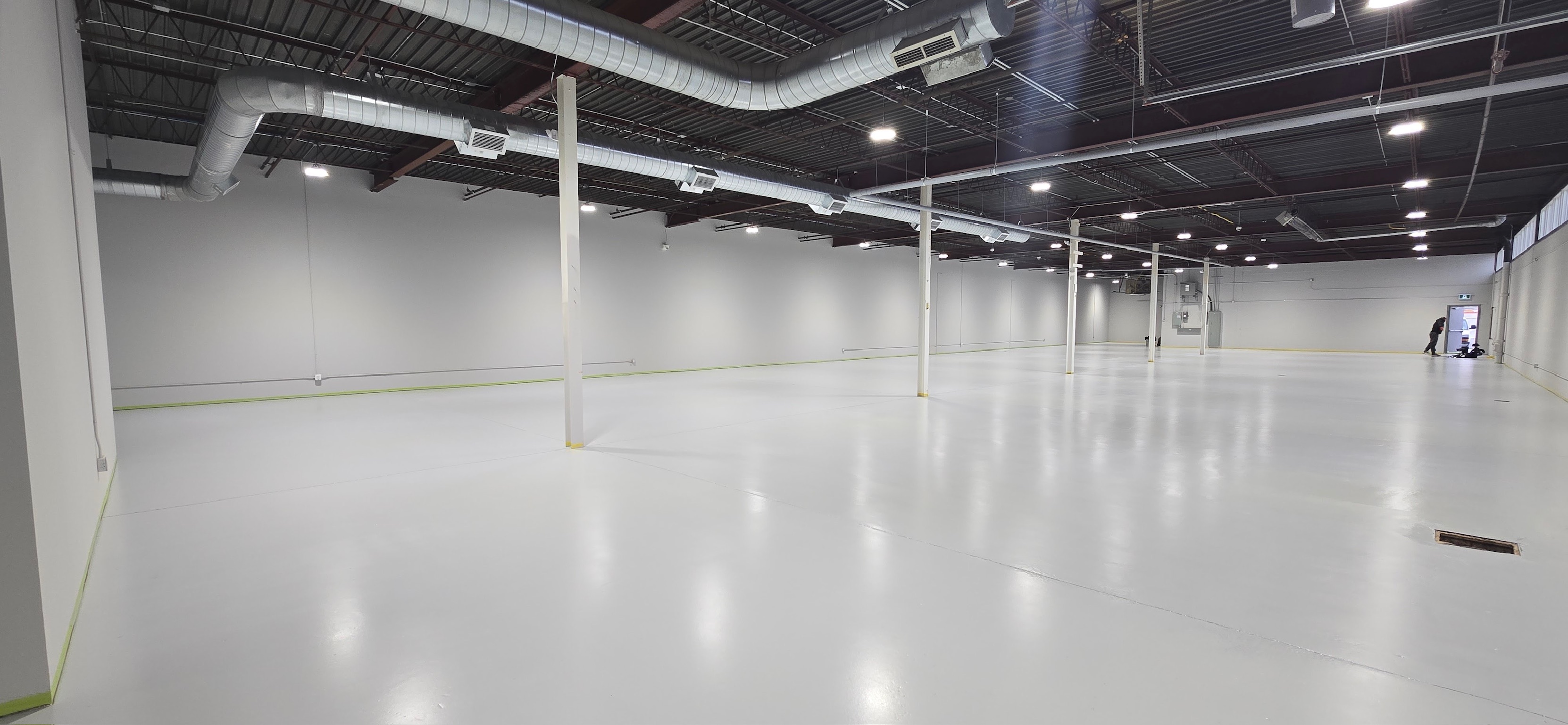
Protective flooring systems engineered to strengthen, seal and preserve concrete surfaces exposed to traffic, chemicals, moisture and operational wear.
Learn More


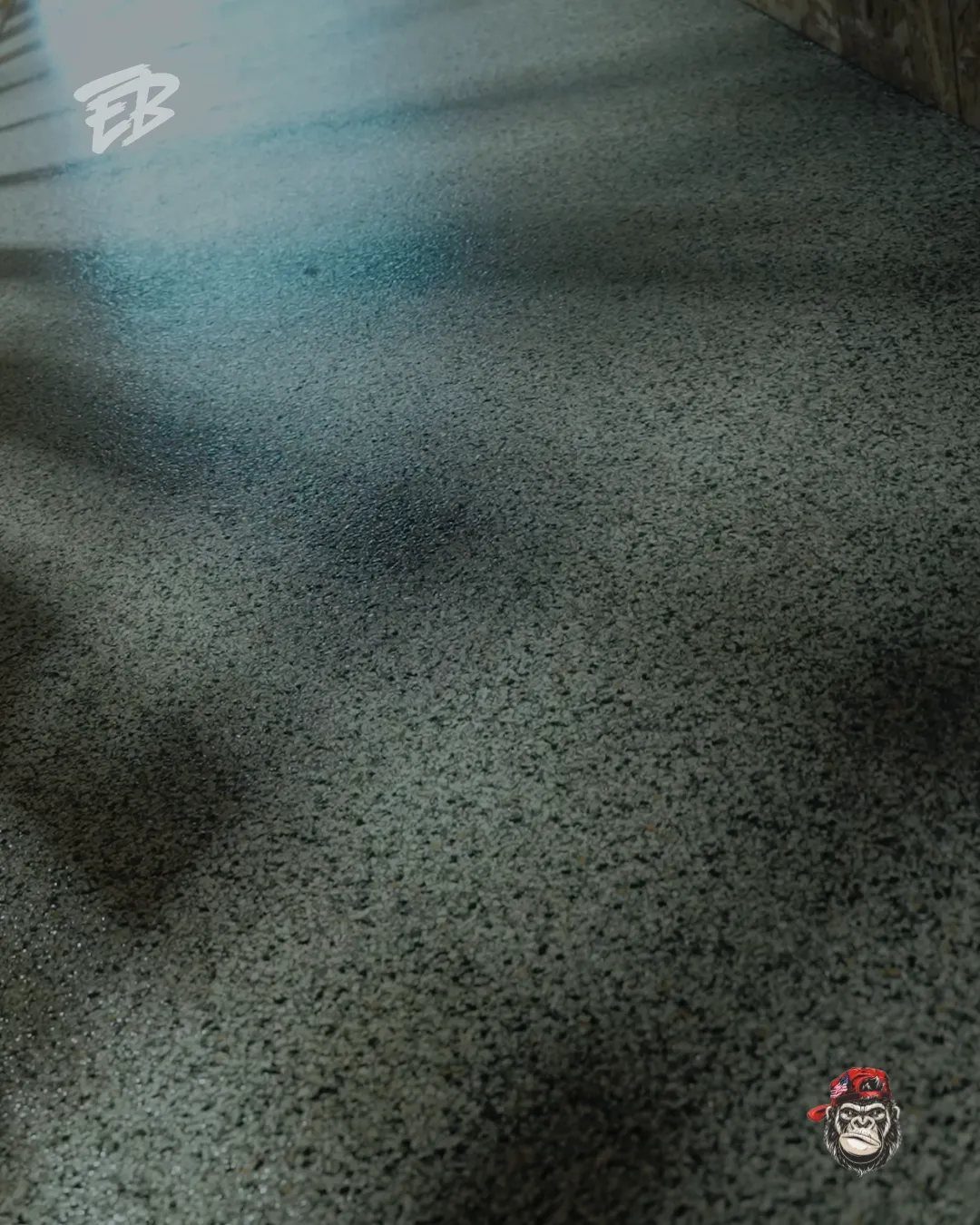
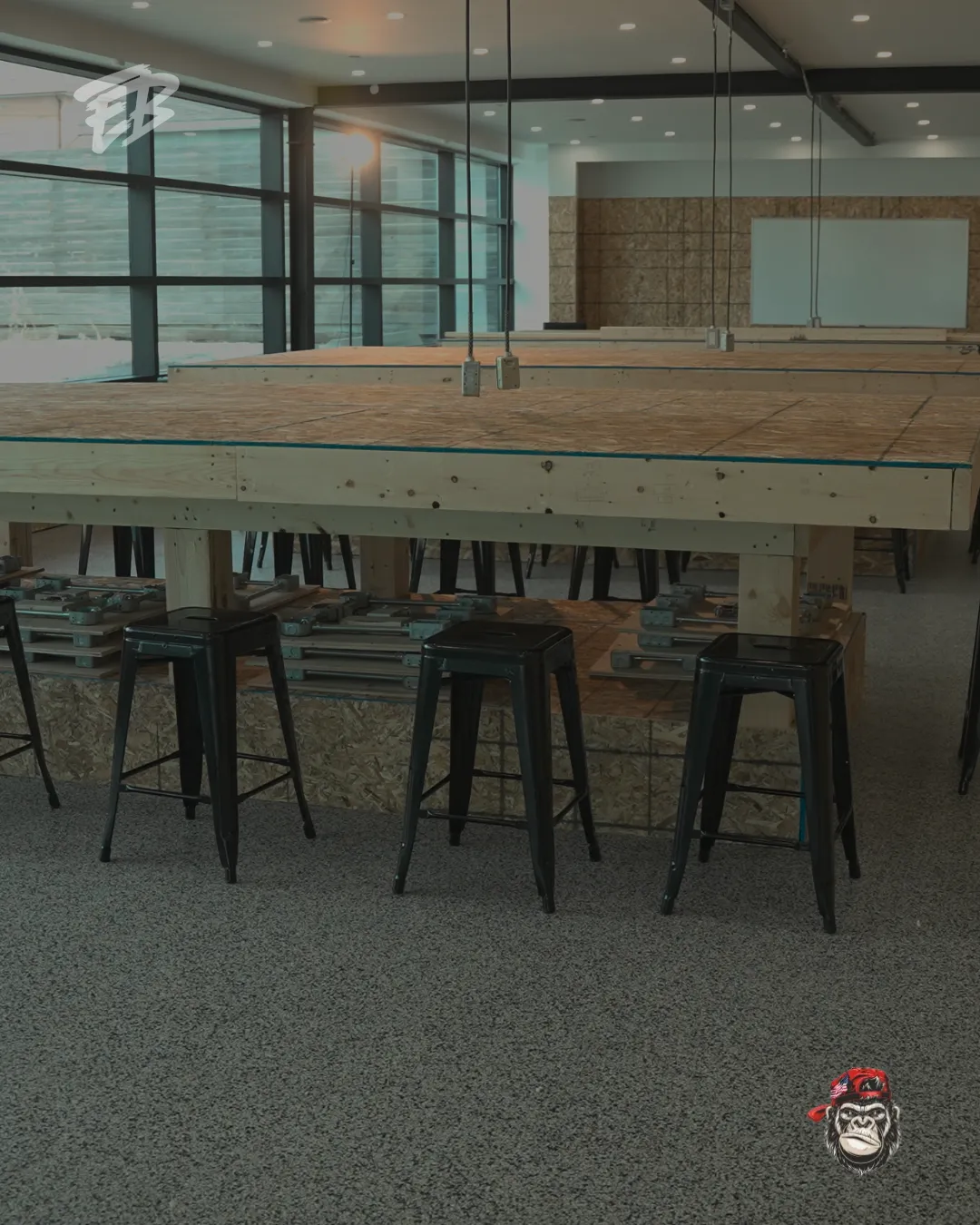
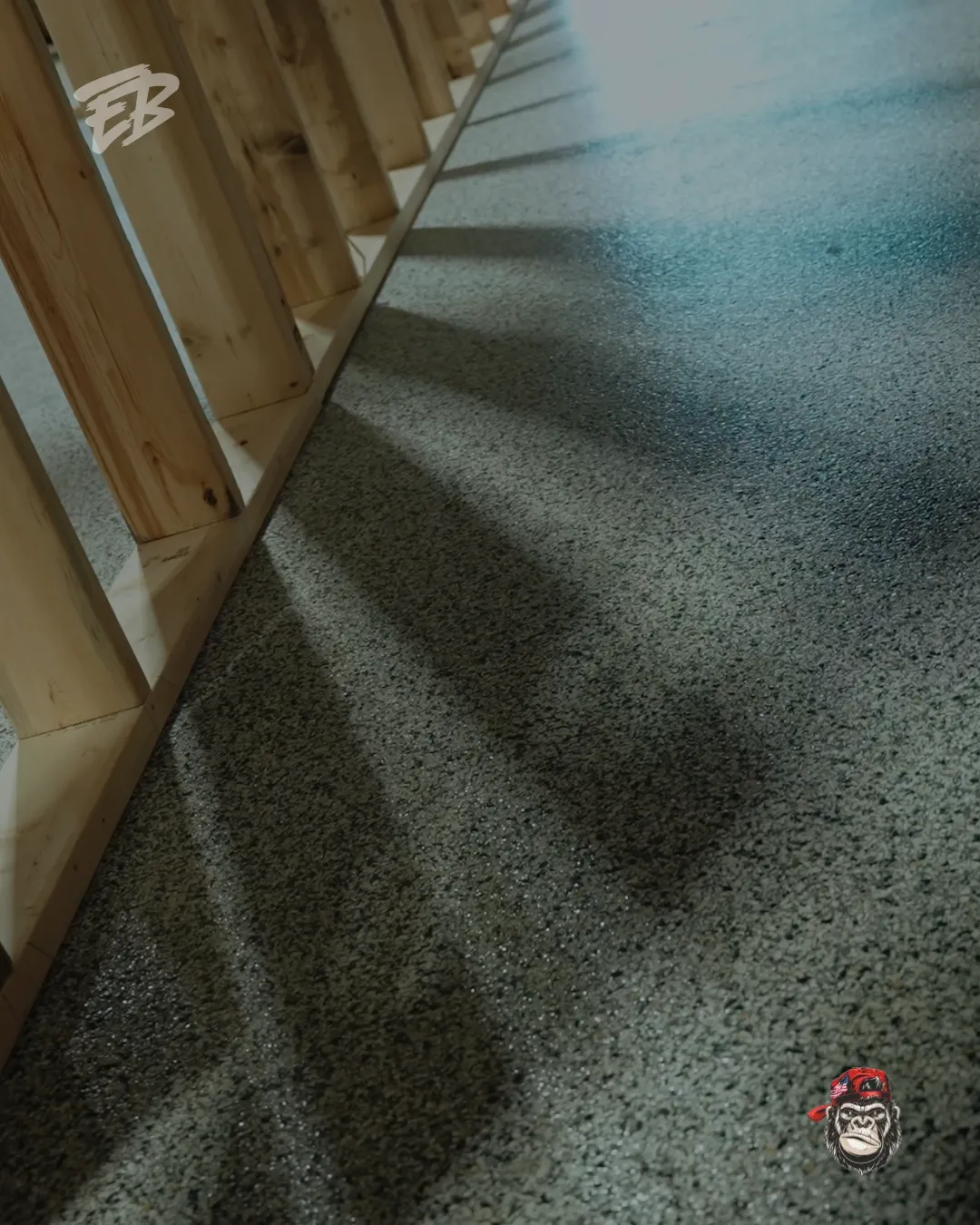
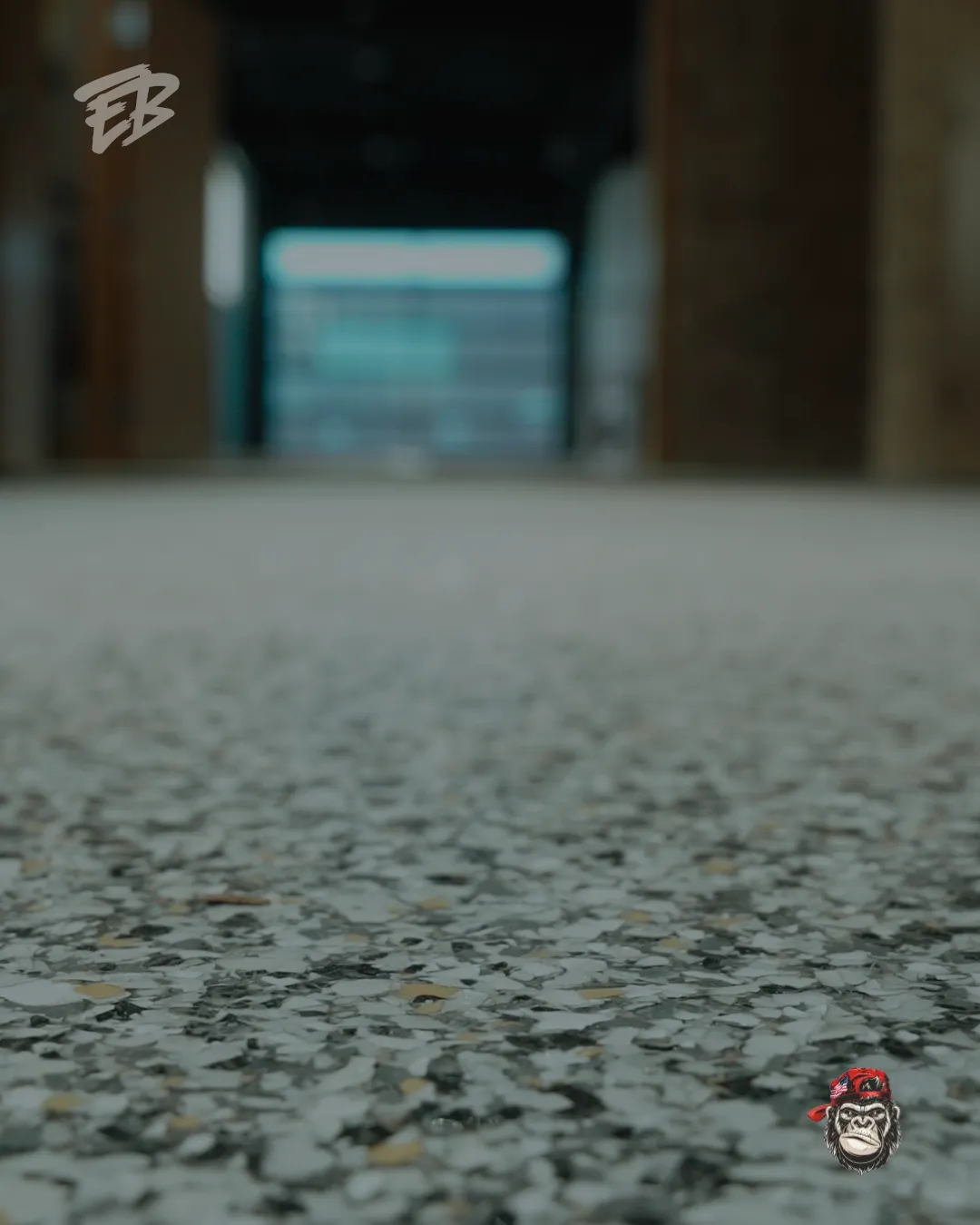
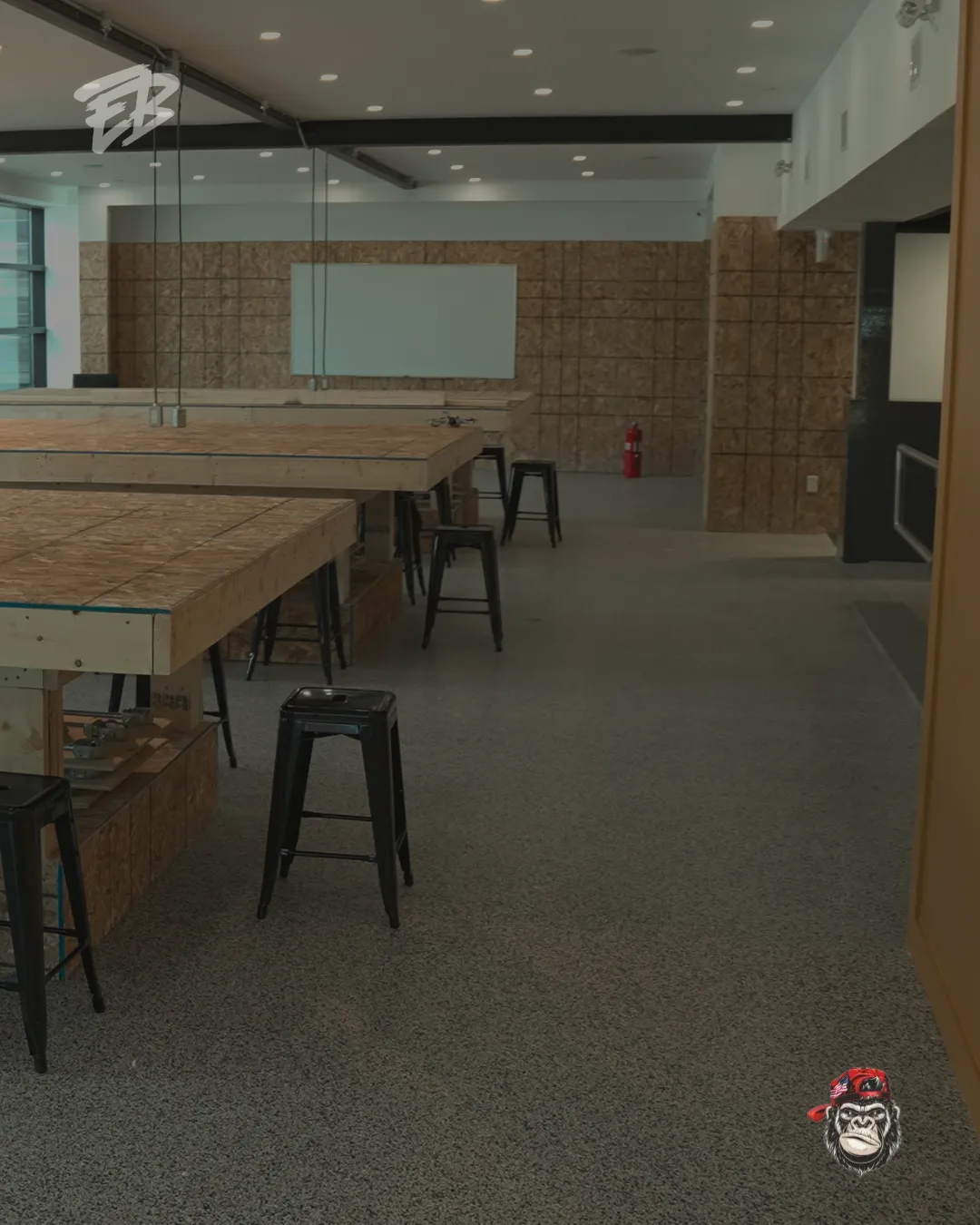
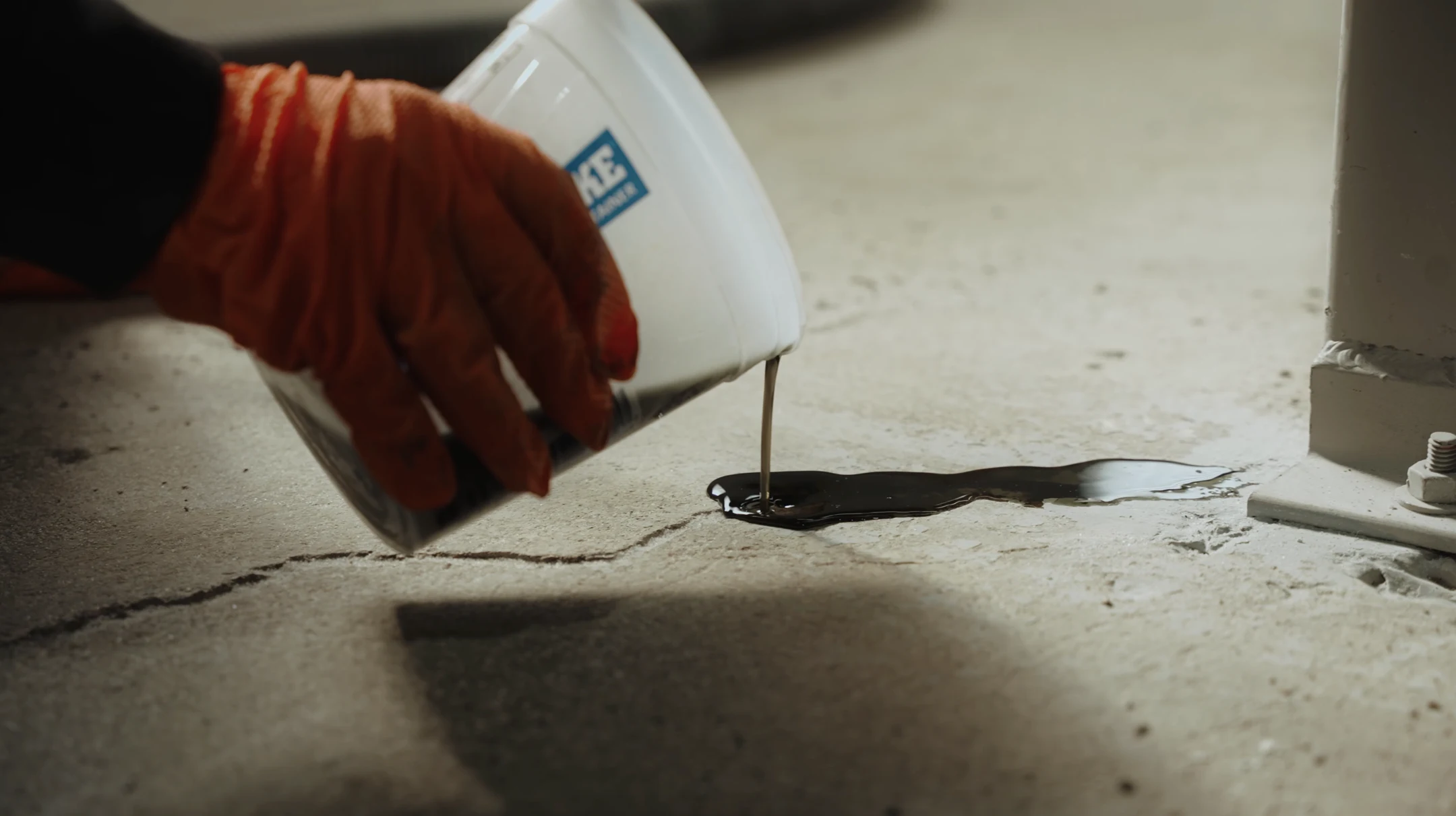
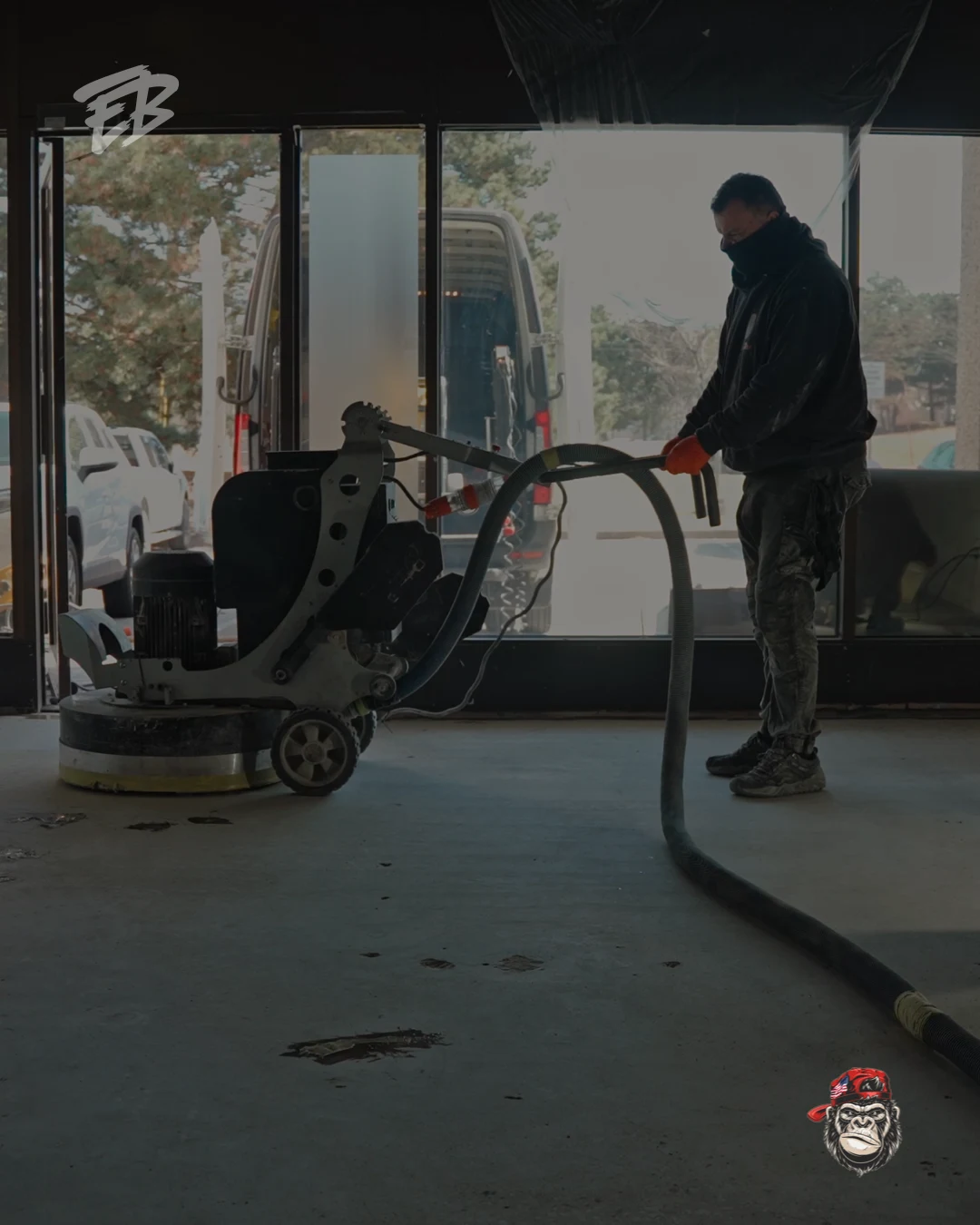
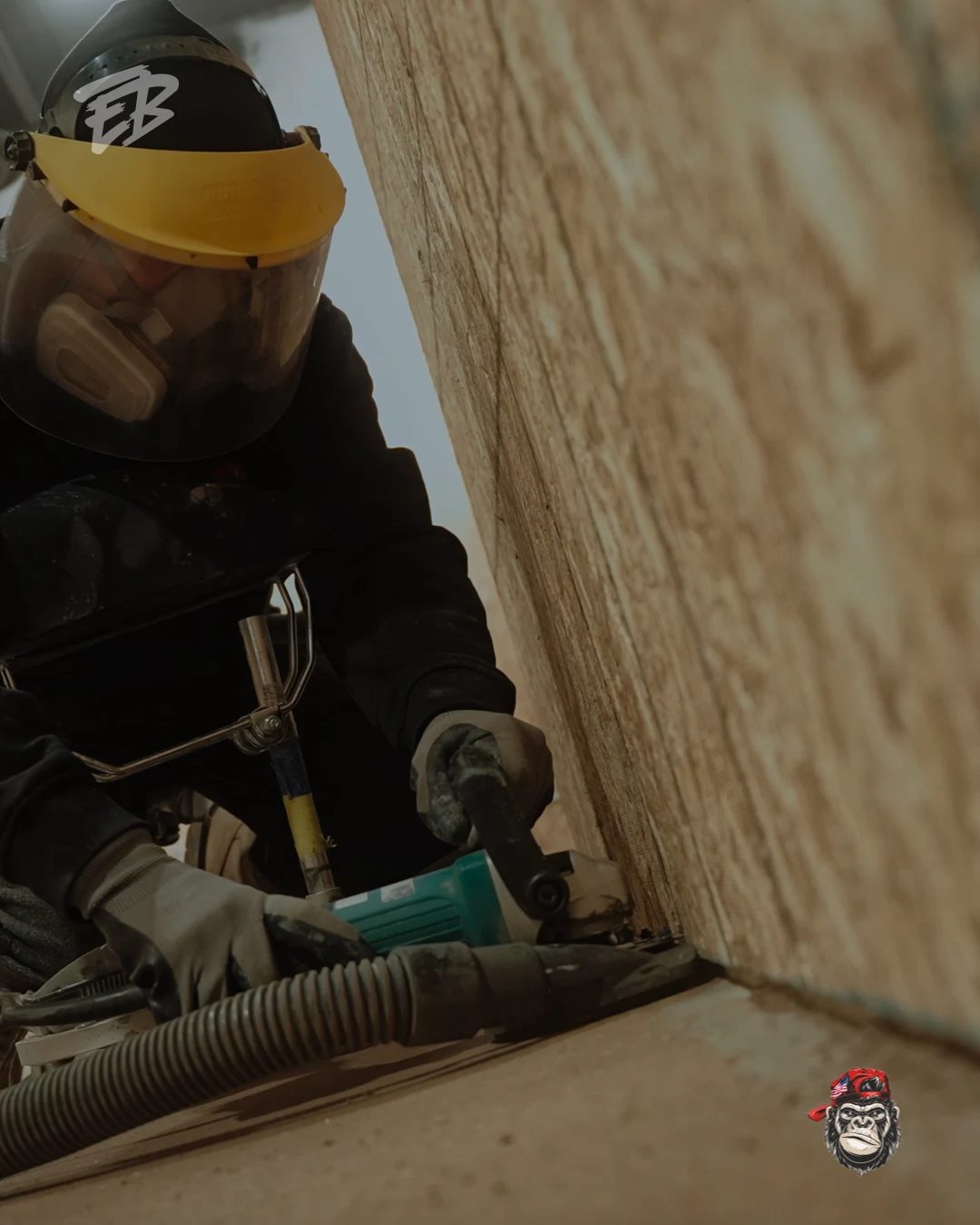

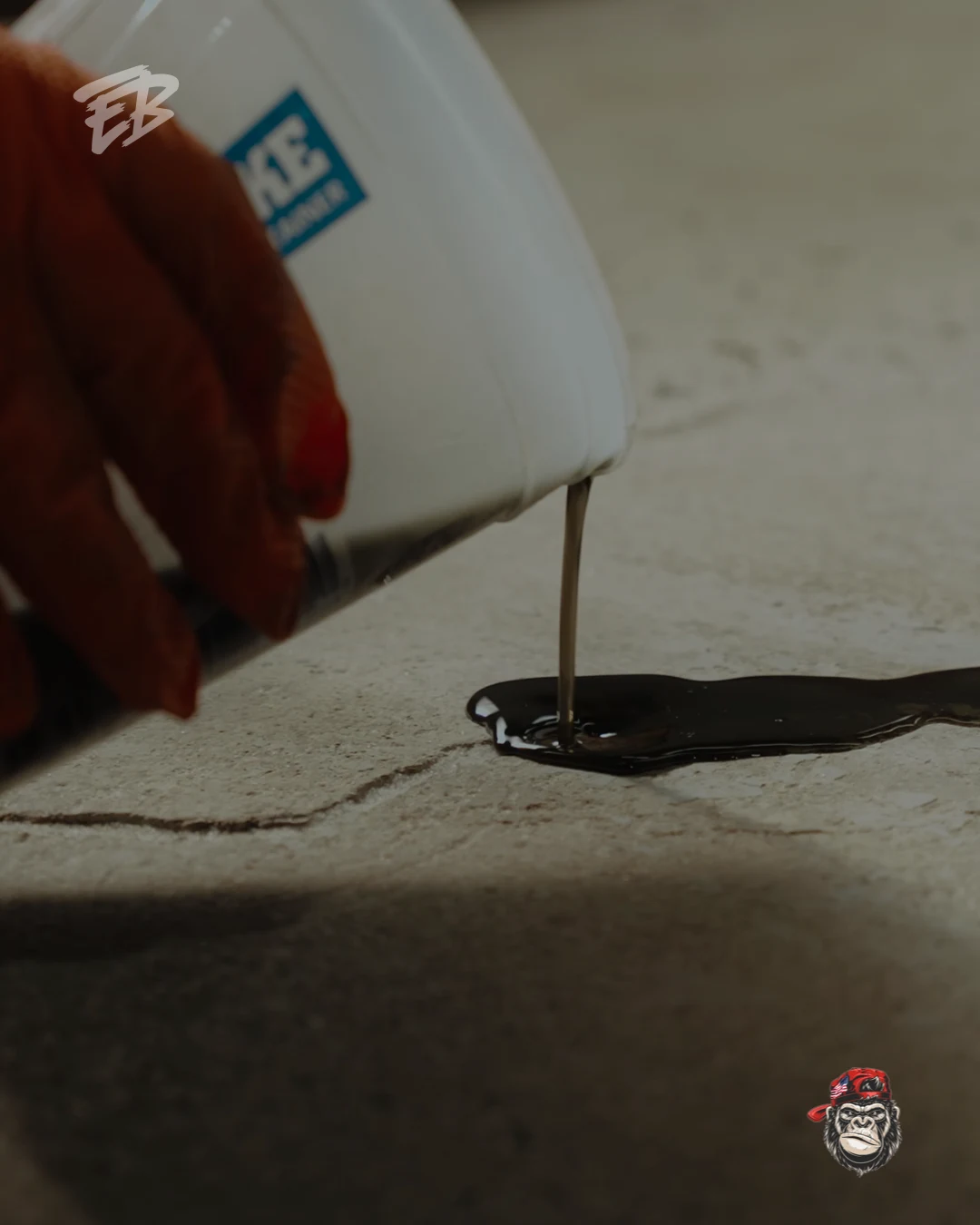

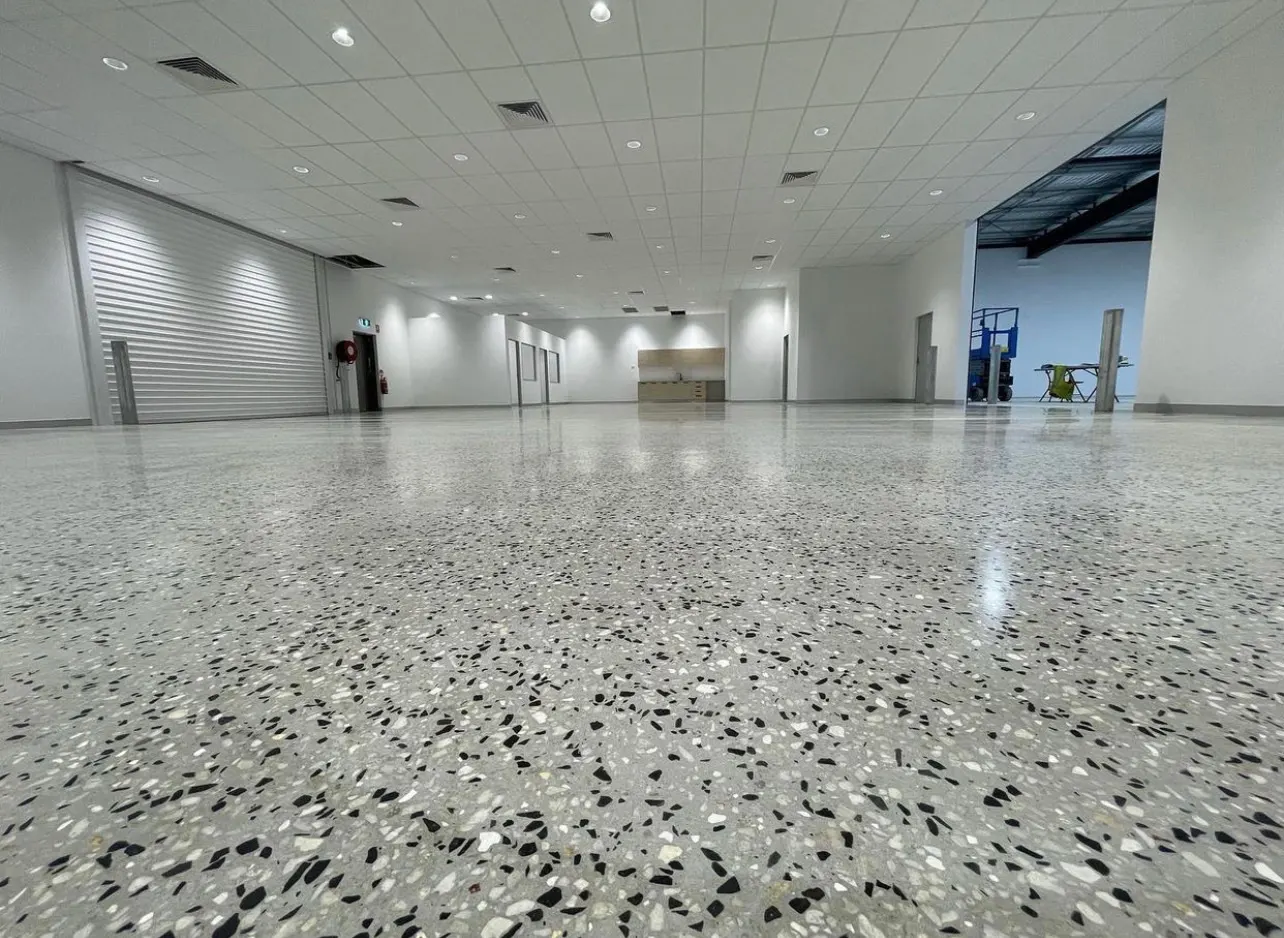
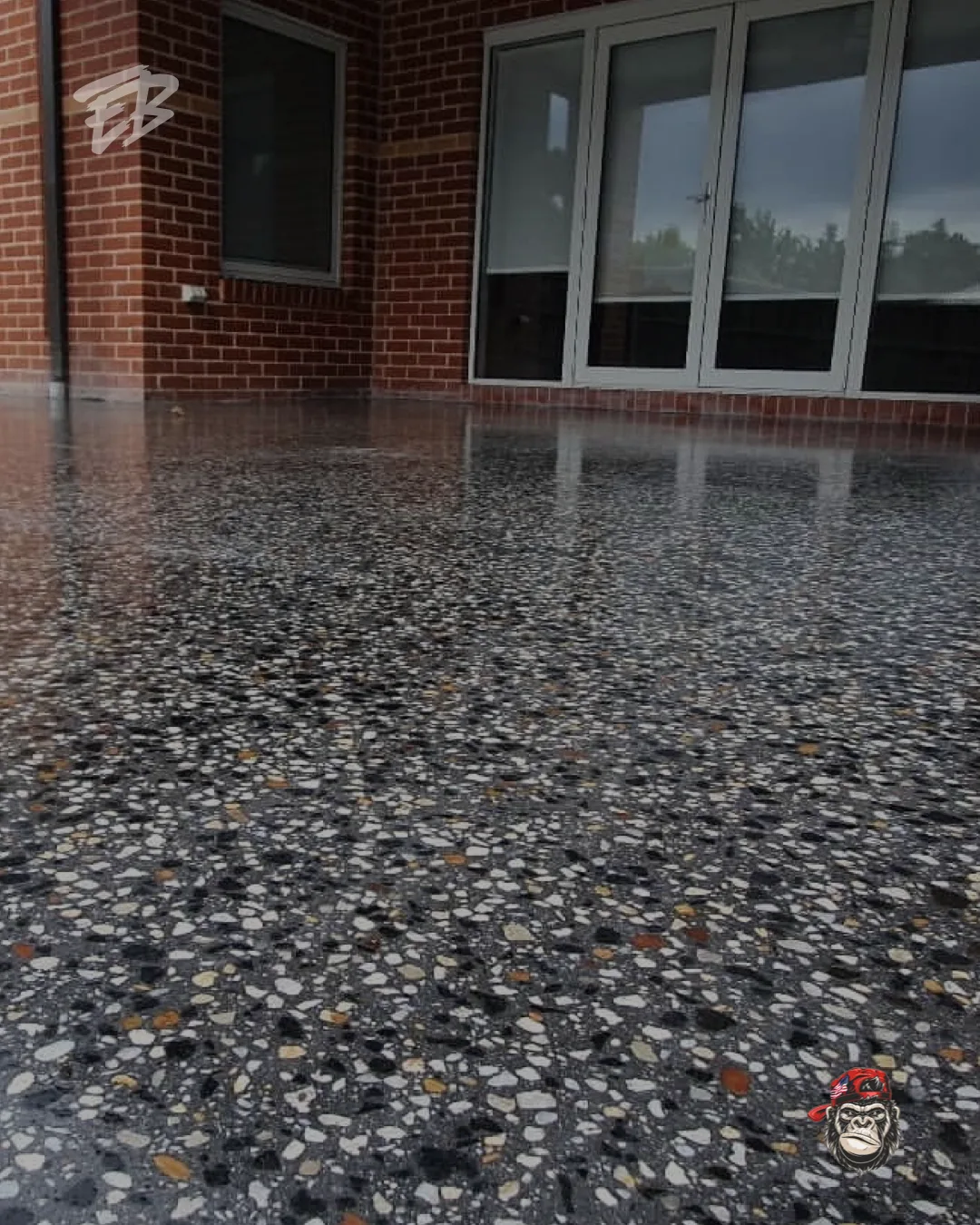
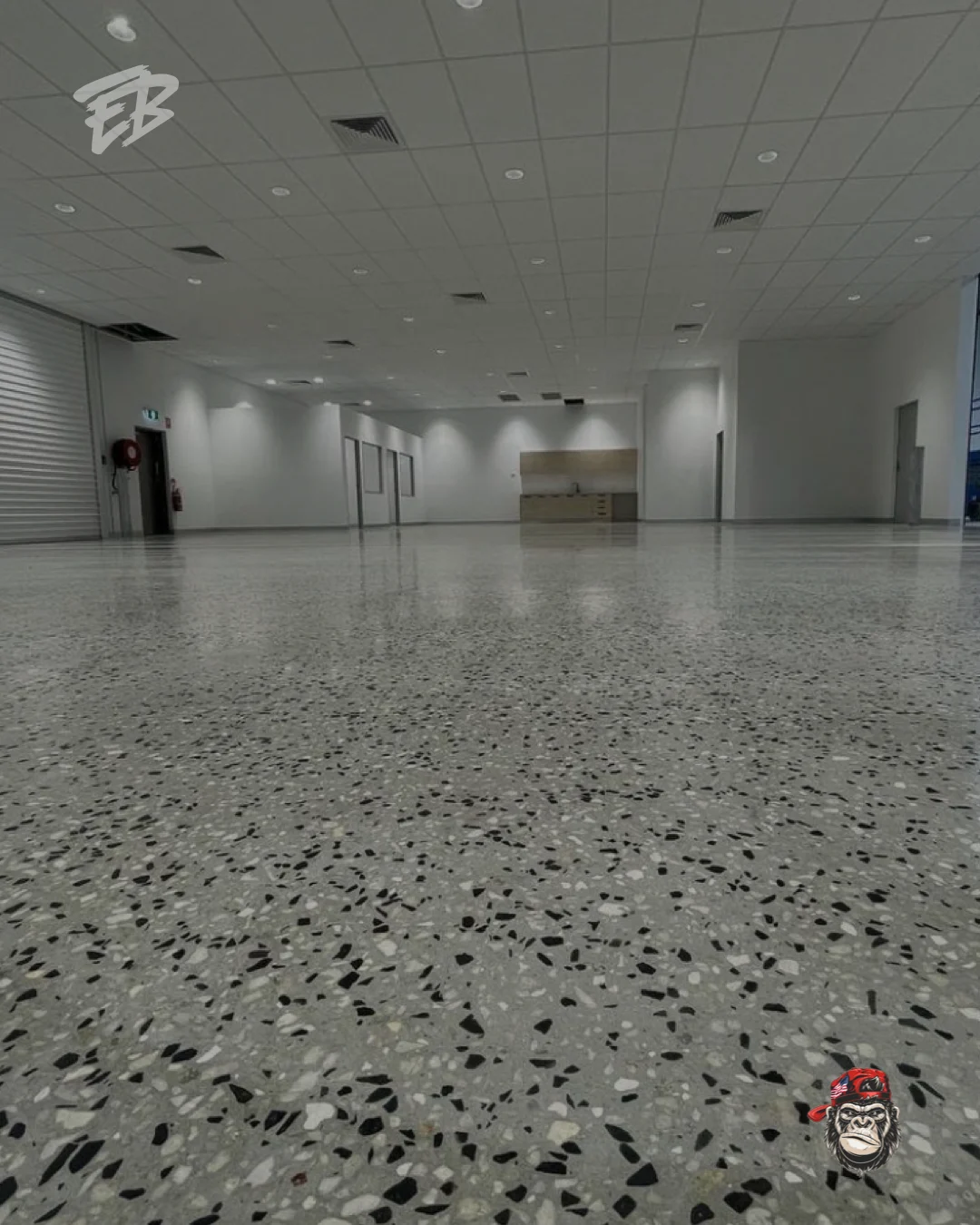



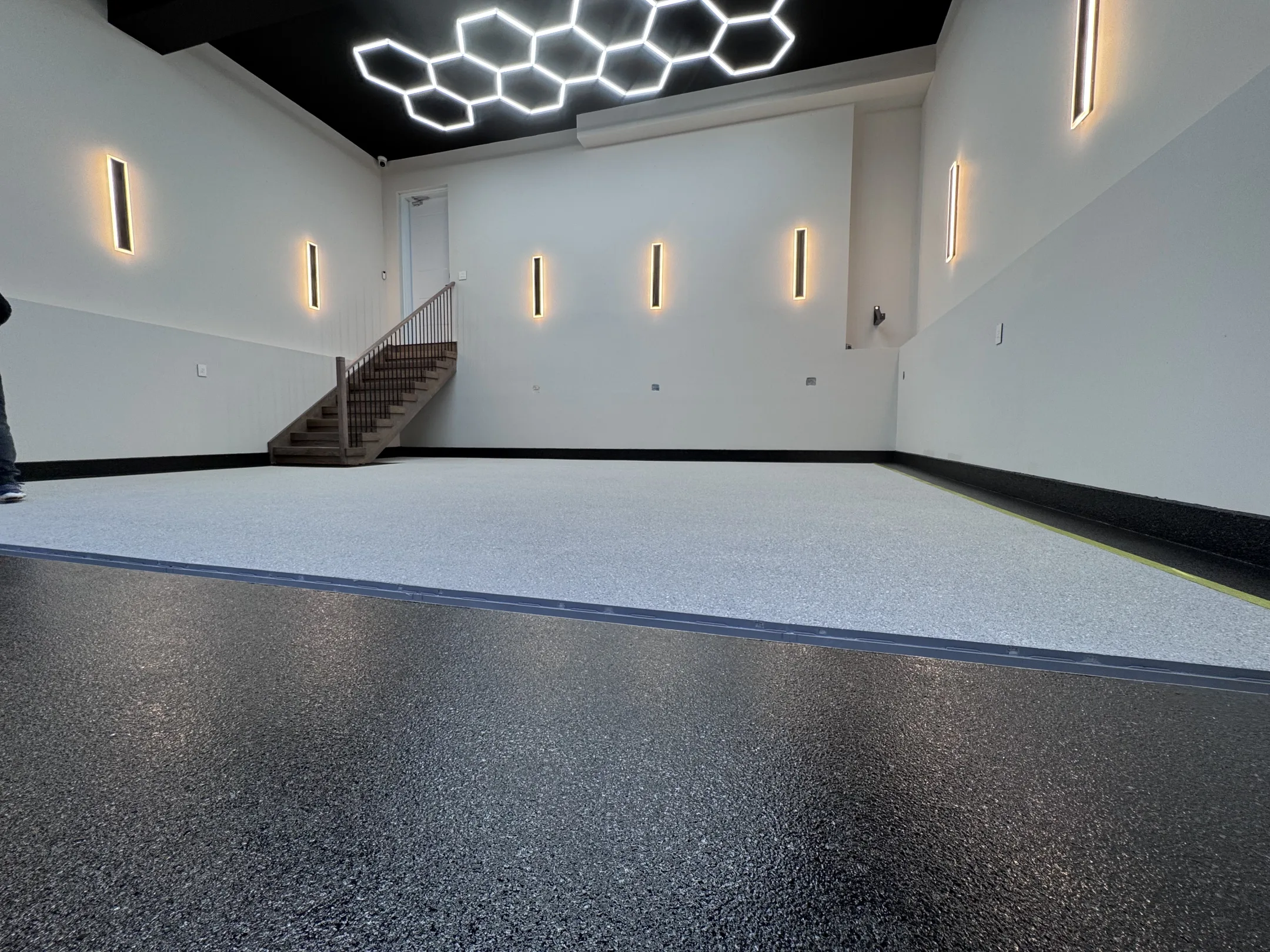

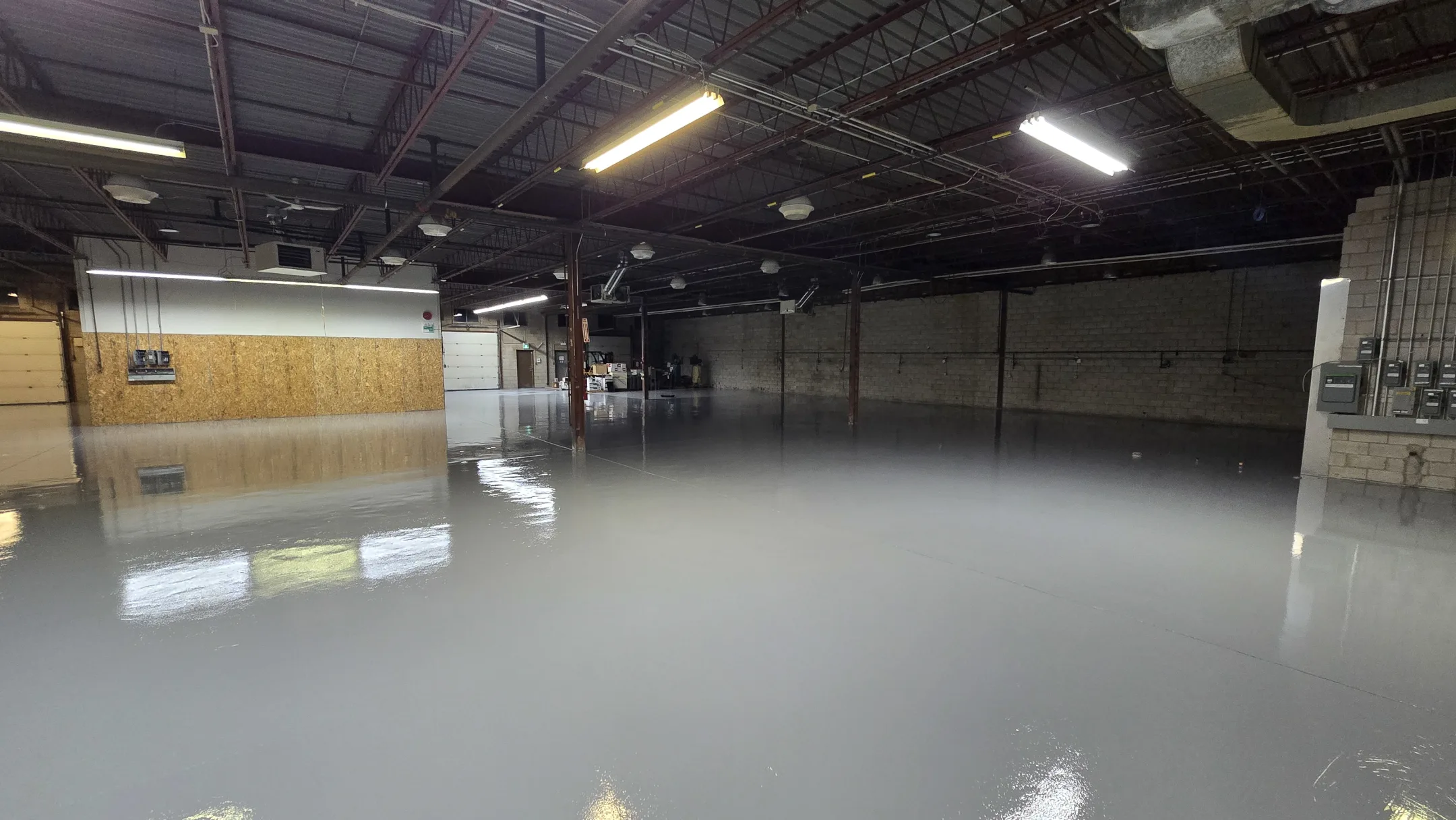

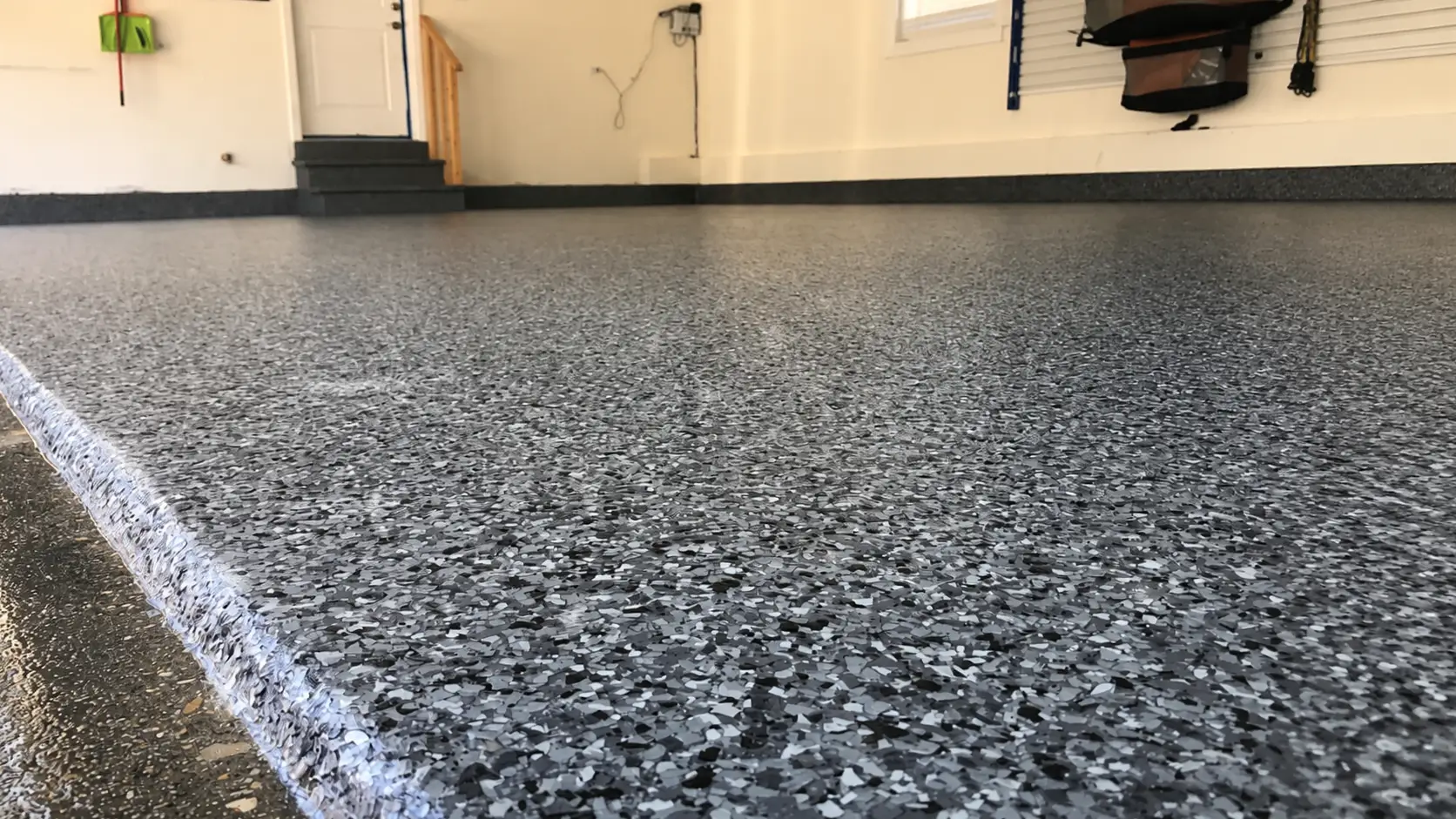
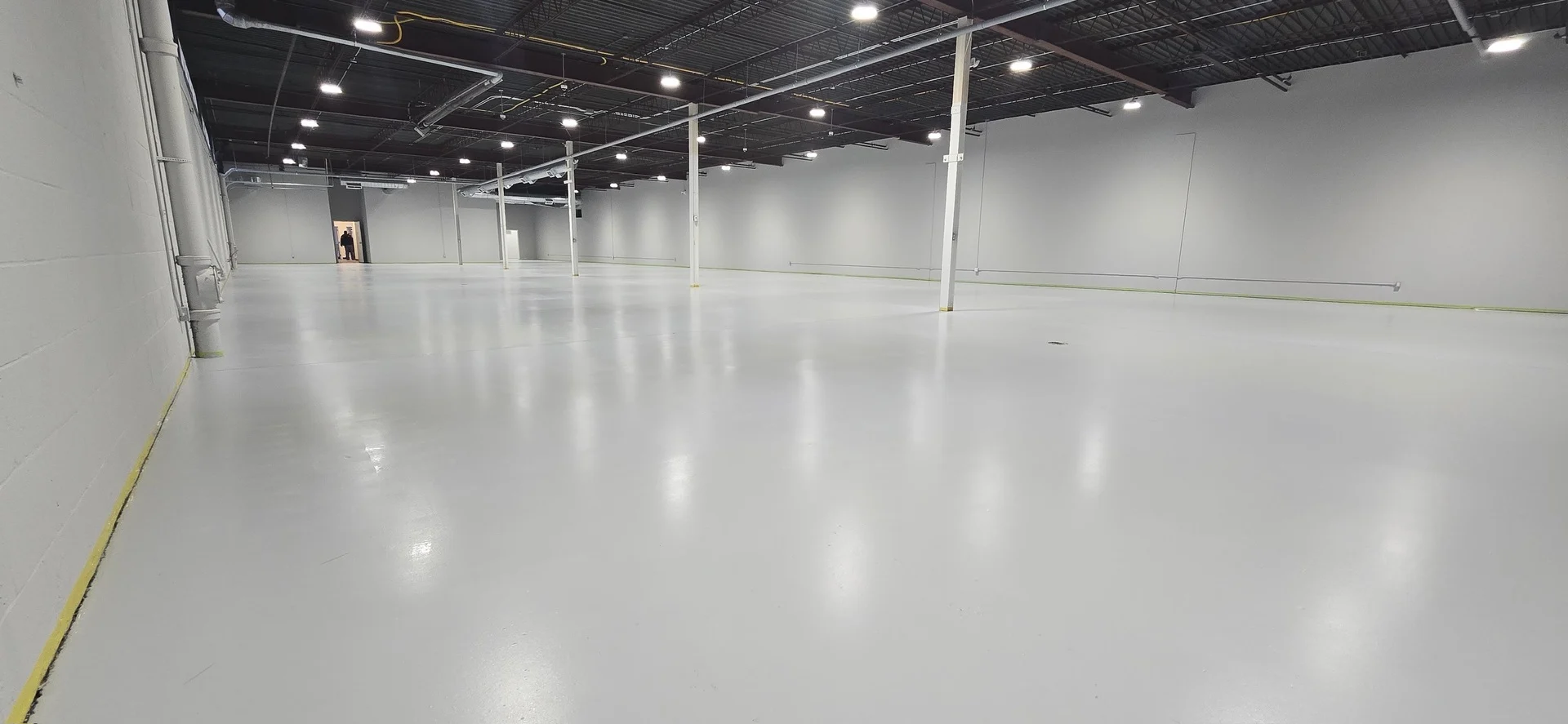

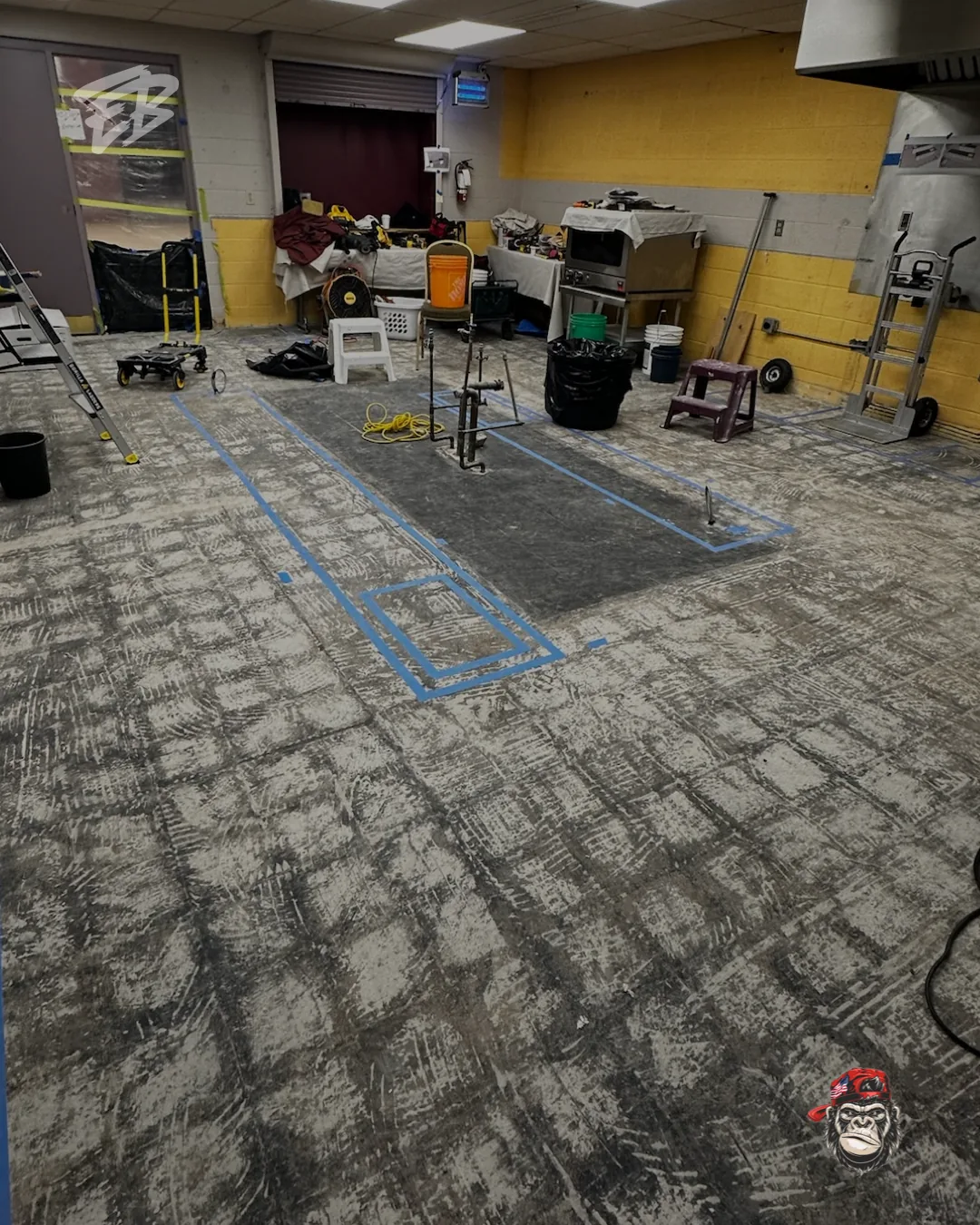
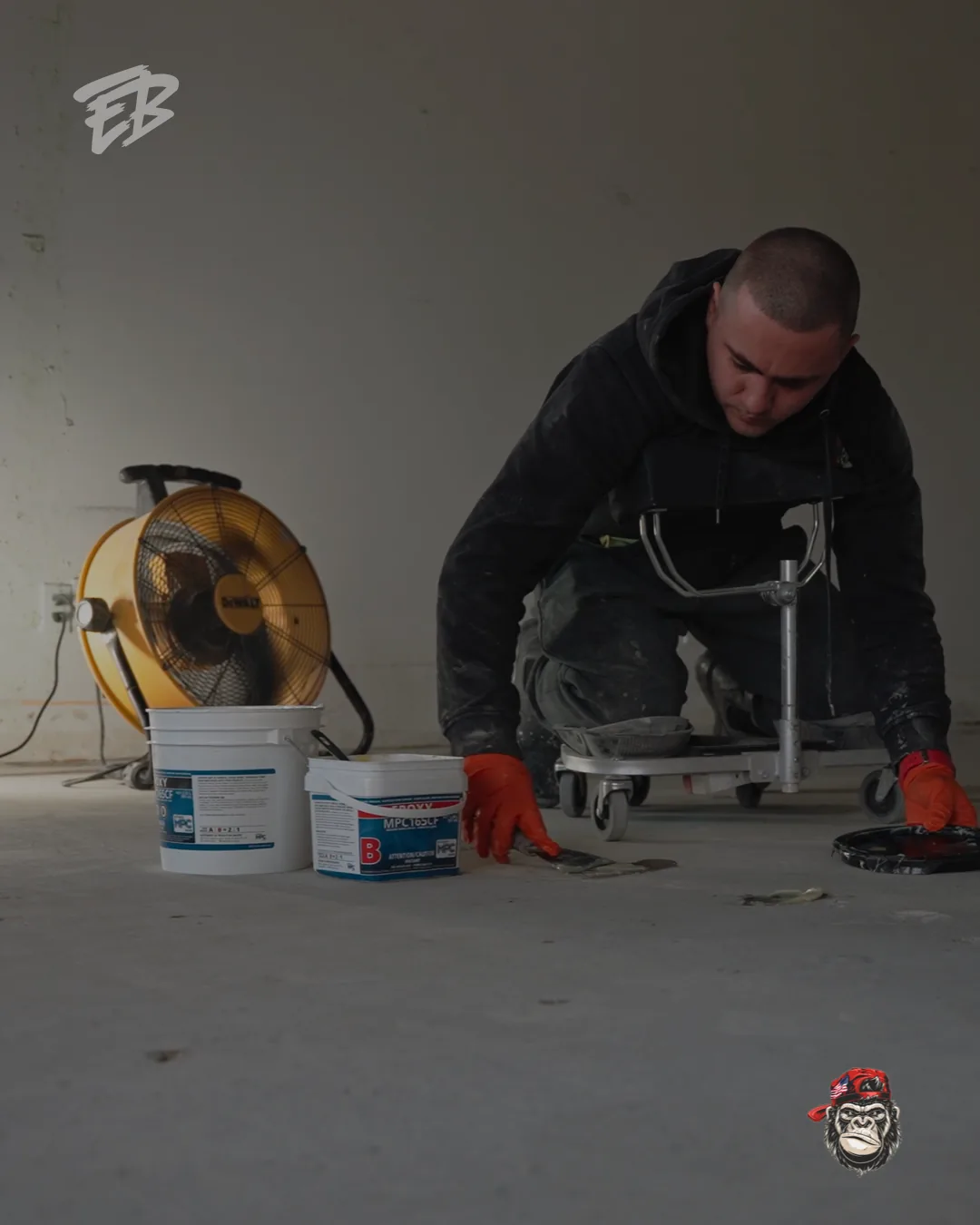

Yes, and on larger lots it is usually the case. What we avoid is quoting them as one number, because those slabs were poured years apart and are rarely in the same condition.
Each one is assessed separately, then we sequence them in whatever order suits you.
Yes. A newer slab is usually in better condition, but the surface of fresh concrete is closed and a coating will not bond into it as it is.
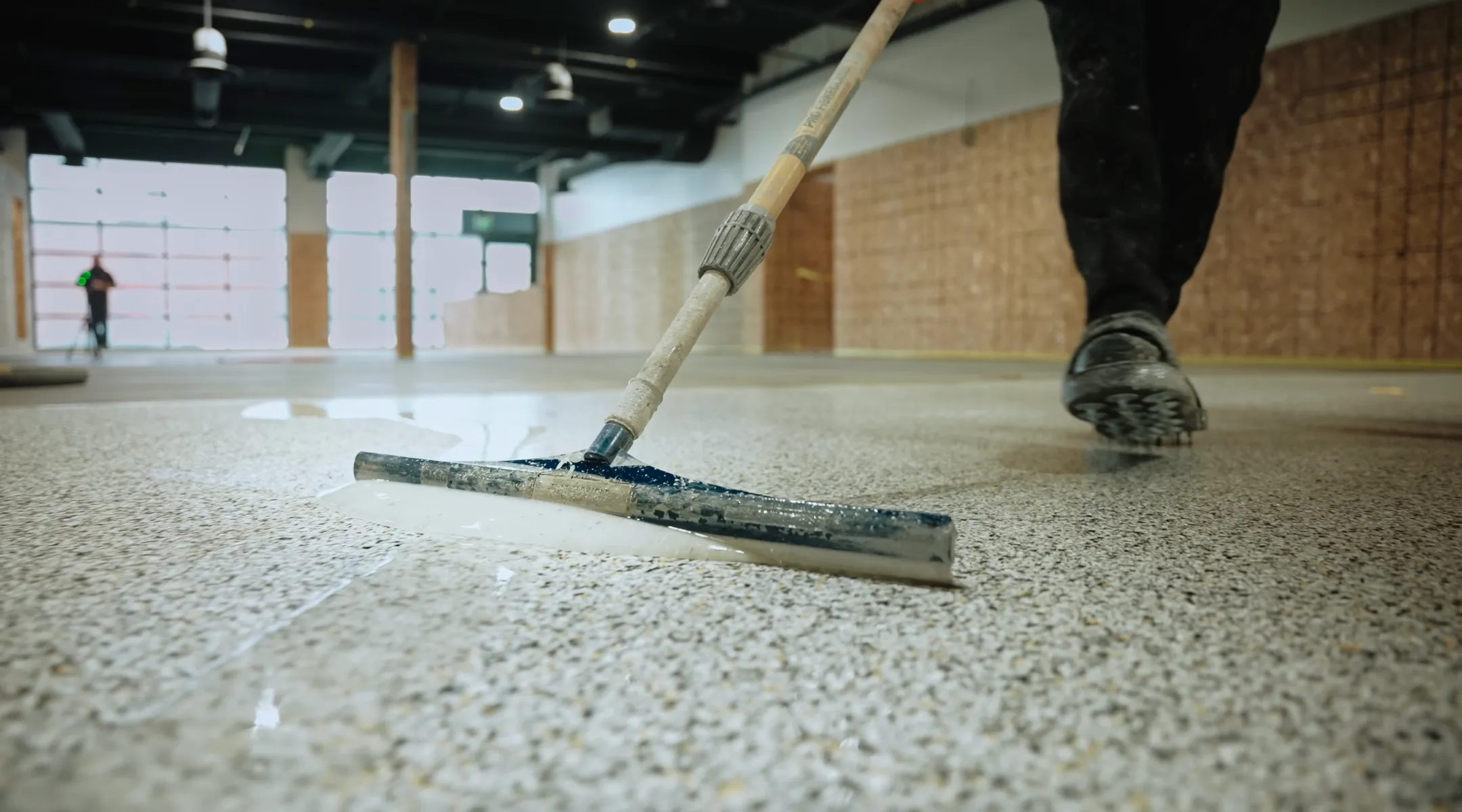
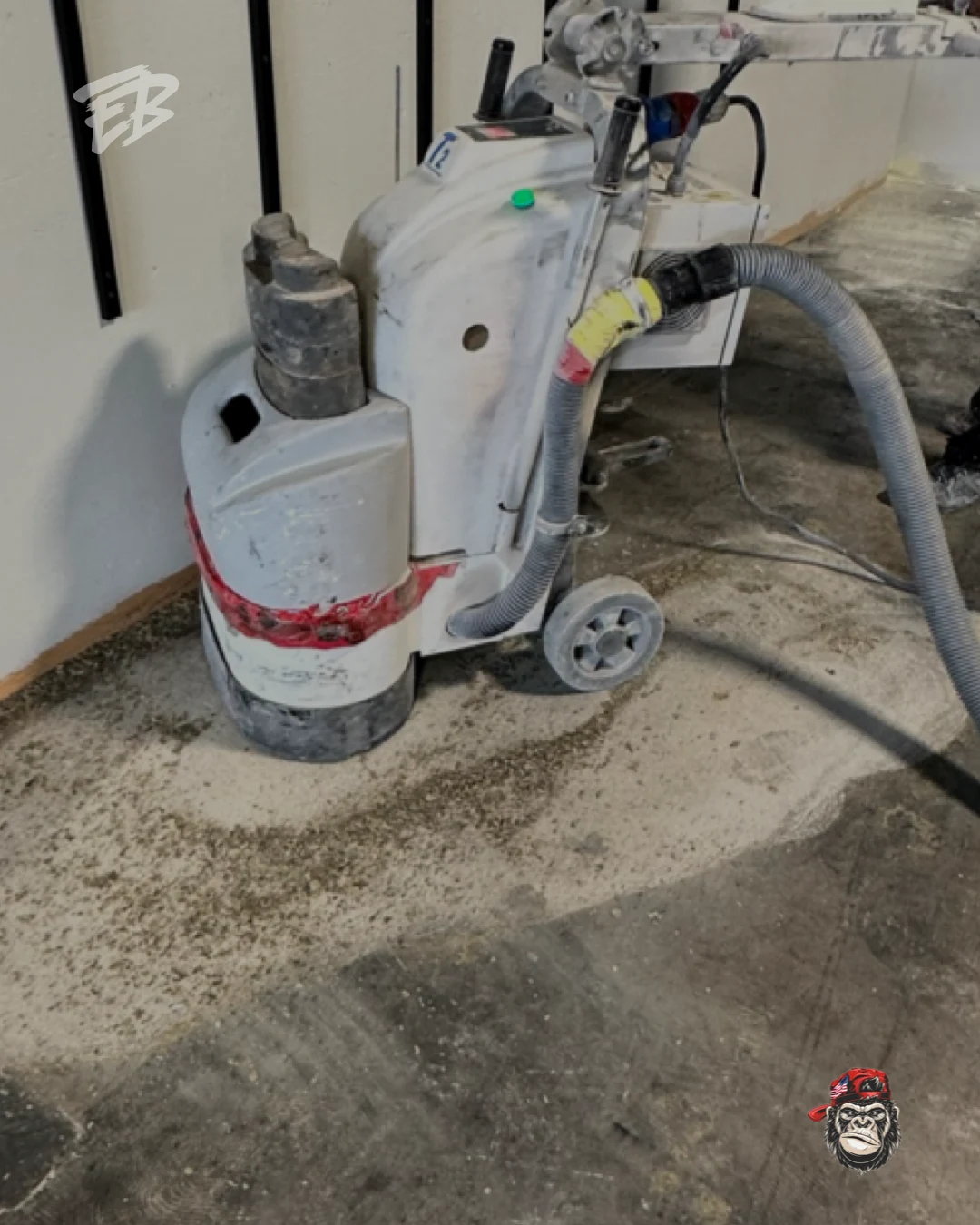
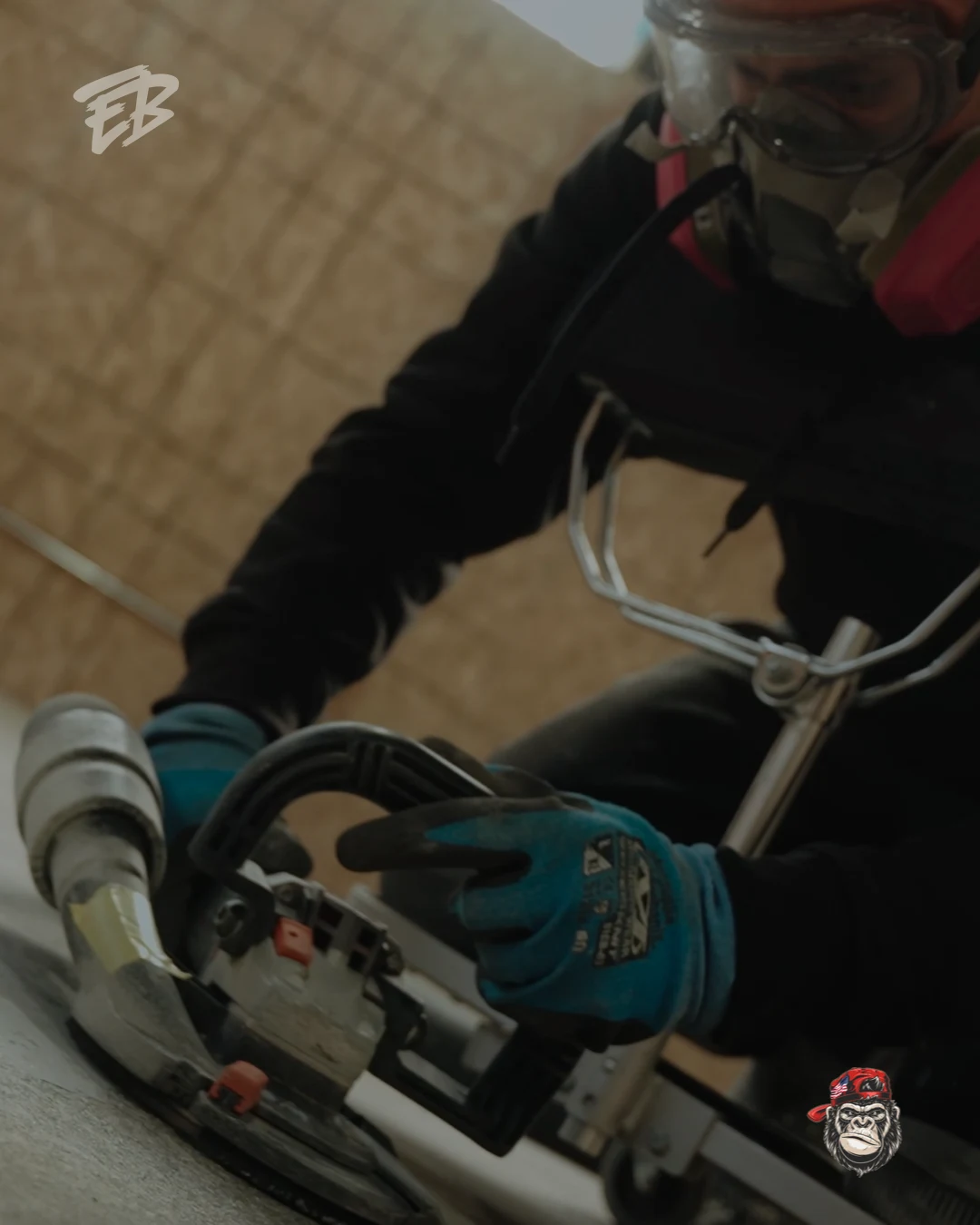
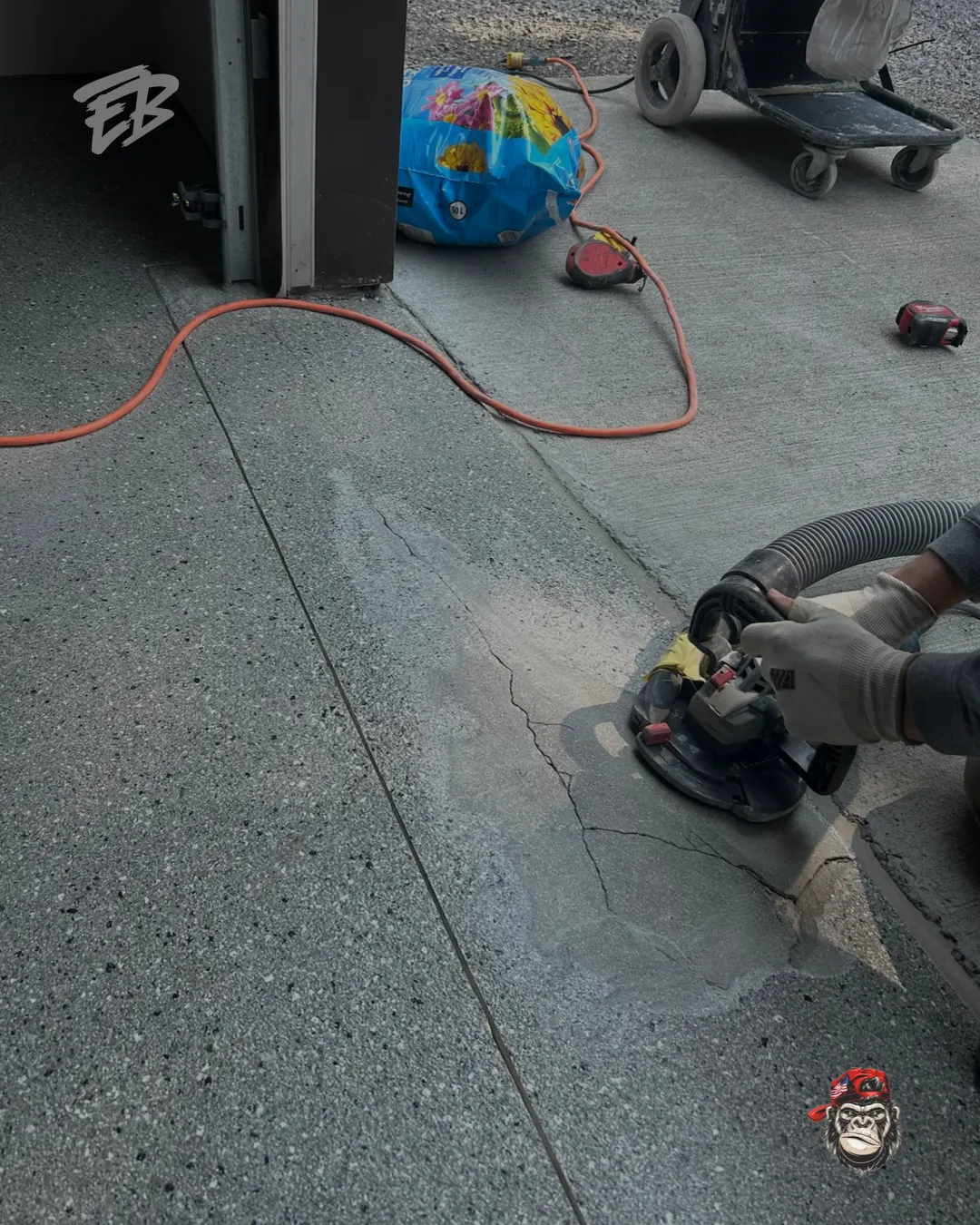
Grinding opens the surface so the system anchors into the slab rather than sitting on top of it.
Usually yes. Age by itself is not the problem — moisture coming up through the slab is, and a lot of older houses here were built without a barrier underneath.
We check the slab before quoting. If the reading is high we put a barrier down first; if it is clean, nothing extra is needed.
No, it comes up constantly and we plan for it. With the garage door open the floor counts as something the neighbors see, so the board usually wants to sign off on the color first.
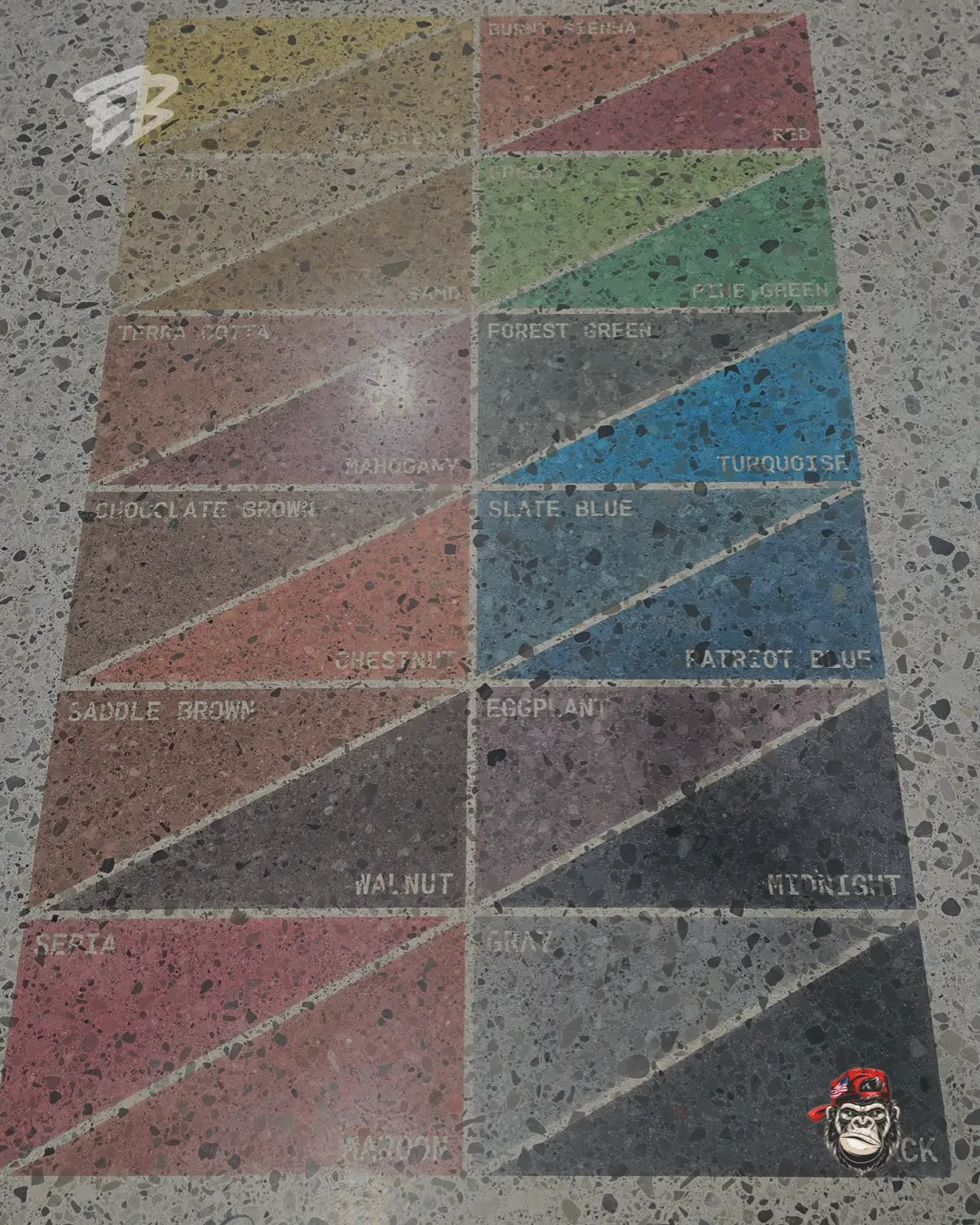
We bring physical samples you can submit and schedule the install once you have approval, so the floor is never done twice.
Yes, and on most buildings it is expected. Management normally wants written approval and proof of insurance naming the association before anyone starts.
We provide the documents and phase the work so residents keep access while it is under way.
Not a problem, but it does change what we put down. Salt in the air is hard on a coating, and the first place it shows is around the edges and the door line rather than in the middle of the floor.
Close to the water we use a topcoat made for that exposure and seal the edges properly instead of running the coating to the wall and calling it done.