
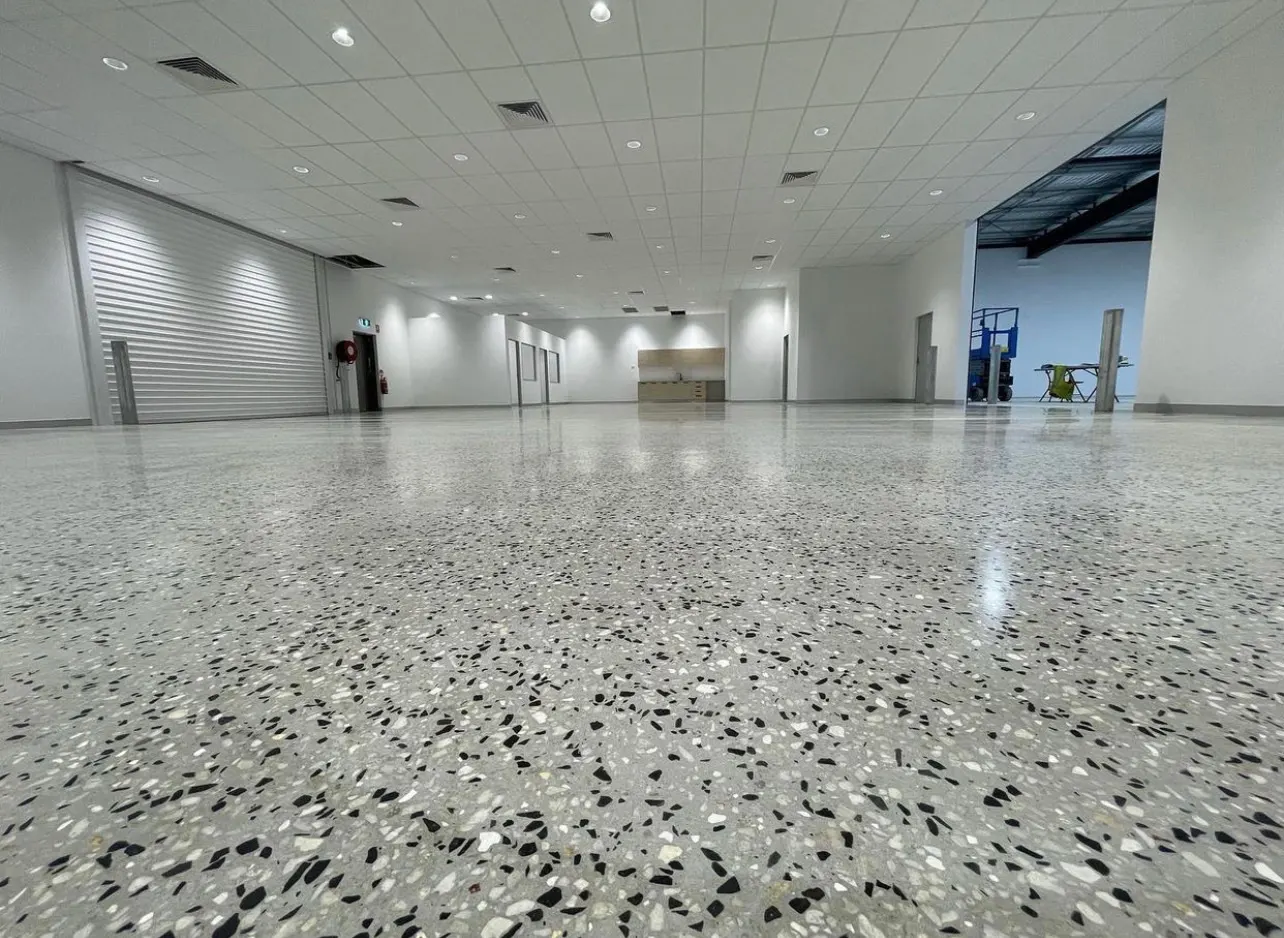
Polished & Decorative Concrete
Polished concrete systems transform structural concrete into a mechanically refined surface engineered for durability, light reflectivity, low maintenance and long-term operational performance. Through industrial grinding, densification and precision polishing stages, concrete surfaces are strengthened, refined and finished into seamless architectural flooring systems capable of handling heavy traffic, abrasion and continuous daily use across residential, commercial and industrial environments.

What Polished Concrete Is
Polished concrete is not simply concrete with shine. A properly developed polished concrete system is a mechanical refinement process designed to strengthen, densify and enhance the concrete surface itself through controlled grinding, densification and polishing procedures. Unlike topical coatings that sit above the slab, polished concrete becomes part of the concrete structure. The process mechanically refines the substrate using industrial diamond tooling while increasing surface density, abrasion resistance and long-term durability through chemical densification technologies.
How Epoxy Boss Florida Approaches It
At Epoxy Boss Florida, polished concrete begins with substrate evaluation, concrete analysis and surface preparation long before polishing stages begin. Every slab behaves differently depending on aggregate composition, curing history, moisture movement, previous contamination, structural wear and environmental exposure. The final appearance and performance of polished concrete are directly influenced by the condition of the existing substrate beneath the surface. Proper preparation remains critical to polished concrete performance. Surface defects, coatings, adhesives, structural cracking, uneven sections and contamination may require correction before polishing can begin.
Service Inclusive
Every polished concrete project may include:
Substrate Evaluation & Prep
Every slab is assessed and stripped of old coatings before refinement.
- Substrate Evaluation
- Adhesive & Coating Removal
01
Grinding & Refinement
Industrial diamond tooling grinds and refines the concrete surface.
- Industrial Diamond Grinding
- Mechanical Surface Refinement
02
Repair & Correction
Cracks and surface defects are remediated and corrected before polishing.
- Crack & Joint Remediation
- Surface Correction
03
Densification & Polishing
Densification and multi-stage polishing build hardness, clarity, and shine.
- Densification Procedures
- Multi-Stage Polishing Processes
- Aggregate Exposure Refinement
04
Protection & Dust Control
Dust-controlled systems and stain protection keep the finish clean and durable.
- Dust-Controlled Preparation Systems
- Stain Protection Treatments
05
Quality Assurance & Guidance
Final inspection, documentation, and guidance for lasting performance.
- Quality-Control Inspections
- Project Documentation
- Maintenance Guidance
06
Surface
System specifications vary depending on:
Concrete Condition
Age, soundness, and history of the slab.
Gloss Level Objectives
Target sheen of the polished surface.
Operational Use
How the space is used day to day.
Environmental Exposure
Temperature, humidity, and UV conditions.
Long-Term Durability
Expected service life and performance goals.
Aggregate Exposure
Depth of aggregate the finish should reveal.
Traffic Conditions
Foot, vehicle, and equipment load expected.
Maintenance Expectations
Upkeep the finish is expected to need.
Surface Reflectivity Goals
Desired light reflectivity of the floor.
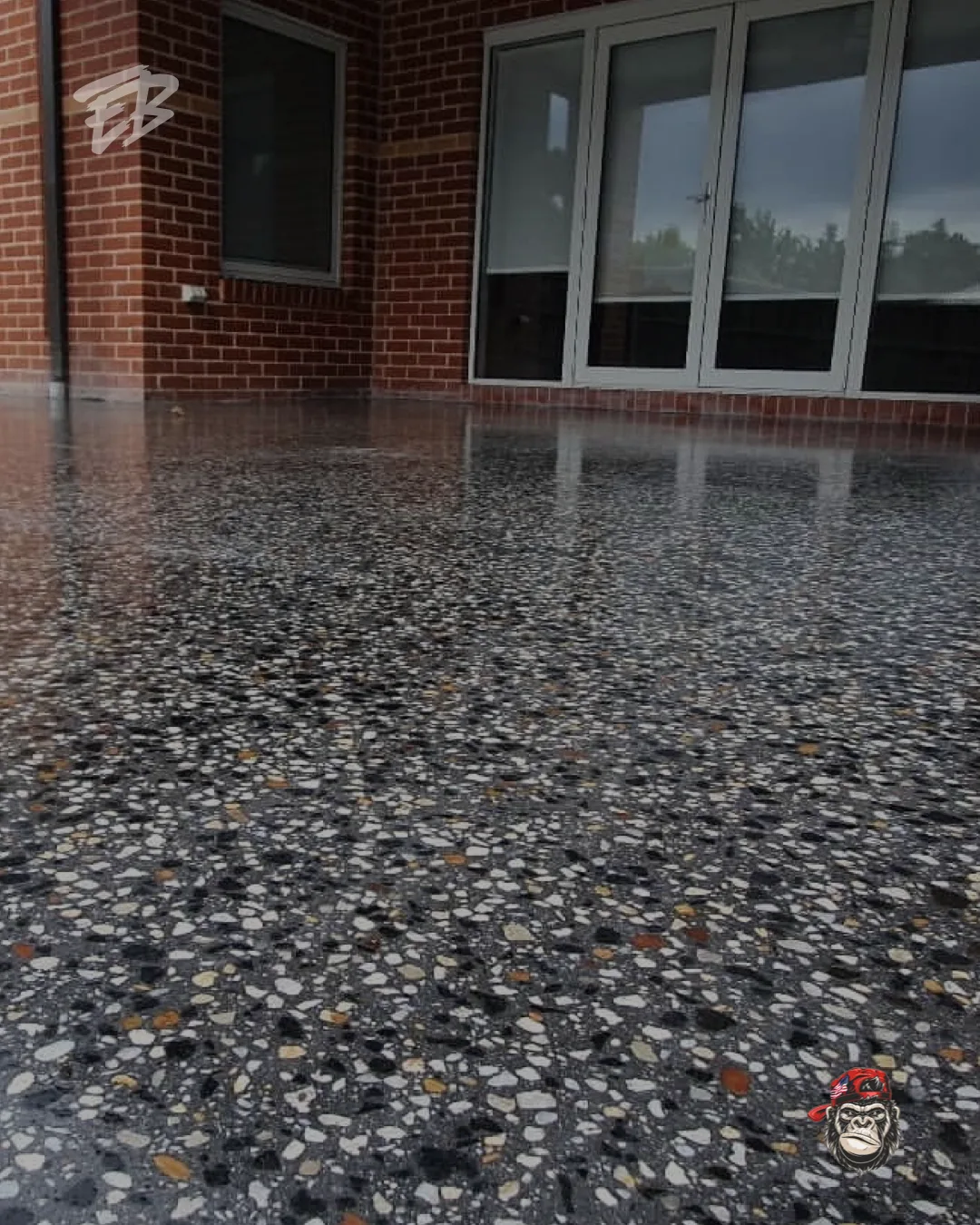
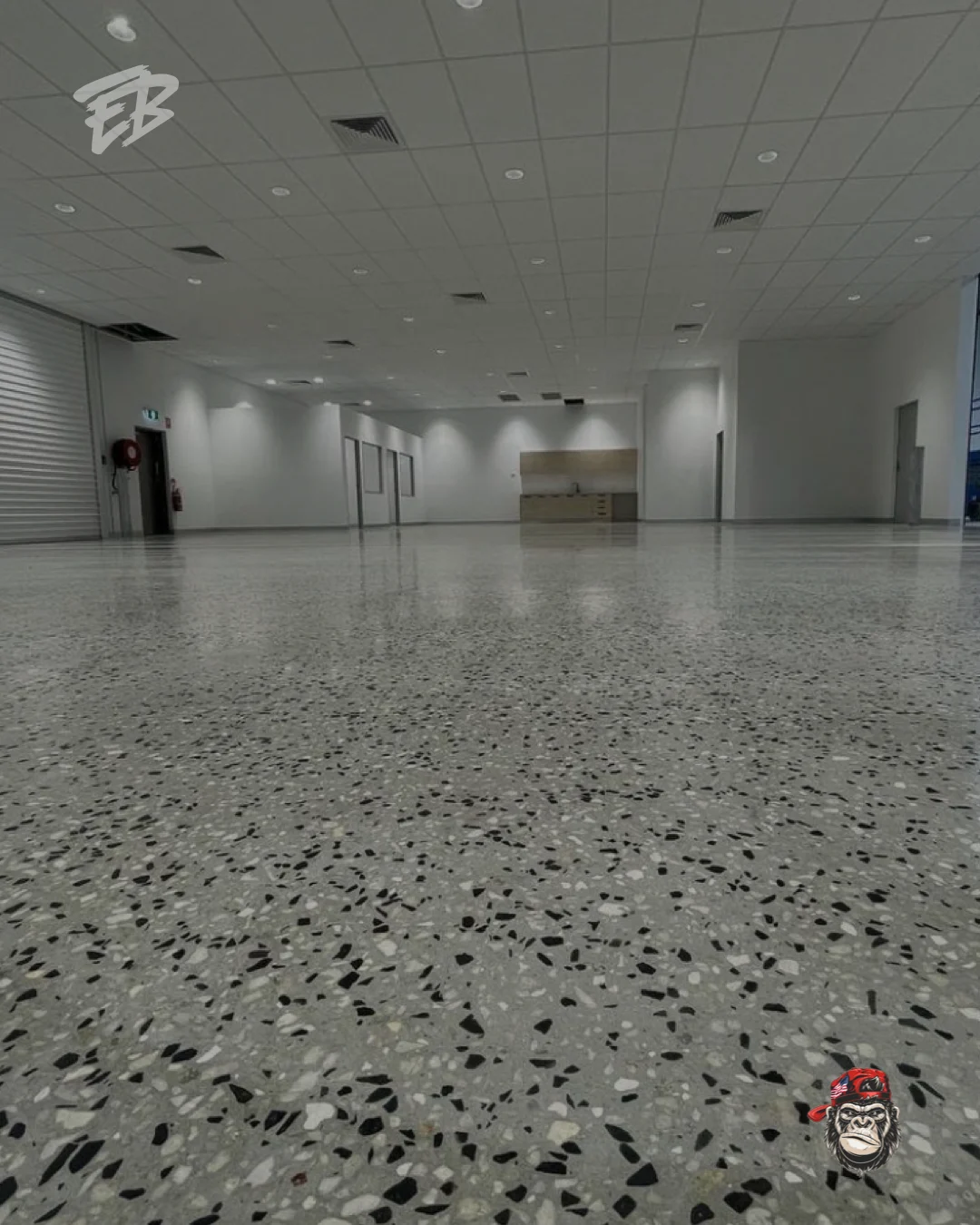

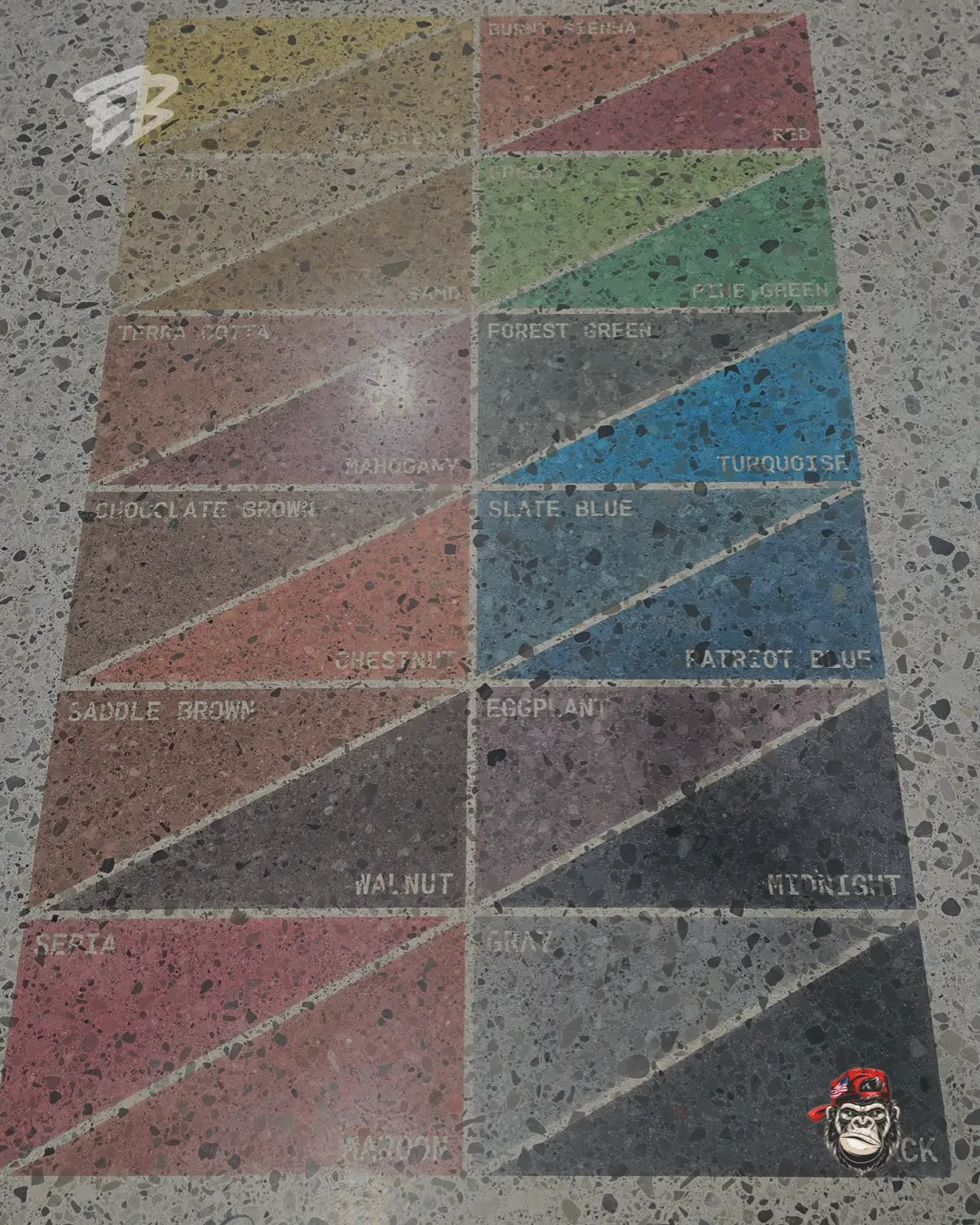

No items found.
FAQ
Everything you need to know about polished concrete, grinding, densification, durability, maintenance, and project expectations.
What preparation does Epoxy Boss perform before polishing?
Preparation may include industrial diamond grinding, coating removal, adhesive removal, crack remediation, joint repair, surface correction, densification procedures and contamination removal depending on slab condition and project requirements.
Does polished concrete help with lighting?
Yes. The reflective properties of polished concrete improve light reflectivity within the environment, which may contribute to brighter interiors and improved visual clarity across large spaces.
Can old concrete be polished?
Many existing slabs can be polished depending on substrate condition, contamination levels, structural integrity and previous surface treatments. Surface preparation and corrective procedures may be required before polishing begins.
Is polished concrete easy to maintain?
Yes. Polished concrete systems are known for low maintenance requirements. The seamless refined surface simplifies cleaning while reducing dust accumulation and long-term maintenance demands.
Can polished concrete handle industrial traffic?
Yes. Properly developed polished concrete systems are commonly used in warehouses, manufacturing facilities, retail environments and industrial spaces exposed to forklifts, pallet jacks and continuous operational movement.
What is a concrete densifier?
A densifier is a chemical treatment applied during the polishing process that reacts with the concrete substrate to increase surface hardness, reduce dusting and improve long-term abrasion resistance.
Why is concrete grinding important for polished concrete?
Grinding removes surface contamination, levels imperfections and creates the foundation required for densification and polishing. Proper grinding progression directly affects clarity, reflectivity, durability and final surface consistency.
Is polished concrete slippery?
Despite its reflective appearance, properly finished polished concrete can maintain safe traction levels. Surface conditions, maintenance practices and environmental exposure influence slip characteristics. Additional slip-resistant treatments may also be incorporated when required.
Does polished concrete crack?
Polished concrete follows the behavior of the underlying slab. Existing structural cracking, slab movement and joint conditions may require remediation before polishing procedures begin.
How durable is polished concrete?
Properly developed polished concrete systems are highly durable and capable of handling heavy foot traffic, equipment movement and continuous operational use across commercial and industrial environments.
Is polished concrete a coating?
No. Polished concrete is not a topical coating system. The process mechanically refines and strengthens the existing concrete slab itself rather than applying a separate surface layer above the concrete.
What is polished concrete?
Polished concrete is a mechanically refined concrete surface created through industrial grinding, densification and polishing procedures designed to improve durability, abrasion resistance, reflectivity and long-term surface performance.
OuR Systems
Epoxy Boss offers a range of decorative and functional coating systems, each engineered for a specific environment, level of use, and visual impact.
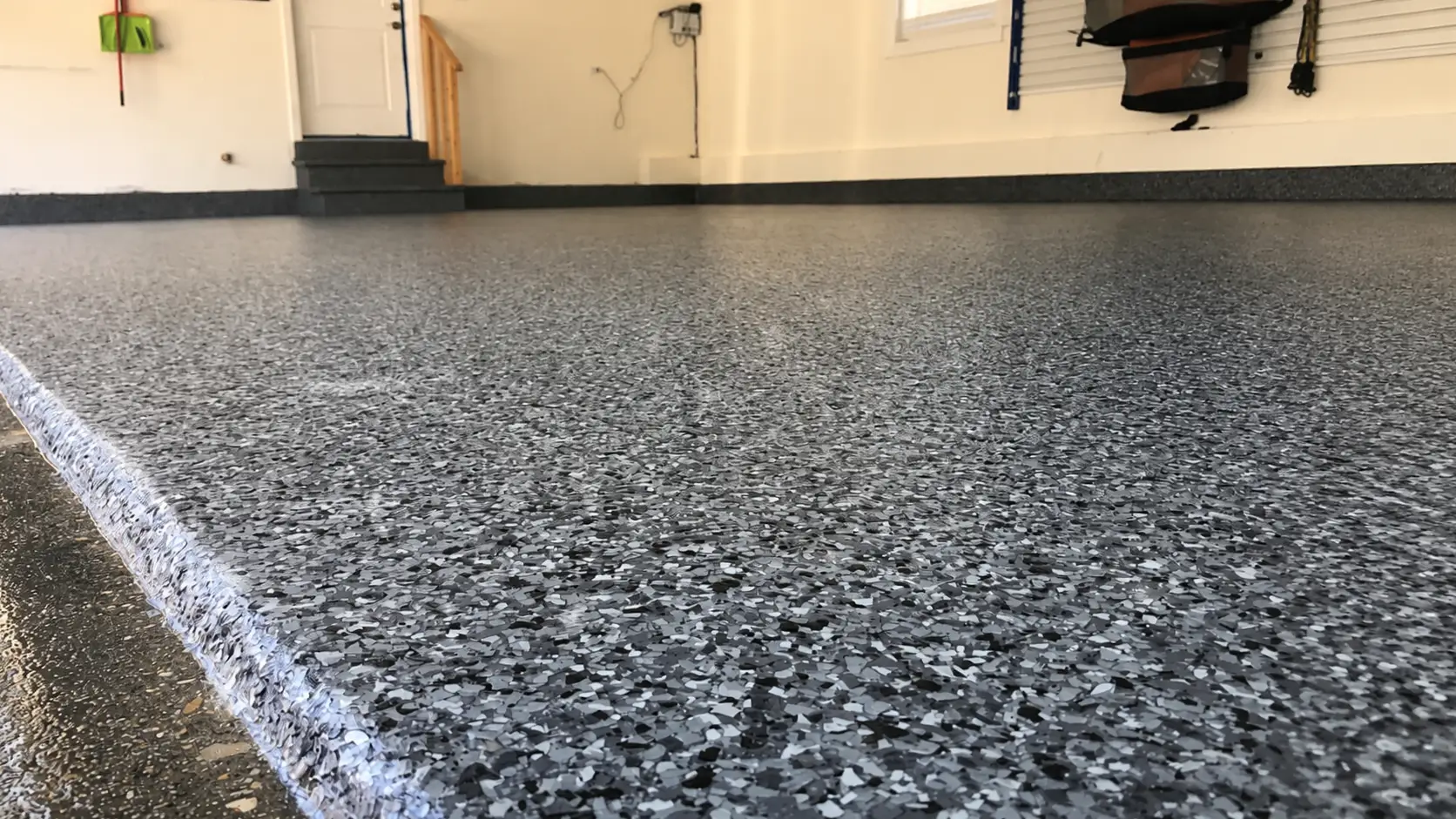
Flakes System
A durable, multi-layer system designed for everyday performance with atextured, slip-resistant finish.
Flake systems combine vinyl chips with resin to create a surface that hides wear, improves traction, and handles high traffic environments with ease.
Built for:
Traction
Durability
Low Maintenance

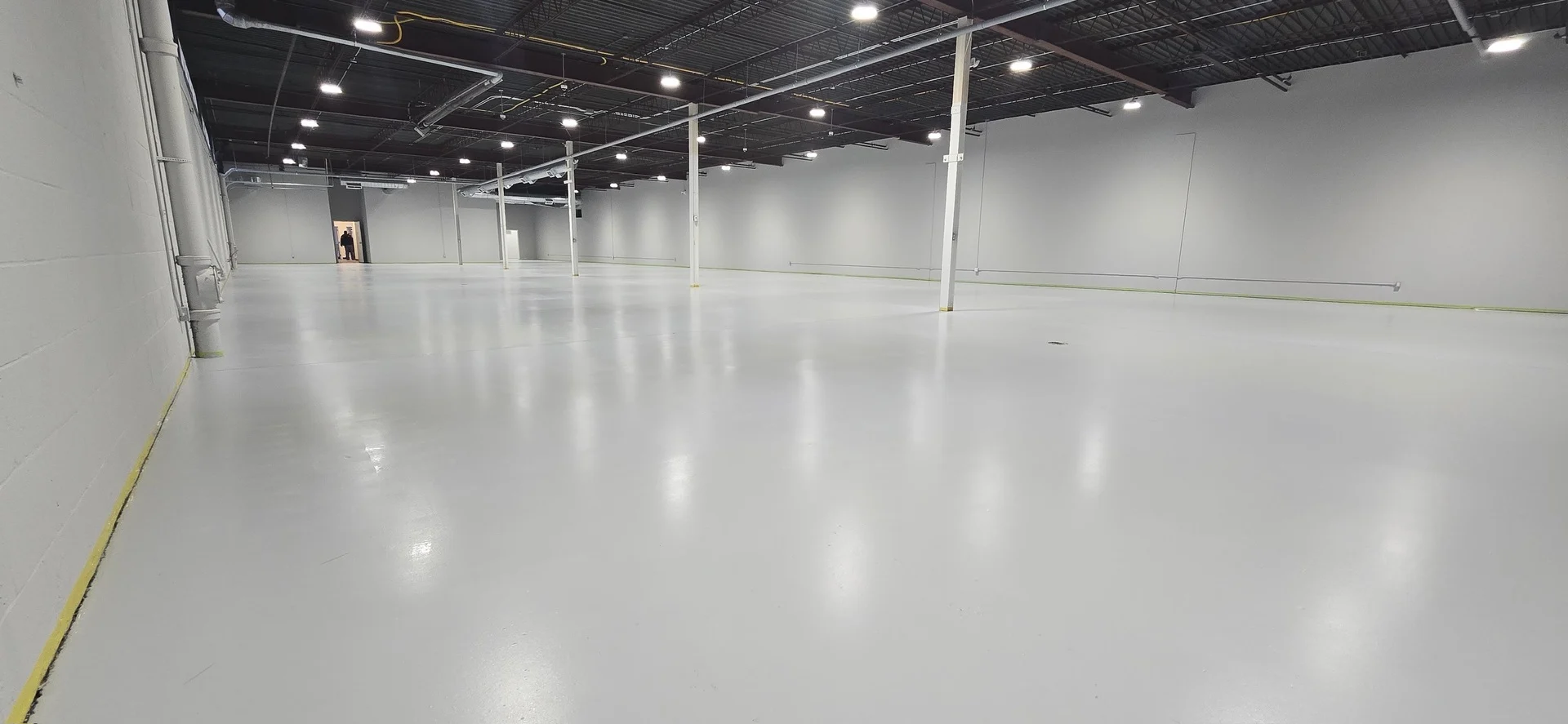
Solid System
A clean, uniform coating system designed for simplicity, strength, and easy maintenance. Solid systems deliver a seamless, modern finish with consistent color throughout — ideal for spaces that demand a professional and minimal look.
Built for:
Clean Appearance
Easy Maintenance
Durability
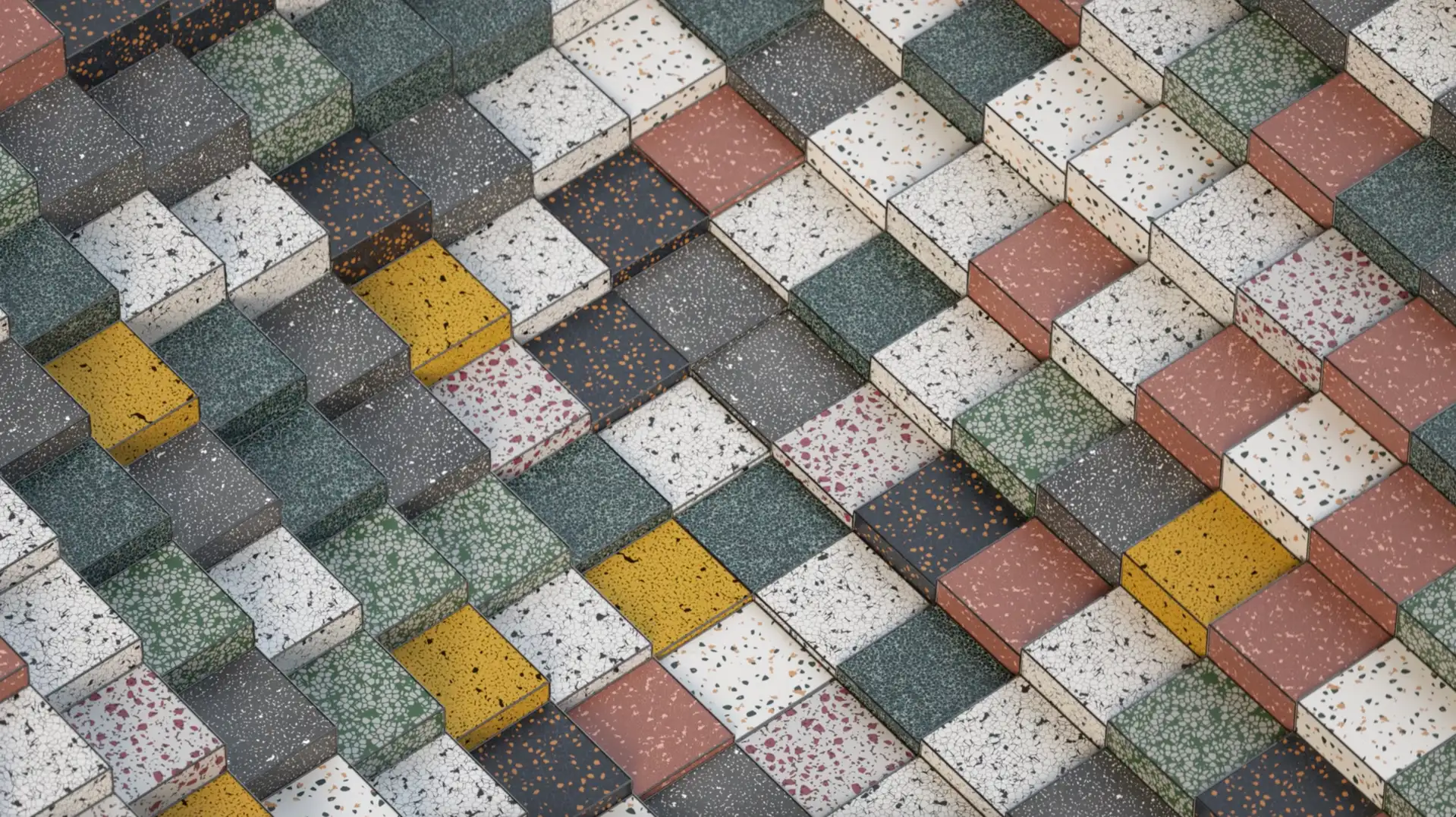
Quartz System
A heavy-duty system built for maximum durability, safety, and performance in demanding environments. Quartz systems combine resin with mineral aggregates to create a dense, textured surface known for strength, slip resistance, and chemical durability.
Built for:
Extreme Durability
Safety
Heavy Traffic
Metallic Systems
A high-end decorative system designed to create depth, movement, and a one-of-a-kind finish.
Metallic epoxy uses pigments to produce a glossy, 3D effect that transforms concrete into a statement surface - no two floors are the same.
Built for:
Visual Impact
High-Gloss Finish
Custom Design
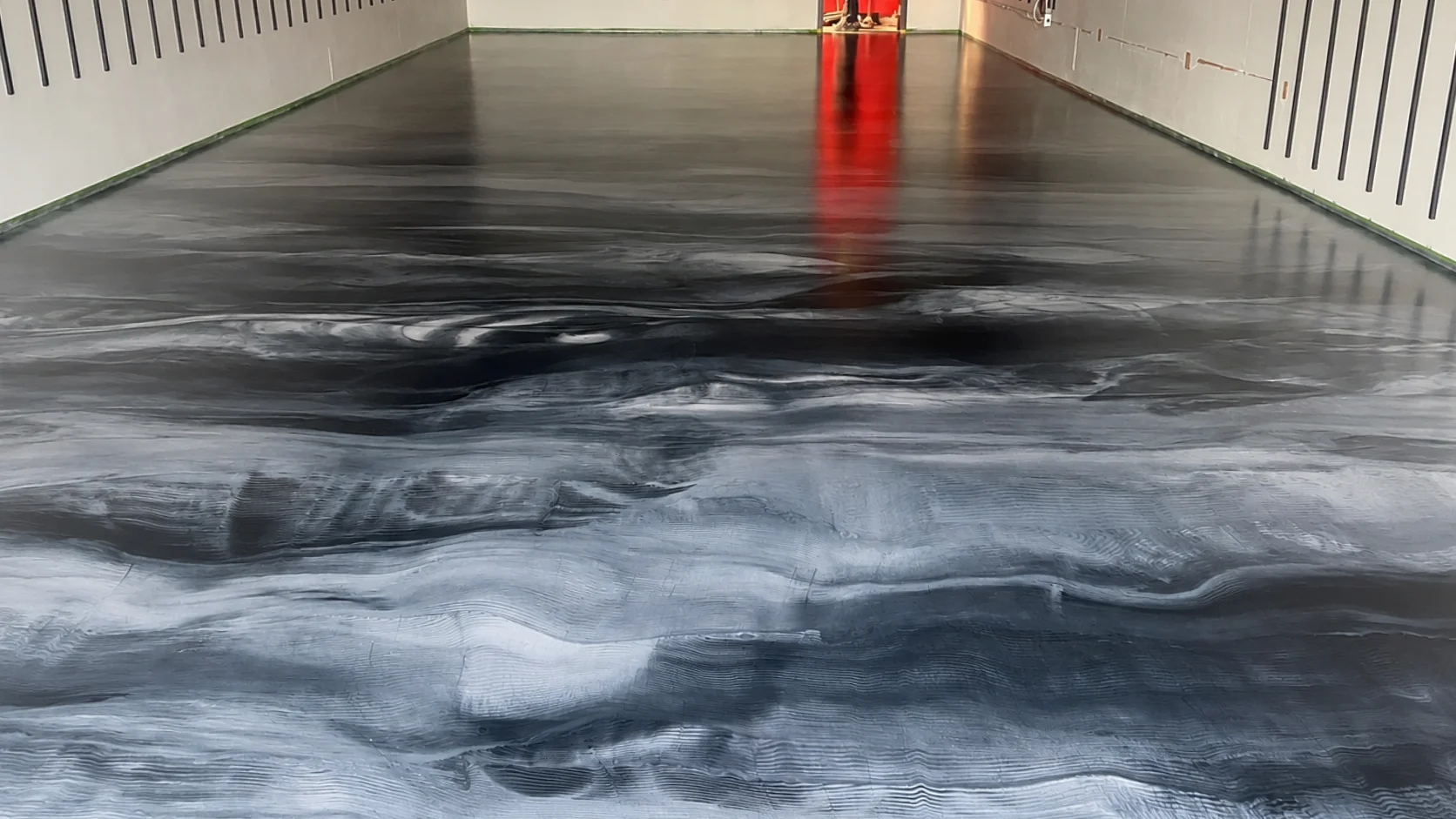
Metallic System
A high-end decorative system designed to create depth, movement, and a one-of-a-kind finish. Metallic epoxy uses pigments to produce a glossy, 3D effect that transforms concrete into a statement surface - no two floors are the same.
Built for:
Visual Impact
High-Gloss Finish
Custom Design
OuR Applications
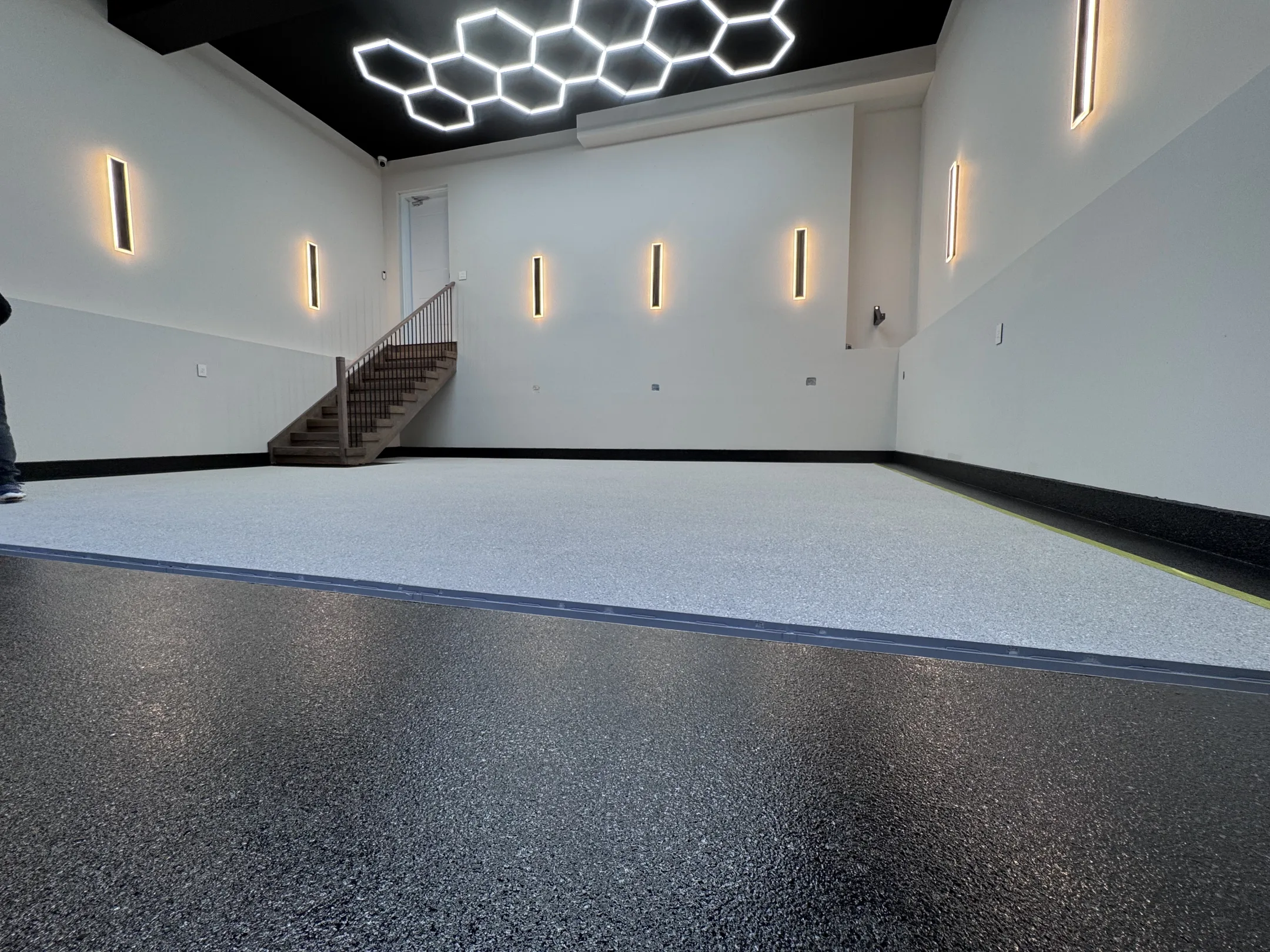
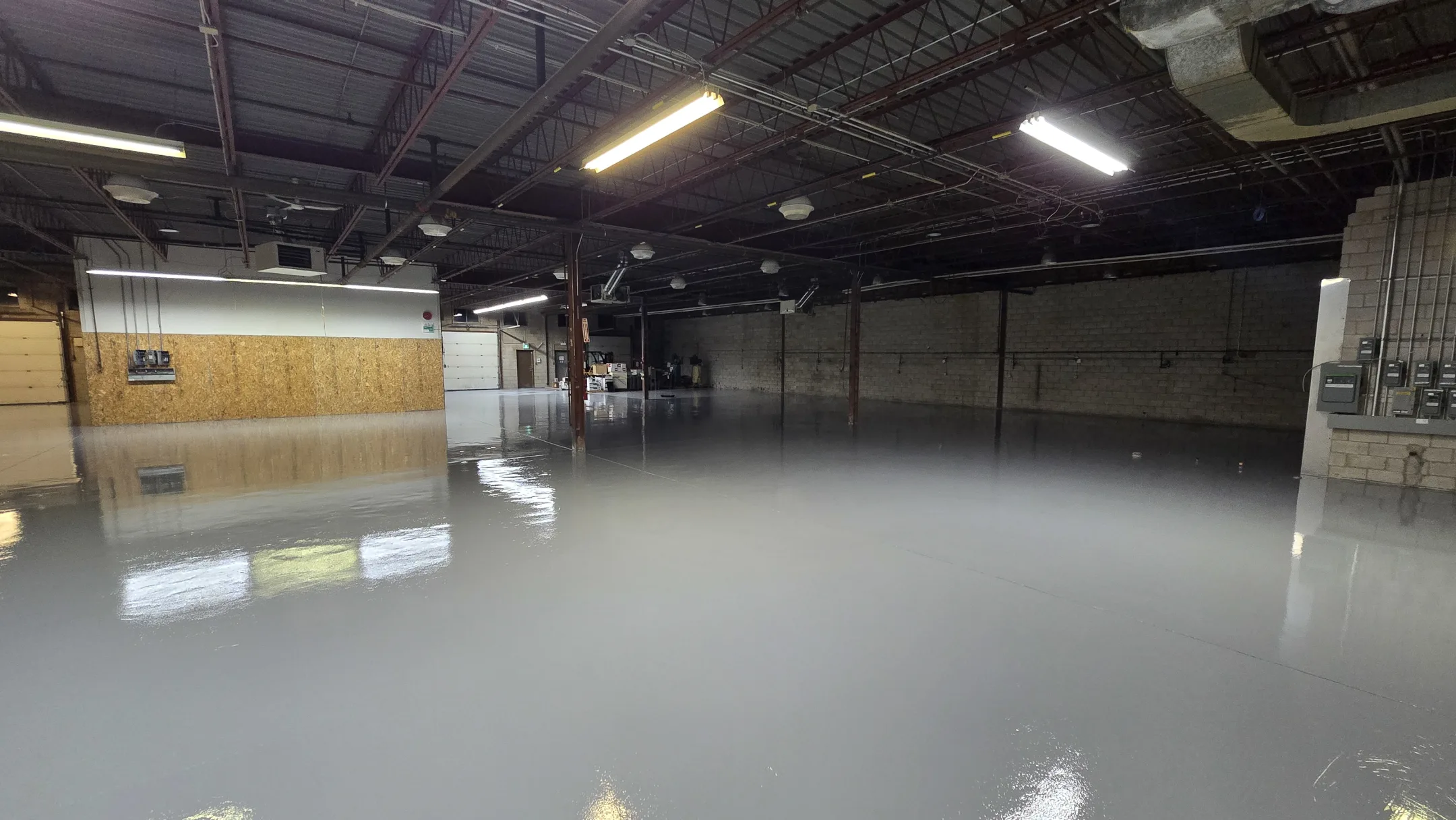
Epoxy Boss delivers concrete coating and epoxy flooring systems across residential, commercial, and industrial environments — each designed for the way the space is actually used, not just how itlooks.


Residential Spaces
Designed for daily use, seasonal exposure, and long-term durability - without sacrificing finish.
Built to handle:
Daily Traffic
Vehicles
Salt
Temperature Changes
Commercial Spaces
Clean, durable, and professional flooring systems built for customer-facing environments and high foot traffic.
Engeniered for:
Appearance
Safety
Performance
Low Maintenance
Industrial & High-Demand Facilities
Heavy-duty systems designed for environments where performance is critical and failure is not an option.
Built to withstand:
Heavy Loads
Machinery
Continuous Use
Learn More
Why Epoxy Boss
Epoxy Boss operates as a concrete surface preparation and protection company specializing in technical flooring systems across Ontario and Florida.
Our operational structure includes:
- specialized installation crews
- industrial-grade preparation equipment
- project management systems
- field supervision
- structured quality-control procedures
- commercial-scale operational capability
Projects are approached through:
- substrate analysis
- preparation-first installation
- environment-specific system selection
- moisture management
- operational workflow planning
- long-term durability objectives
The company maintains:
Epoxy Boss has completed projects ranging from residential garage systems to large-volume industrial operations for manufacturing and commercial facilities across multiple sectors.
- WSIB coverage
- structured operational workflows
- safety compliance standards
- commercial project coordination systems
- large-scale production capability
Because high-performance flooring is not defined byappearance alone. It is defined by how the surface performs under years ofreal operational use.

Ready to Upgrade Your Floors?
Custom epoxy systems tailored for garages, basements, showrooms, patios, and industrial environments — combining industrial-grade durability with premium aesthetics.
How we work
01
first touch with us
High-performance floor systems built for real-world abuse. From decorative epoxy toindustrial-grade traffic coatings, we install seamless finishes that resist impact, chemicals, and daily wear - without compromising on style. Includes overlays, traffic coatings, and advanced membrane systems for long-term protection.
02
Quotation
Get a clear and accurate price using our online calculator for instant estimates, or connect with us directly for a detailed quote. For more complex projects, we can schedule an on-site visit to finalize all details.
03
Decision making
We help you choose the right system, finish, and colors based on your goals. From flake to solid or metallic systems, you will have full clarity and confidence in your selection.
04
Scheduling + 50% Deposit
Once everything is confirmed, we lock in your project date. A 50% deposit secures your spot, allowing us to allocate materials and crew accordingly.
05
Day of the project
Our team completes full surface preparation including grinding and crack repair, followed by precise application of your selected multi-layered system based on manufacturer specifications.
06
Project Review
We walk through the finished space with you to ensure satisfaction. After approval, the remaining 50% balance is collected and the project is officially completed.
EPOXY BOSS