Polyurethane
Tough, chemical-resistant finish for demanding floors
12–24 hrs
UV-Stable
Indoor & Outdoor
Low VOC
Thank you! Your submission has been received!
Oops! Something went wrong while submitting the form.

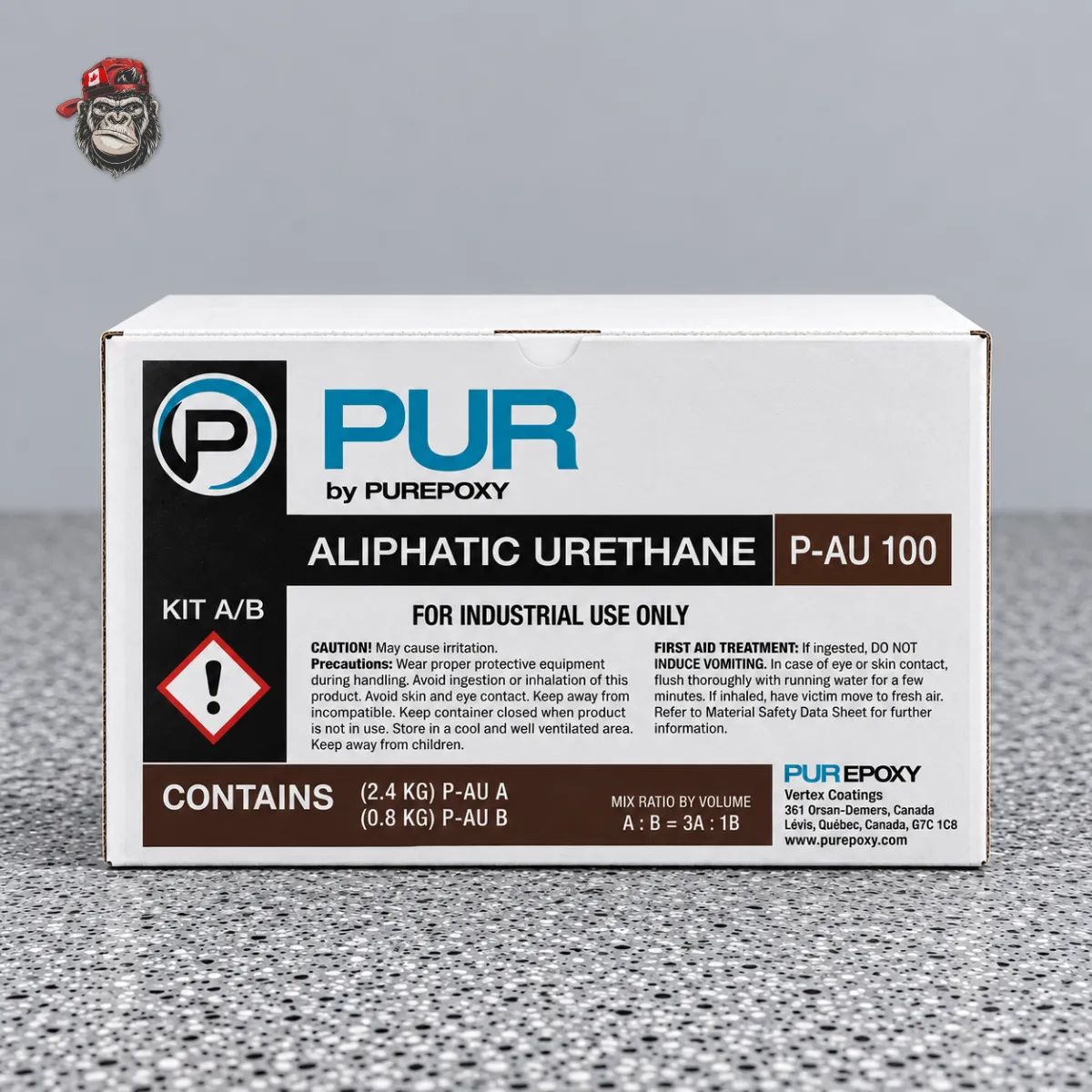
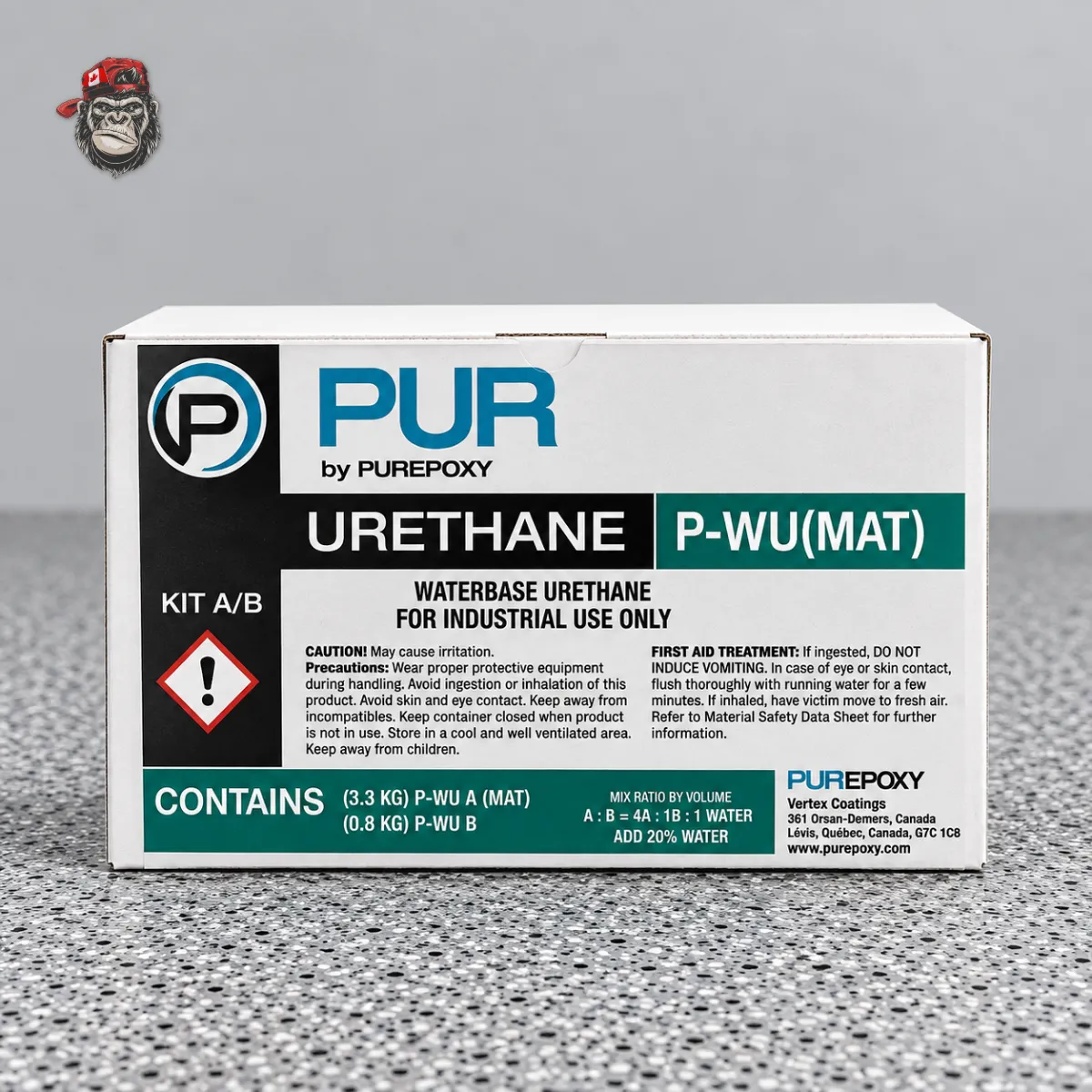
Polyurethane is a finish coat applied over an epoxy base to add chemical, abrasion and stain resistance. The system we use complies with USDA, FDA and Food Safety Modernization Act requirements, meets ADA slip-resistance guidelines and is VOC-compliant nationwide. It cures to an inert, tough surface suited to commercial kitchens and bakeries, hospitals, laboratories, automotive showrooms, aircraft hangars and manufacturing floors, where daily cleaning chemicals and heavy traffic would wear down epoxy alone. Gloss, satin and matte finishes are available.
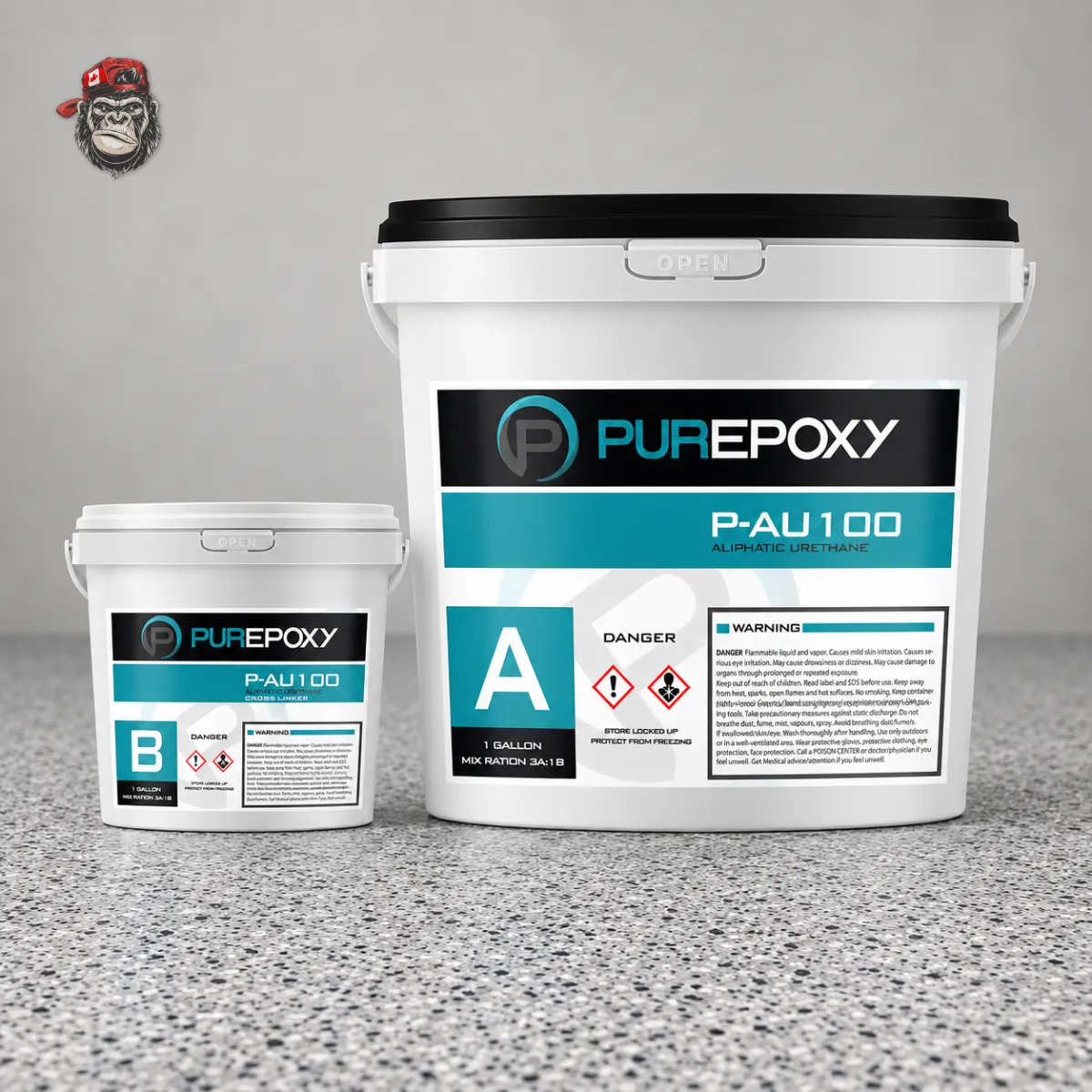
A polyurethane finish coat goes over an epoxy base to add chemical, abrasion and stain resistance. We specify it for commercial kitchens, labs, hangars, showrooms and shops where daily cleaning chemicals and traffic would wear down epoxy alone.
The aliphatic grade we use is UV-stable and retains its gloss on sun-exposed commercial floors.
Sensitive to humidity during cure. We schedule installation in conditioned spaces or dry weather windows.
Requires a sound, dry base — installed over epoxy, with a moisture membrane where the slab tests high.
Chemical resistance handles salt, cleaners and sanitizers in coastal restaurants, hotels and commercial kitchens.
On floors with heavy cleaning, chemicals, hot tires or high traffic, yes. It protects the epoxy from scratches and stains and is easier to refresh later.
Polyurethane finishes are widely used in commercial kitchens and food plants. We confirm the specific compliance documents for your inspector before installation.
Polyaspartic cures faster and builds thicker; a polyurethane finish is thinner and harder. We choose based on chemicals, traffic and downtime.