
Palm Beach County
Learn More

The state's largest county by area — gated communities where floors answer to design review.


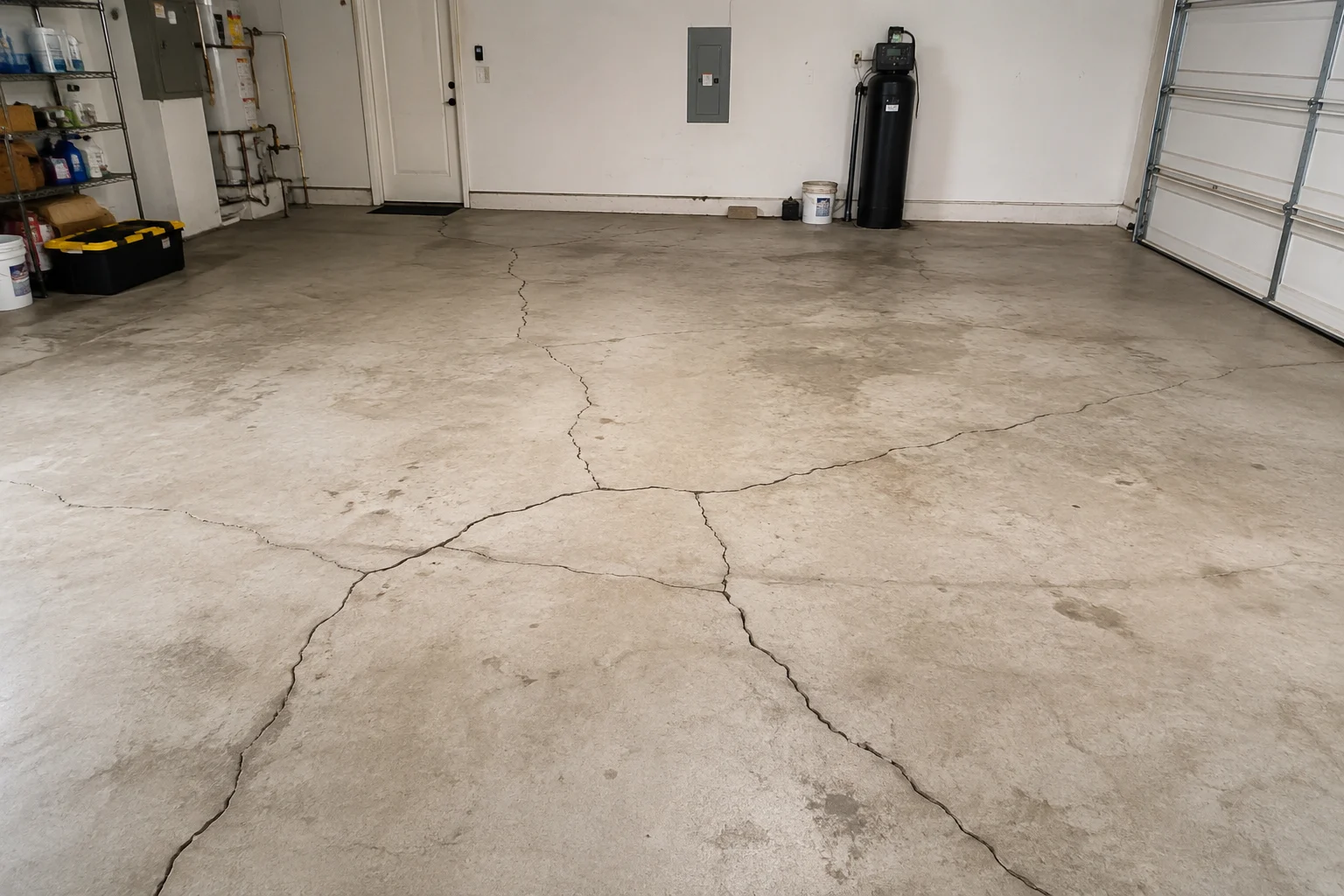
The old coating is normally ground off first. Coat over a failing bond and the failure repeats.
Yes. Coastal properties see airborne chloride year-round, and it settles and concentrates wherever a coating terminates.
Near the water we specify UV-stable, chemically resistant topcoats and pay closer attention to sealing edges and transitions. A system that performs perfectly a few miles inland can chalk and amber within two seasons on a barrier island.
No, we install year-round. Polyaspartic and polyurea systems cure across a wider humidity range than standard epoxy. What we won't do is coat a slab that tests above the manufacturer's moisture limit, in any season.
Residential floor coating generally does not require a building permit in South Florida. Condo buildings and HOA communities frequently have their own approval process, particularly for shared garages and balconies.
Yes. We work throughout Broward, Miami-Dade and Palm Beach counties. Our shop is in Dania Beach, which puts most of the region within an hour's drive.
Yes. Warehouses, showrooms, kitchens, parking structures and industrial facilities across the region, including night and weekend schedules to avoid operational downtime.
Common signs are white powdery efflorescence, dark damp patches that come and go, or a previous coating that peeled in sheets. None are conclusive — the slab has to be tested, which we do before quoting.
One to two days. Grinding, crack repair and the base coat on day one; the protective topcoat on day two. Longer if the slab needs moisture mitigation or significant concrete repair.