Epoxy Flooring Boca Raton, FL | Garage & Floor Coatings
Thank you! Your submission has been received!
Oops! Something went wrong while submitting the form.


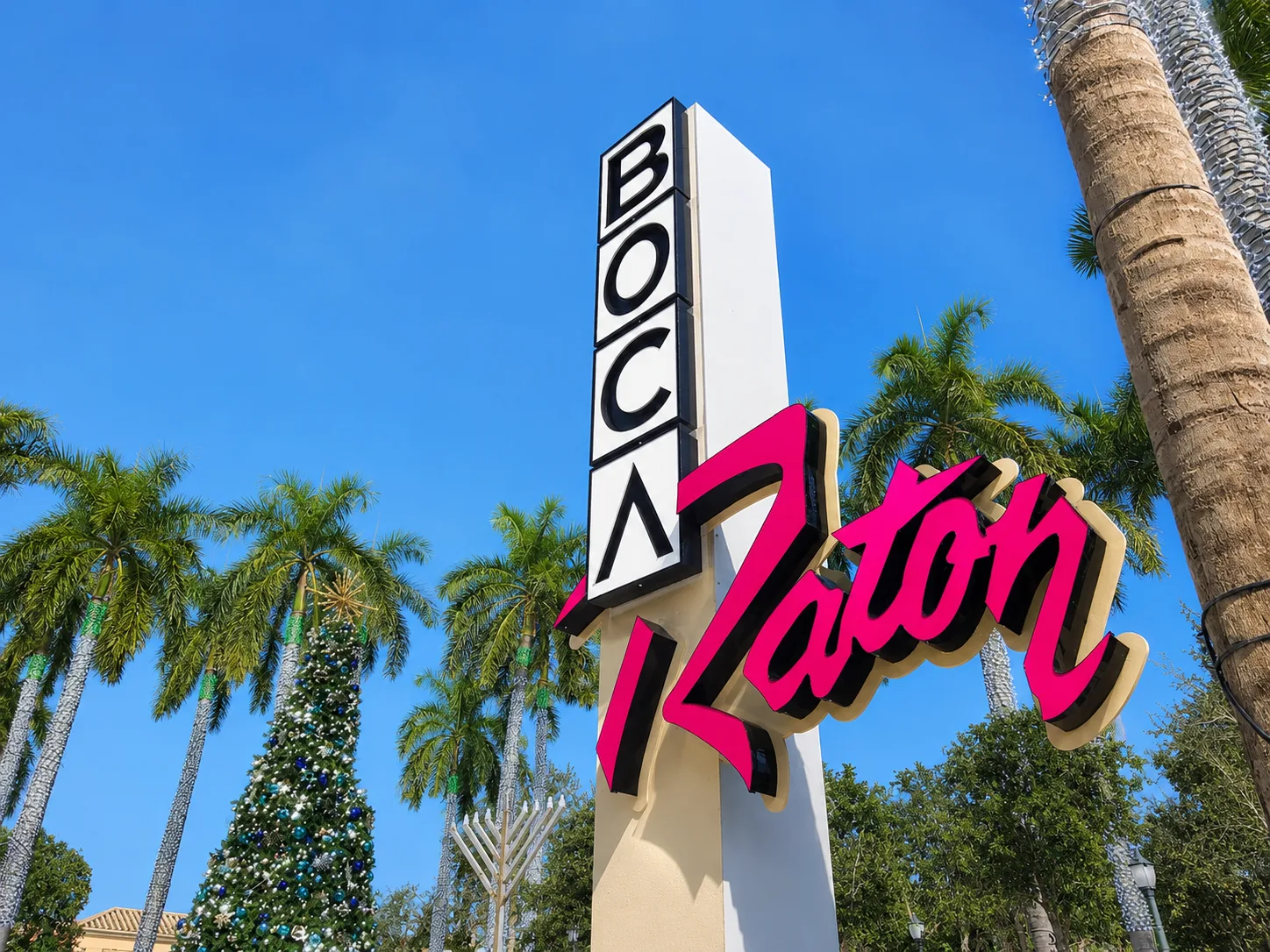
Boca Raton is three flooring problems inside one city limit. East of the Intracoastal, salt sits on every exposed slab. Through the center, houses from the fifties and sixties were poured onto fill with no vapor barrier. West of the Turnpike the concrete is new and the real constraint is the community's design review.
So the system follows the slab and the location, not a color chart. Garages near the water get UV-stable topcoats with every termination sealed. Older central slabs are tested to ASTM F1869 or F2170 before anything is specified. Behind the gate we supply flake samples for architectural review before scheduling.
Most Boca Raton floors we look at fall into one of three situations, and each one changes what we recommend.
Near the water. East of the Intracoastal, salt air settles on every exposed slab and the overhead-door line takes direct afternoon sun. Here we specify UV-stable aliphatic topcoats and seal every edge and termination so moisture and salt have no way under the coating.
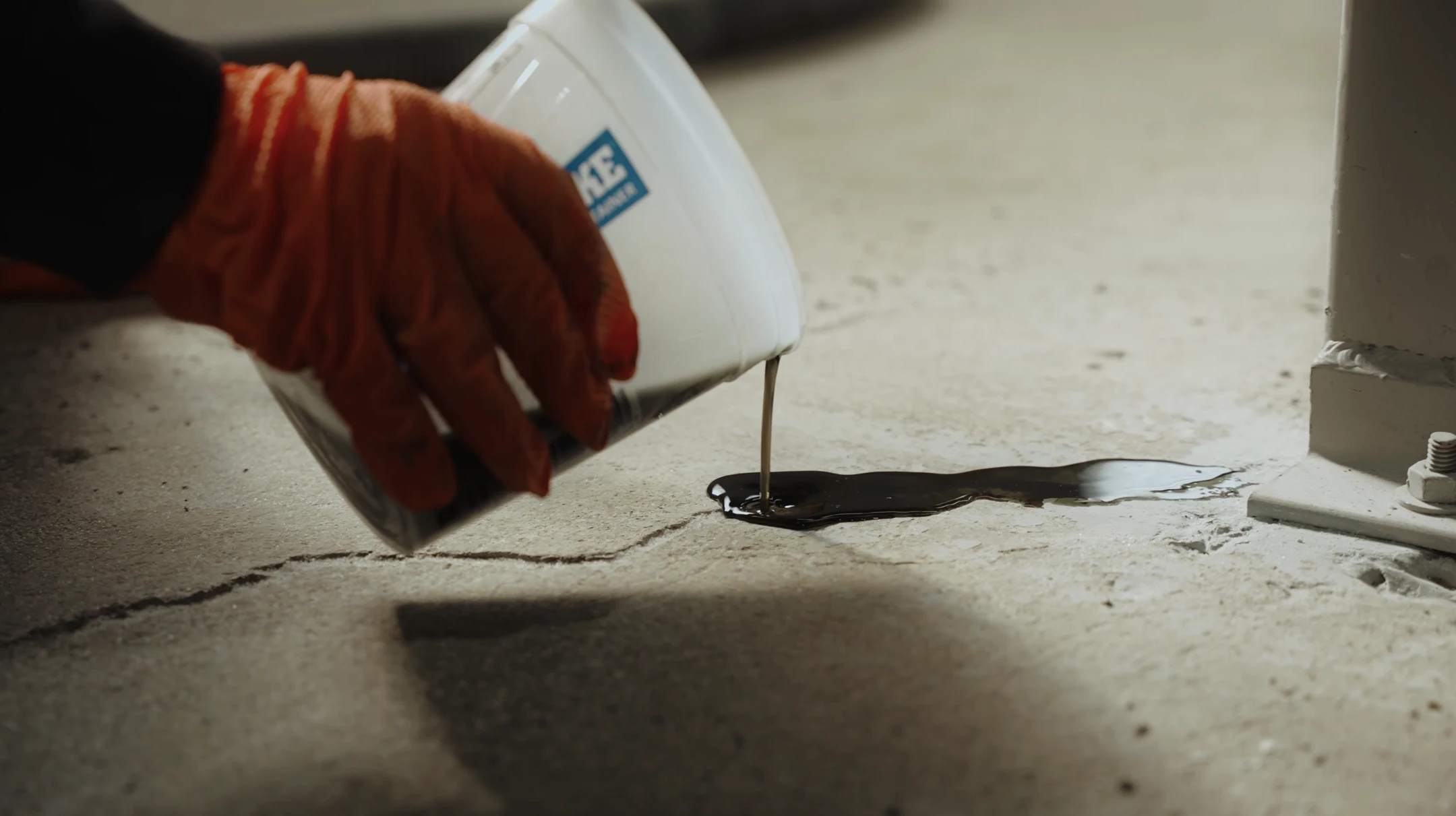
Older central neighborhoods. Many homes through the middle of the city were built in the fifties and sixties, often without a vapor barrier under the slab. Before we recommend a system, we test moisture to ASTM F1869 or F2170. If the readings call for it, a moisture-mitigating primer goes down first. Skipping that step is a common cause of blistering garage coatings.
Newer communities west of the Turnpike. The concrete is usually sound. The real constraint is the community's design review, so we supply flake samples for architectural approval before we put you on the schedule.
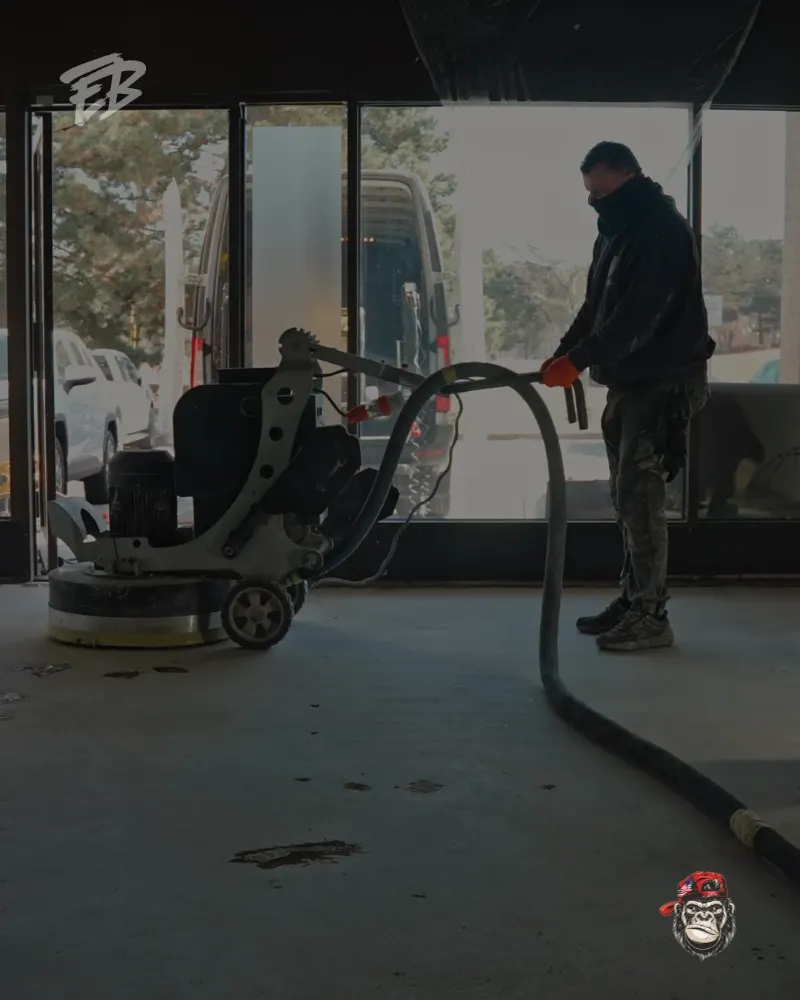
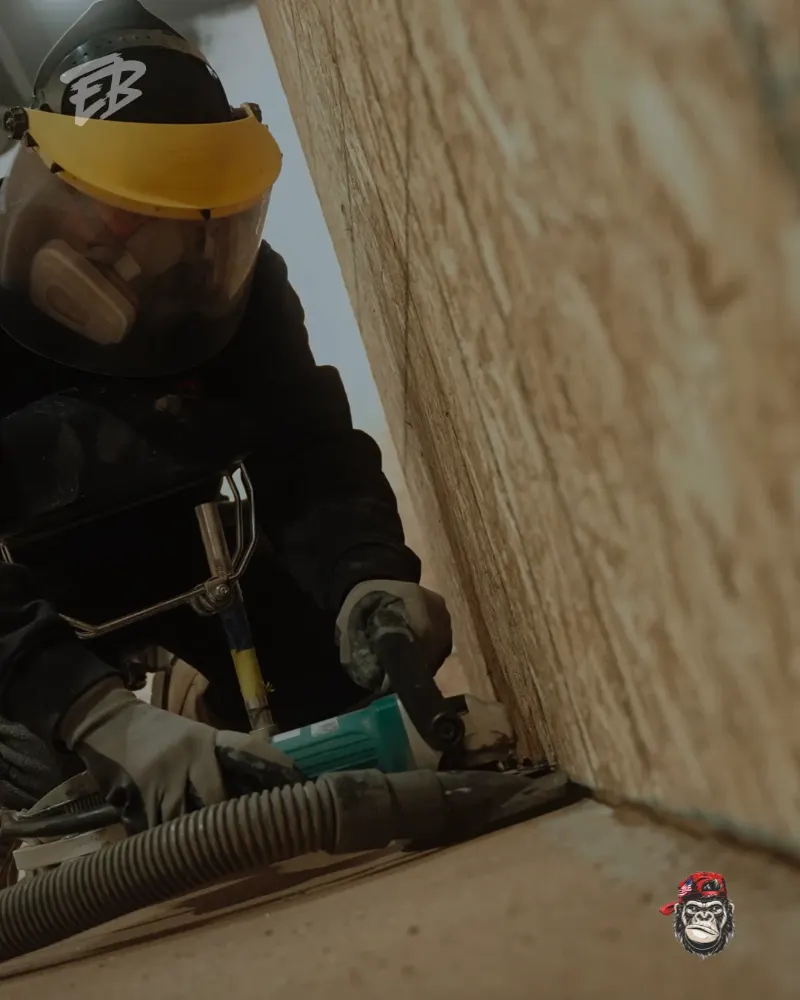
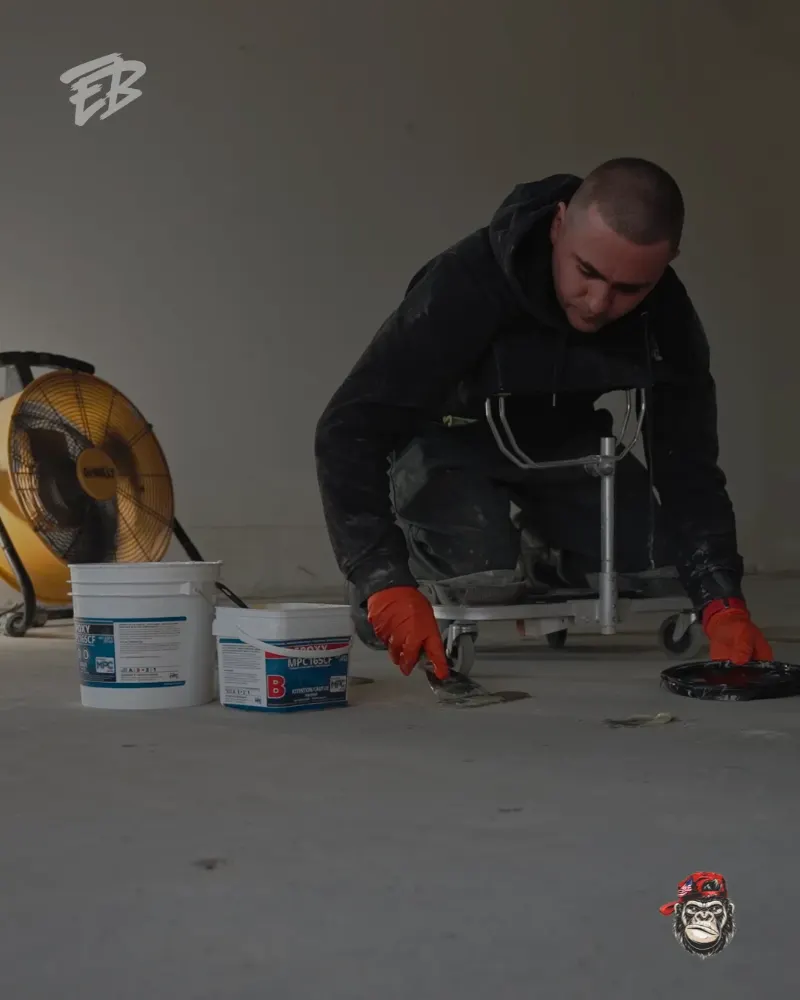
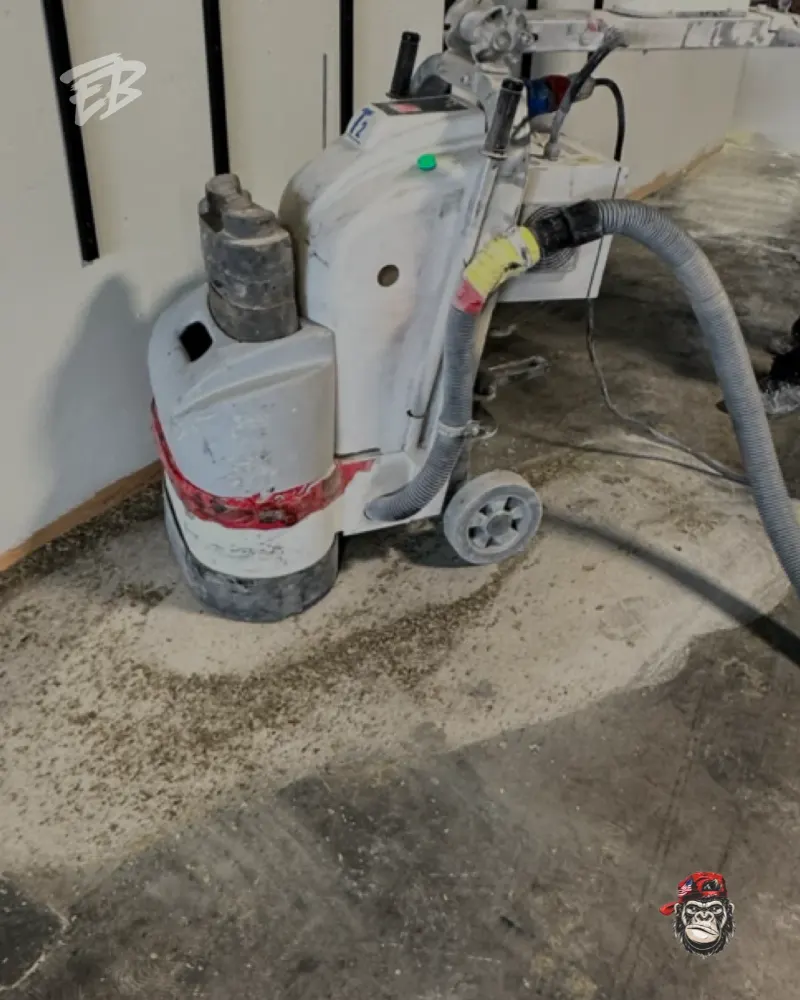
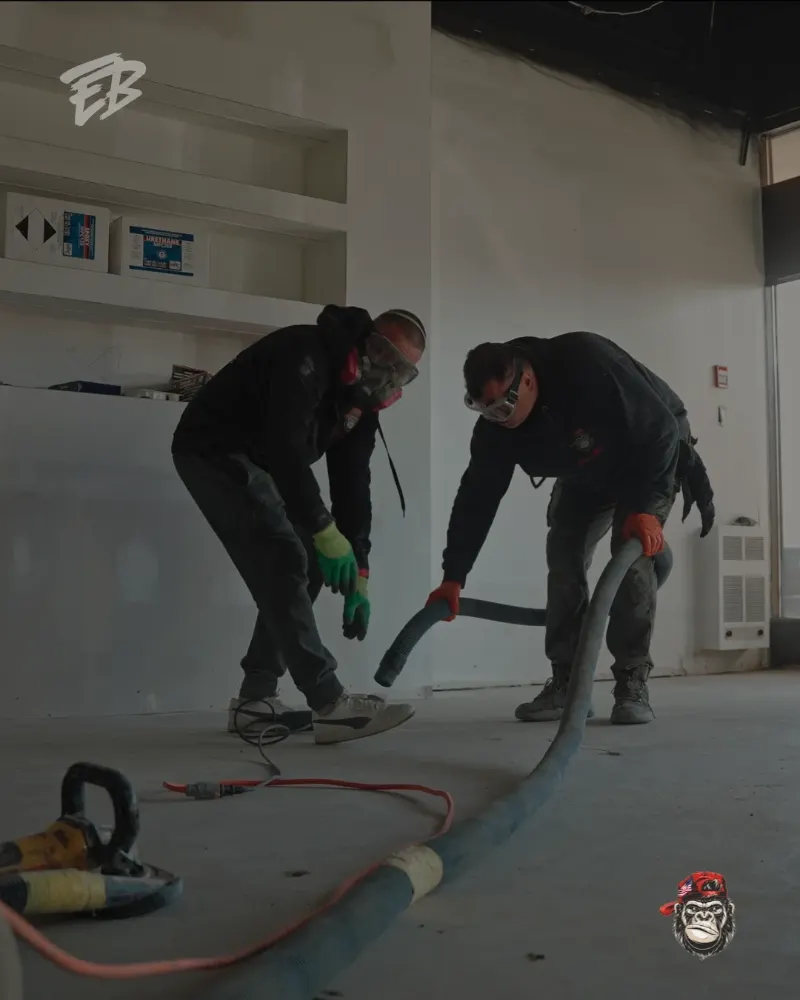
In all three cases the slab is diamond ground, cracks are repaired and the coating is built for heat, humidity and hot tires, not picked from a color chart alone.
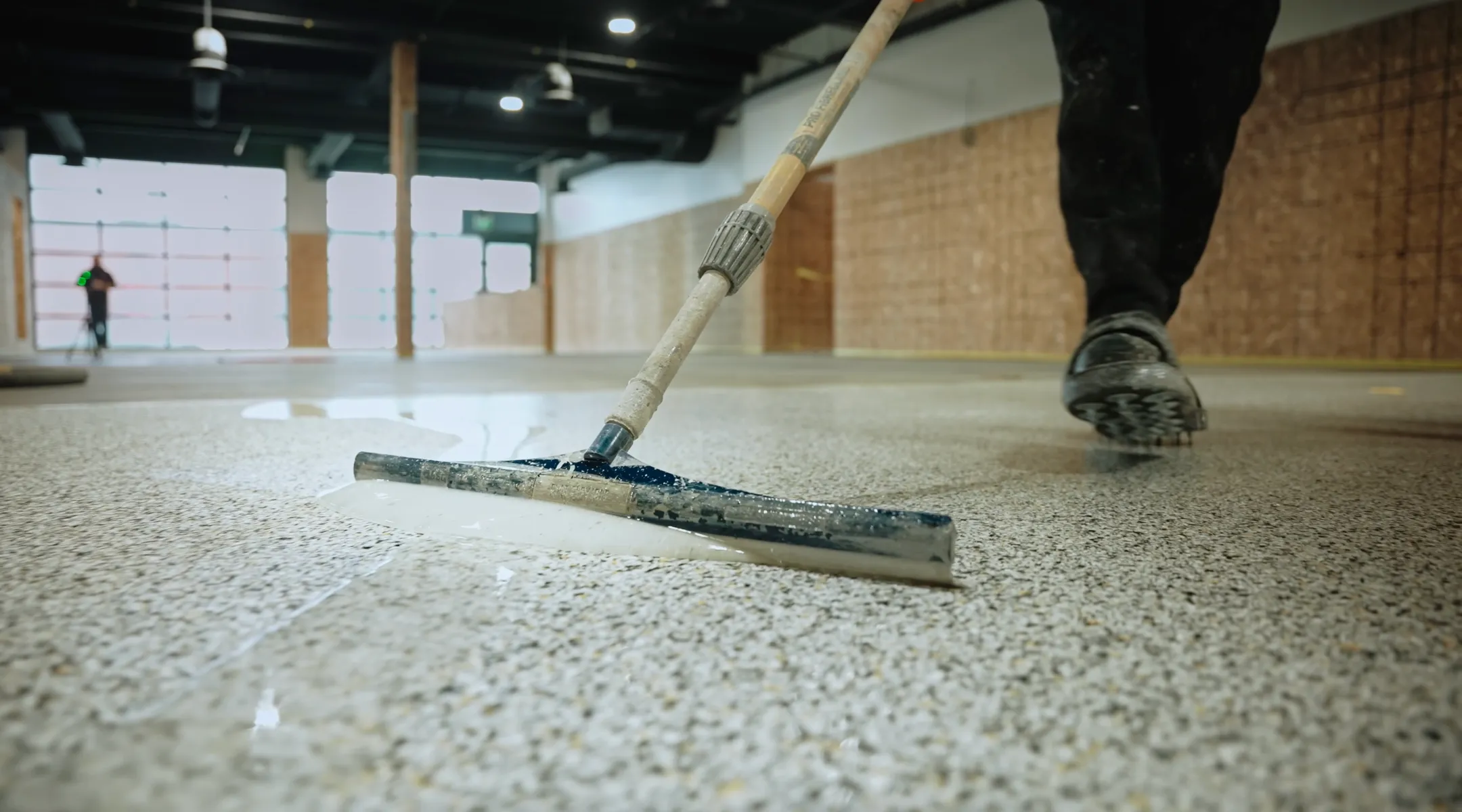
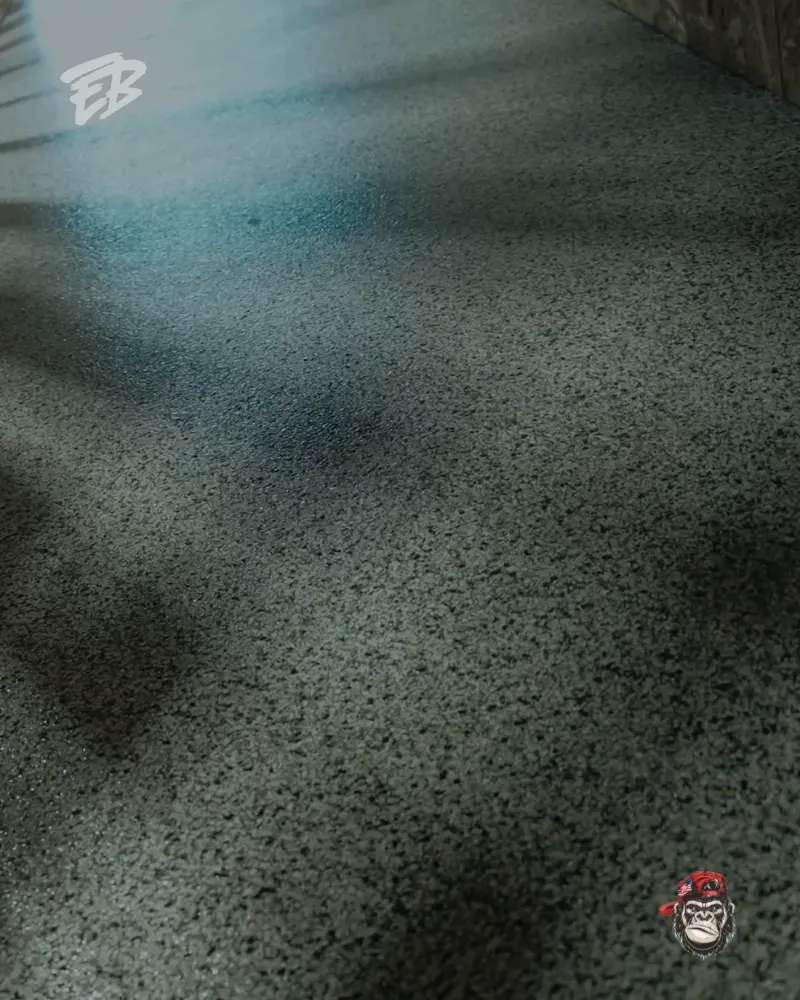
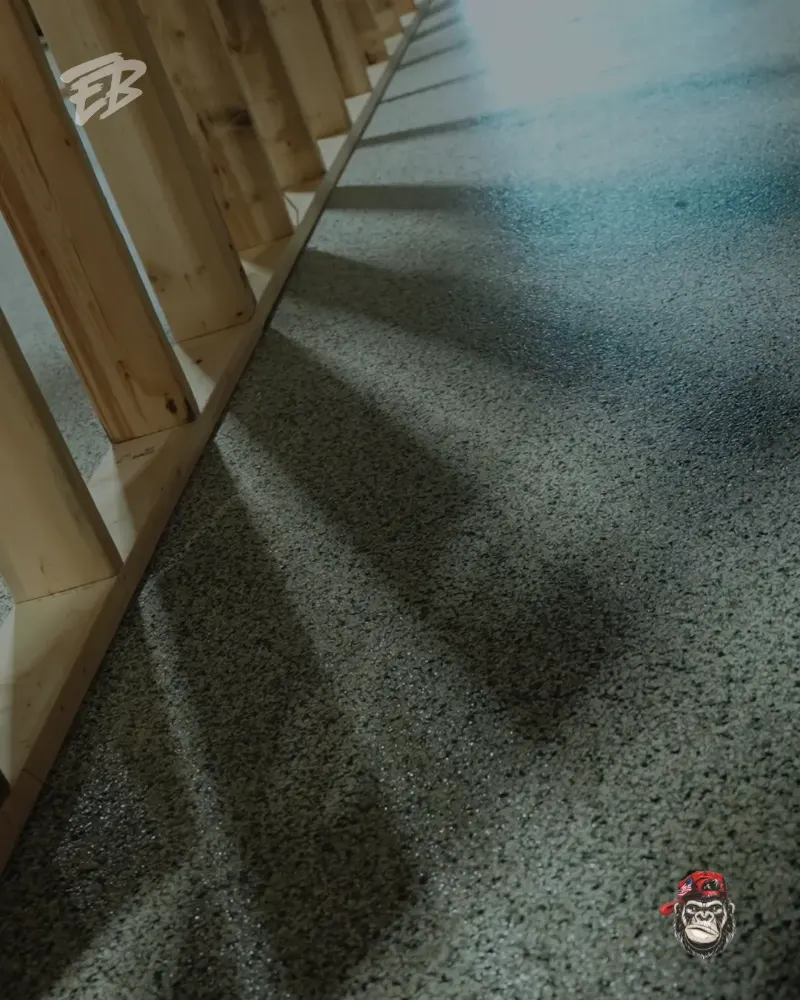
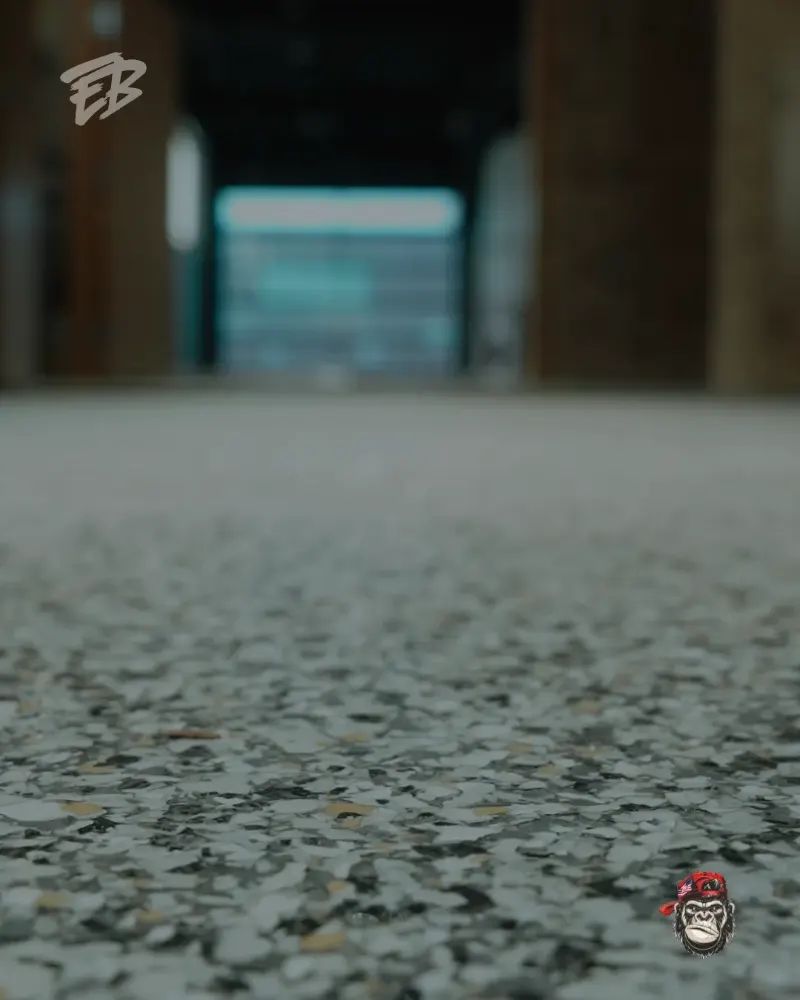
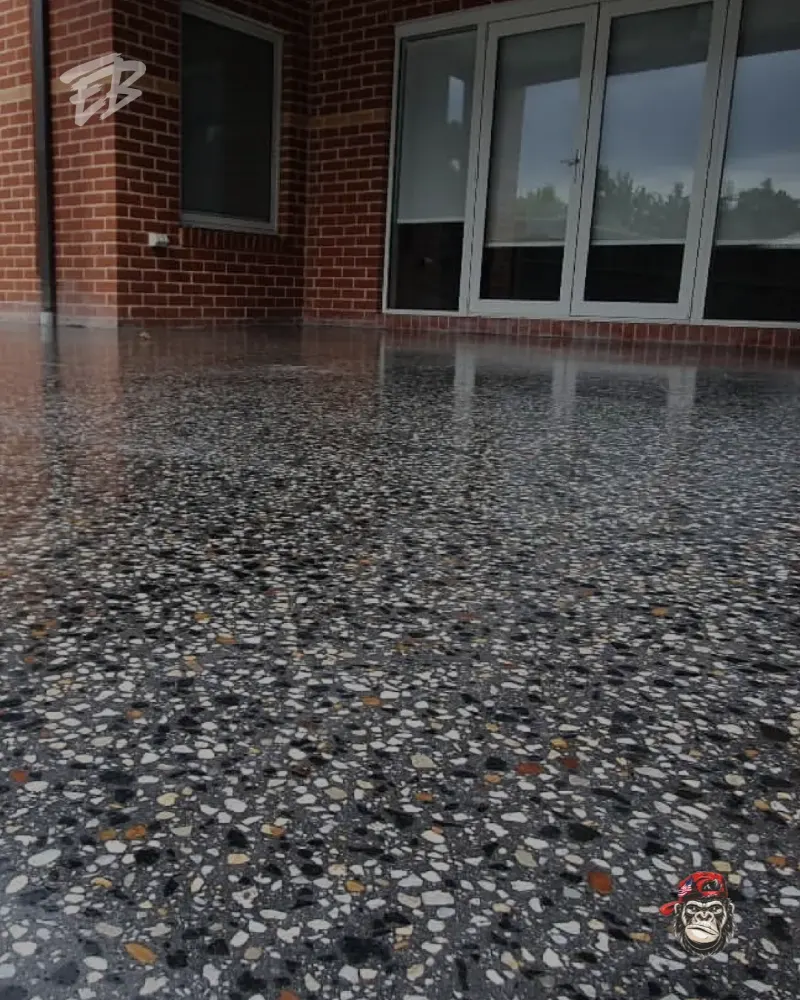
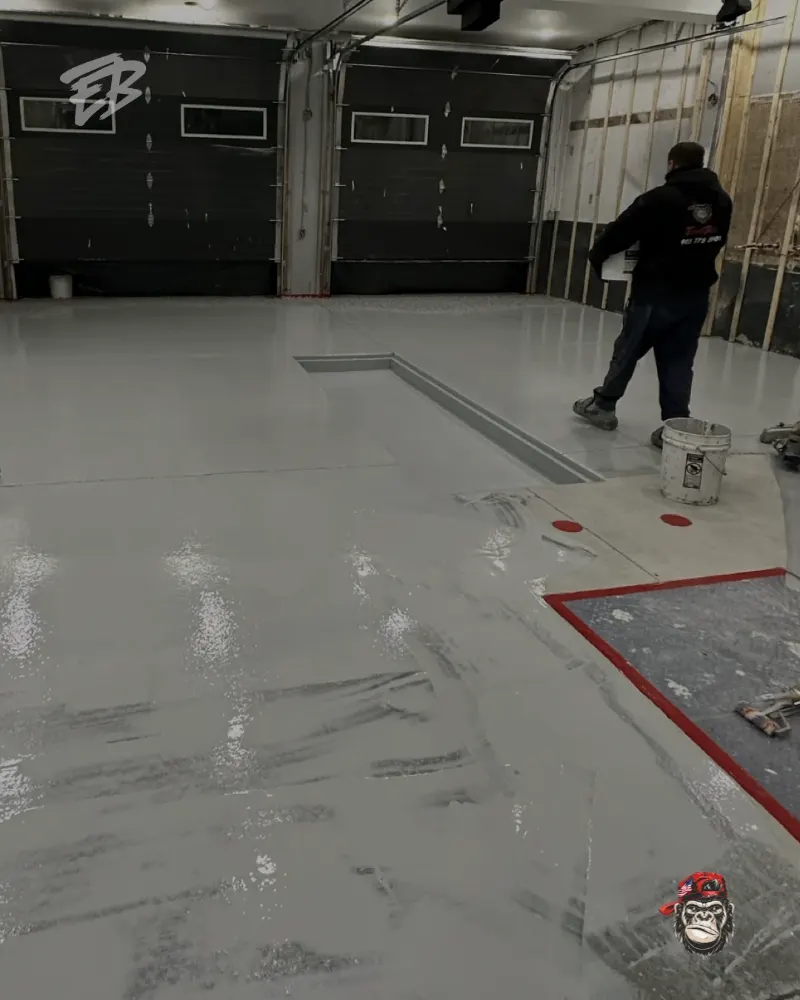
Full-broadcast flake over an epoxy or polyaspartic base, finished with a clear polyaspartic topcoat. On a 2,362 sq ft new-construction garage in Boca Raton we diamond ground the slab, treated minor cracks, broadcast flake to full coverage and sealed it under a polyaspartic topcoat, with fine aluminum oxide added for texture. See the flake system.
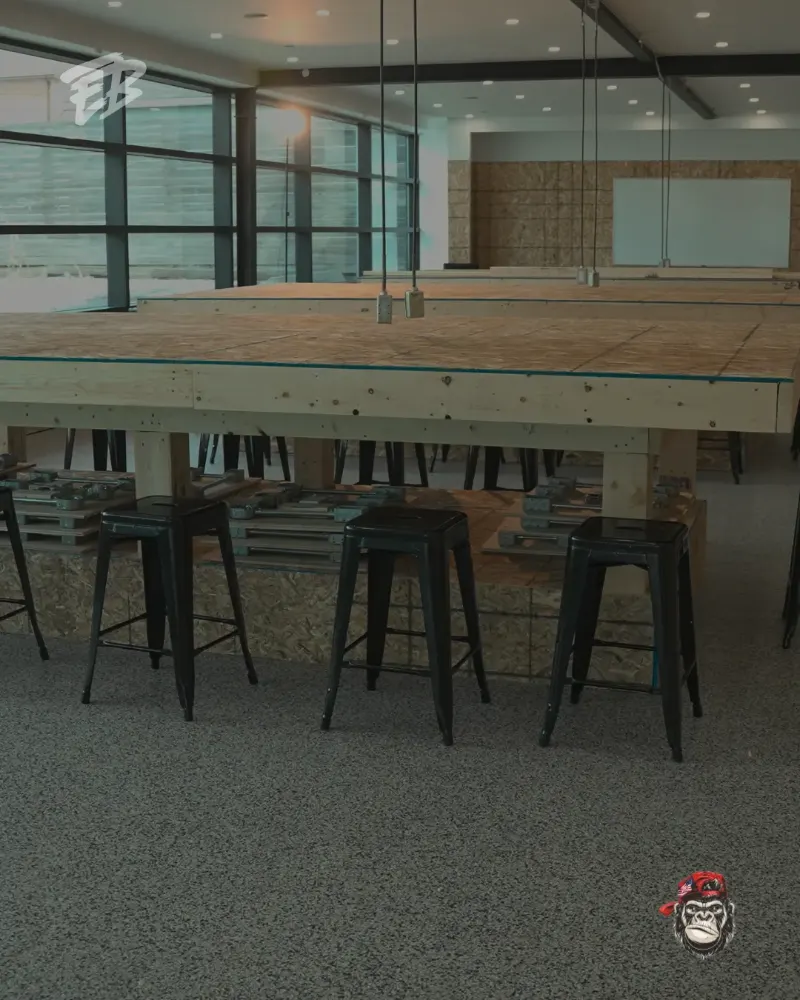
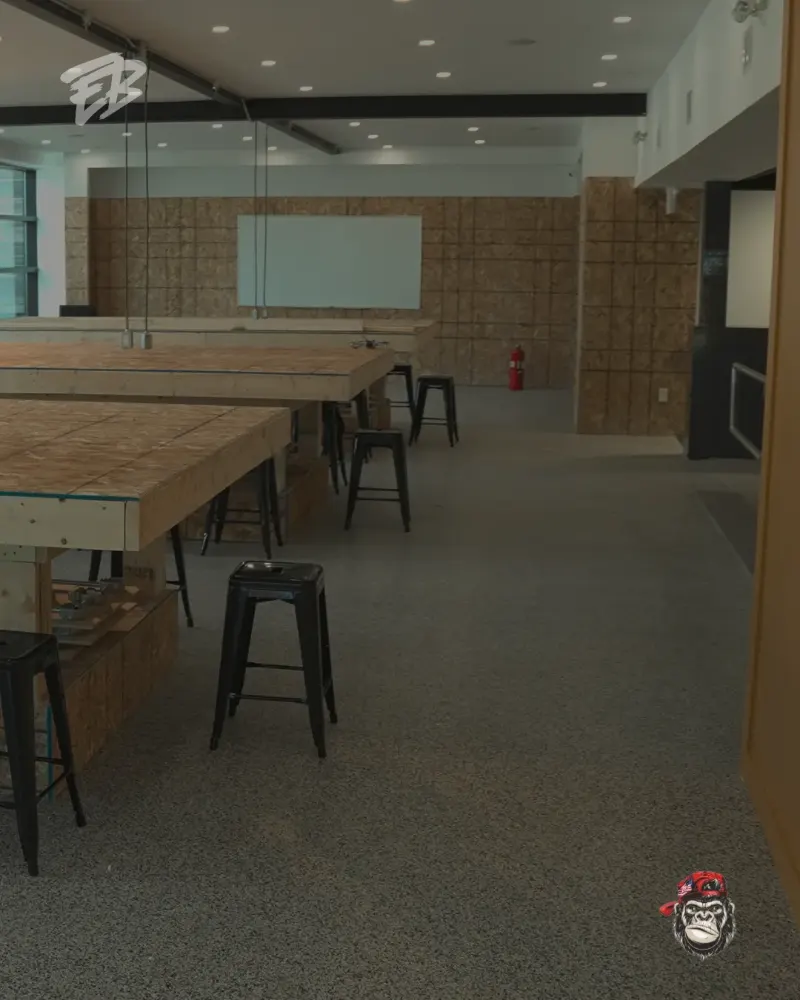
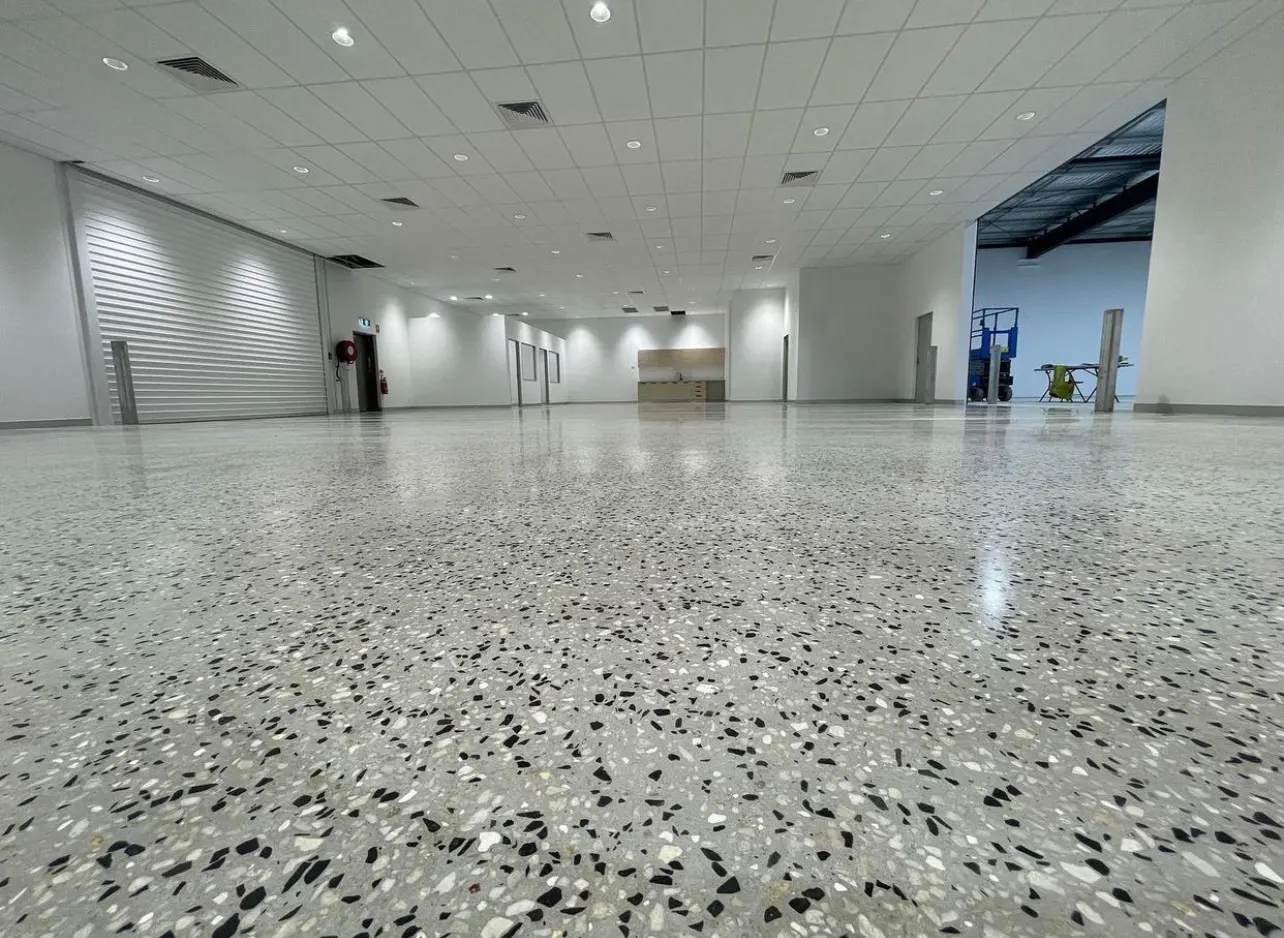
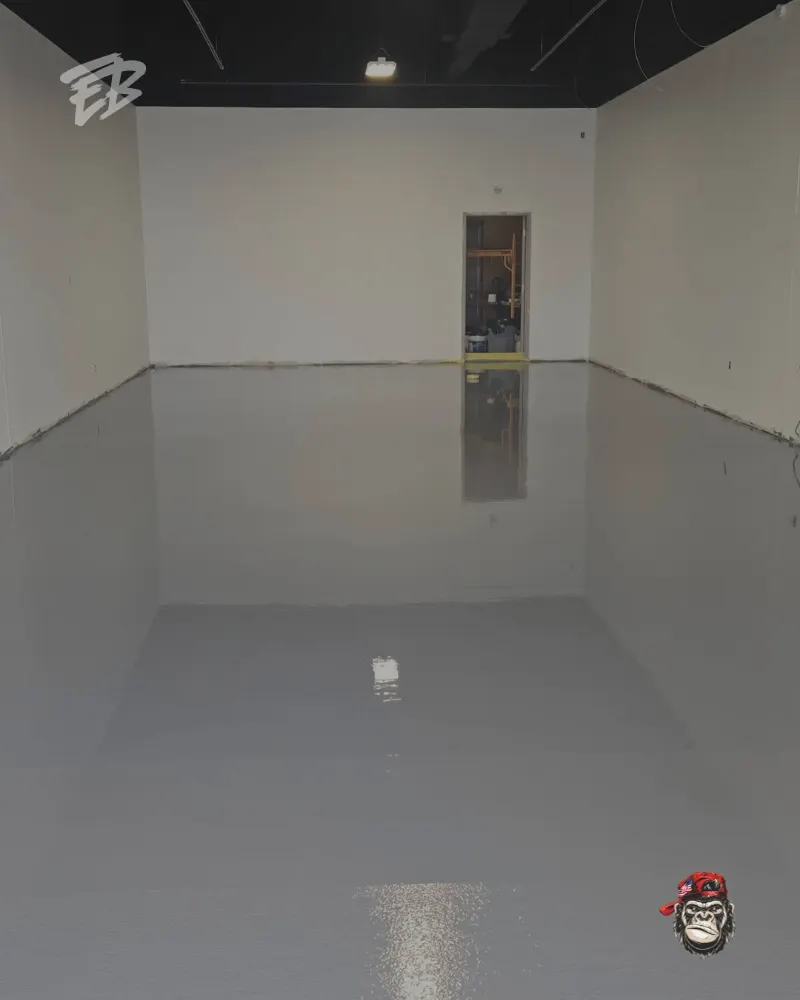
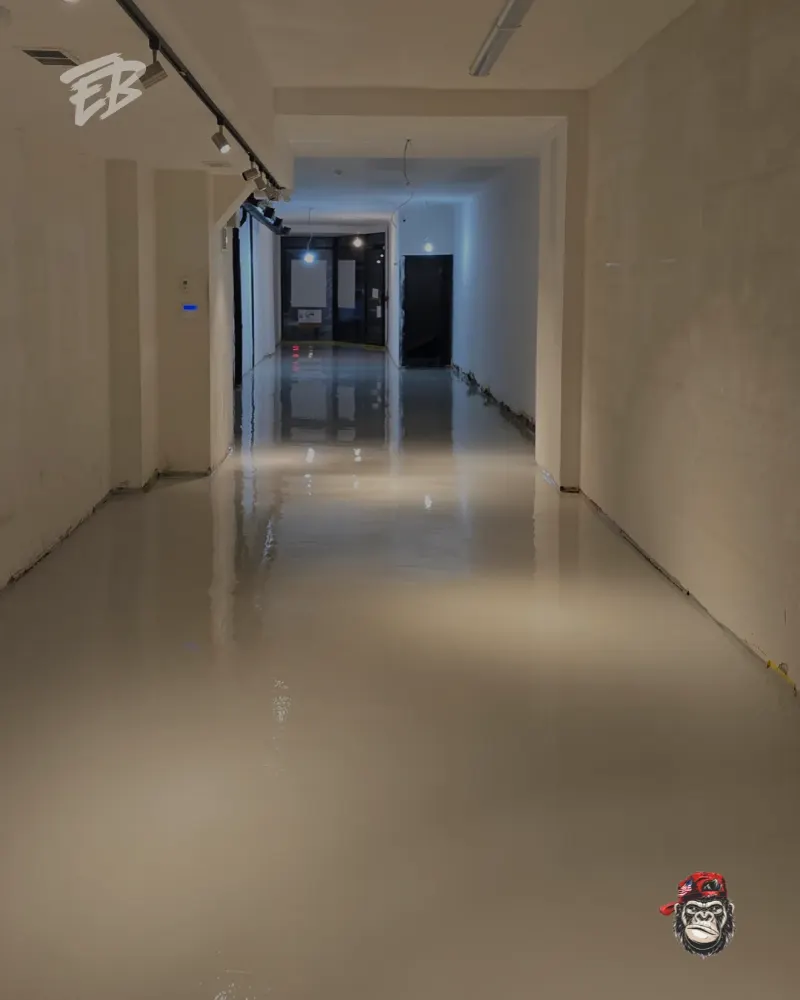
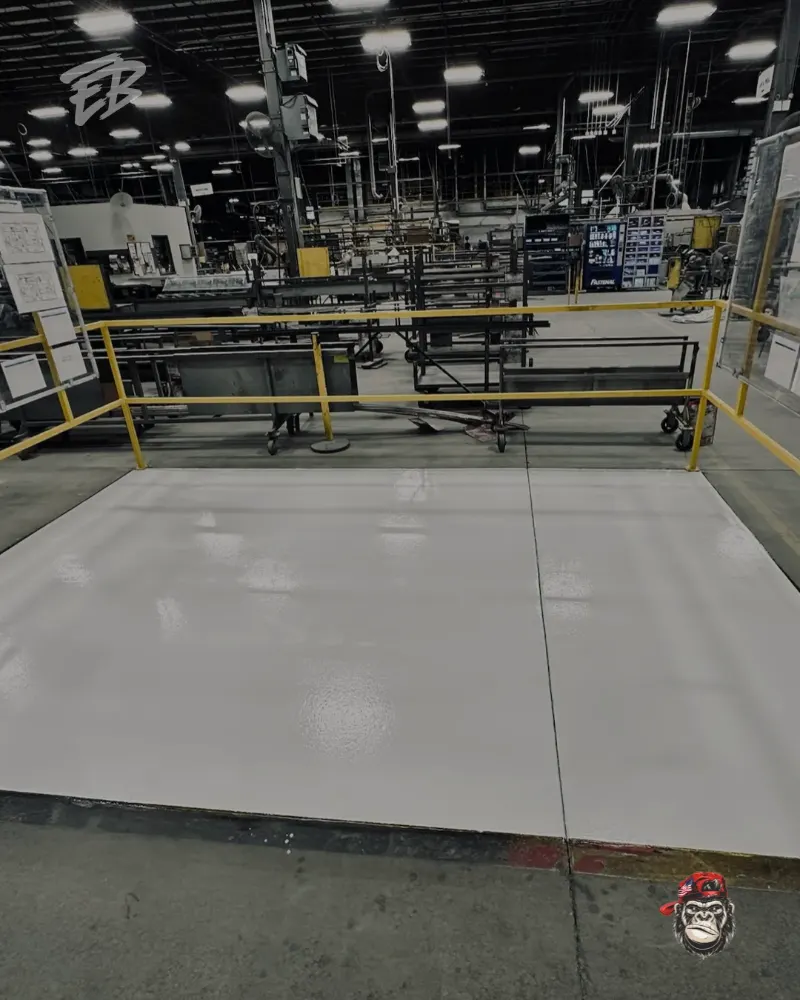
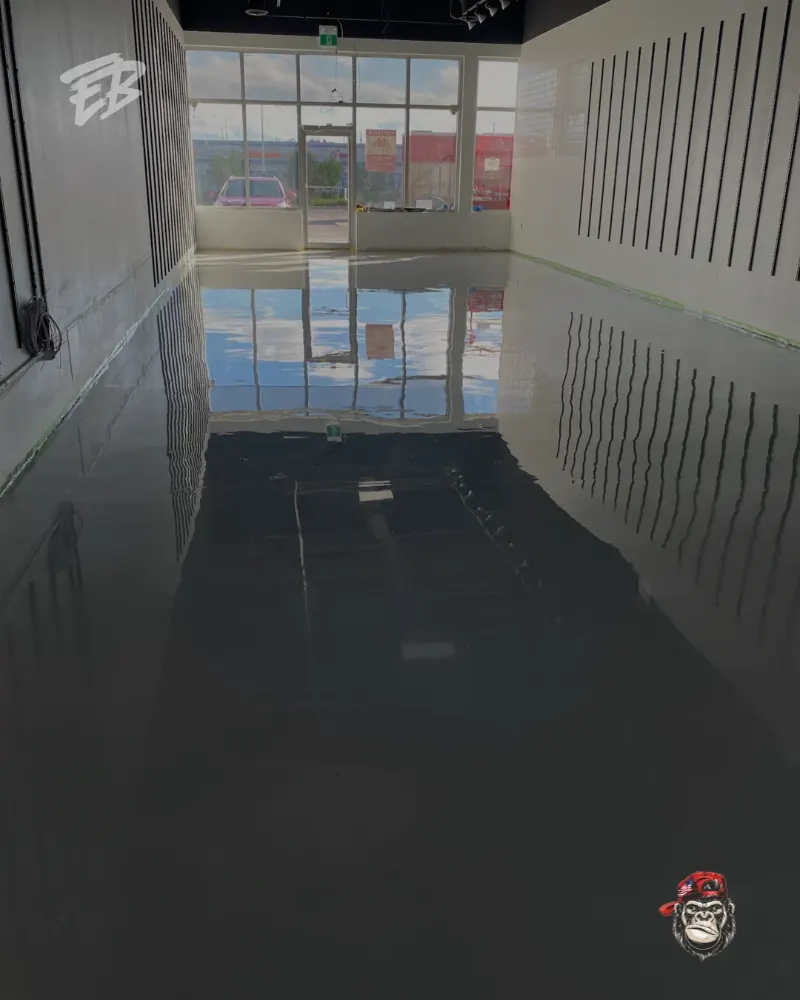
Showrooms, detailing and wrap shops need light, a clean surface and a finish that holds up to vehicle traffic. Near the Federal Highway corridor we coated a 20,000 sq ft automotive customization facility with a white epoxy basecoat and a high-gloss aliphatic polyurethane topcoat, with cracks repaired in fast-curing polyurea first. Commercial epoxy flooring.
Outdoor concrete in Boca faces full sun, rain and pool chemicals. These areas need slip resistance and UV-stable finishes rather than an interior garage system. Patio coatings, pool deck coatings and driveway coatings.
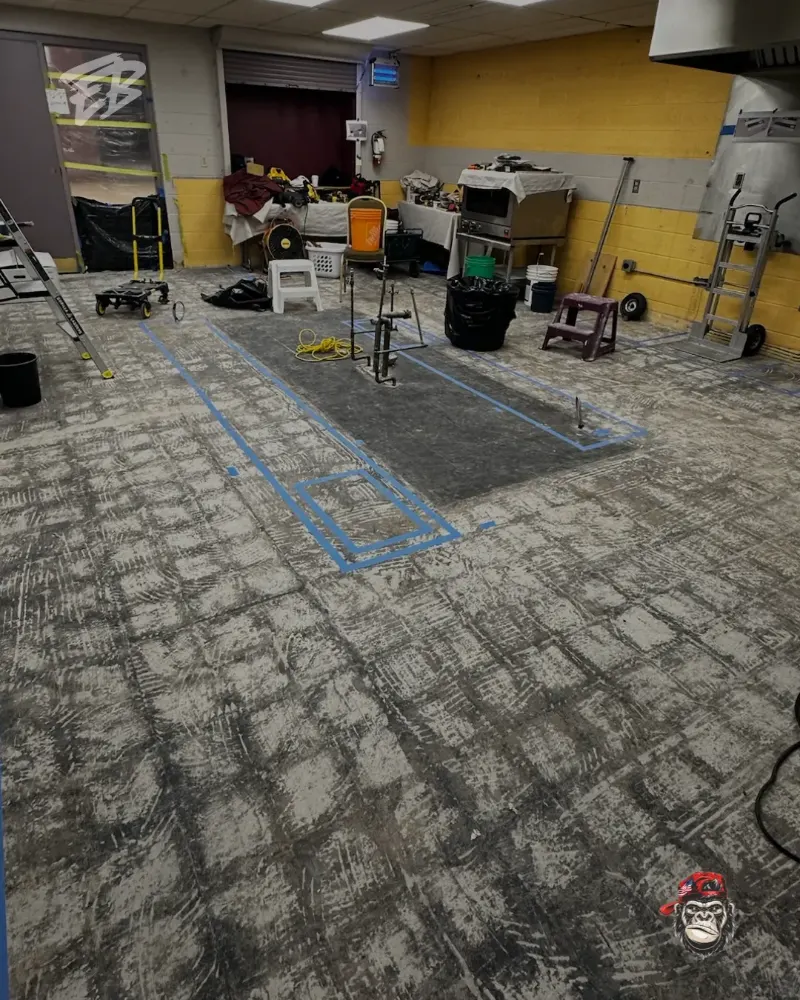
If an earlier coating is lifting or peeling, it has to come off before anything new goes down. We remove it mechanically and find out why it failed, usually moisture or poor preparation, before recoating. Floor coating removal.


Usually yes. Age by itself is not the problem — moisture coming up through the slab is, and a lot of older houses here were built without a barrier underneath.
We check the slab before quoting. If the reading is high we put a barrier down first; if it is clean, nothing extra is needed.
No, it comes up constantly and we plan for it. With the garage door open the floor counts as something the neighbors see, so the board usually wants to sign off on the color first.
We bring physical samples you can submit and schedule the install once you have approval, so the floor is never done twice.
Yes, and on most buildings it is expected. Management normally wants written approval and proof of insurance naming the association before anyone starts.
We provide the documents and phase the work so residents keep access while it is under way.
Not a problem, but it does change what we put down. Salt in the air is hard on a coating, and the first place it shows is around the edges and the door line rather than in the middle of the floor.
Close to the water we use a topcoat made for that exposure and seal the edges properly instead of running the coating to the wall and calling it done.
Yes, and where a space is in use during the day it is usually the sensible way to do it.
We phase the work into evenings and weekends and agree the sequence before starting, so you know exactly which areas are out of use and when.
Usually yes. Stains and old patches sit at the surface, and grinding takes that layer off before anything is applied.
What we check for underneath is moisture and structural cracking, since those decide the build rather than the appearance.
Not with a properly bonded system. Hot-tire pickup happens when a coating is thin, poorly bonded or rolled on over unprepared concrete.
We grind rather than acid-etch, so the coating anchors into the slab instead of resting on top of it.
Not with the right finish. A plain epoxy left exposed to daylight ambers and dulls, sometimes within a season, and in Florida most garage doors stay open a good part of the day.
We finish with a UV-stable topcoat, which is what keeps the color where it started.
It comes off. A new system is only as sound as whatever it sits on, and putting fresh material over a failing one simply repeats the failure a year later.
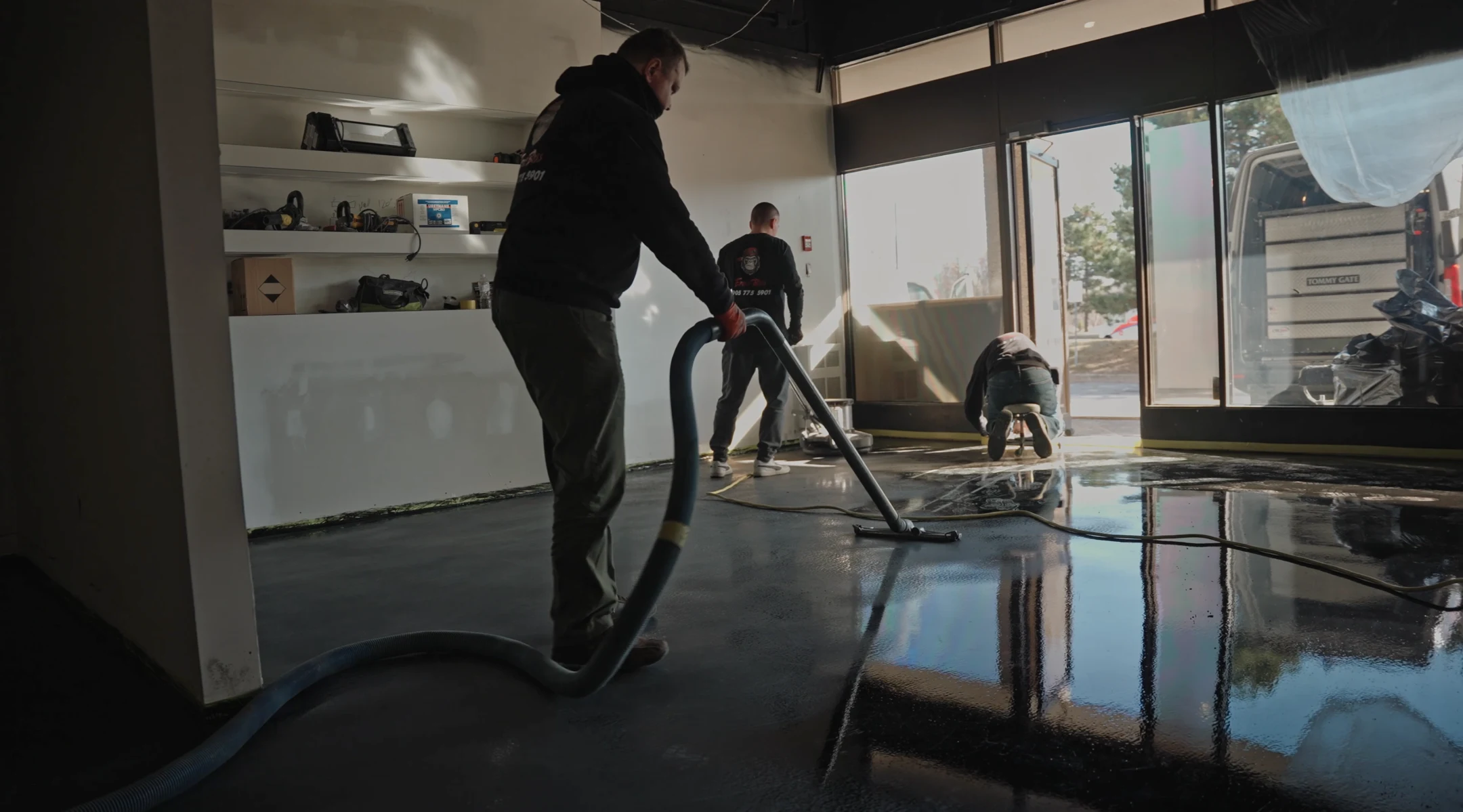
We grind the old coating away mechanically, then assess the concrete underneath on its own condition.
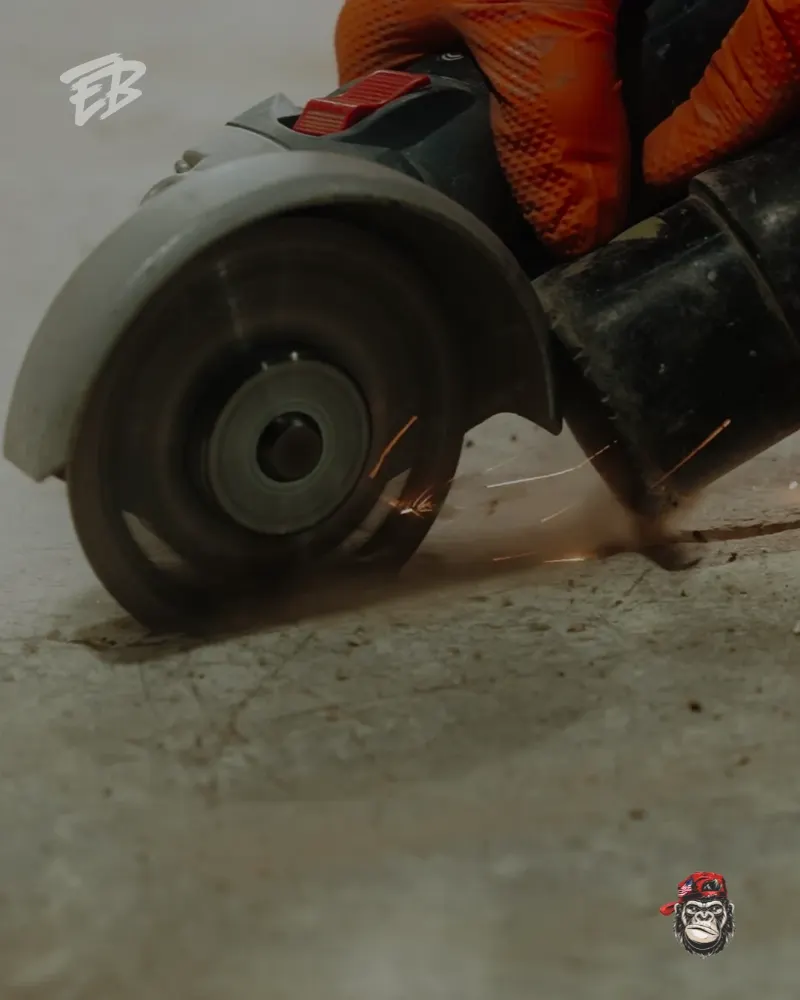
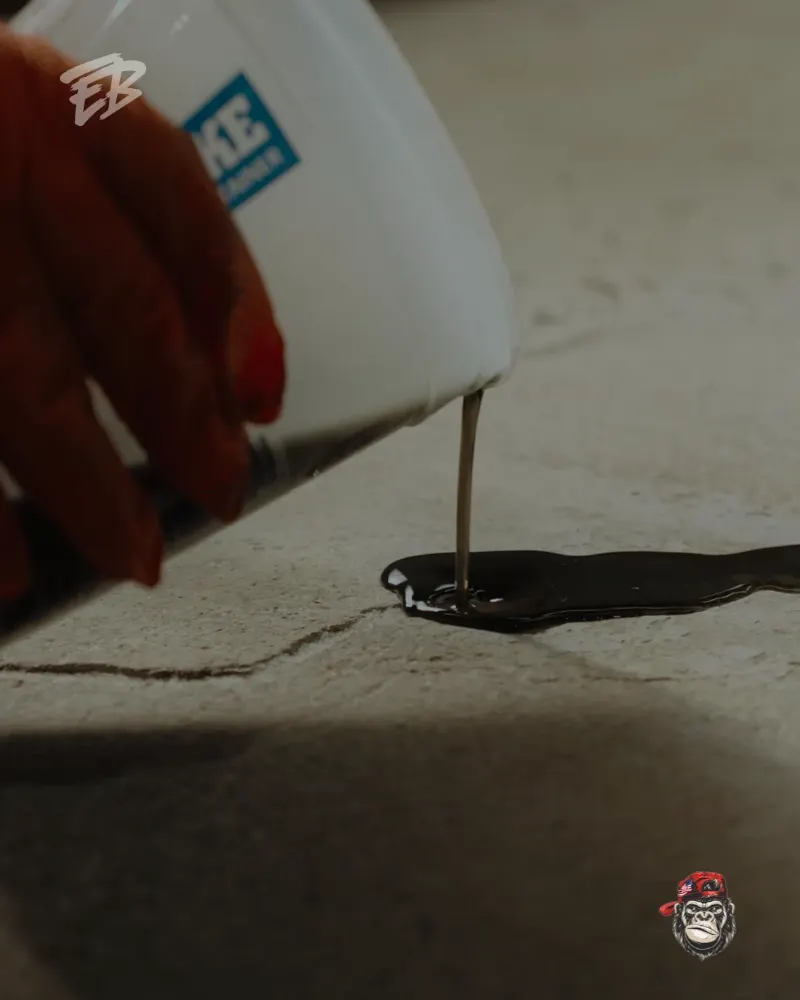
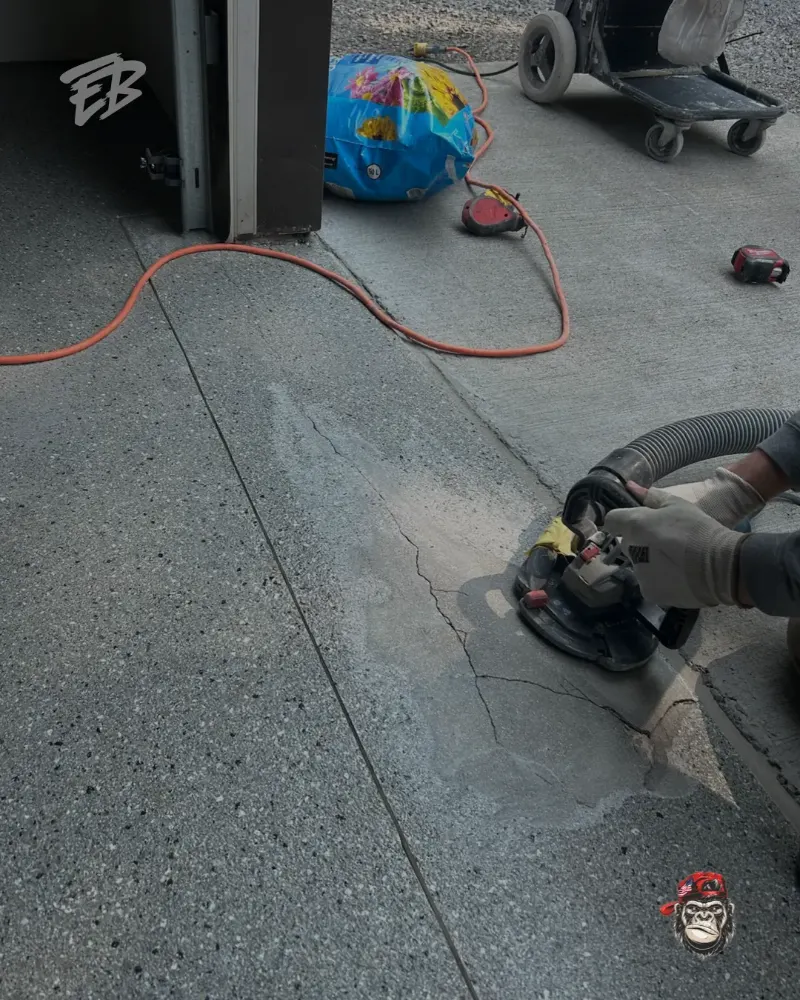
Yes. Cracks, chipped edges and failed patches are repaired as part of the preparation, not treated as an extra afterwards.
A coating does not bridge a moving crack on its own, so the repair has to happen first if the finish is going to stay flat.
You can walk on it the next day. Vehicles need longer, because tires put far more stress on a fresh coating than feet do.
We give you the exact window before we start, so you can plan where the car goes in the meantime.
Yes, the floor has to be completely clear before we start — including shelving and anything fixed along the walls.
If moving heavy items is a problem, tell us when we quote and we will build it into the plan rather than leaving it to the morning of the job.
Our shop is in Dania Beach, about twenty-five miles south on I-95, so Boca is a short run for us.
Most estimates happen within a few days of your call, and installation is usually scheduled soon after.




Boca Raton is part of our Palm Beach County service area. By neighborhood: East Boca Raton, Downtown Boca Raton, Central Boca Raton and West Boca Raton. For offices, showrooms, shops and warehouses, see commercial epoxy flooring in Boca Raton.
Nearby cities: Delray Beach, Boynton Beach, Deerfield Beach, Parkland, Coconut Creek and Pompano Beach.