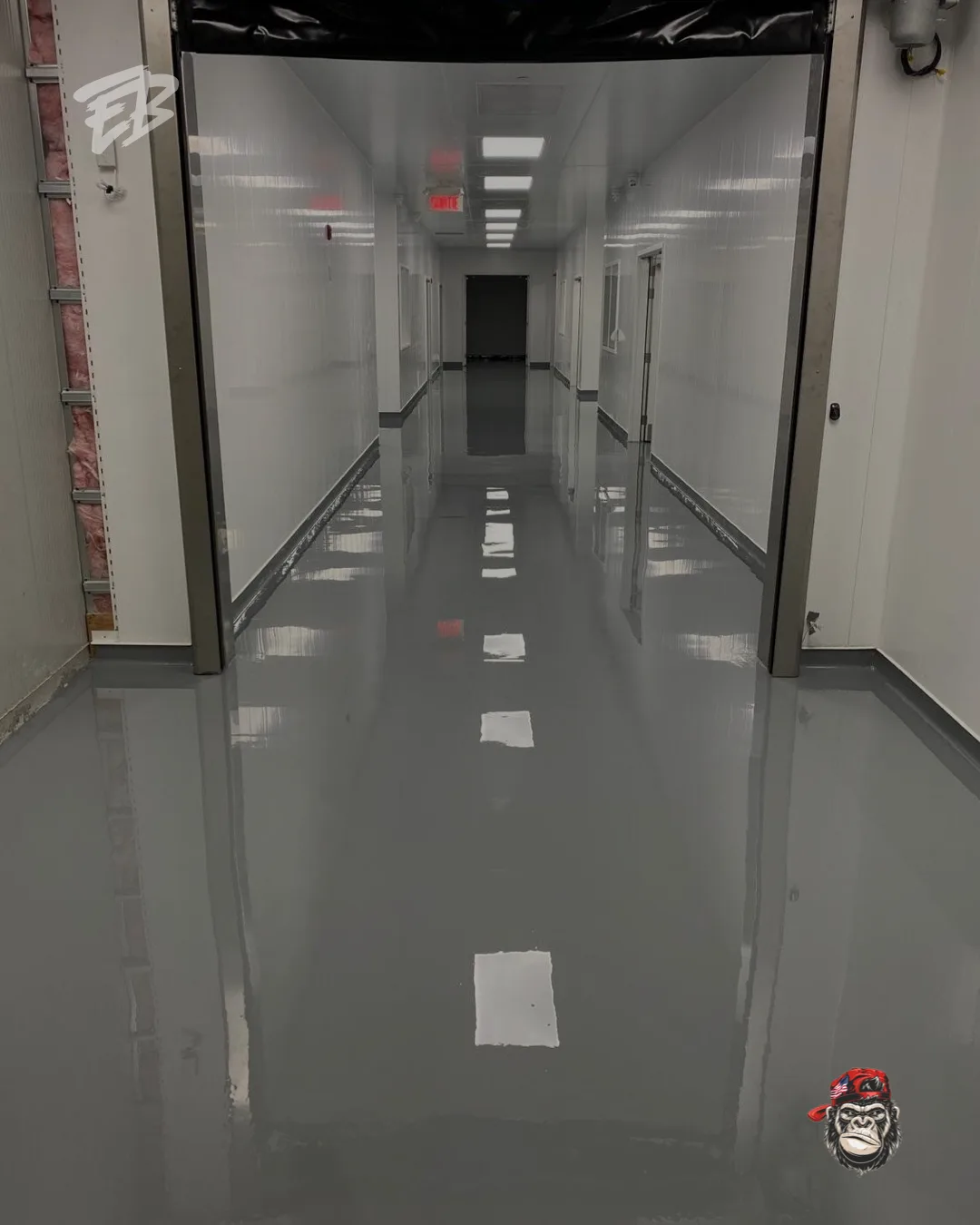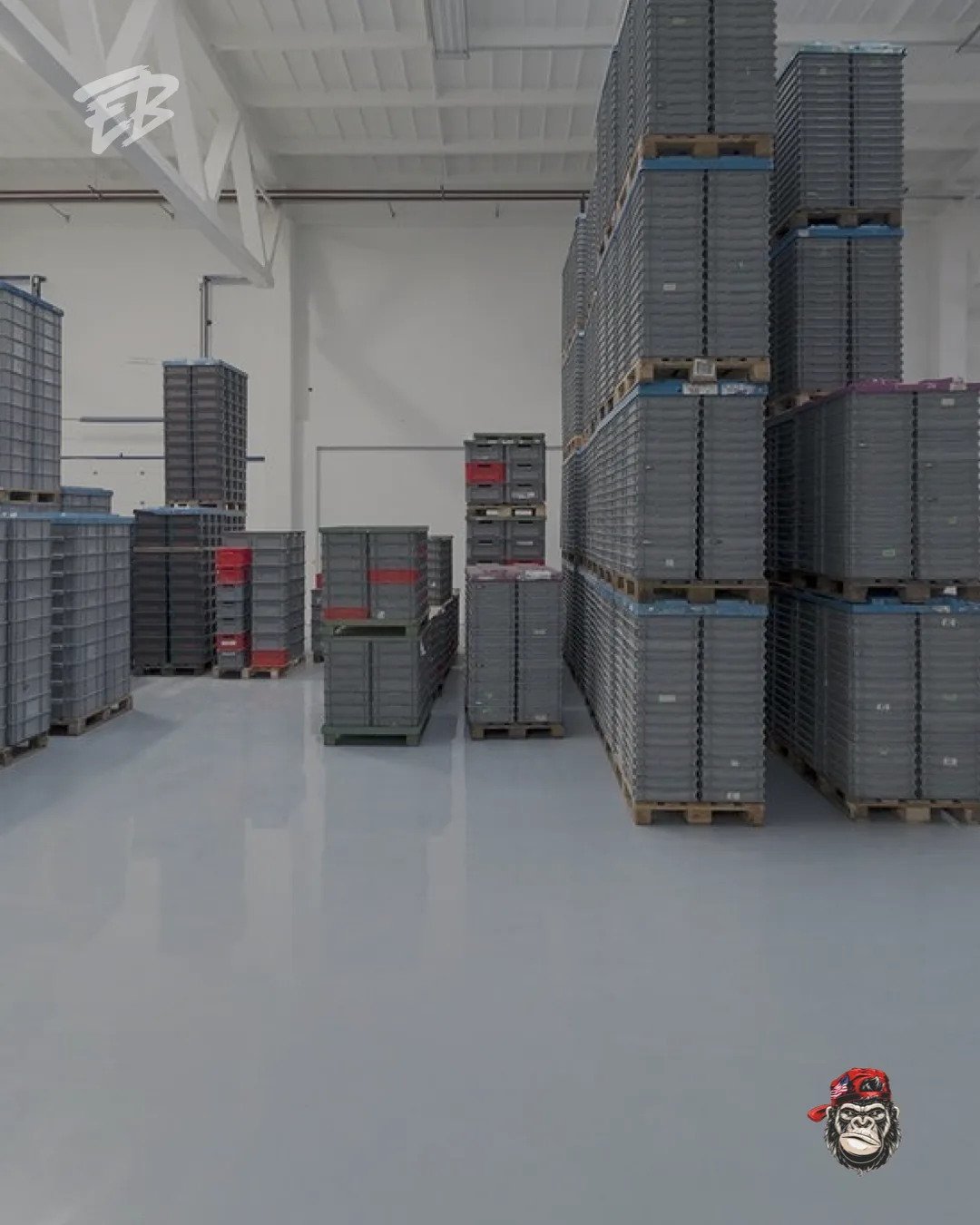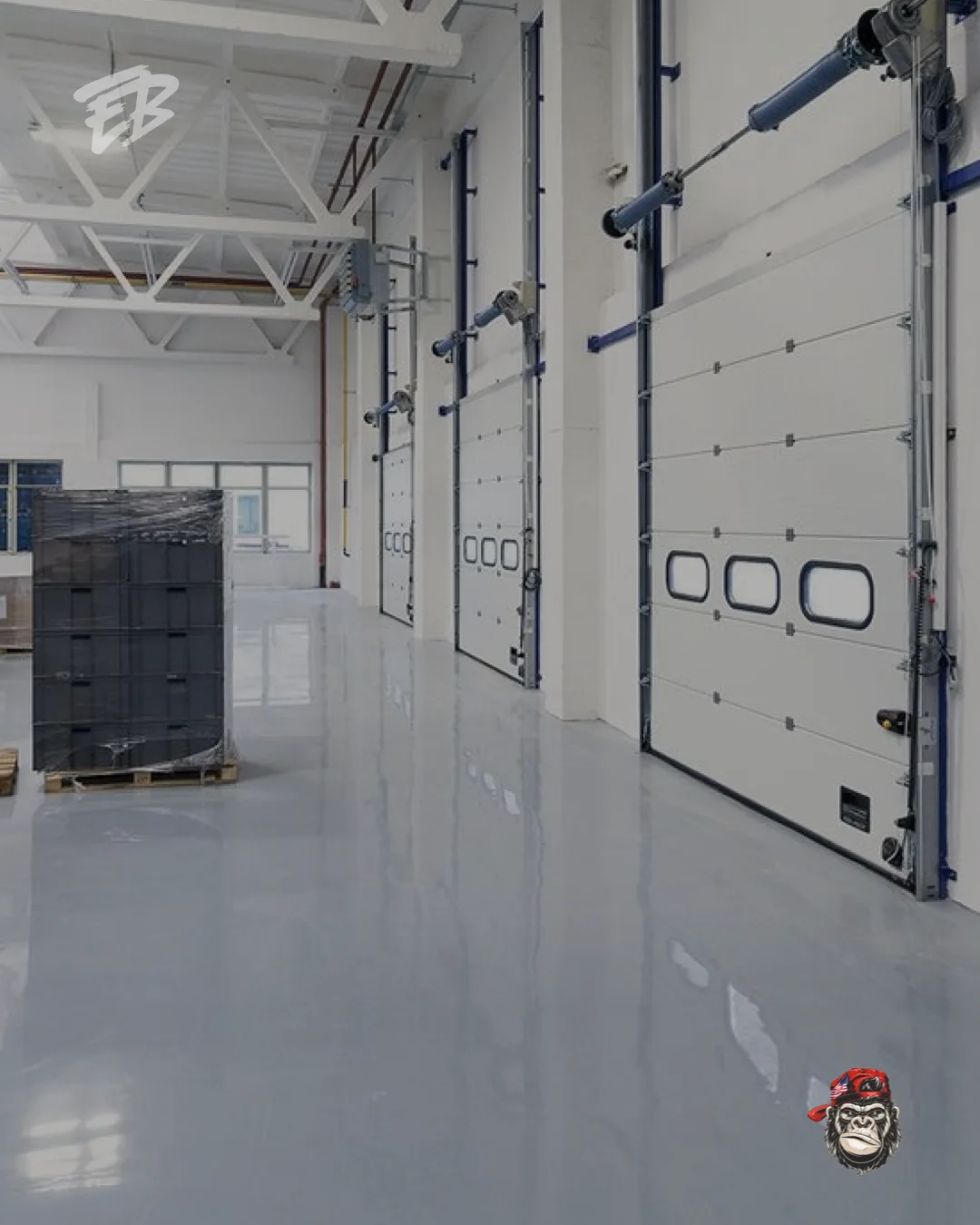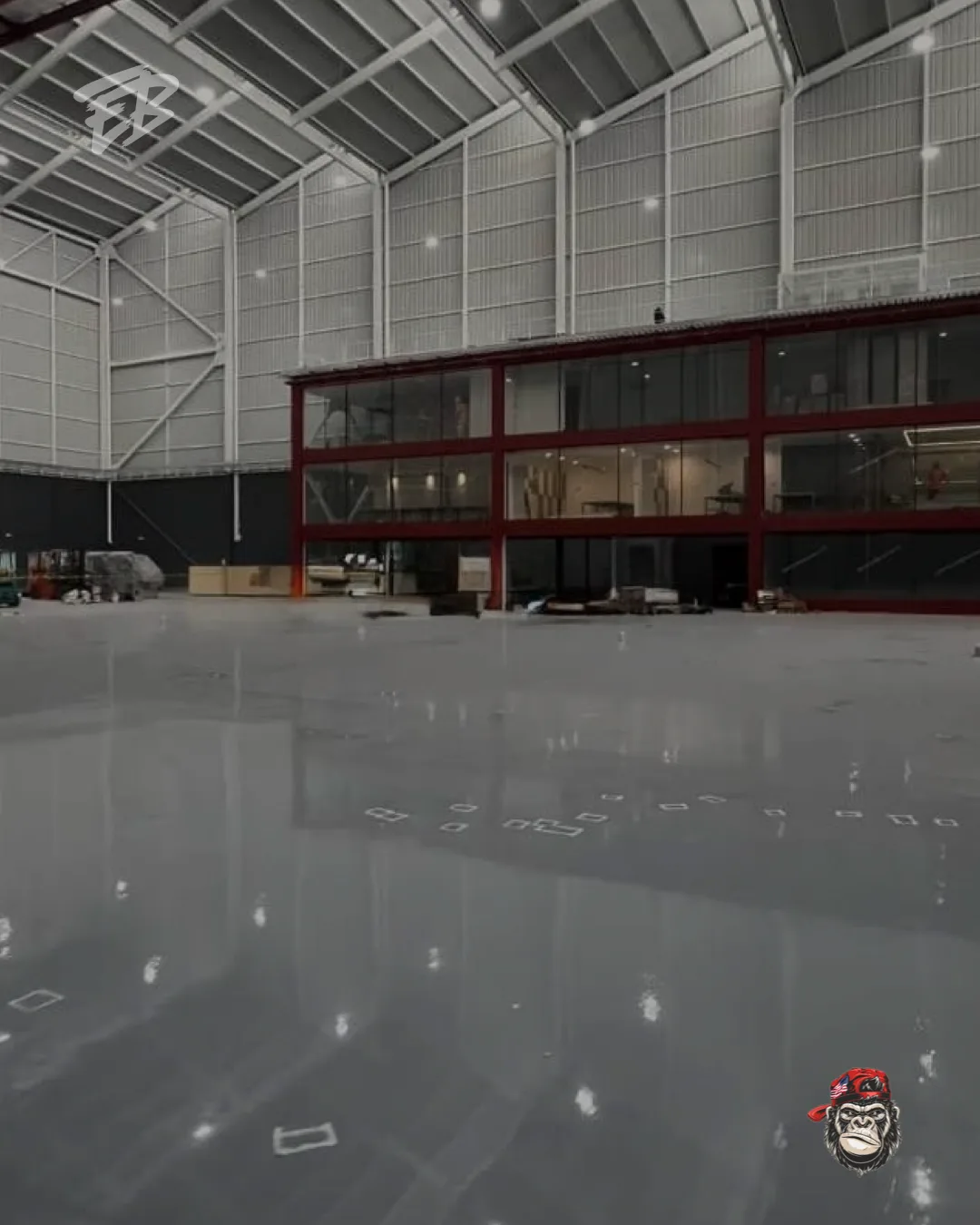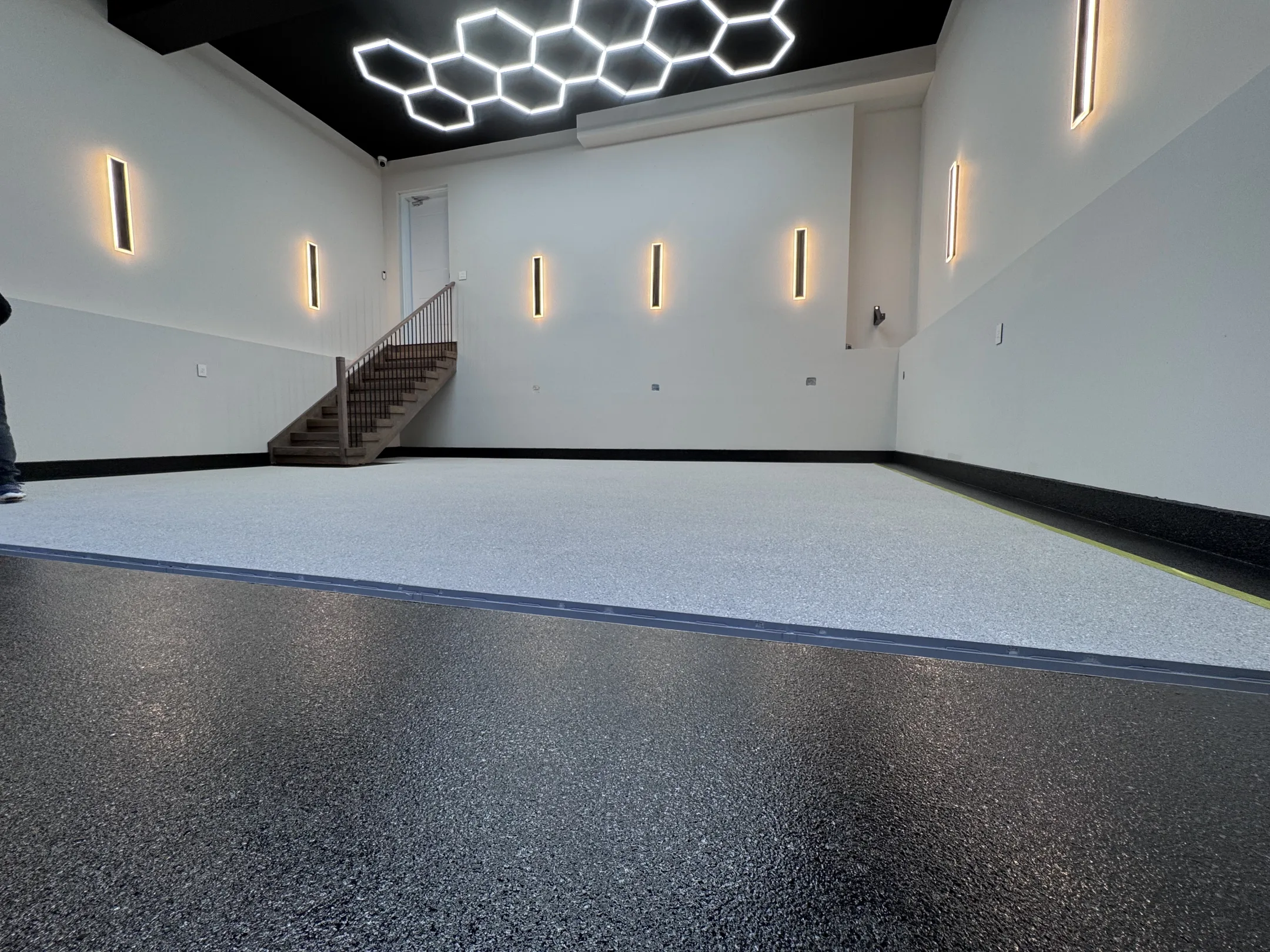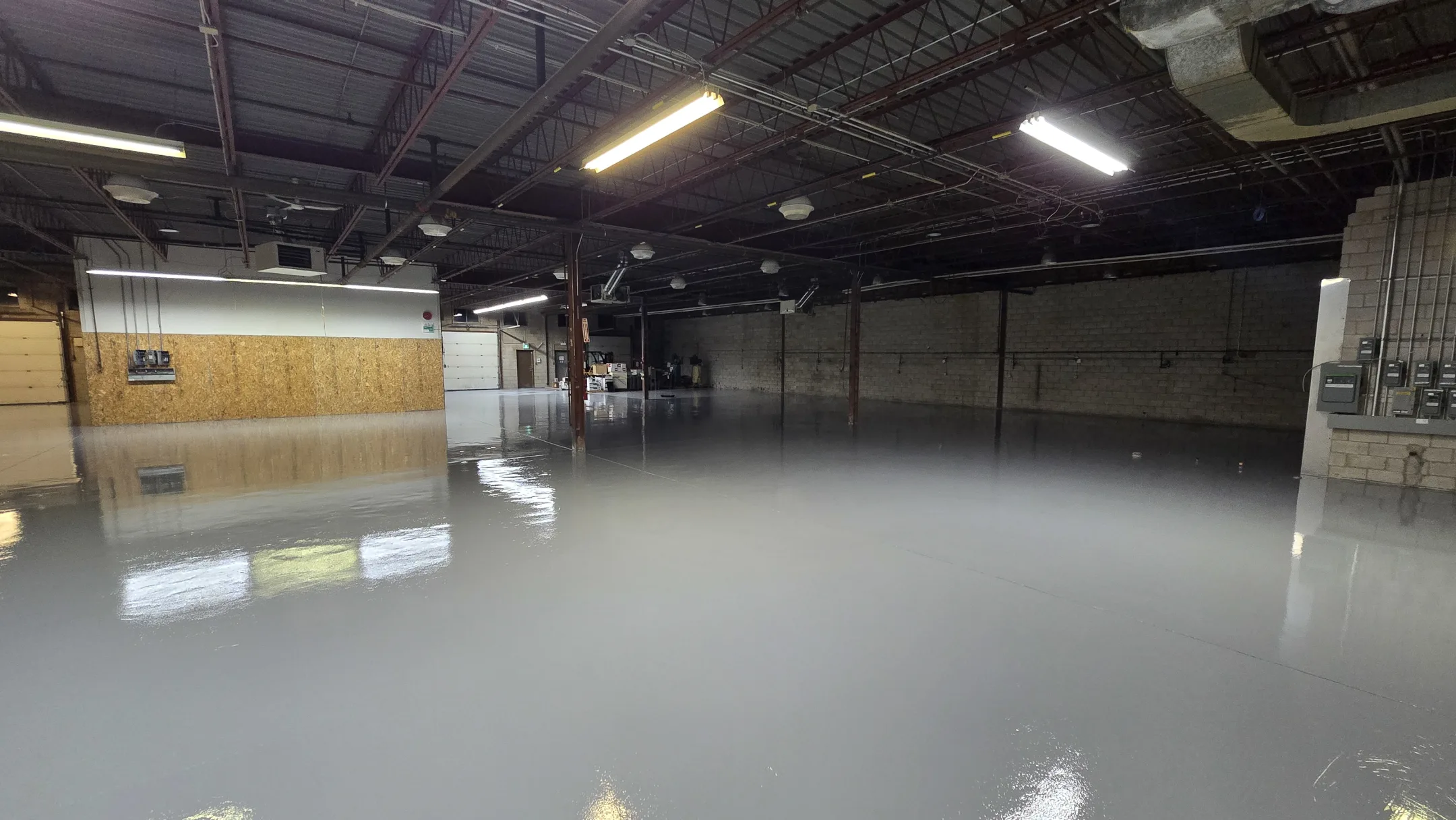

Industrial environments place extraordinary demands on concrete surfaces. Continuous forklift traffic, machinery vibration, moisture exposure, sanitation procedures, thermal cycling, chemical contact and operational wear create conditions that exceed the capabilities of many traditional flooring systems. Polyurethane and urethane flooring technologies are engineered specifically for these environments. Unlike decorative coatings designed primarily for appearance, urethane systems are developed around long-term operational performance, substrate protection and environmental durability.
At Epoxy Boss Florida, every urethane flooring project begins with substrate evaluation, moisture analysis and operational planning before installation begins. Surface condition, sanitation requirements, cleaning procedures, temperature exposure, chemical contact, traffic intensity and facility workflow all influence the flooring assembly selected for long-term performance.


Epoxy Boss has completed projects ranging from residential garage systems to large-volume industrial operations for manufacturing and commercial facilities across multiple sectors.
Because high-performance flooring is not defined byappearance alone. It is defined by how the surface performs under years ofreal operational use.

Yes. Epoxy Boss Florida installs polyurethane and urethane flooring systems throughout South Florida for food production facilities, pharmaceutical operations, manufacturing environments, warehouses, logistics facilities and large-scale industrial operations requiring long-term durability and operational reliability.
Yes. Crack remediation, joint stabilization, moisture mitigation and substrate correction are commonly performed before flooring installation.
Grinding creates the concrete profile required for strong mechanical adhesion between the flooring system and the substrate.
Slip resistance can be incorporated through aggregate systems and textured finishes depending on operational safety requirements.
Urethane systems provide seamless sanitary protection, moisture resistance, thermal stability and chemical durability required in food processing and washdown environments.
Yes. Properly specified systems resist oils, fuels, acids, sanitizers, cleaning chemicals, food byproducts and many industrial contaminants.
Yes. Urethane cement systems are specifically engineered to resist thermal shock caused by steam cleaning, hot water washdowns and rapid temperature fluctuation.
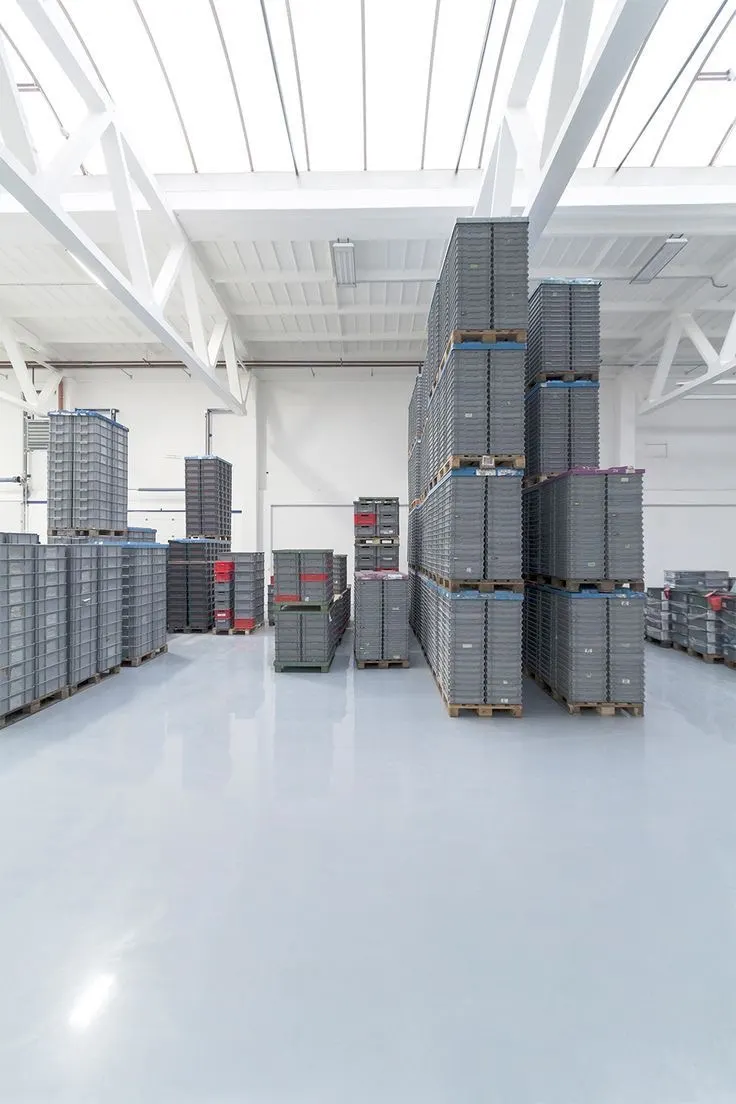
Polyurethane flooring systems are commonly installed in:
Epoxy systems are generally more rigid and commonly used for structural flooring assemblies, while urethane systems provide greater flexibility, thermal resistance and durability under aggressive industrial conditions.
Urethane cement is a heavy-duty industrial flooring technology engineered to withstand thermal shock, hot water washdowns, steam cleaning, moisture exposure and aggressive industrial operating conditions.
Polyurethane flooring is a high-performance industrial flooring system designed for facilities requiring chemical resistance, thermal stability, abrasion durability and long-term operational performance.