Completed commercial coating, Boca Raton, FL

Urethane

Flexible, impact-absorbing protective coating

Get a Free Floor Assessment

Choose the service you're interested in, leave your name and phone number, and add a photo of your floor if you like. We'll get back to you within one business day.

Which service are you interested in?

Max file size 10MB.
Uploading...
fileuploaded.jpg
Upload failed. Max size for files is 10 MB.
Thank you! Your submission has been received!
Oops! Something went wrong while submitting the form.

About

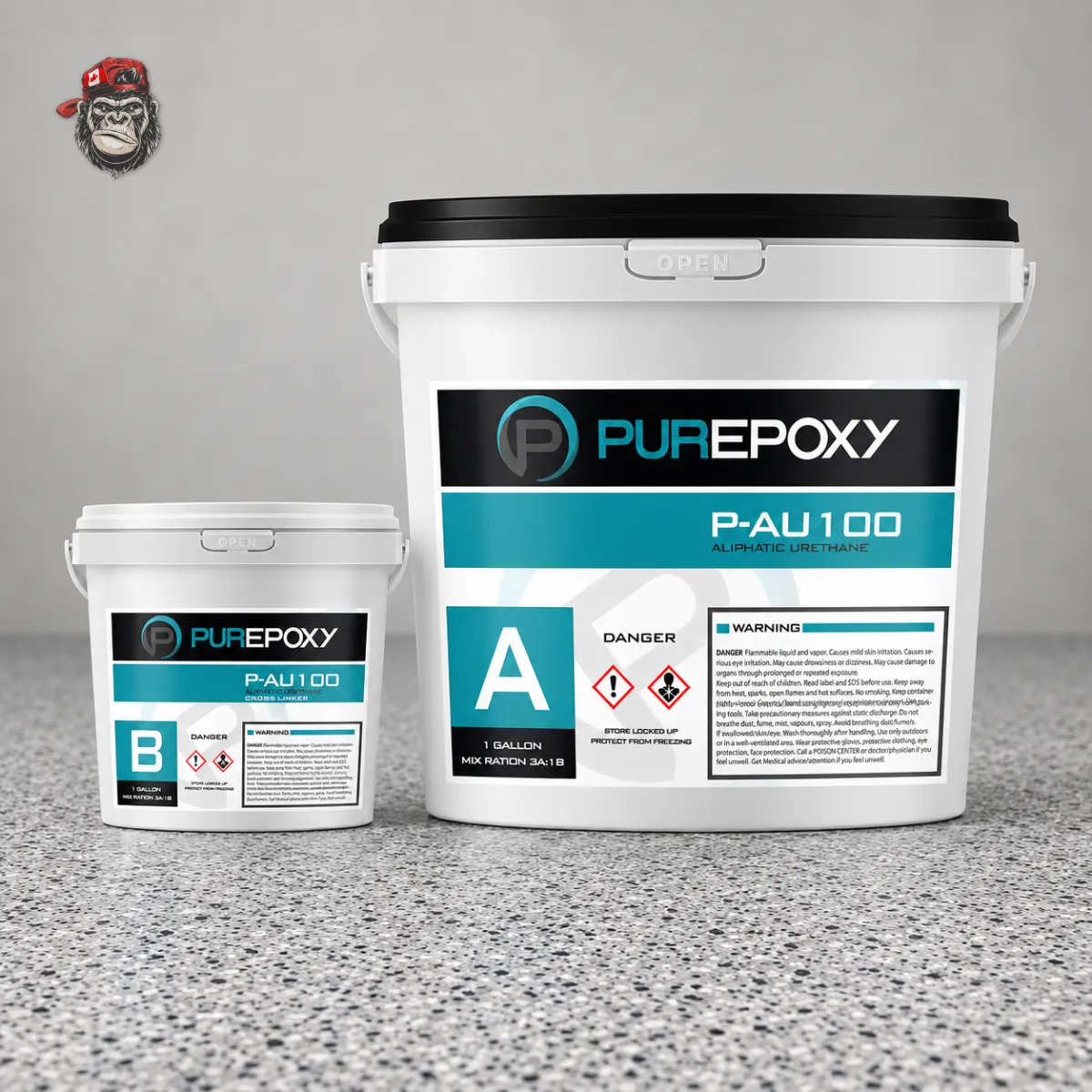
Urethane coatings are a family of flexible, impact-absorbing finishes that move with the concrete instead of cracking under load. They resist abrasion, moisture and common chemicals, and are used on garage floors, warehouses and outdoor surfaces where a rigid coating would chip or crack.

Commercial floor with a polyurethane topcoat, Boca Raton, FL

At a Glance

The numbers that decide your schedule, from the manufacturer's data sheet
In short

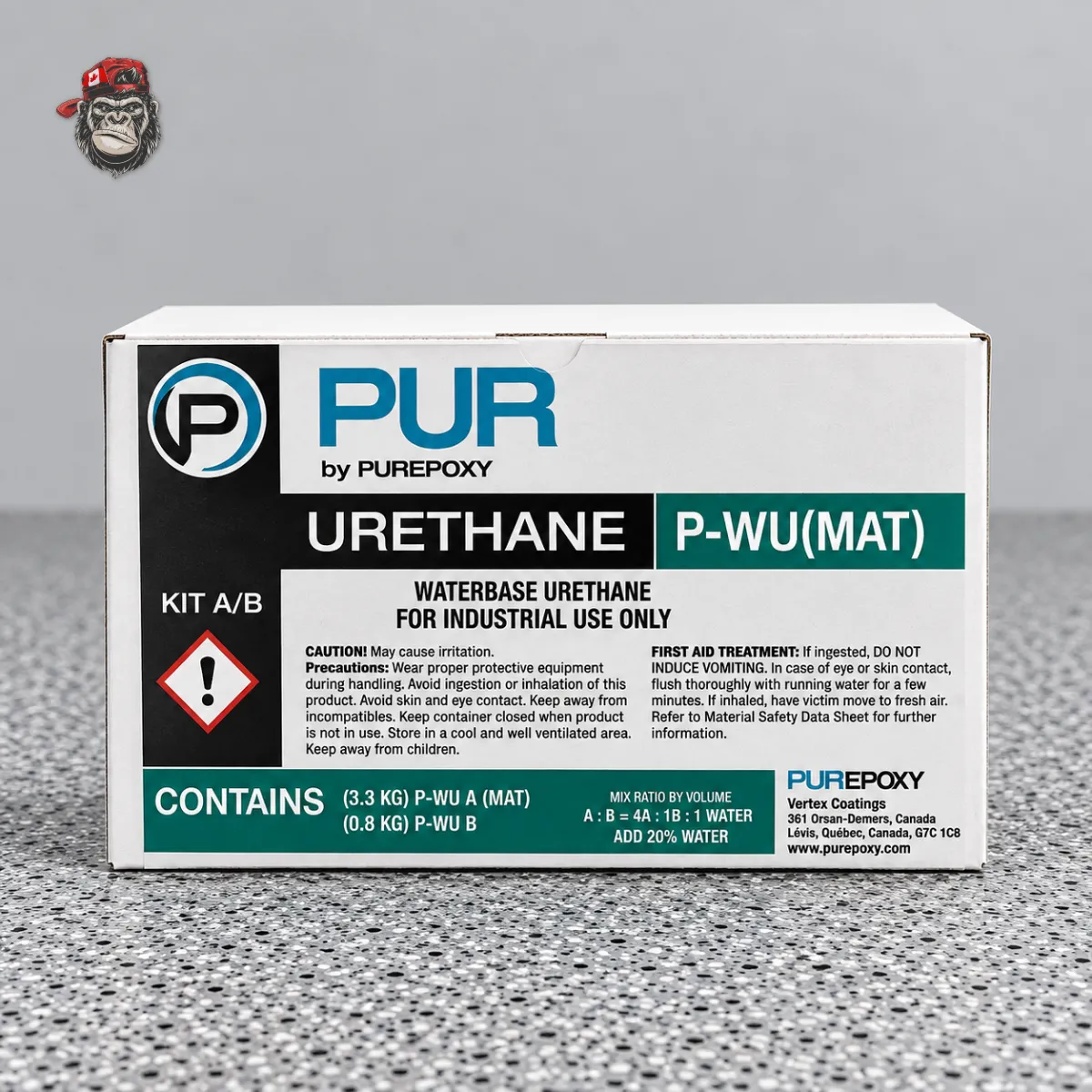
Urethane is a family of flexible, tough finishes rather than one product. We choose the grade by exposure: aliphatic polyurethane for sun and heavy wear, water-based urethane for occupied interiors, and urethane cement for hot washdown kitchens and food plants.

Product we install
Grade chosen per floor (see Polyurethane, Aliphatic and Water-based)
Role in the system
Finish family, chosen by exposure
Walk on it
12–24 hours, depending on grade
Drive on it
72 hours to 7 days, depending on grade
Next coat
4–6 hours, or sand before recoat
Full cure
2–7 days, depending on grade
Thickness
3–6 mils wet per coat
VOC
Under 10 to 49.4 g/L, depending on grade
Install conditions
Slab 45–90°F · RH up to 80%
Lab performance
See the grade's own material page
Read the manufacturer's data sheet →

Right Fit

Best For

Not For

Built for South Florida

How this material handles sun, humidity, damp slabs and coastal air

Sun & Heat

UV performance depends on the grade. On sun-exposed floors we use an aliphatic urethane so the finish keeps its color.

Humidity

Urethanes are sensitive to moisture while they cure, so we check humidity and dew point before each coat and schedule around wet weather.

Slab Moisture

Not a vapor barrier. We test the slab, and a moisture membrane goes down first where readings are high.

Salt Air & Pools

On pool decks and coastal exteriors we specify the complete system for salt and pool-chemical exposure rather than relying on a single urethane coat.

How It Compares

Most floors use two or three of these together. Here is what each one is for.
MaterialJob in the systemSun-stableWalk on itBest for
EpoxyPrimer, base and body coatNo, needs a topcoatAbout 24 hIndoor flake, solid and metallic floors
PolyasparticTopcoatYes2–4 hGarages, patios, pool decks
Fast base coatBase under flake or quartzNo, needs a topcoatAfter the topcoatSame-day broadcast floors
Aliphatic urethaneThin, hard topcoatYes24 hShowrooms, hangars, kitchens
PolyurethaneProtective finish over epoxyYes (aliphatic grade)24 hLabs, kitchens, shops
Water-based urethaneClear interior topcoatIndoor use12–24 hOffices, retail, occupied buildings
Moisture membraneUnder-layer on damp slabsCovered by the system6–8 hSlabs with rising moisture

Not sure which combination your floor needs? We grind a test area, check slab moisture and recommend the system in writing.

Get a free floor assessmentTry the floor visualizer

Common Questions

Which urethane is right for my floor?

Sun and heavy traffic: aliphatic polyurethane. Occupied indoor space with low odor needs: water-based urethane. Hot washdown and food processing: urethane cement. We confirm after seeing the floor.

Is urethane better than epoxy?

They work together. Epoxy builds a hard, thick base; urethane adds flexibility, UV stability and stain resistance on top.
Ready to Upgrade Your Floors?

Custom epoxy systems tailored for garages, pool decks, showrooms, patios, and industrial environments — combining industrial-grade durability with premium aesthetics.