Epoxy Flooring Boynton Beach, FL | Garage Floor Coatings
Thank you! Your submission has been received!
Oops! Something went wrong while submitting the form.



Boynton runs east to west across three different eras. The streets near the Intracoastal are the oldest and take salt year-round; the middle is established single-family housing; the western half is gated and age-restricted communities built from the nineties on.
So the address decides the work. Near the water we use finishes made for salt and seal every termination. Inland the first step is testing older slabs for moisture. Out west it is the board approving the color before anything is scheduled.
Boynton runs east to west across three different eras, and the address decides the work.
Streets near the Intracoastal are the oldest and take salt year-round. We use finishes made for salt and seal every termination.
Established single-family housing in the middle often sits on older slabs, so the first step is a moisture test, with a moisture-mitigating primer when the readings call for it.
Gated and age-restricted communities in the west were built from the nineties on. There the board approves the color first, so we bring physical samples and schedule after approval.
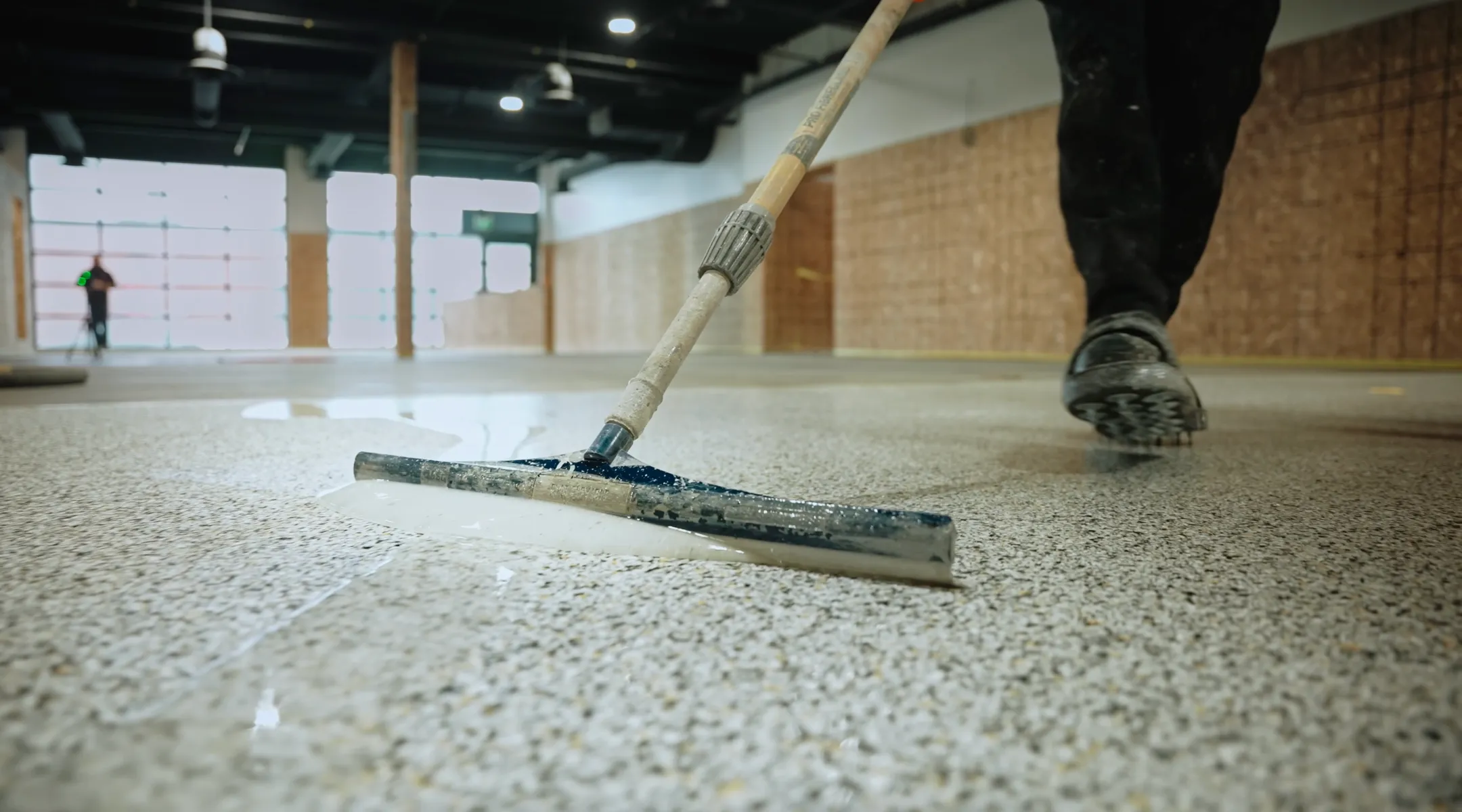
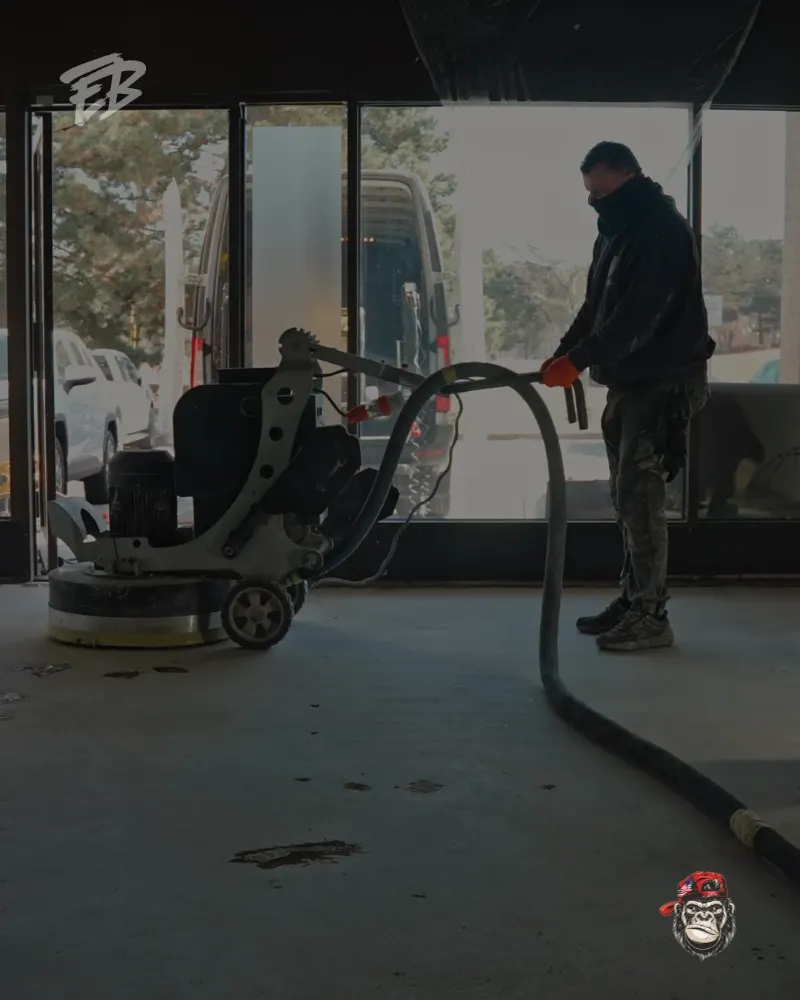
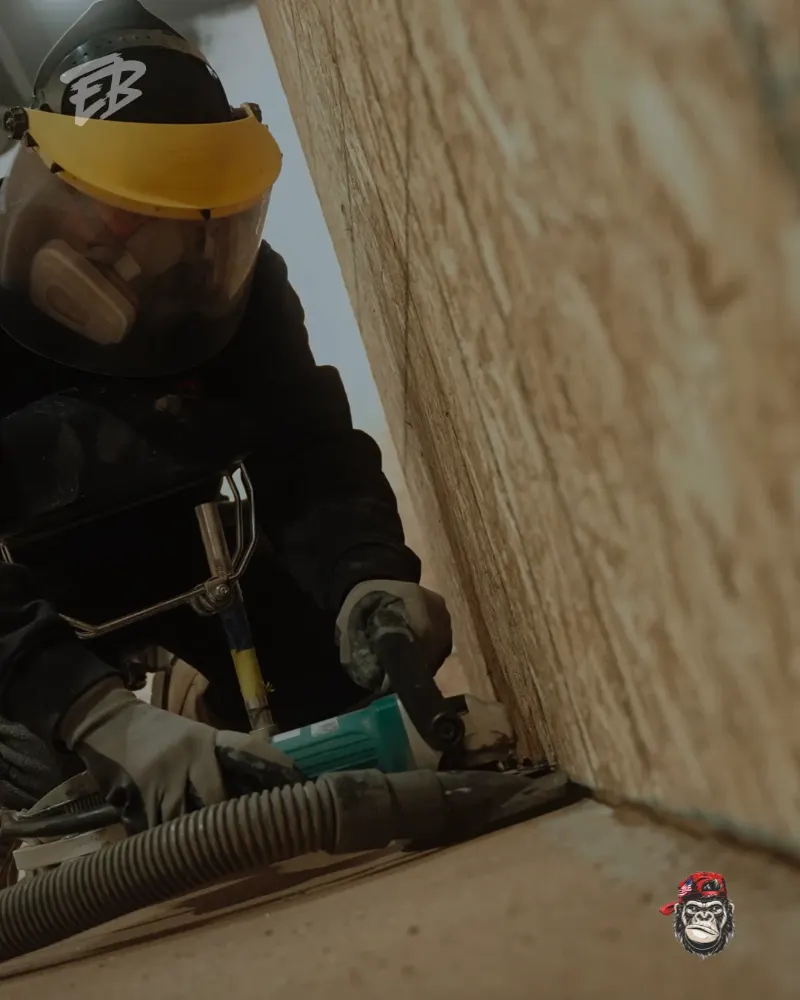
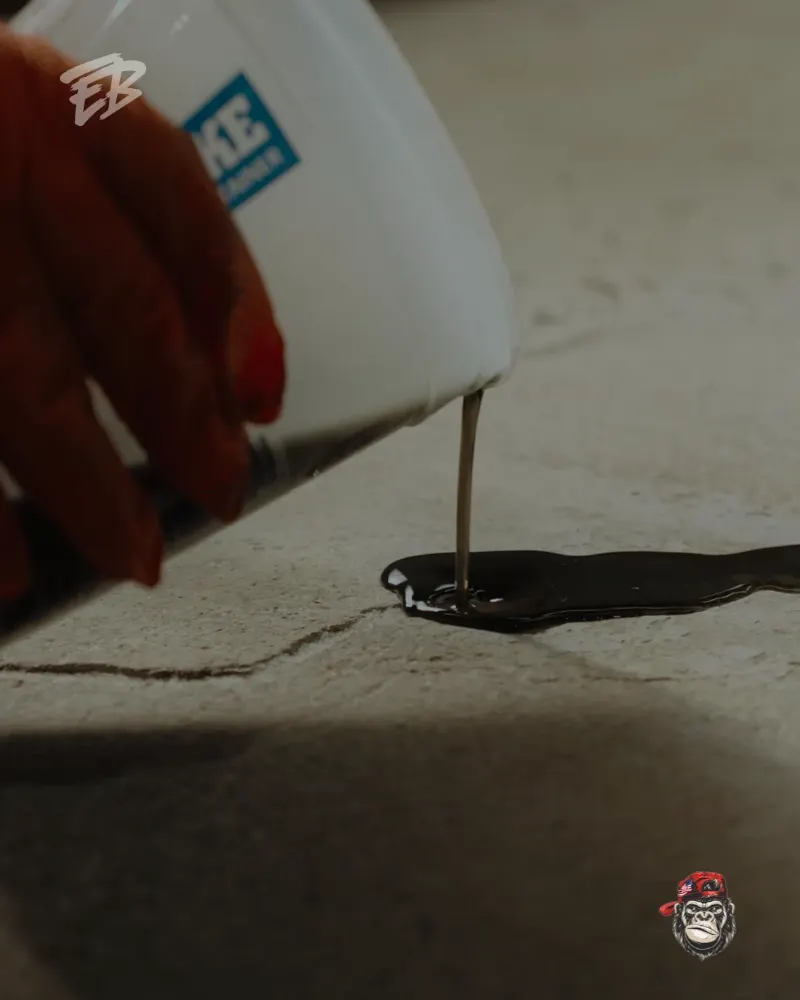
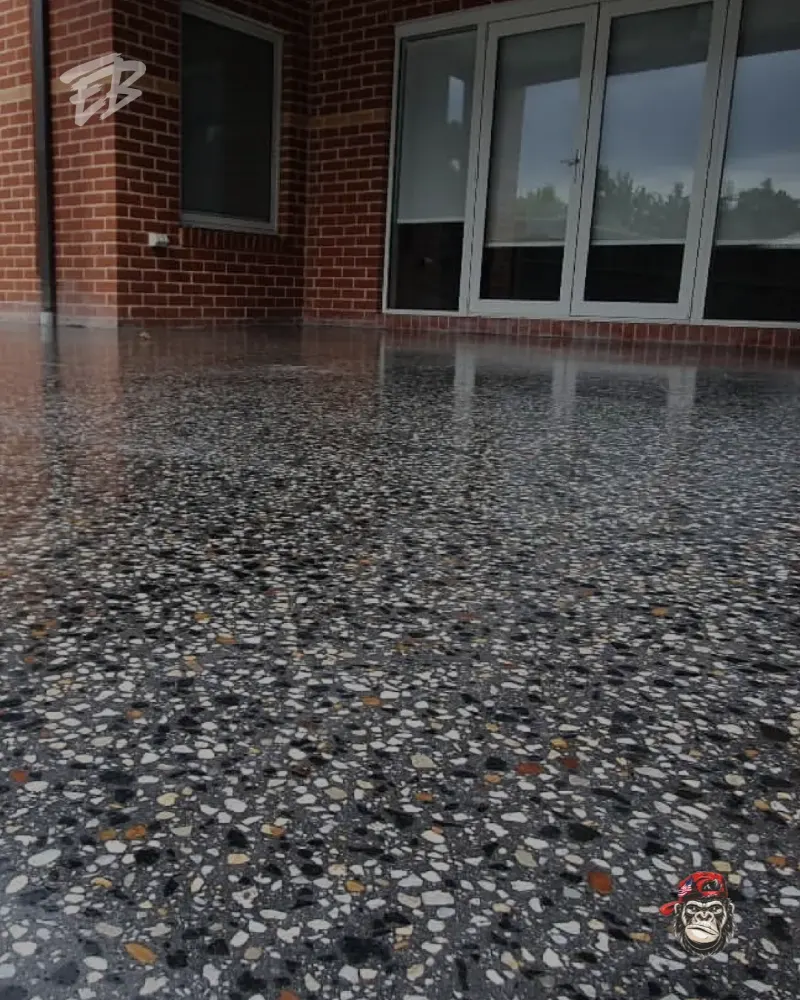
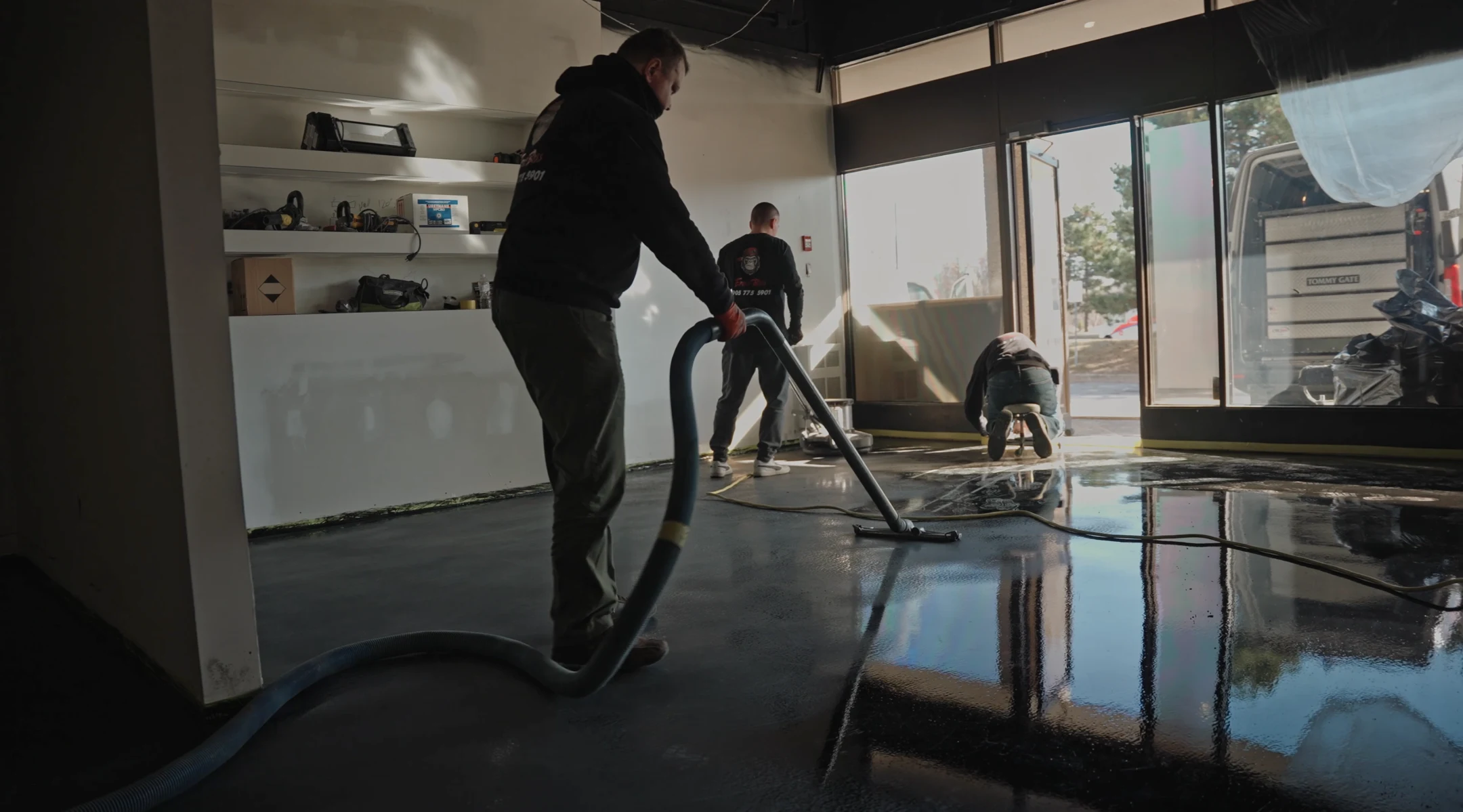
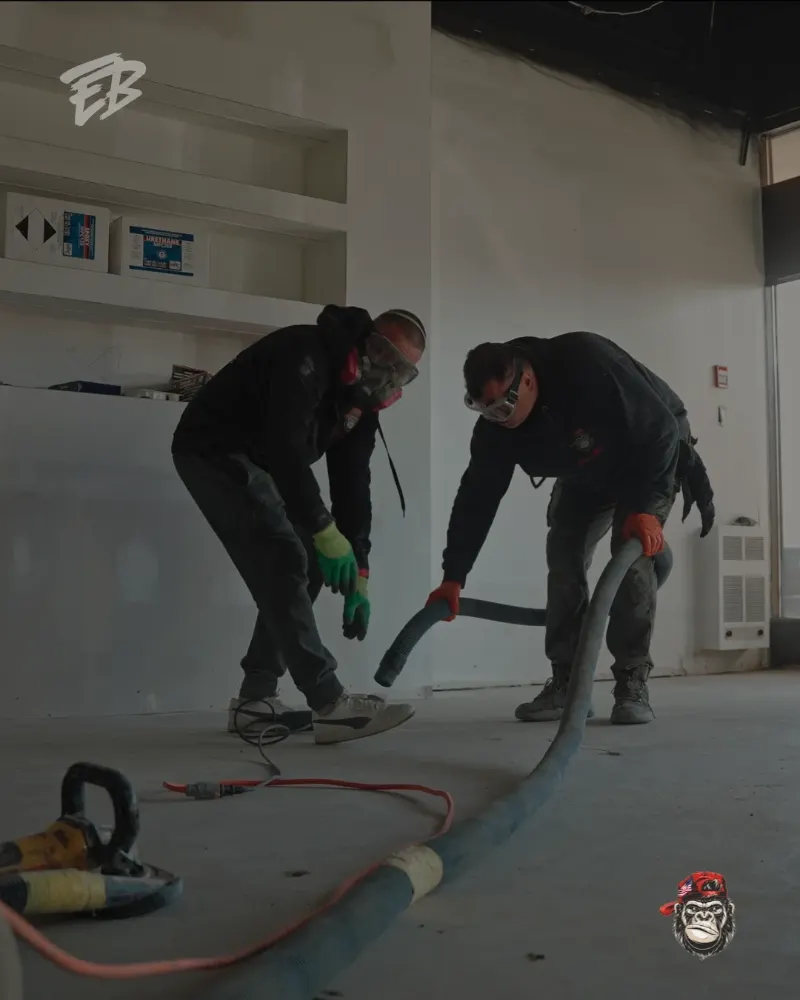
Every floor is diamond ground, repaired and finished with a UV-stable topcoat. Most residential garages are finished in one to two days.
Full-broadcast flake under a clear polyaspartic topcoat. Flake system · polyaspartic garage flooring.
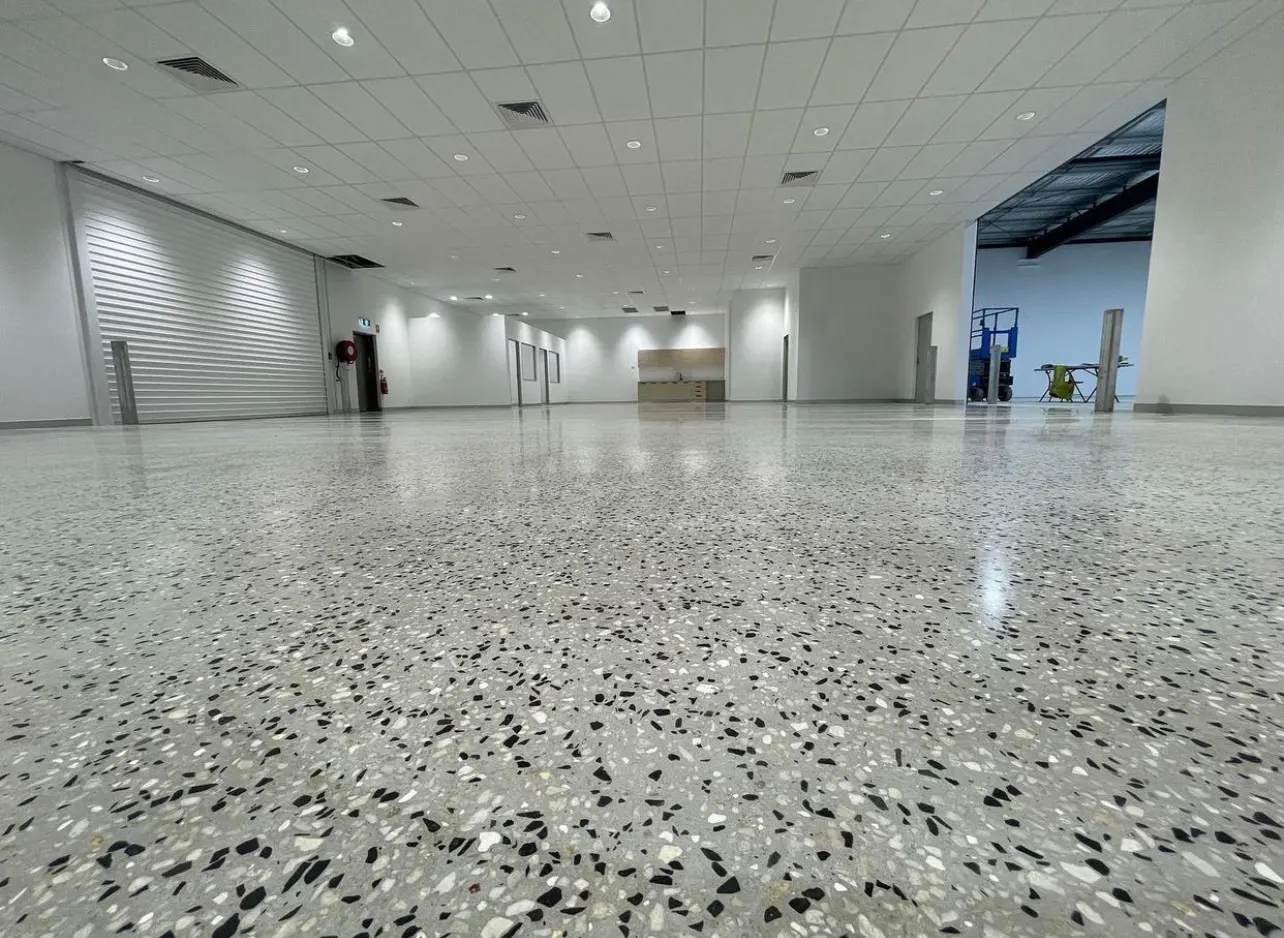
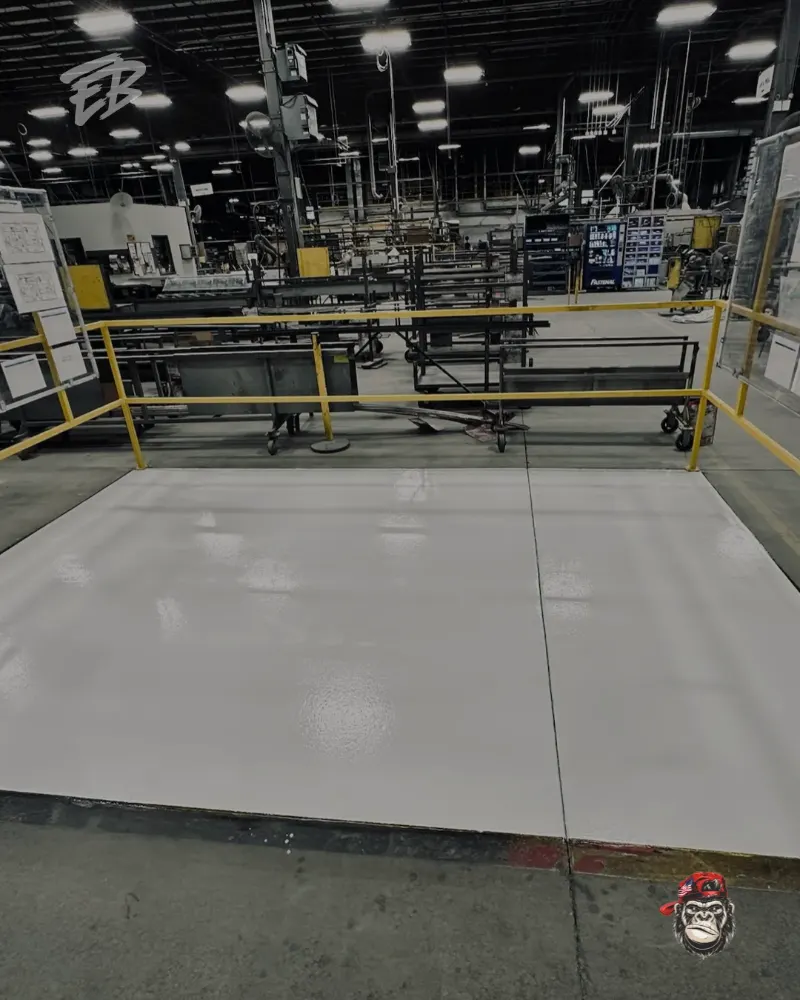
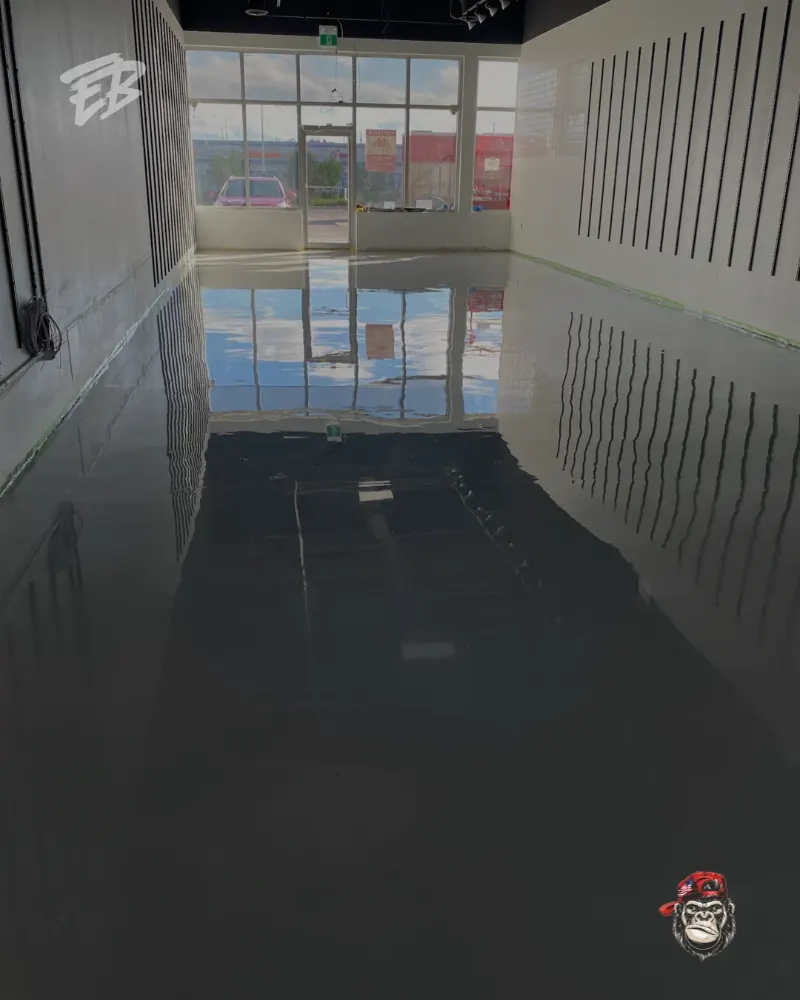
Community clubhouses, shops and the working belt to the north. Commercial epoxy flooring.
Patio coatings, pool deck coatings and driveway coatings.
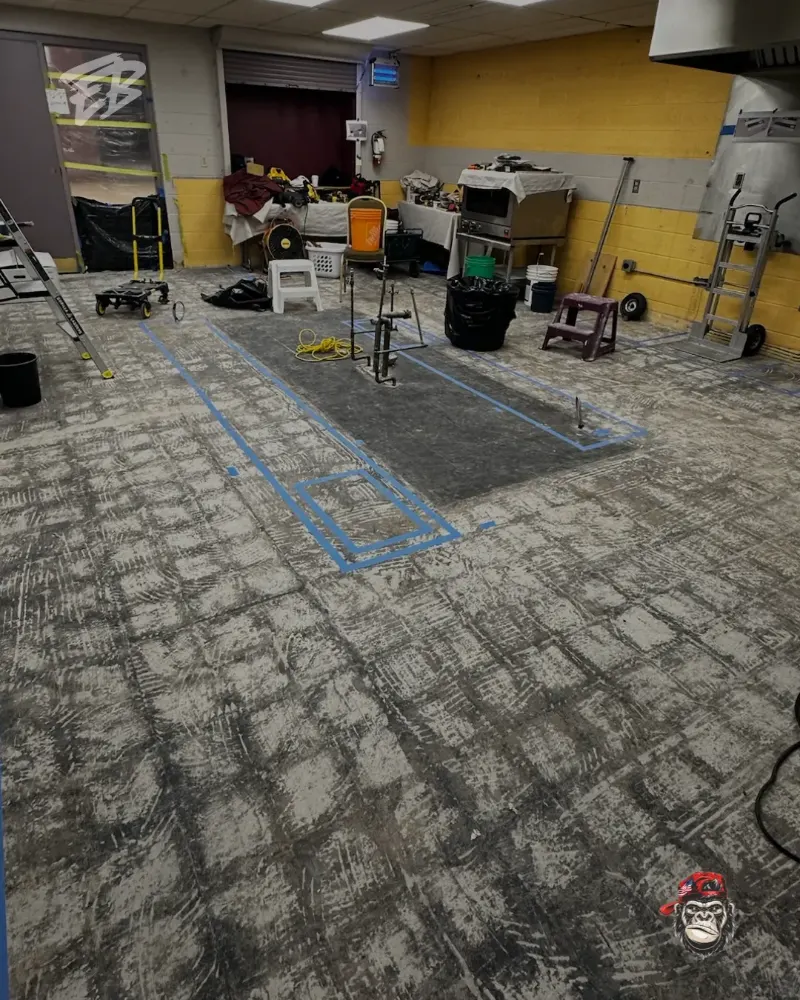
Floor coating removal down to sound concrete before recoating.
Yes. A newer slab is usually in better condition, but the surface of fresh concrete is closed and a coating will not bond into it as it is.
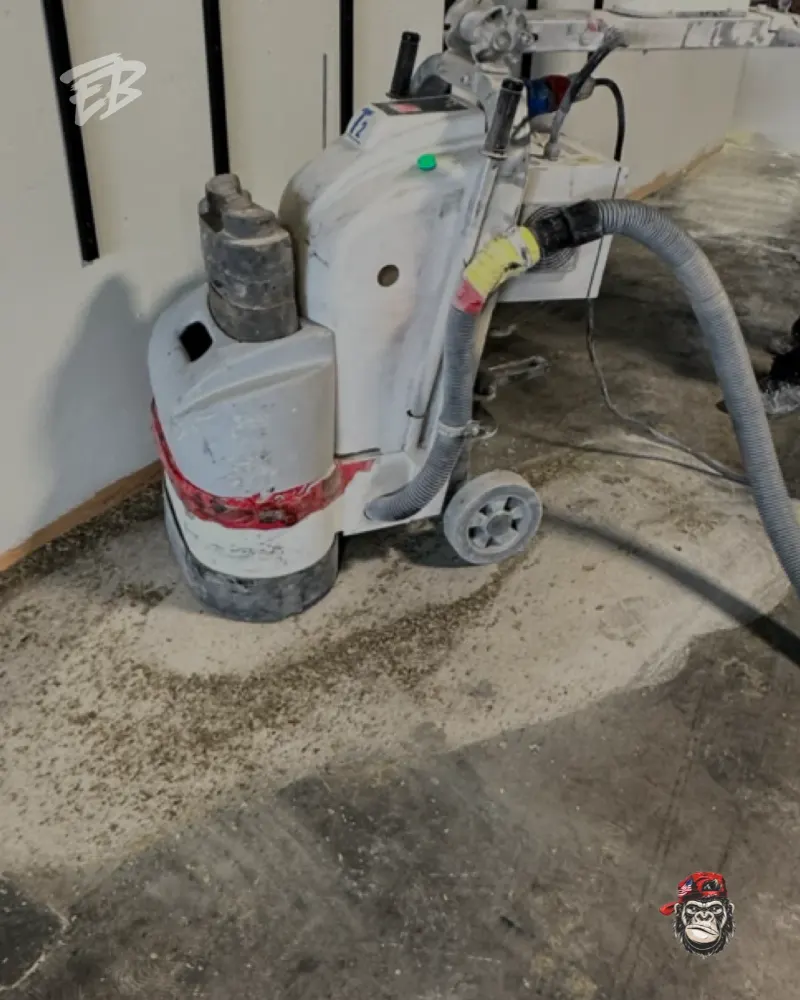
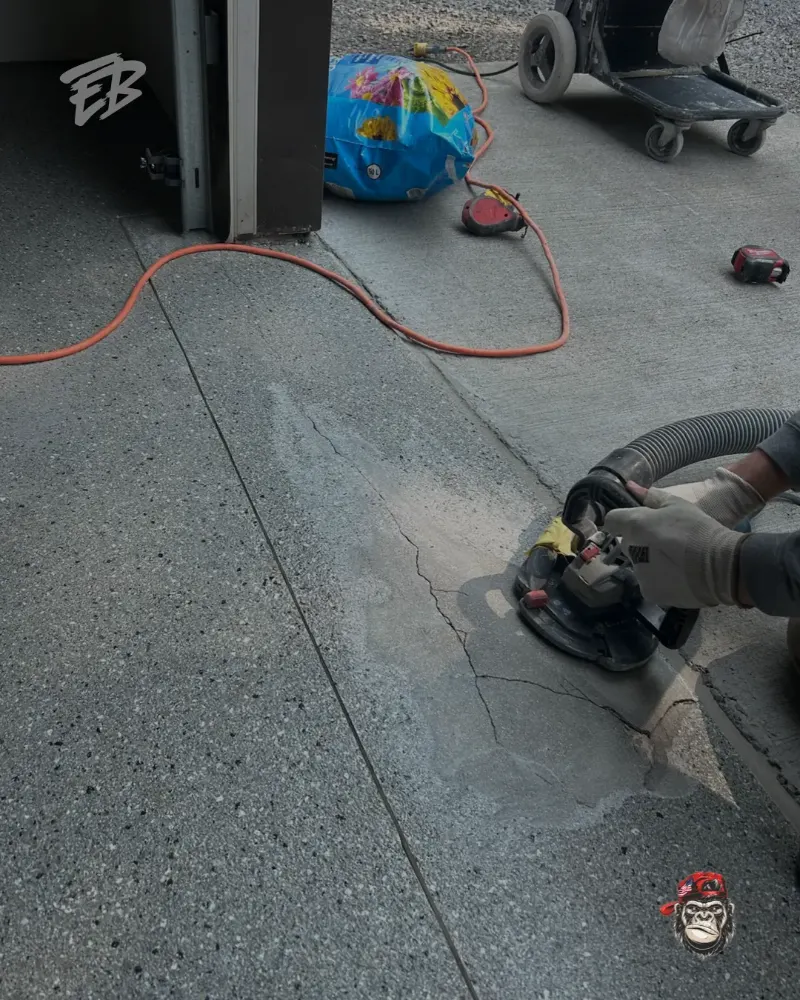
Grinding opens the surface so the system anchors into the slab rather than sitting on top of it.
No, it comes up constantly and we plan for it. With the garage door open the floor counts as something the neighbors see, so the board usually wants to sign off on the color first.
We bring physical samples you can submit and schedule the install once you have approval, so the floor is never done twice.
Yes, and on most buildings it is expected. Management normally wants written approval and proof of insurance naming the association before anyone starts.
We provide the documents and phase the work so residents keep access while it is under way.
Not a problem, but it does change what we put down. Salt in the air is hard on a coating, and the first place it shows is around the edges and the door line rather than in the middle of the floor.
Close to the water we use a topcoat made for that exposure and seal the edges properly instead of running the coating to the wall and calling it done.
Yes, and where a space is in use during the day it is usually the sensible way to do it.
We phase the work into evenings and weekends and agree the sequence before starting, so you know exactly which areas are out of use and when.
Usually yes. Stains and old patches sit at the surface, and grinding takes that layer off before anything is applied.
What we check for underneath is moisture and structural cracking, since those decide the build rather than the appearance.
Not with a properly bonded system. Hot-tire pickup happens when a coating is thin, poorly bonded or rolled on over unprepared concrete.
We grind rather than acid-etch, so the coating anchors into the slab instead of resting on top of it.
Not with the right finish. A plain epoxy left exposed to daylight ambers and dulls, sometimes within a season, and in Florida most garage doors stay open a good part of the day.
We finish with a UV-stable topcoat, which is what keeps the color where it started.
It comes off. A new system is only as sound as whatever it sits on, and putting fresh material over a failing one simply repeats the failure a year later.
We grind the old coating away mechanically, then assess the concrete underneath on its own condition.
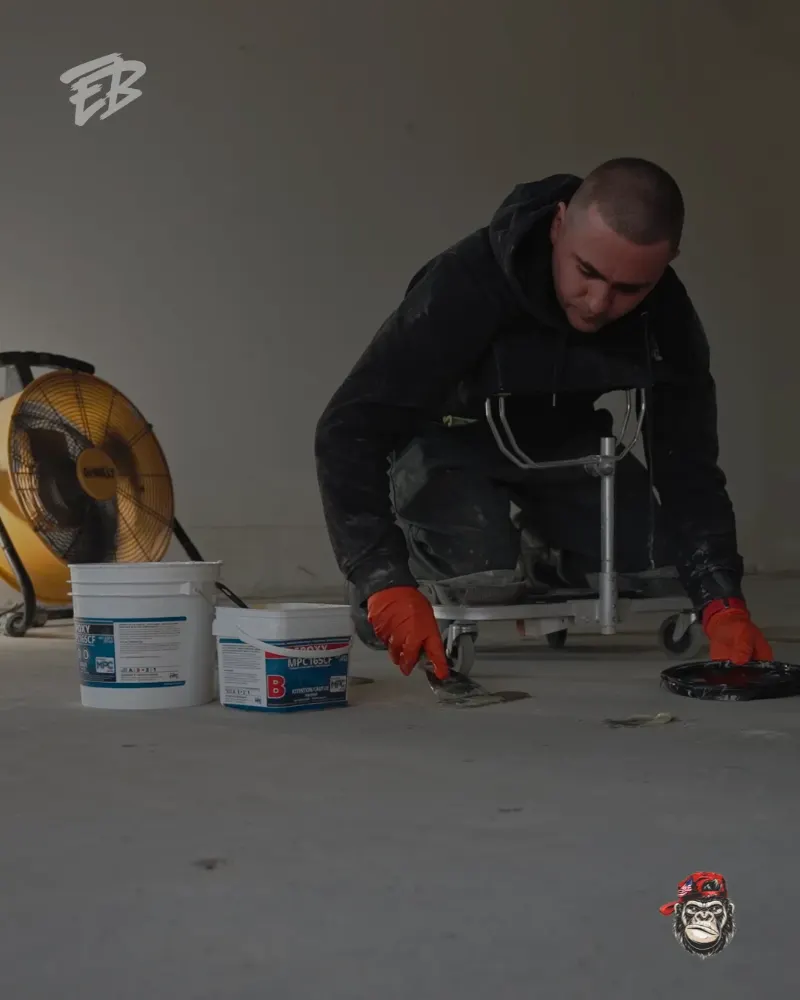
Yes. Cracks, chipped edges and failed patches are repaired as part of the preparation, not treated as an extra afterwards.
A coating does not bridge a moving crack on its own, so the repair has to happen first if the finish is going to stay flat.
You can walk on it the next day. Vehicles need longer, because tires put far more stress on a fresh coating than feet do.
We give you the exact window before we start, so you can plan where the car goes in the meantime.
Yes, the floor has to be completely clear before we start — including shelving and anything fixed along the walls.
If moving heavy items is a problem, tell us when we quote and we will build it into the plan rather than leaving it to the morning of the job.
Our shop is in Dania Beach, a straight run north on I-95, and Boynton is part of our regular service area.
Most estimates happen within a few days of your call.





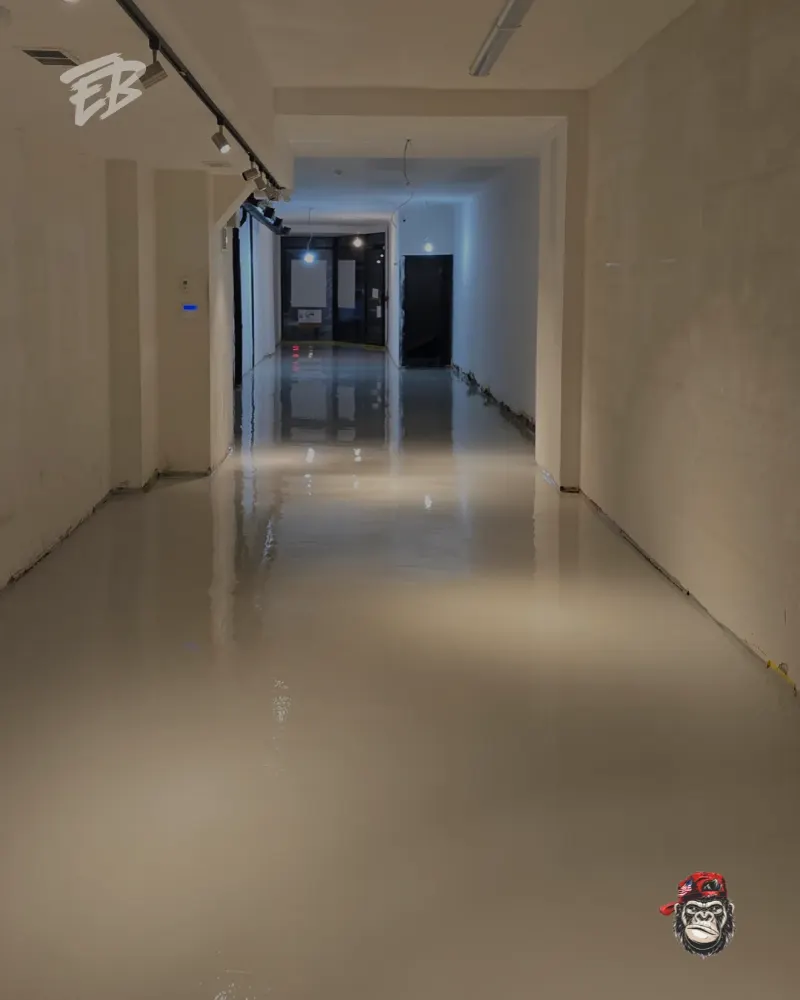
Boynton Beach is part of our Palm Beach County service area. By area: East Boynton, Downtown, Central Boynton, West Boynton and commercial and industrial.
Nearby cities: Delray Beach, Lantana, Lake Worth, Boca Raton and Wellington.