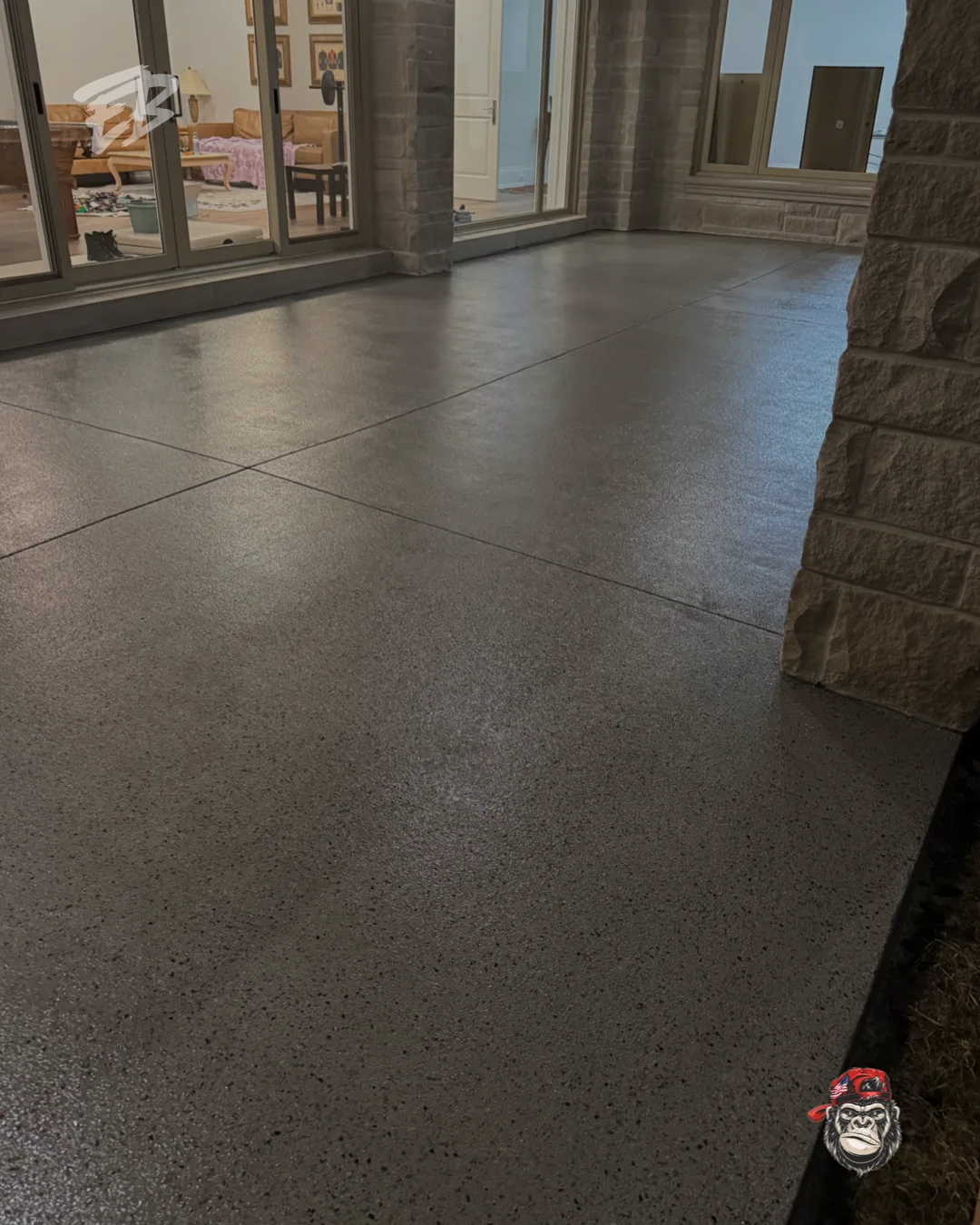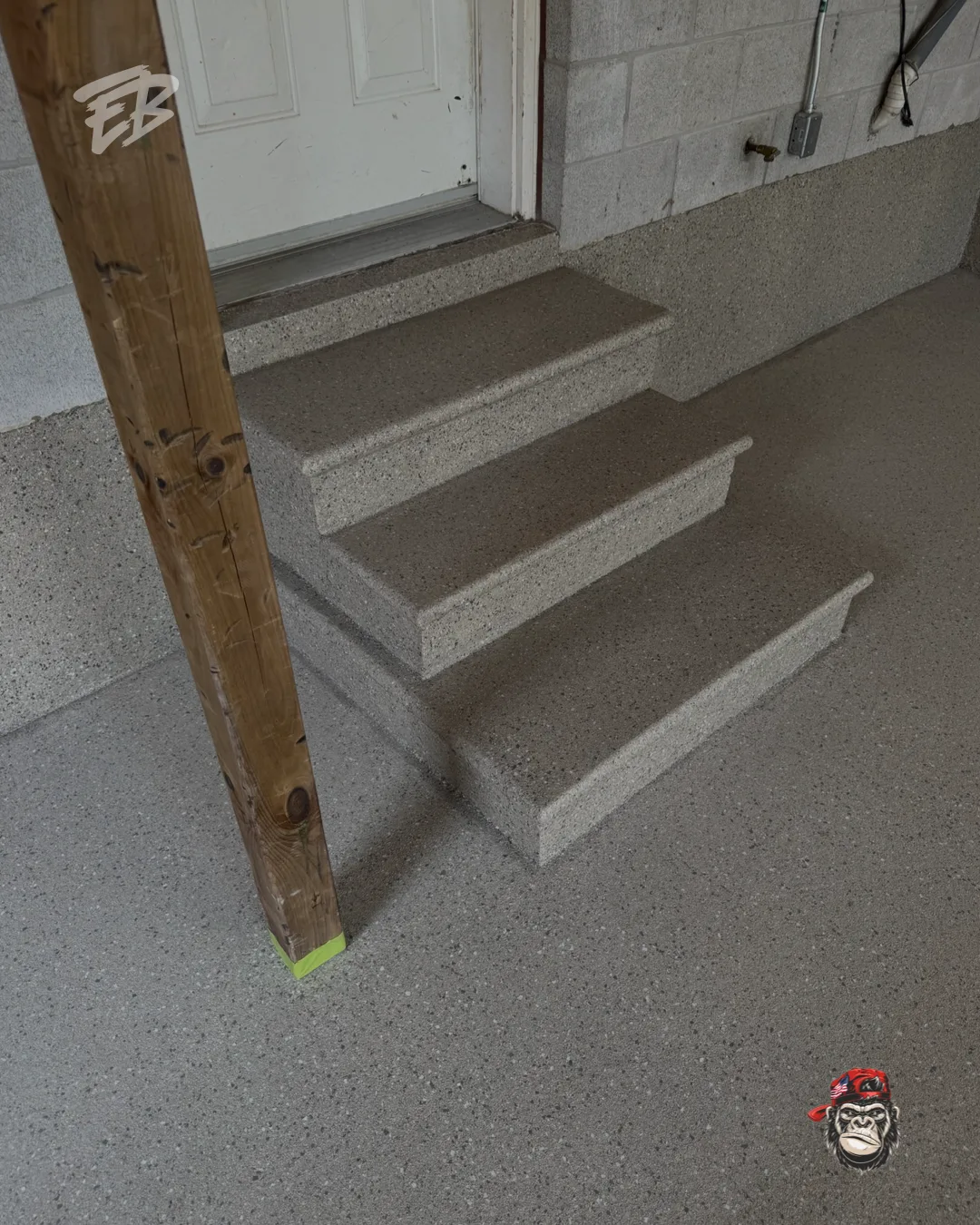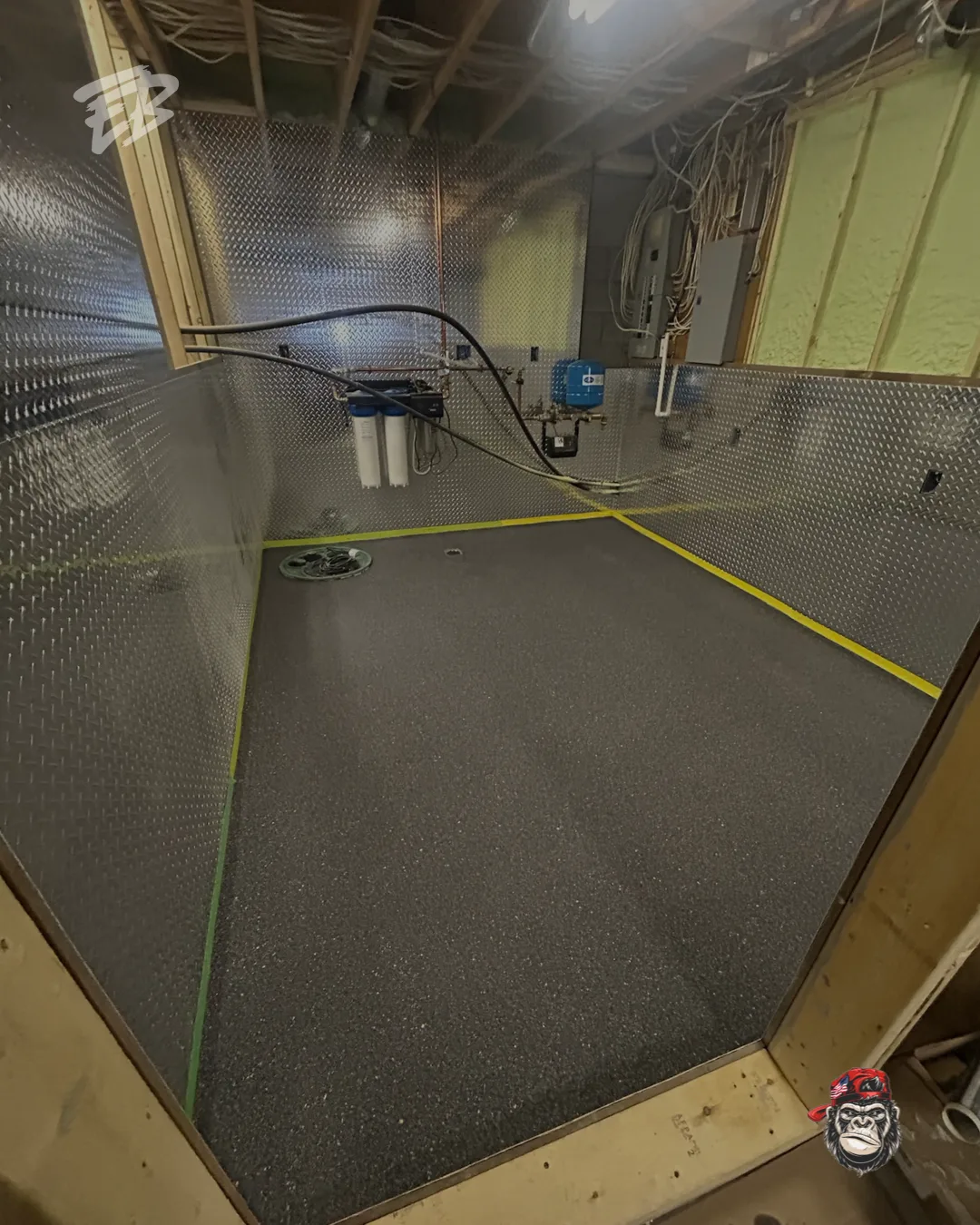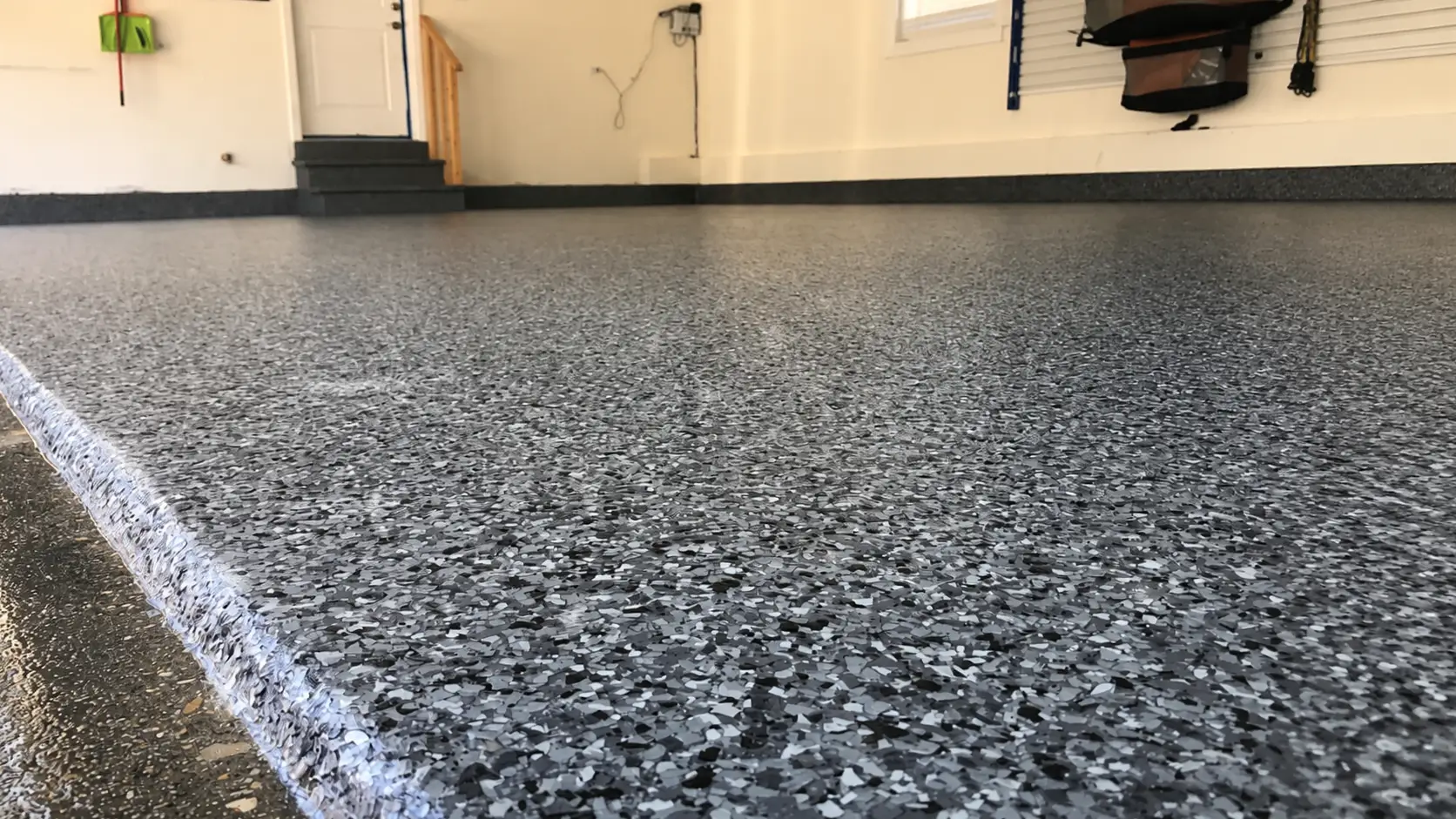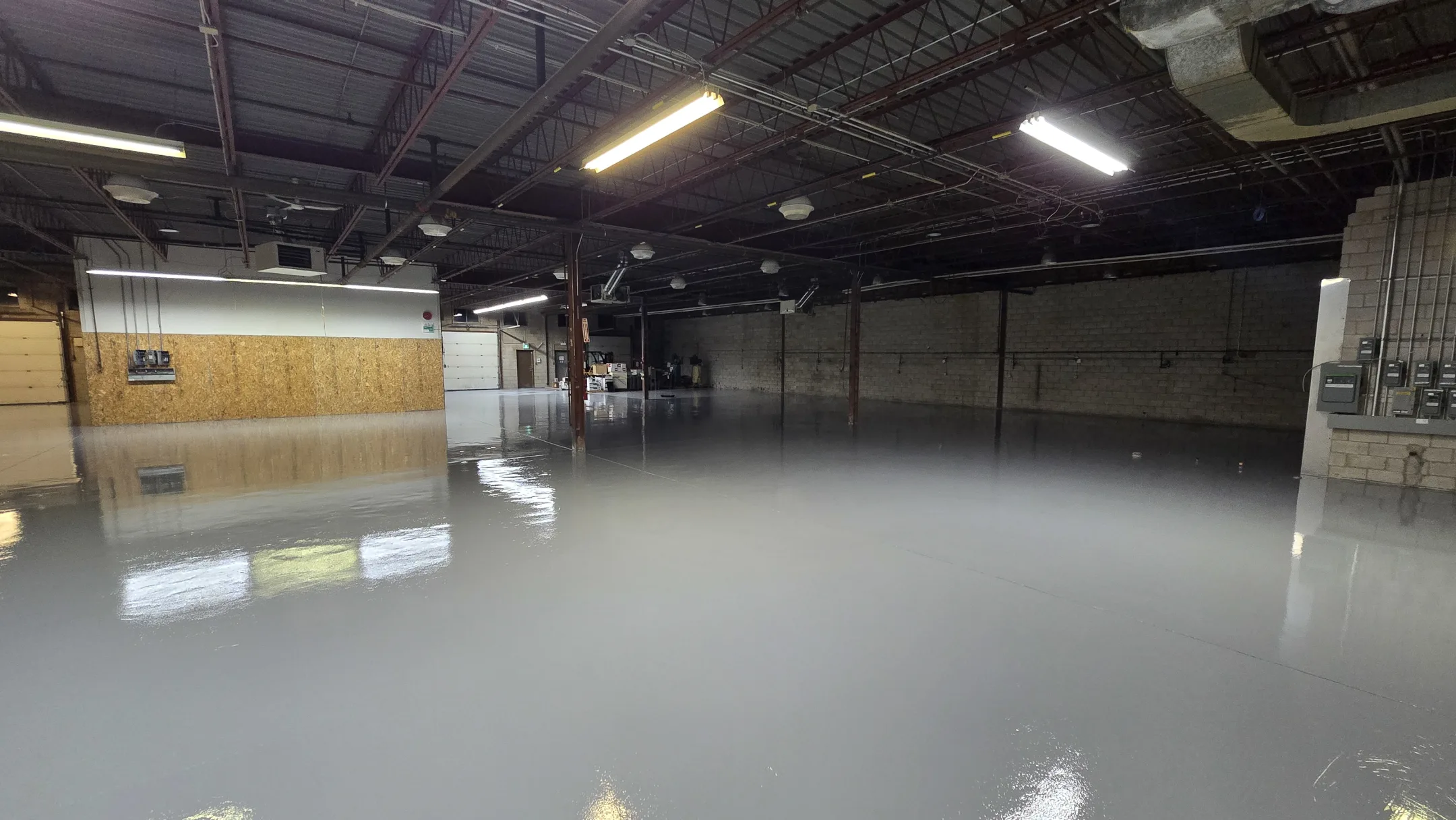

Polyaspartic flooring is not simply a fast-curing coating applied over concrete. A properly engineered polyaspartic system functions as a high-performance protective layer designed to bond directly into the prepared concrete substrate while delivering accelerated cure schedules, exceptional UV stability and long-term environmental protection. Originally developed for industrial and demanding protective applications, polyaspartic technology allows surfaces to return to service significantly faster than many traditional flooring systems while maintaining strong mechanical and chemical performance characteristics.
In South Florida, where concrete surfaces are exposed to intense sunlight, humidity, thermal movement, moisture vapor and salt-air conditions, polyaspartic systems offer a unique combination of durability and environmental resistance.
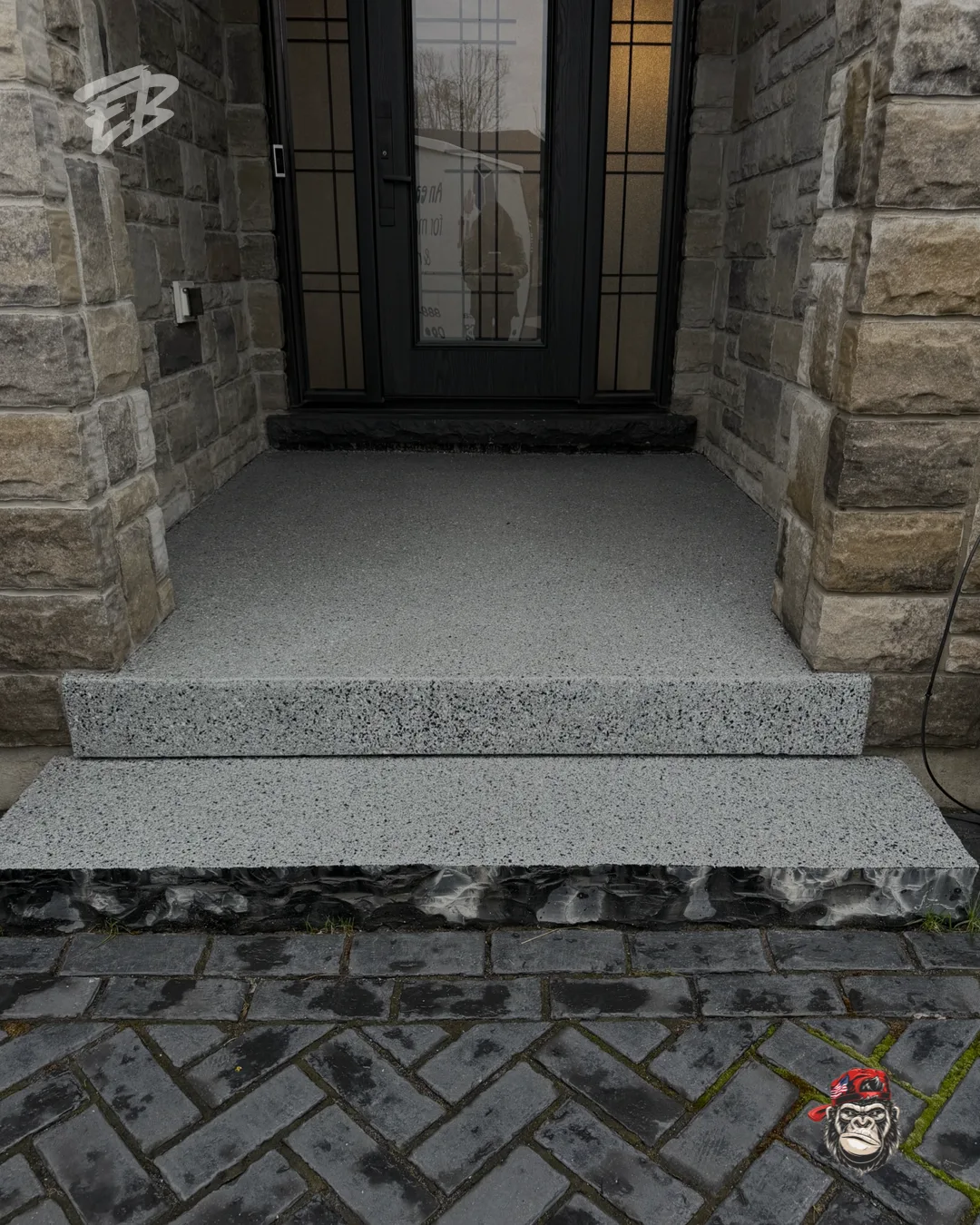


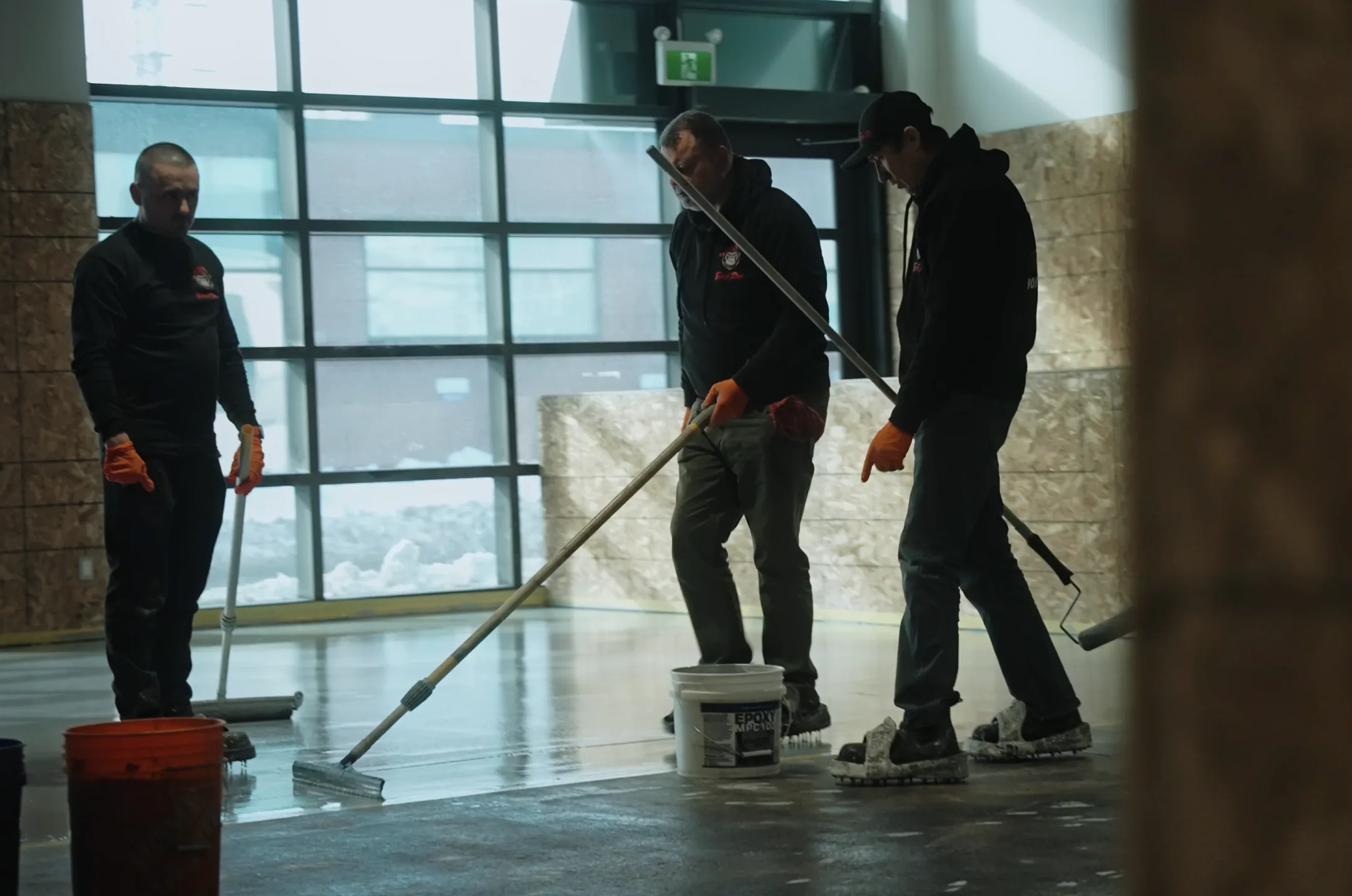
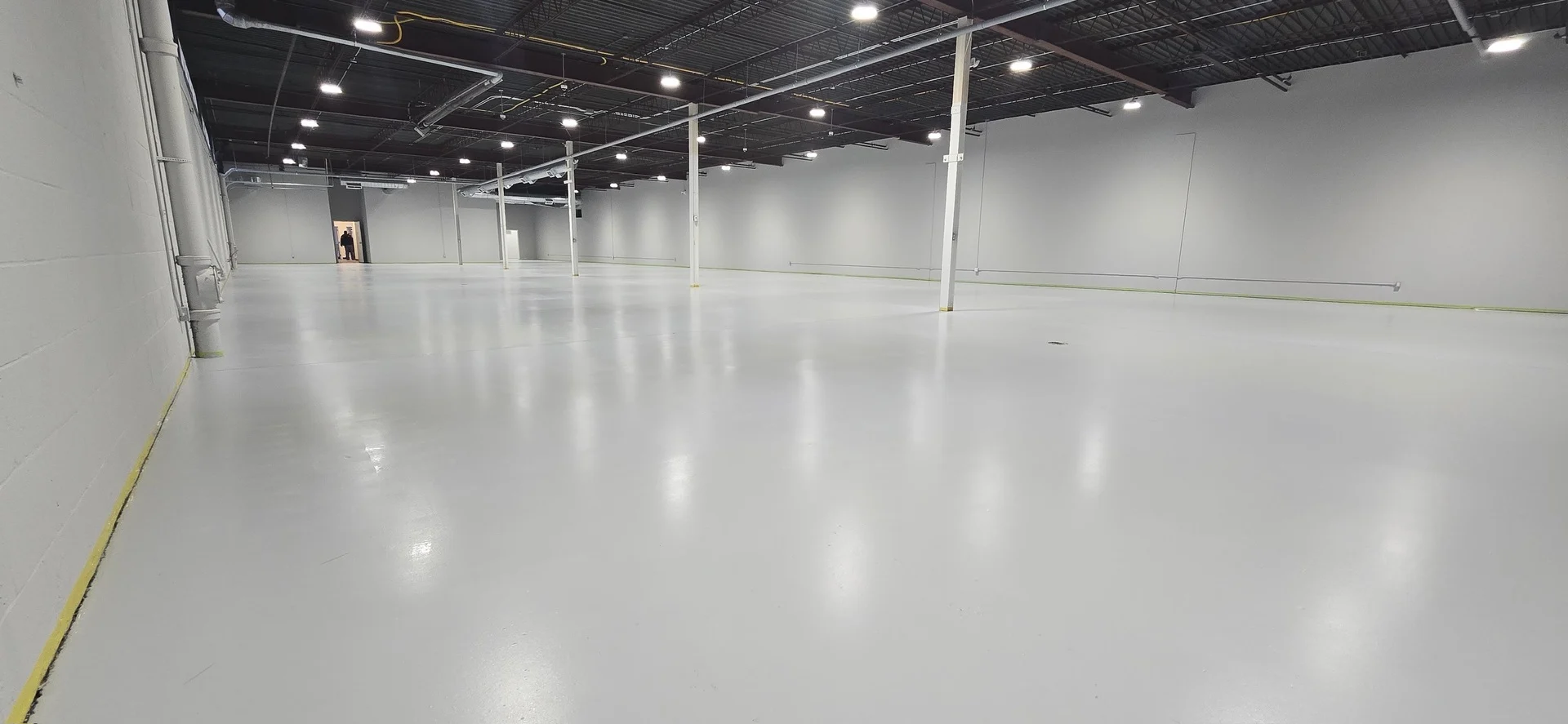
Epoxy Boss has completed projects ranging from residential garage systems to large-volume industrial operations for manufacturing and commercial facilities across multiple sectors.
Because high-performance flooring is not defined byappearance alone. It is defined by how the surface performs under years ofreal operational use.

Yes. Epoxy Boss Florida operates with specialized crews, industrial-grade preparation equipment and structured project management systems capable of completing residential, commercial and industrial polyaspartic flooring projects throughout South Florida.
Preparation may include industrial diamond grinding, crack remediation, moisture evaluation, contamination removal, substrate correction, joint treatment and concrete profiling depending on slab condition and project requirements.
Yes. Polyaspartic systems are commonly selected for environments exposed to oils, fuels, cleaning agents, salt-air conditions, operational contaminants and chemical exposure.
Yes. Florida's climate often allows polyaspartic systems to be installed throughout much of the year, although substrate conditions, moisture behavior and environmental factors must always be evaluated.
Grinding creates the concrete surface profile required for mechanical adhesion. Without proper preparation, coatings may experience reduced bond strength and shortened service life.
Yes. Properly engineered polyaspartic systems can withstand vehicle traffic, forklifts, pallet jacks and continuous operational movement depending on coating thickness and system design.
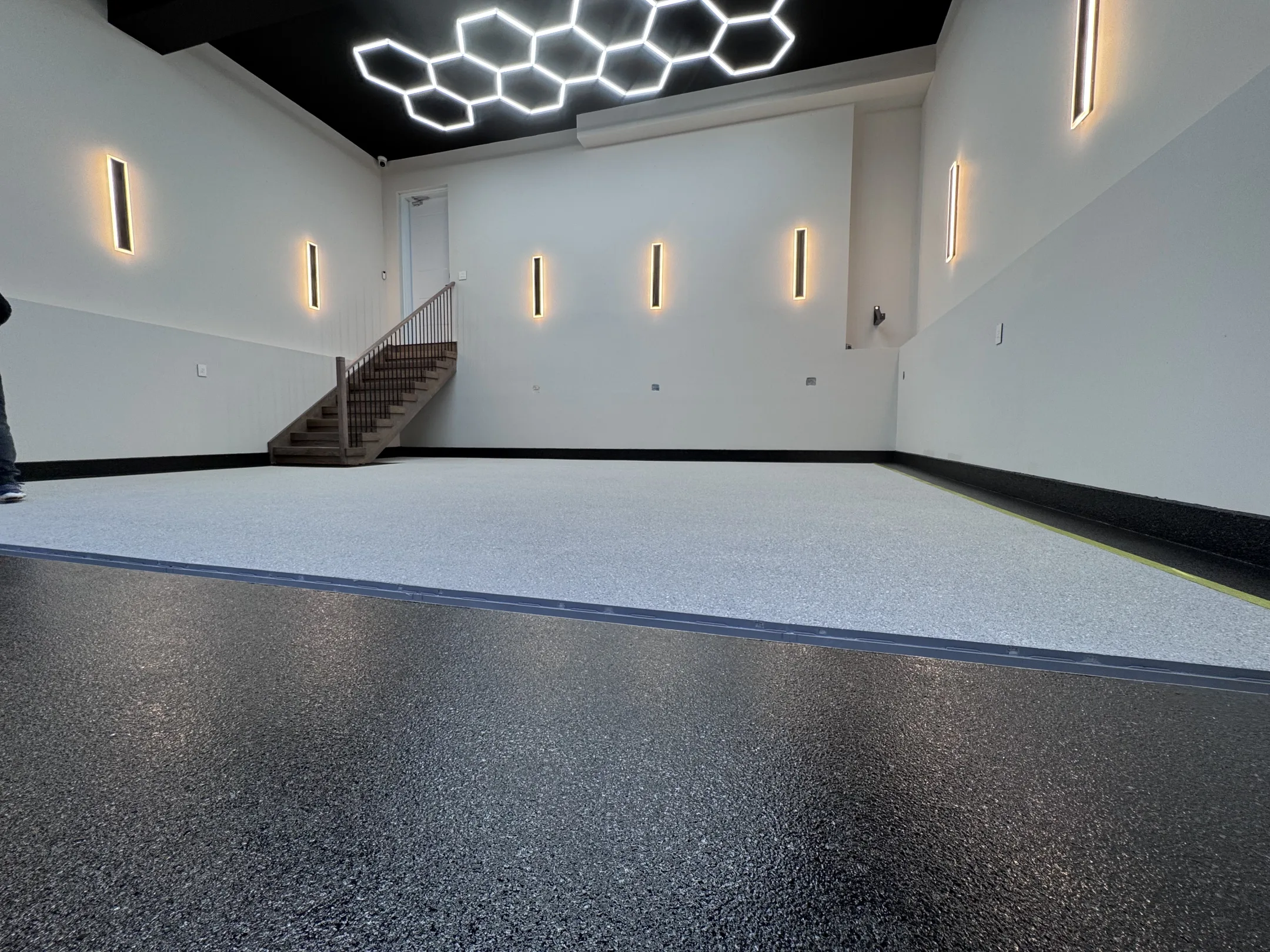
Yes. Polyaspartic systems are commonly installed in residential and commercial garages due to their resistance to hot tire transfer, vehicle traffic, humidity, abrasion and long-term UV exposure.
Depending on environmental conditions and system specifications, polyaspartic flooring systems may return to service significantly faster than conventional coating systems, often within a greatly reduced timeframe.
Polyaspartic coatings provide substantially greater UV stability than many traditional epoxy coatings. Properly specified systems are designed to resist yellowing and maintain color consistency under direct sunlight exposure.
Polyaspartic systems perform exceptionally well in Florida because they offer strong UV resistance, color stability, humidity resistance and fast installation schedules while maintaining long-term durability.
Epoxy systems are commonly utilized for substrate bonding and build thickness, while polyaspartic systems are frequently selected for rapid curing, UV stability and accelerated return-to-service performance. Many premium flooring systems combine both technologies.
Polyaspartic flooring is a high-performance resin flooring system designed to protect concrete surfaces against abrasion, UV exposure, moisture, chemicals and operational wear while allowing significantly faster cure times than many conventional coating technologies.