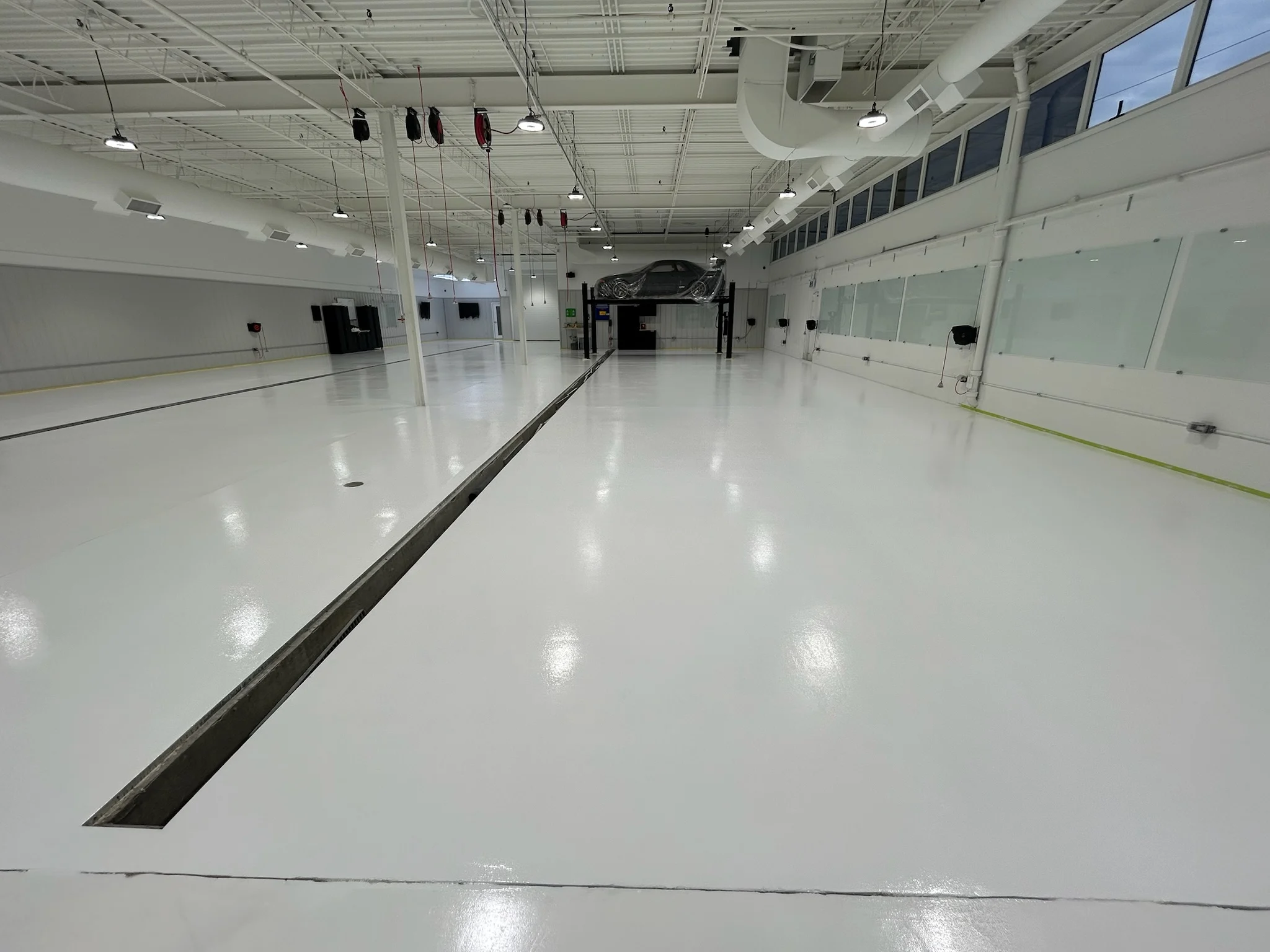
Waterproofing & Traffic Systems
Concrete waterproofing systems are designed to protect surfaces against moisture intrusion, water damage, vapor transmission and long-term structural deterioration across residential, commercial and industrial environments. Through advanced preparation procedures and protective membrane technologies, waterproofing systems create a sealed barrier engineered to block water penetration while improving substrate durability, coating performance and long-term environmental protection.

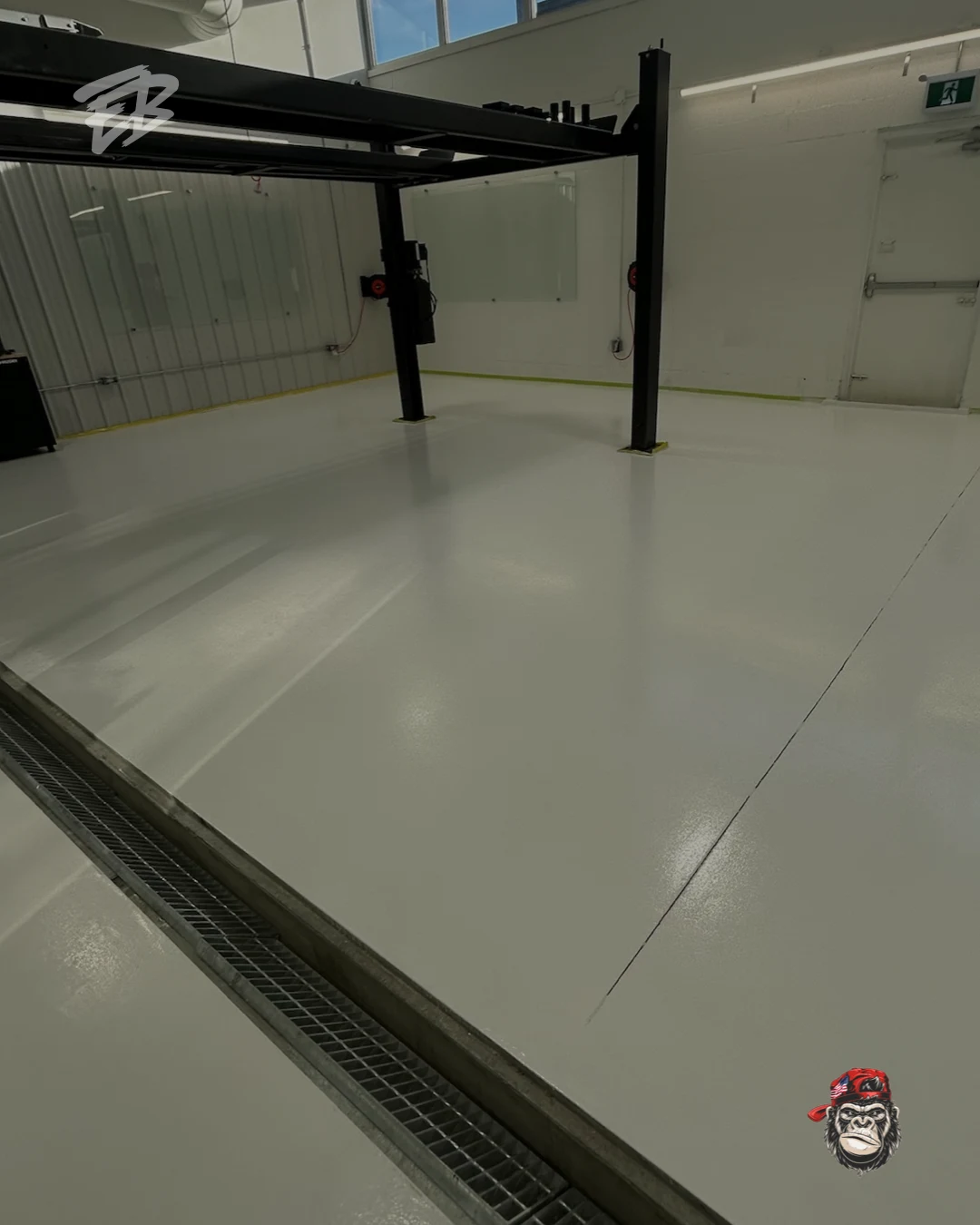
What Proper Waterproofing Really Means
Waterproofing is not simply applying a surface sealer over concrete. A properly developed waterproofing system functions as a multi-stage moisture protection assembly engineered to control water intrusion, stabilize the substrate and protect concrete surfaces against long-term environmental damage.
Why Concrete Requires Moisture Protection
Concrete is naturally porous. Without proper moisture protection, water penetrates through cracks, joints and surface pores, gradually weakening the slab while contributing to: coating failure; mold development; substrate deterioration; cracking; corrosion; delamination; moisture vapor pressure; structural instability. At Epoxy Boss, waterproofing begins with substrate evaluation, moisture analysis and surface preparation before any protective systems are installed. Existing cracks, vapor transmission, environmental exposure, drainage conditions and structural movement all influence system design and waterproofing strategy.
Service Inclusive
Every waterproofing project may include:
Surface Preparation
A strong waterproofing system starts with proper substrate preparation and correction.
- Substrate Evaluation
- Mechanical Surface Preparation
- Industrial Diamond Grinding
01
Concrete Repair & Stabilization
We restore and stabilize damaged or uneven concrete before waterproofing.
- Crack & Joint Remediation
- Waterproof Crack Injection
- Substrate Correction
02
Moisture & Contamination Control
Surfaces are cleaned and assessed to control moisture from the substrate up.
- Contamination Removal
- Moisture Analysis
- Moisture Mitigation Systems
03
Waterproof Membrane & Vapor Systems
Core waterproofing layers engineered to block moisture and vapor intrusion.
- Vapor Barrier Systems
- Waterproof Membrane Installation
- Epoxy & Urethane Waterproofing Systems
04
Integrated Protection
Seamless protection that extends across floors, joints, and walls.
- Traffic Coating Integration
- Integrated Floor-to-Wall Protection
- Cove Base Integration
05
Quality Assurance & Guidance
Final inspection, documentation, and recommendations to ensure long-term performance.
- Quality-Control Inspections
- Project Documentation
- Maintenance Guidance
06
Surface
Waterproofing Behaves Differently Depending On:
Moisture Exposure
Volume and frequency of water contact.
Hydrostatic Pressure
Upward water pressure beneath the slab.
Substrate Condition
Age, soundness, and integrity of the concrete.
Environmental Exposure
Temperature, humidity, and UV conditions.
Coating Compatibility
How layers bond with the existing system.
Traffic Conditions
Foot, vehicle, and equipment load.
Chemical Exposure
Contact with oils, solvents, and corrosives.
Sanitation Requirements
Cleanliness and hygiene standards to meet.
Industrial Compliance
Codes and regulations the facility must meet.
Long-Term Durability
Expected service life and performance goals.

No items found.
FAQ
Everything you need to know about concrete waterproofing, moisture protection, installation, durability, and project expectations.
Does Epoxy Boss install waterproofing systems for industrial and commercial facilities?
Yes. Epoxy Boss installs waterproofing systems across residential, commercial and industrial environments requiring moisture protection, environmental durability and long-term structural performance.
What preparation does Epoxy Boss perform before waterproofing installation?
Preparation may include industrial diamond grinding, crack remediation, substrate correction, moisture evaluation, surface profiling, contamination removal and waterproof crack injection depending on project conditions.
Why is surface preparation important before waterproofing?
Proper preparation ensures strong adhesion between the waterproofing system and the substrate. Grinding, profiling and crack remediation help eliminate weak points where moisture may penetrate.
Can waterproofing be integrated with epoxy or polyaspartic systems?
Yes. Waterproofing systems are commonly integrated directly with epoxy flooring, polyaspartic coatings, vertical coatings and cove base assemblies to create complete environmental protection systems.
Does waterproofing help prevent mold and mildew?
Yes. By reducing moisture intrusion and controlling damp conditions, waterproofing systems help minimize the environmental conditions that contribute to mold and mildew growth.
Can cracks be waterproofed?
Yes. Waterproof crack injection and crack remediation procedures may be integrated into waterproofing systems to help prevent moisture infiltration through damaged concrete areas.
What is hydrostatic pressure?
Hydrostatic pressure refers to water pressure pushing against the concrete slab from beneath or surrounding areas. Excessive moisture pressure can damage flooring systems if not properly controlled.
Can waterproofing help prevent coating failure?
Yes. Moisture intrusion and vapor transmission are major causes of coating delamination and adhesion failure. Proper waterproofing helps stabilize the substrate and improve long-term coating performance.
Where is waterproofing commonly used?
Waterproofing systems are commonly installed in:
- basements
- garages
- parking structures
- commercial kitchens
- warehouses
- industrial facilities
- washdown environments
- exterior surfaces
- food processing facilities
What is the difference between waterproofing and sealing?
Standard sealers primarily help repel surface moisture temporarily, while waterproofing systems are engineered to resist long-term water intrusion, hydrostatic pressure and moisture penetration within the concrete structure itself.
Why is waterproofing important for concrete floors?
Concrete naturally absorbs moisture. Without waterproof protection, water can weaken the substrate, cause coating failure, contribute to cracking and create conditions for mold and long-term structural damage.
What is concrete waterproofing?
Concrete waterproofing is an engineered protection system designed to reduce water penetration, moisture intrusion and vapor transmission within concrete structures. Unlike a simple surface sealer, a waterproofing system may include moisture testing, mechanical surface preparation, crack remediation and the installation of specialized waterproof membranes or protective coatings. Proper waterproofing helps protect concrete against cracking, corrosion, coating delamination, mold and mildew growth, and long-term structural deterioration. It is commonly used in garages, commercial buildings, warehouses, industrial facilities, parking structures, basements and exterior concrete surfaces throughout South Florida, where high humidity, heavy rainfall and groundwater exposure can accelerate moisture-related damage.
OuR Systems
Epoxy Boss offers a range of decorative and functional coating systems, each engineered for a specific environment, level of use, and visual impact.
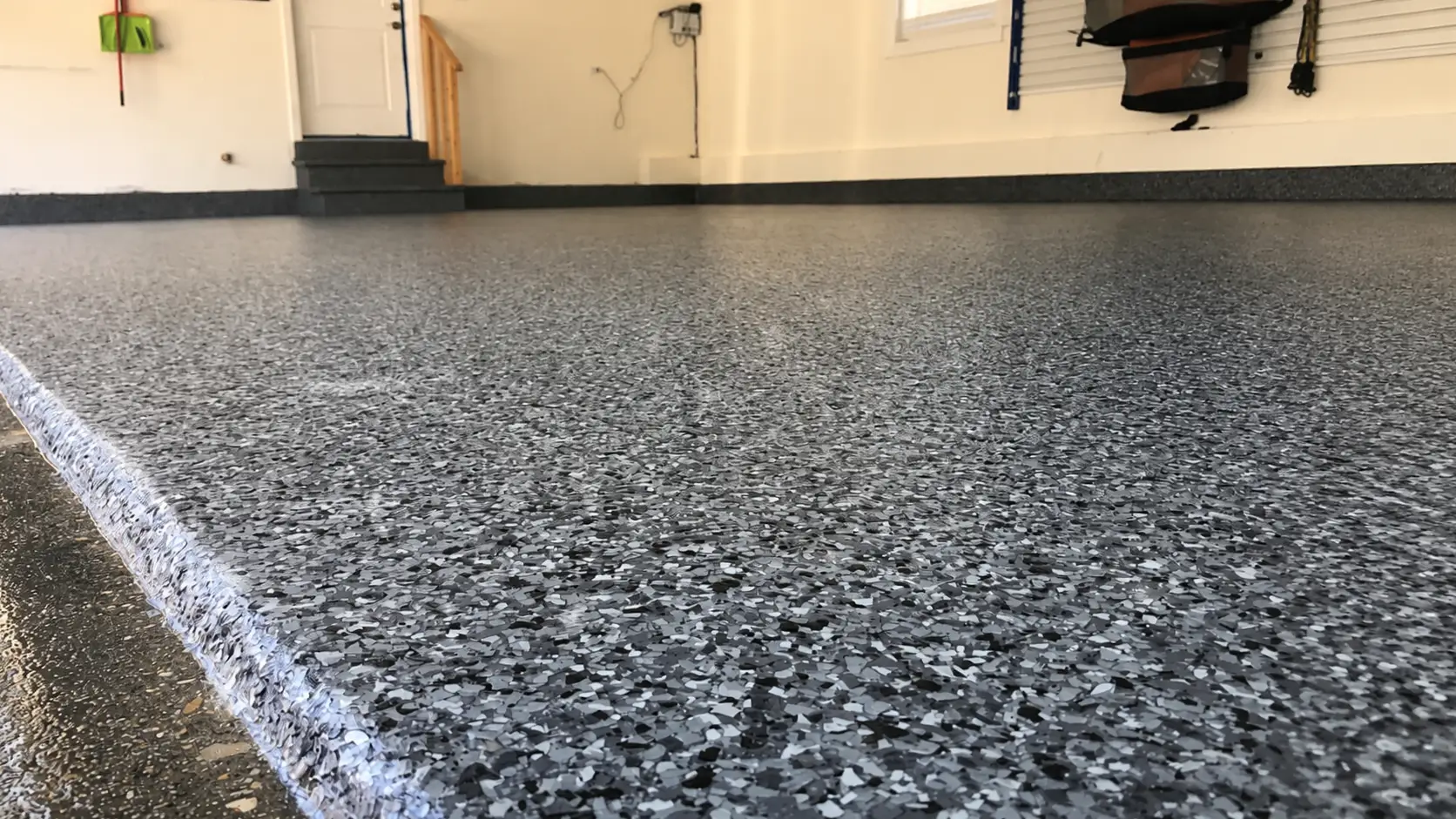
Flakes System
A durable, multi-layer system designed for everyday performance with atextured, slip-resistant finish.
Flake systems combine vinyl chips with resin to create a surface that hides wear, improves traction, and handles high traffic environments with ease.
Built for:
Traction
Durability
Low Maintenance

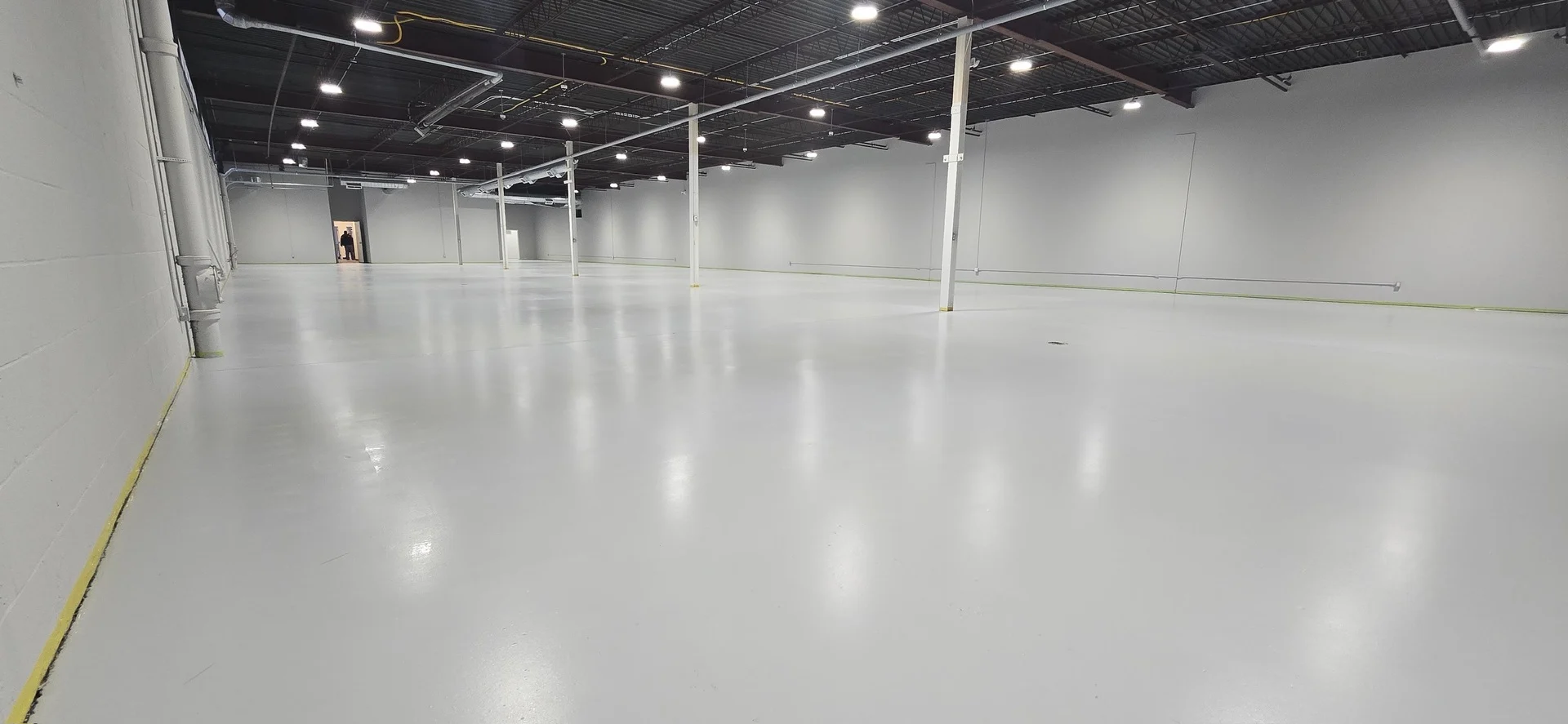
Solid System
A clean, uniform coating system designed for simplicity, strength, and easy maintenance. Solid systems deliver a seamless, modern finish with consistent color throughout — ideal for spaces that demand a professional and minimal look.
Built for:
Clean Appearance
Easy Maintenance
Durability
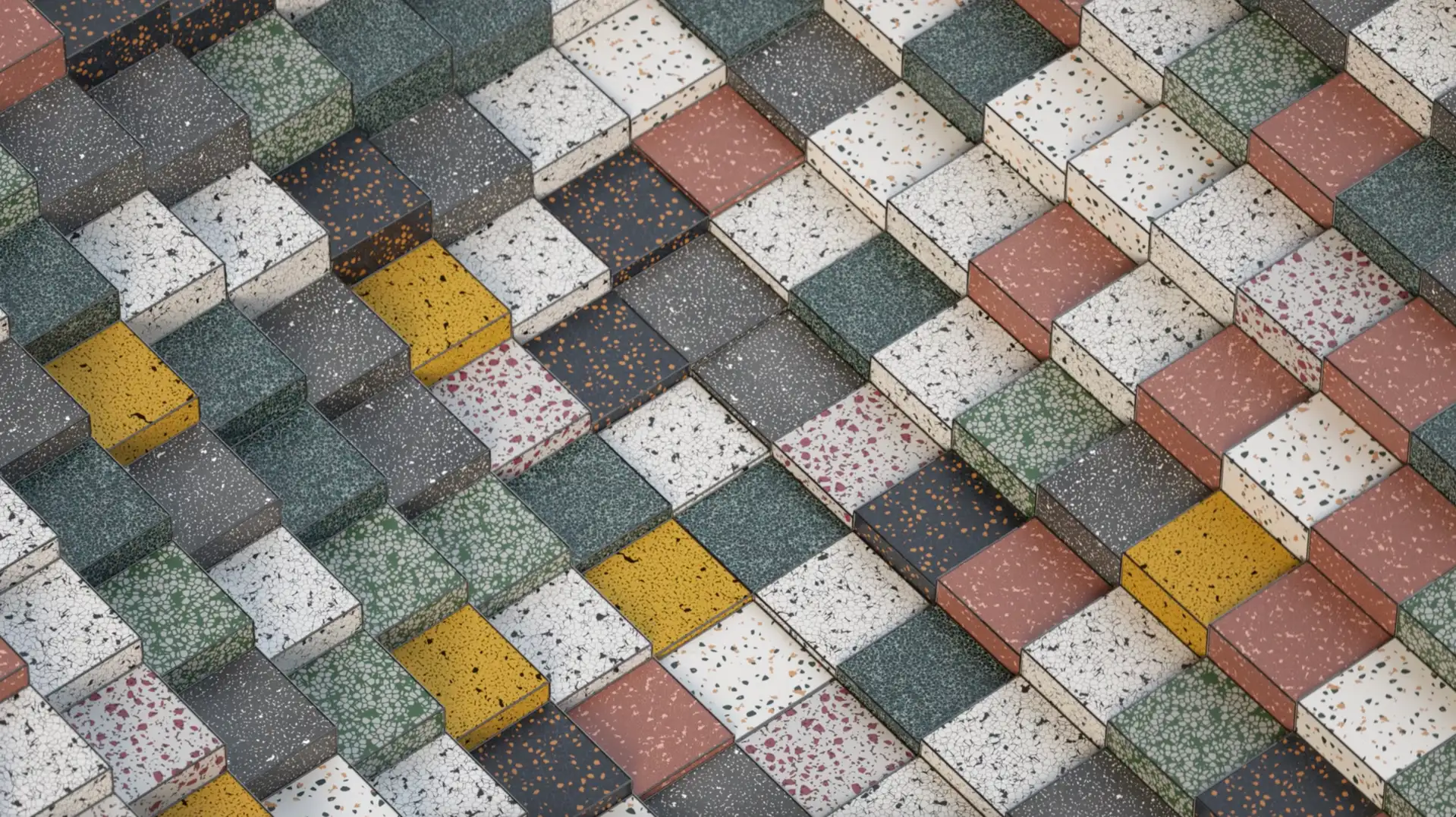
Quartz System
A heavy-duty system built for maximum durability, safety, and performance in demanding environments. Quartz systems combine resin with mineral aggregates to create a dense, textured surface known for strength, slip resistance, and chemical durability.
Built for:
Extreme Durability
Safety
Heavy Traffic
Metallic Systems
A high-end decorative system designed to create depth, movement, and a one-of-a-kind finish.
Metallic epoxy uses pigments to produce a glossy, 3D effect that transforms concrete into a statement surface - no two floors are the same.
Built for:
Visual Impact
High-Gloss Finish
Custom Design
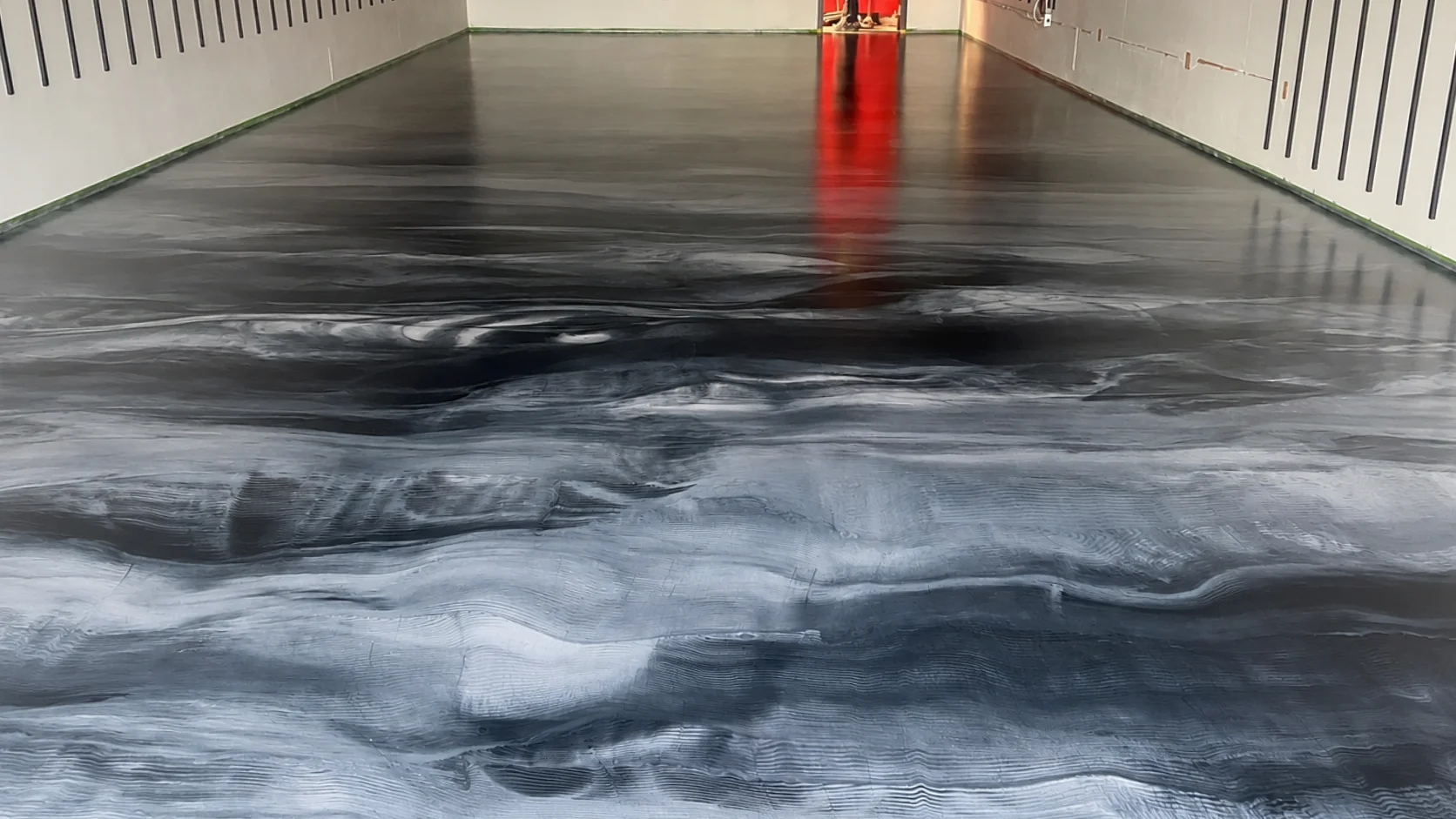
Metallic System
A high-end decorative system designed to create depth, movement, and a one-of-a-kind finish. Metallic epoxy uses pigments to produce a glossy, 3D effect that transforms concrete into a statement surface - no two floors are the same.
Built for:
Visual Impact
High-Gloss Finish
Custom Design
OuR Applications
Epoxy Boss delivers concrete coating and epoxy flooring systems across residential, commercial, and industrial environments — each designed for the way the space is actually used, not just how itlooks.
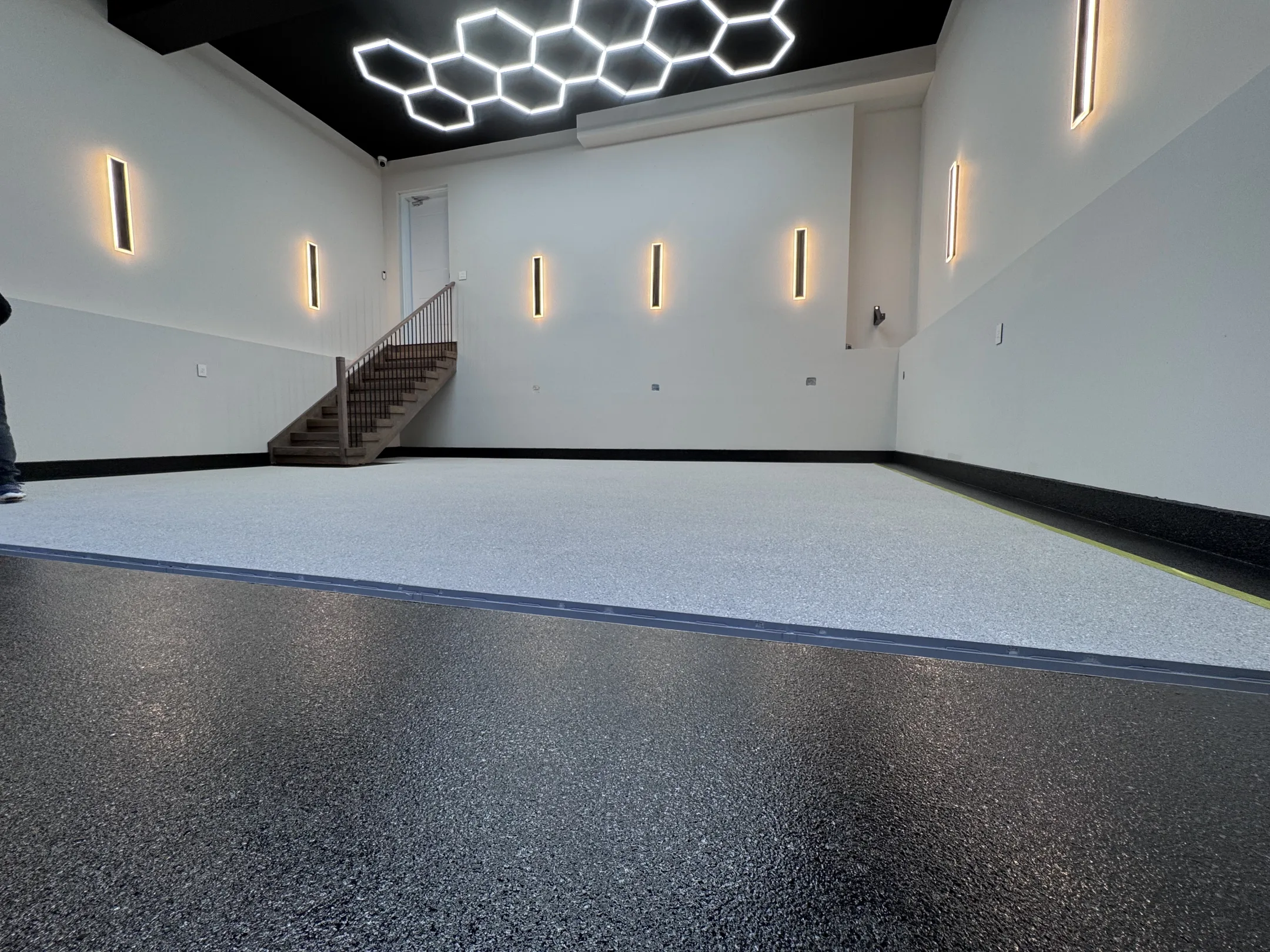

Residential Spaces
Designed for daily use, seasonal exposure, and long-term durability - without sacrificing finish.
Built to handle:
Daily Traffic
Vehicles
Salt
Temperature Changes
Commercial Spaces
Clean, durable, and professional flooring systems built for customer-facing environments and high foot traffic.
Engeniered for:
Appearance
Safety
Performance
Low Maintenance
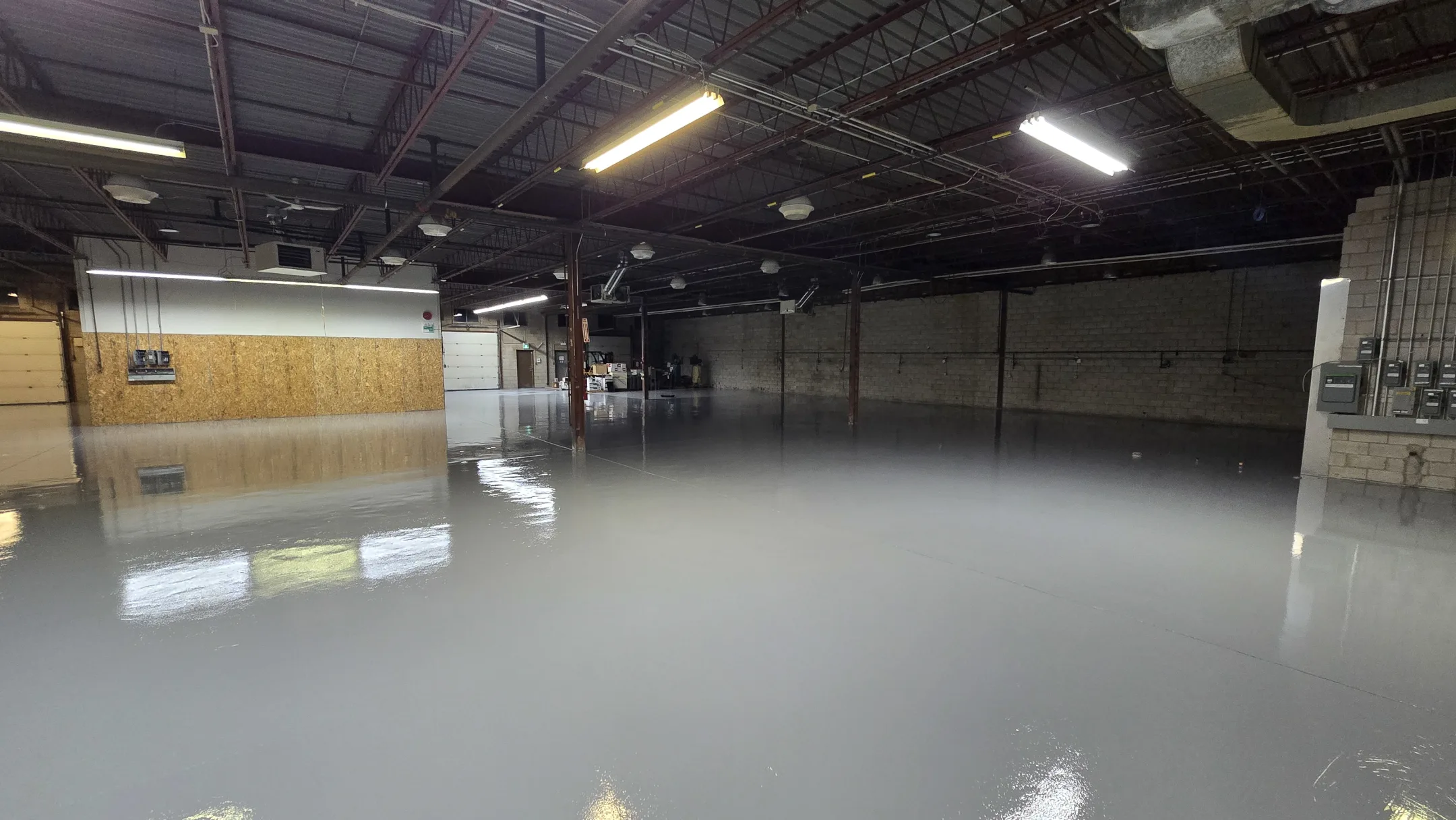
Industrial & High-Demand Facilities
Heavy-duty systems designed for environments where performance is critical and failure is not an option.
Built to withstand:
Heavy Loads
Machinery
Continuous Use
Learn More
Why Epoxy Boss
Epoxy Boss operates as a concrete surface preparation and protection company specializing in technical flooring systems across Ontario and Florida.
Our operational structure includes:
- specialized installation crews
- industrial-grade preparation equipment
- project management systems
- field supervision
- structured quality-control procedures
- commercial-scale operational capability
Projects are approached through:
- substrate analysis
- preparation-first installation
- environment-specific system selection
- moisture management
- operational workflow planning
- long-term durability objectives
The company maintains:
Epoxy Boss has completed projects ranging from residential garage systems to large-volume industrial operations for manufacturing and commercial facilities across multiple sectors.
- WSIB coverage
- structured operational workflows
- safety compliance standards
- commercial project coordination systems
- large-scale production capability
Because high-performance flooring is not defined byappearance alone. It is defined by how the surface performs under years ofreal operational use.
Ready to Upgrade Your Floors?
Custom epoxy systems tailored for garages, basements, showrooms, patios, and industrial environments — combining industrial-grade durability with premium aesthetics.
How we work
01
first touch with us
High-performance floor systems built for real-world abuse. From decorative epoxy toindustrial-grade traffic coatings, we install seamless finishes that resist impact, chemicals, and daily wear - without compromising on style. Includes overlays, traffic coatings, and advanced membrane systems for long-term protection.
02
Quotation
Get a clear and accurate price using our online calculator for instant estimates, or connect with us directly for a detailed quote. For more complex projects, we can schedule an on-site visit to finalize all details.
03
Decision making
We help you choose the right system, finish, and colors based on your goals. From flake to solid or metallic systems, you will have full clarity and confidence in your selection.
04
Scheduling + 50% Deposit
Once everything is confirmed, we lock in your project date. A 50% deposit secures your spot, allowing us to allocate materials and crew accordingly.
05
Day of the project
Our team completes full surface preparation including grinding and crack repair, followed by precise application of your selected multi-layered system based on manufacturer specifications.
06
Project Review
We walk through the finished space with you to ensure satisfaction. After approval, the remaining 50% balance is collected and the project is officially completed.
EPOXY BOSS