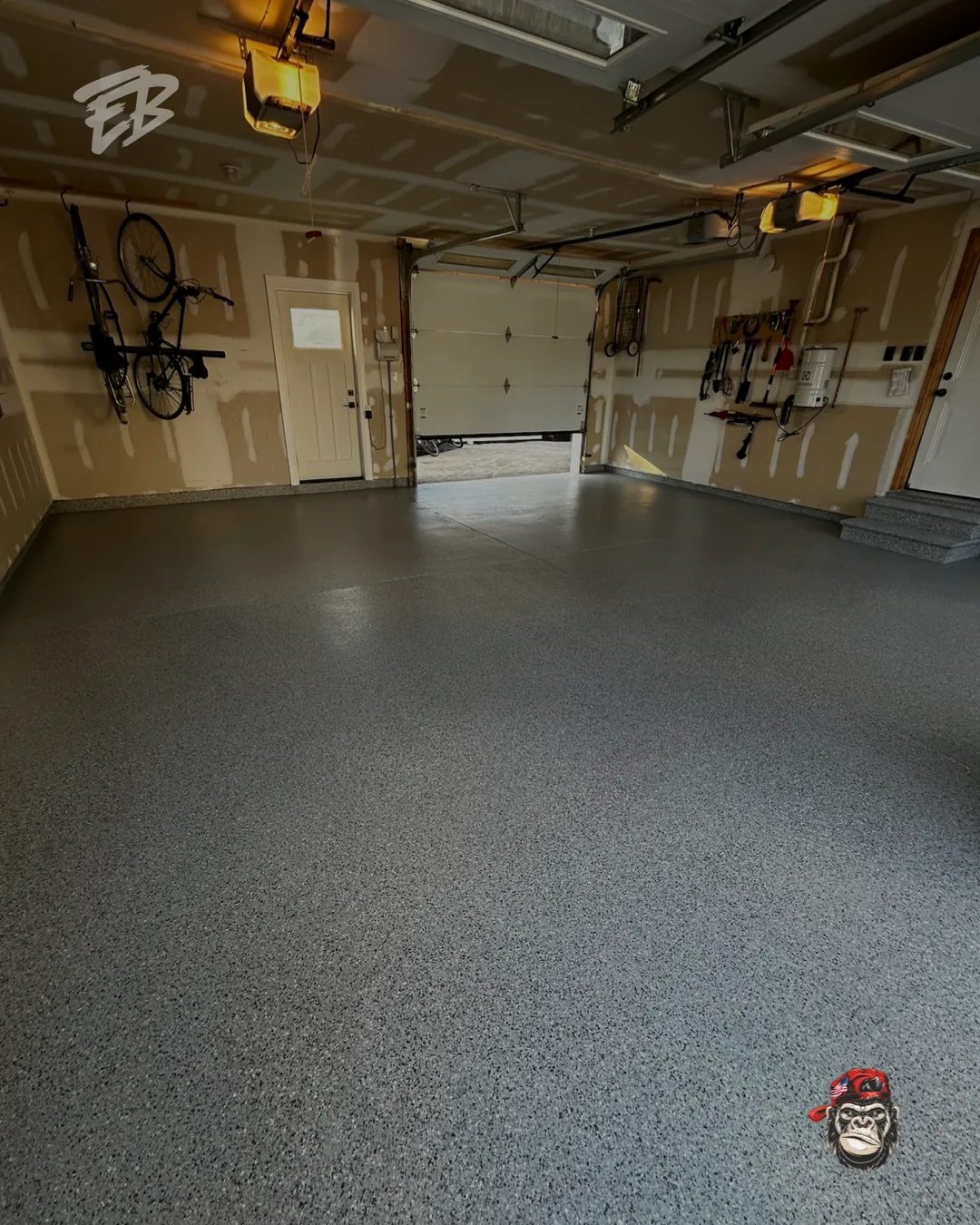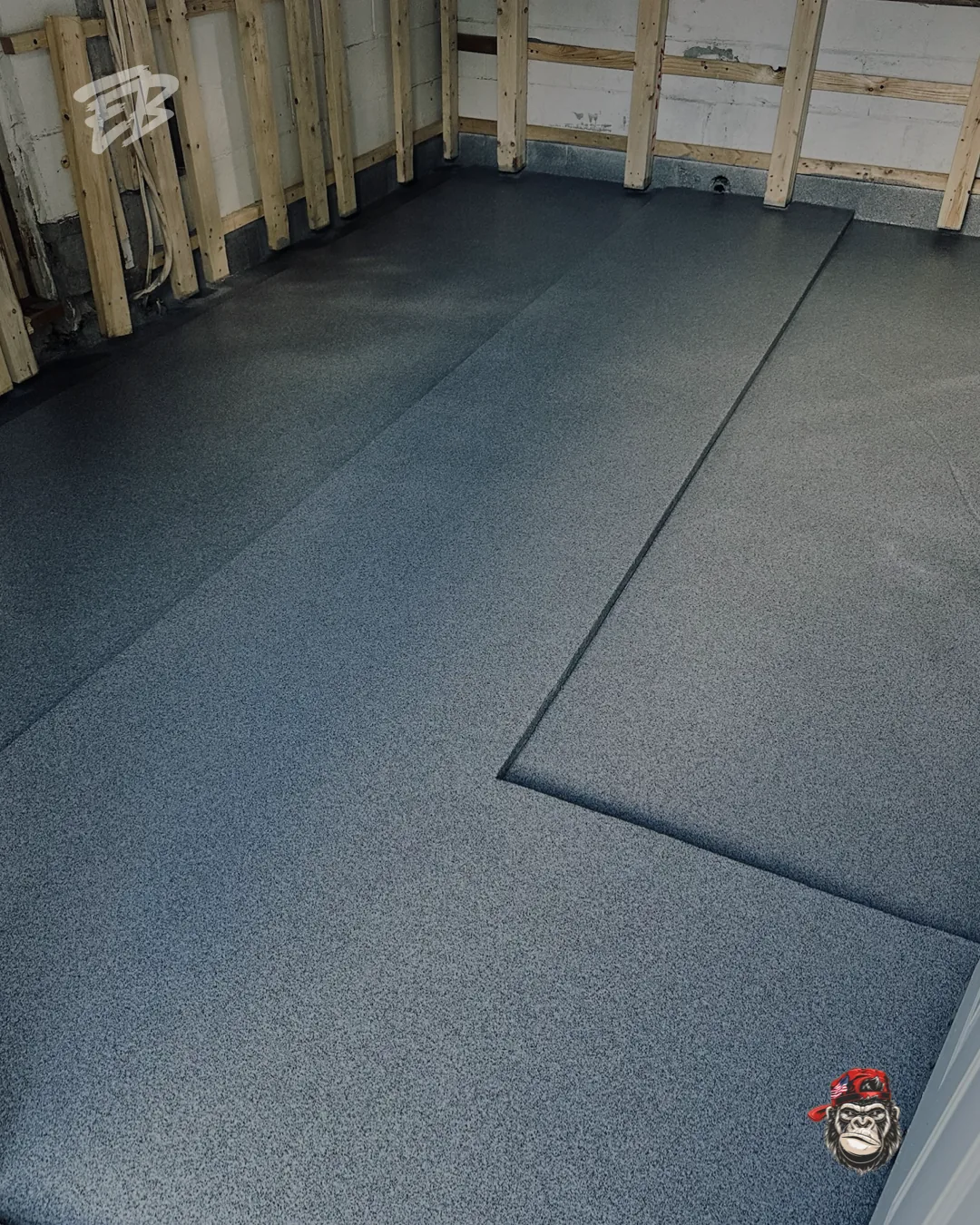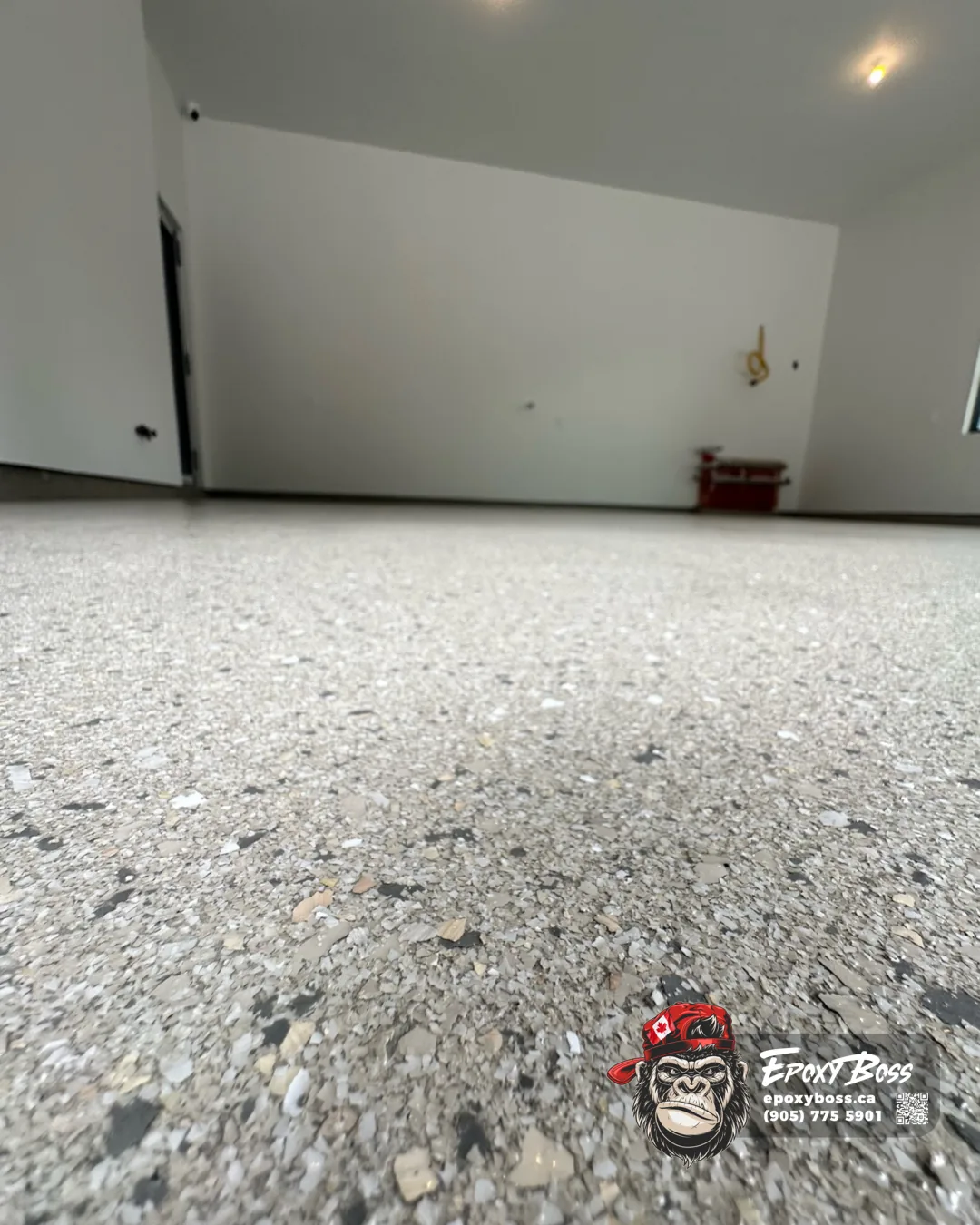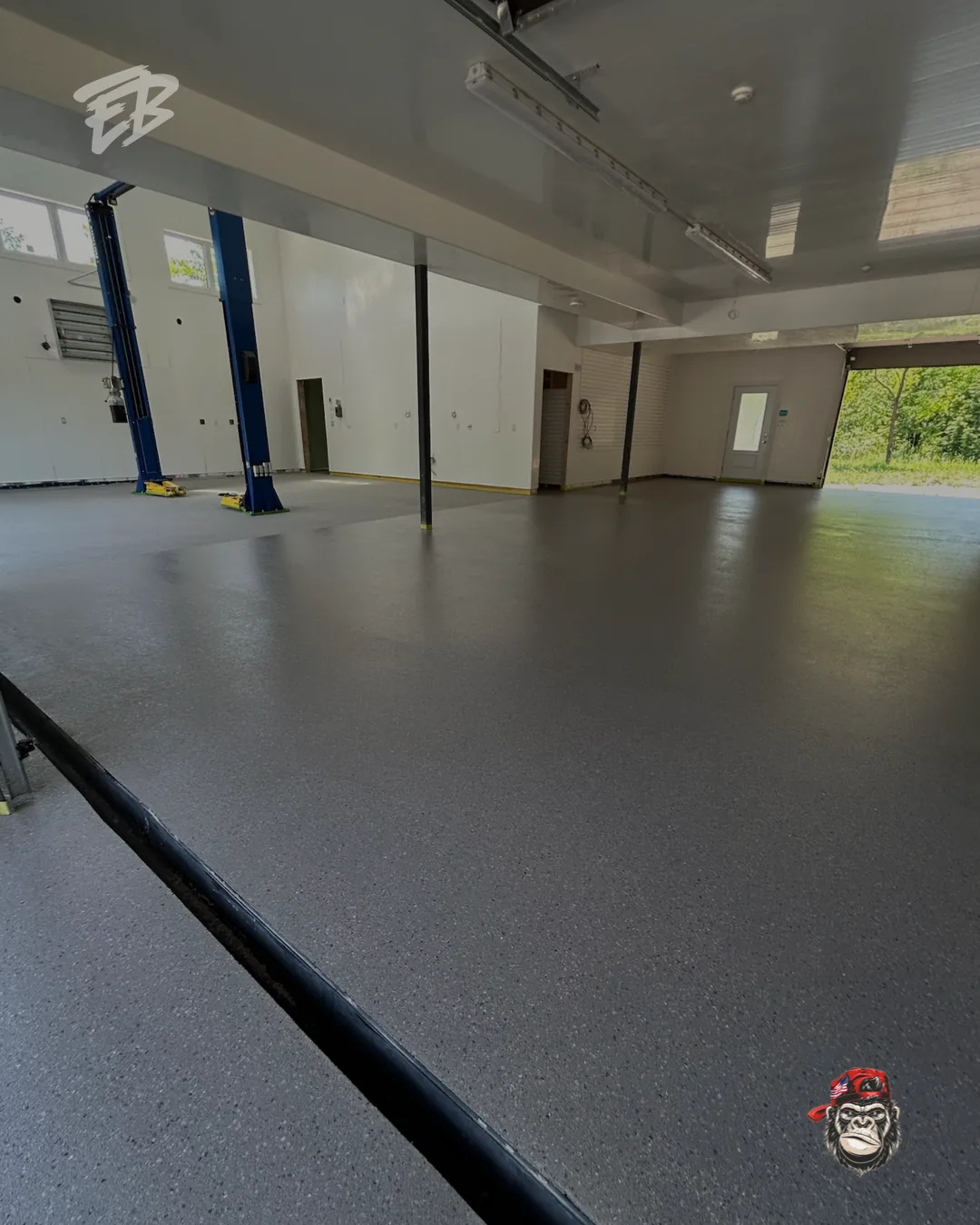
What acid etching is supposed to do
Etching means applying an acid — usually muriatic or a citric-based product — to open the surface of a slab so a coating can bond. Every DIY kit on the shelf includes a packet of it, because it's cheap, it needs no equipment, and it produces something that feels rougher afterward.
The theory is sound. The execution is where it falls apart.
Why it fails as preparation
It can't produce a consistent profile. Concrete surface profiles run on a defined scale from CSP 1 to CSP 9, and coating manufacturers specify which one their system requires. Acid reacts with the calcium hydroxide in the cement paste — unevenly, because that paste isn't distributed evenly. You end up with a slab that's aggressive in some places, barely touched in others, and no way to verify which is which.
It doesn't remove what's actually in the way. Acid does nothing to old sealers, curing compounds, oil that has soaked in, glue or paint. If a previous sealer is present — and on most garage slabs one is — the acid never reaches the concrete at all. It just sits on the sealer.
It leaves residue behind. The reaction produces salts that have to be fully neutralized and rinsed away. Any left behind sits between the concrete and the coating. And rinsing requires water, which then has to leave the slab entirely before coating — in South Florida humidity, that takes considerably longer than most people wait.
It can't flatten anything. Etching removes microns. It has no effect on high spots, trowel marks or an uneven slab.
What it looks like when it fails
The floor goes down looking fine. Six to twelve months later, sheets lift — usually starting where a car parks. That's hot-tire pickup: tires hot from summer pavement soften a weakly bonded coating, then grip it as they cool and pull it off the slab.
The coating gets the blame. The coating was never the problem. It simply never had a mechanical key to hold on to.
What we do instead
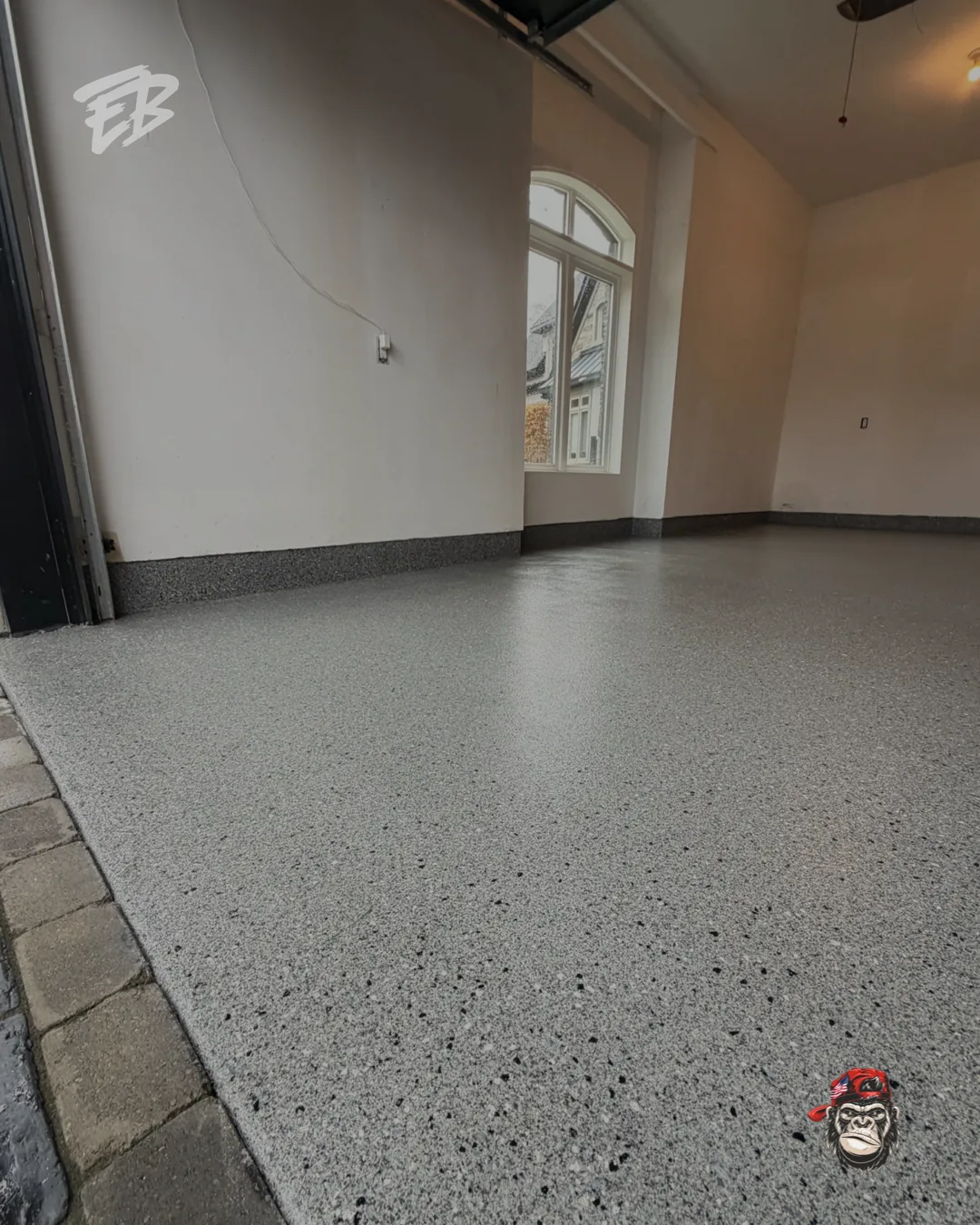
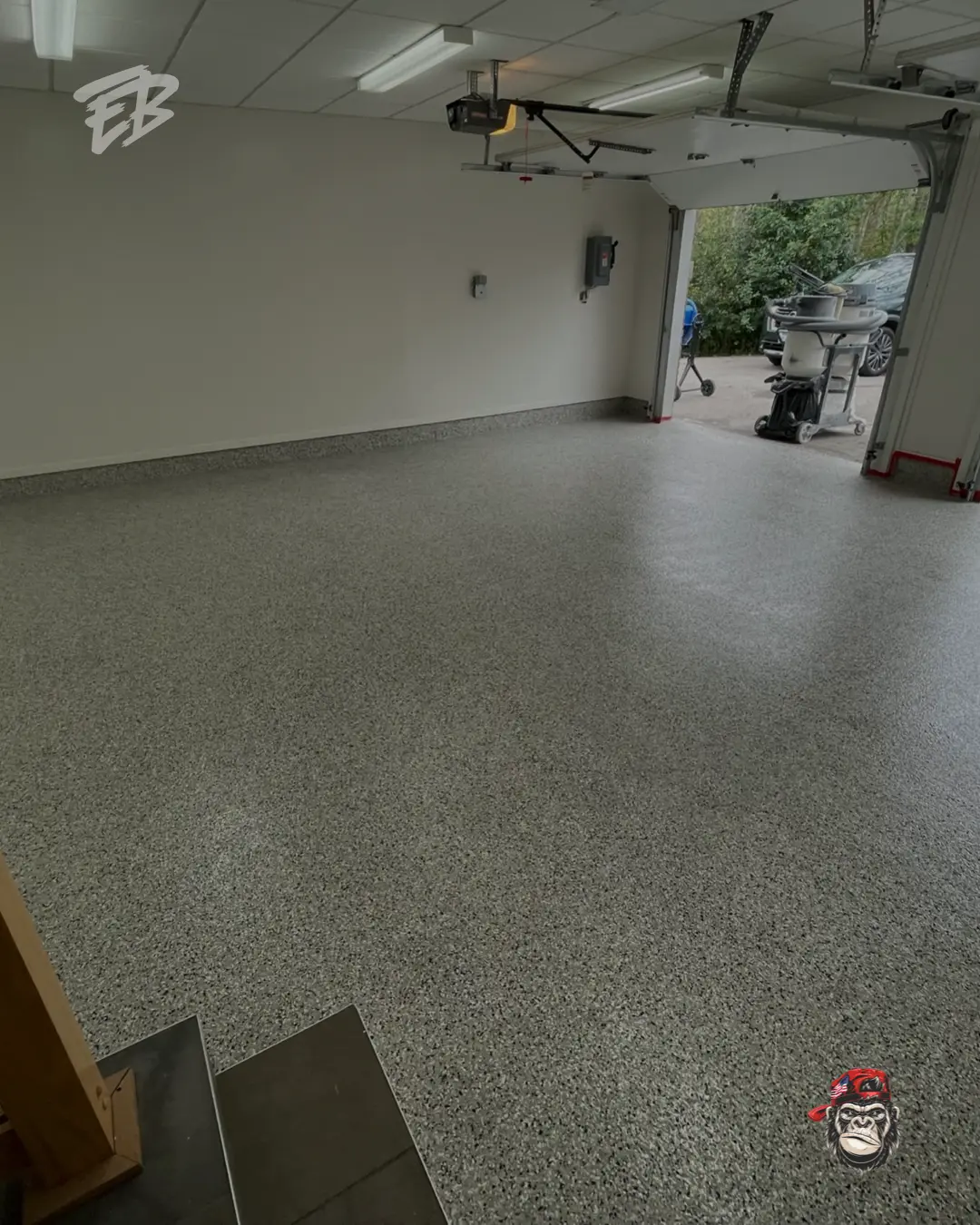
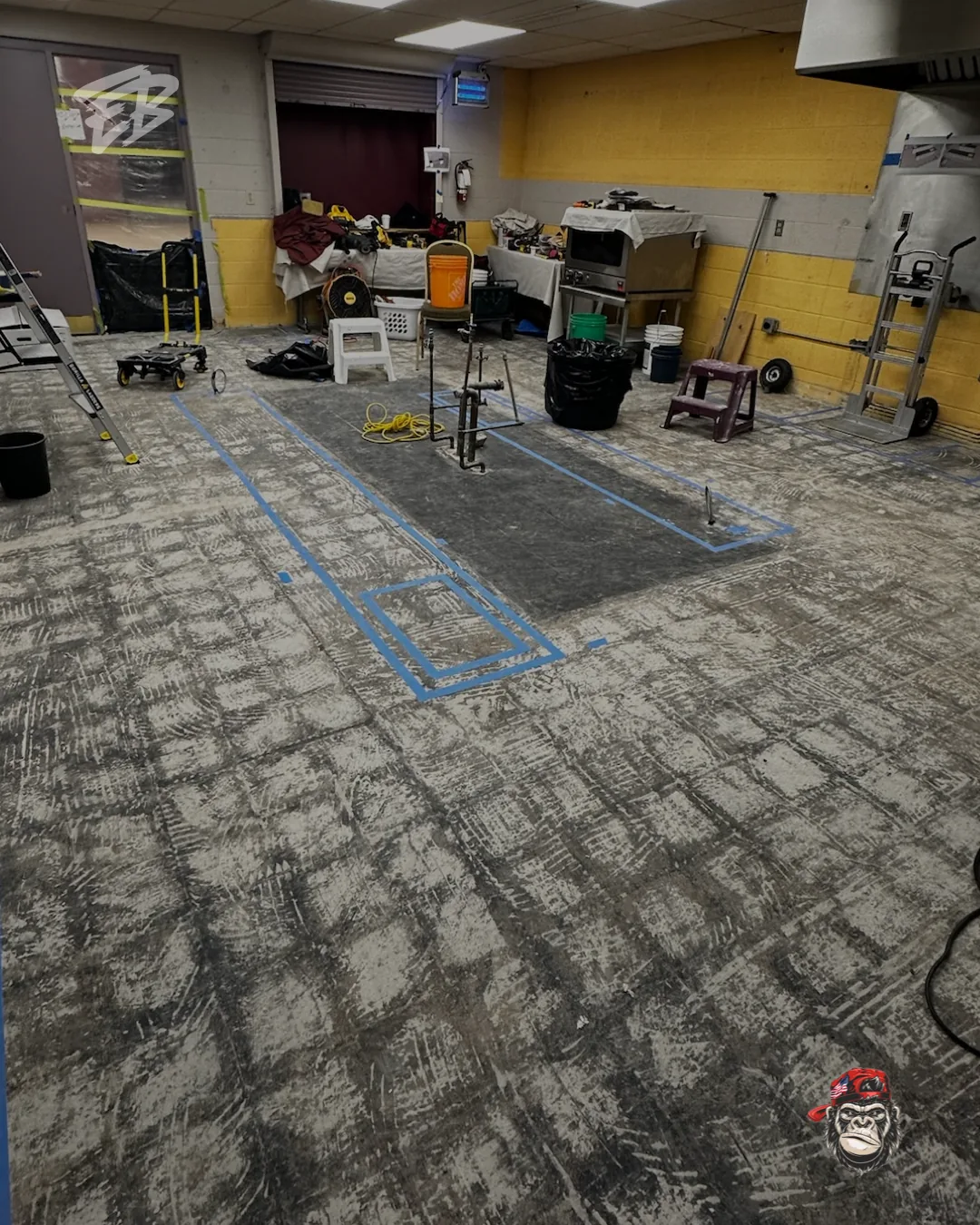
Planetary diamond grinding to a CSP-3 profile for flake and polyaspartic systems. Mechanical, measurable, consistent across the entire floor including edges and corners.
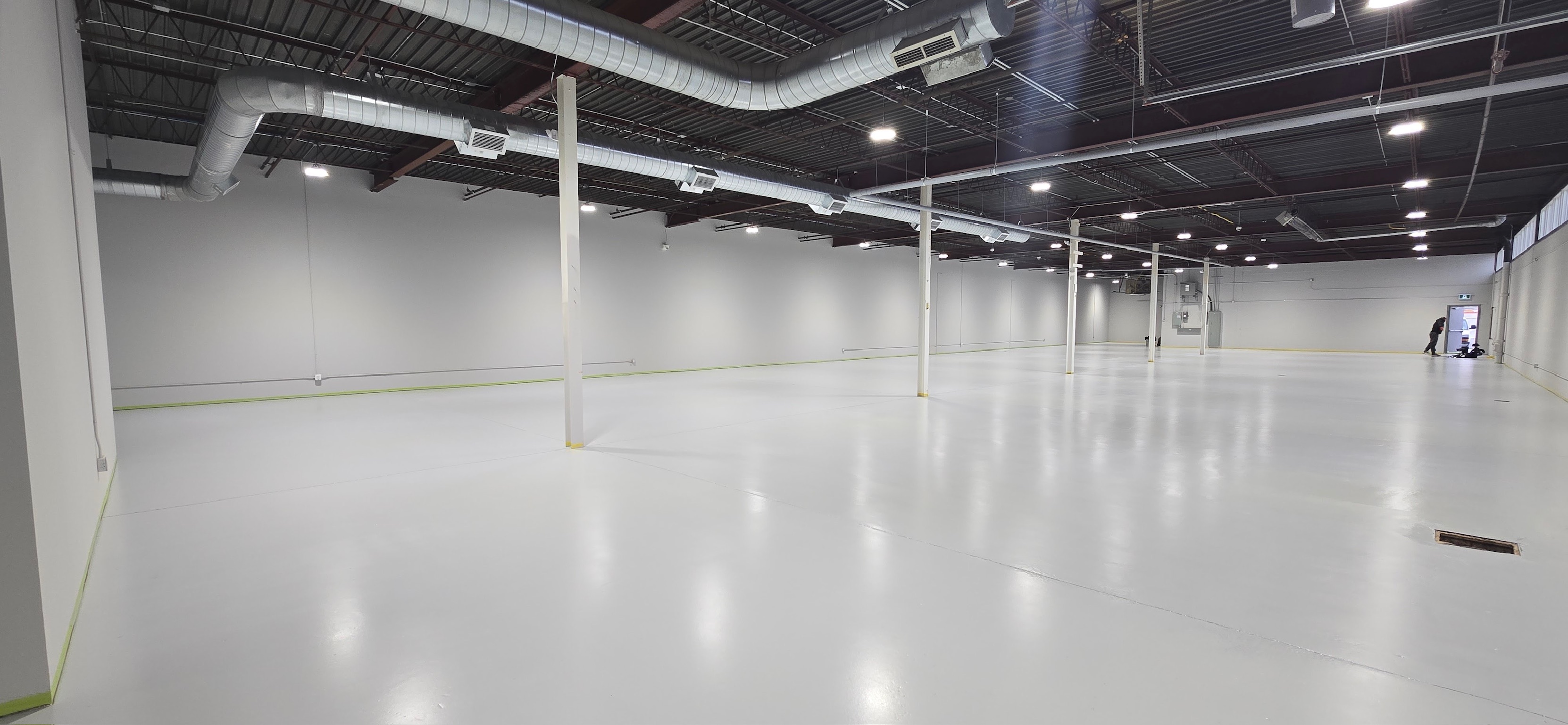
Shot blasting on large open areas where speed matters and an existing coating needs removing across the full field.
Both remove material rather than react with it, which means they take off sealers, adhesives and contaminated surface layers along the way. Both capture dust at the source rather than generating acidic runoff. And both produce a profile that can be inspected before the first coat goes down.
The one place etching still makes sense
For a small, previously uncoated, clean interior slab where someone is applying a thin water-based sealer themselves and accepts a shorter service life — etching is a reasonable trade. It's cheap and it's better than nothing.
For anything we install a warranty on, it isn't a trade we can make. The manufacturer's warranty on the material assumes a specified profile was achieved, and etching cannot demonstrate that it was.
If a contractor quotes you a coated floor and the preparation line says “clean and etch,” that's worth a question before you sign.


%25202.webp)