Epoxy Flooring Miami, FL | Garage & Commercial Floors
Thank you! Your submission has been received!
Oops! Something went wrong while submitting the form.


Miami covers the widest range of concrete we deal with. Houses through Shenandoah and Little Havana go back to the twenties and thirties, the towers along Brickell and the bay are twenty years old at most, and between them sit the working blocks of Allapattah and Wynwood.
So nothing is specified from a template. Older slabs are tested for moisture before anything decorative. Bayfront buildings get finishes made for salt and a phased schedule with approvals in hand. Working floors are chosen around traffic and cleaning rather than appearance.
Miami has the widest range of concrete we work on, and the system follows the building rather than a color chart.
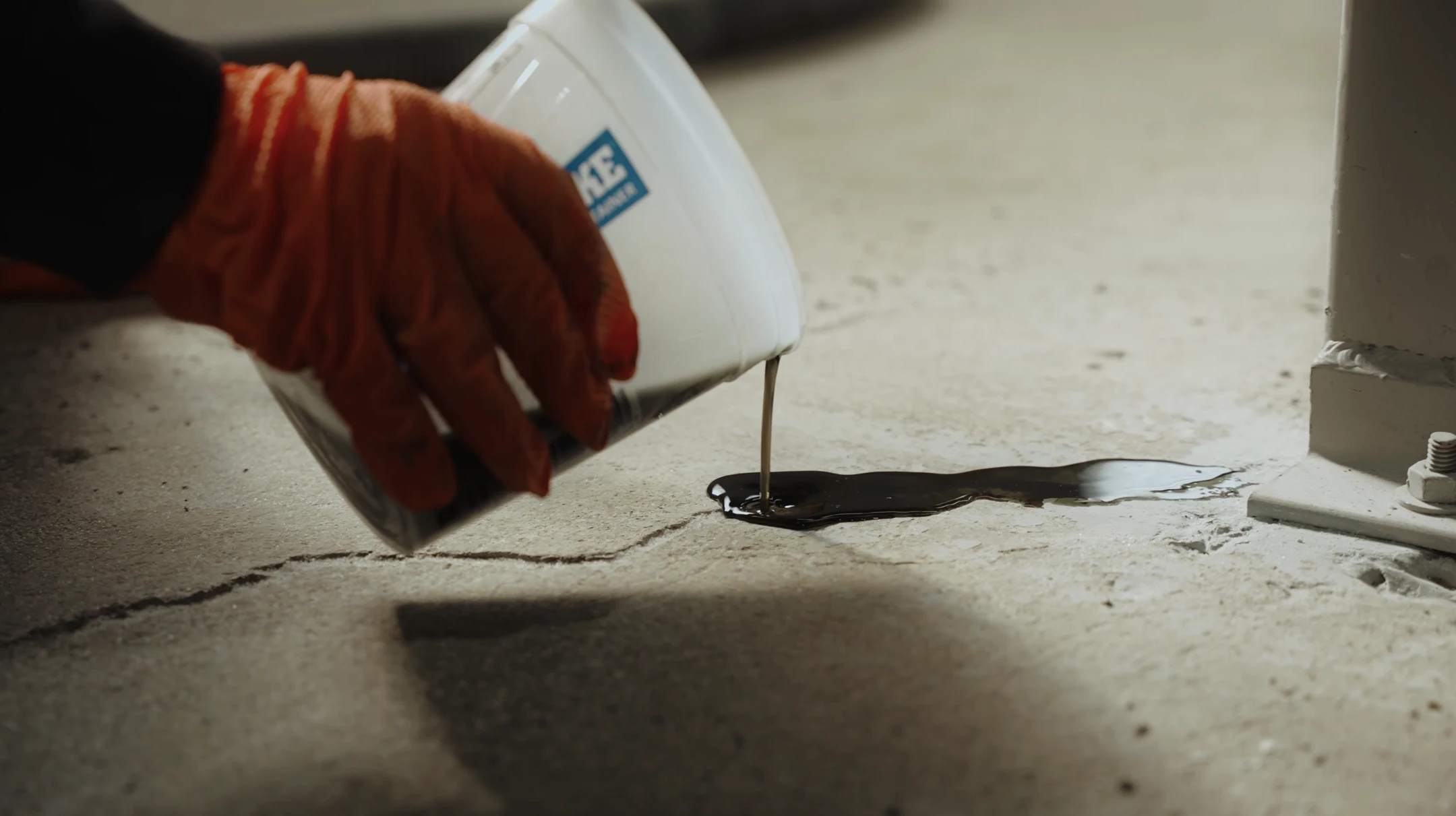
Older neighborhoods. Houses through Shenandoah and Little Havana go back to the twenties and thirties. Slabs that old are tested for moisture before anything decorative is specified, and a moisture-mitigating primer goes down first when the readings call for it.
Bayfront and Brickell buildings. Garages and common areas near the bay take salt every day. We use finishes made for salt, seal every termination and work to a phased schedule with building approvals in hand, so residents stay parked.
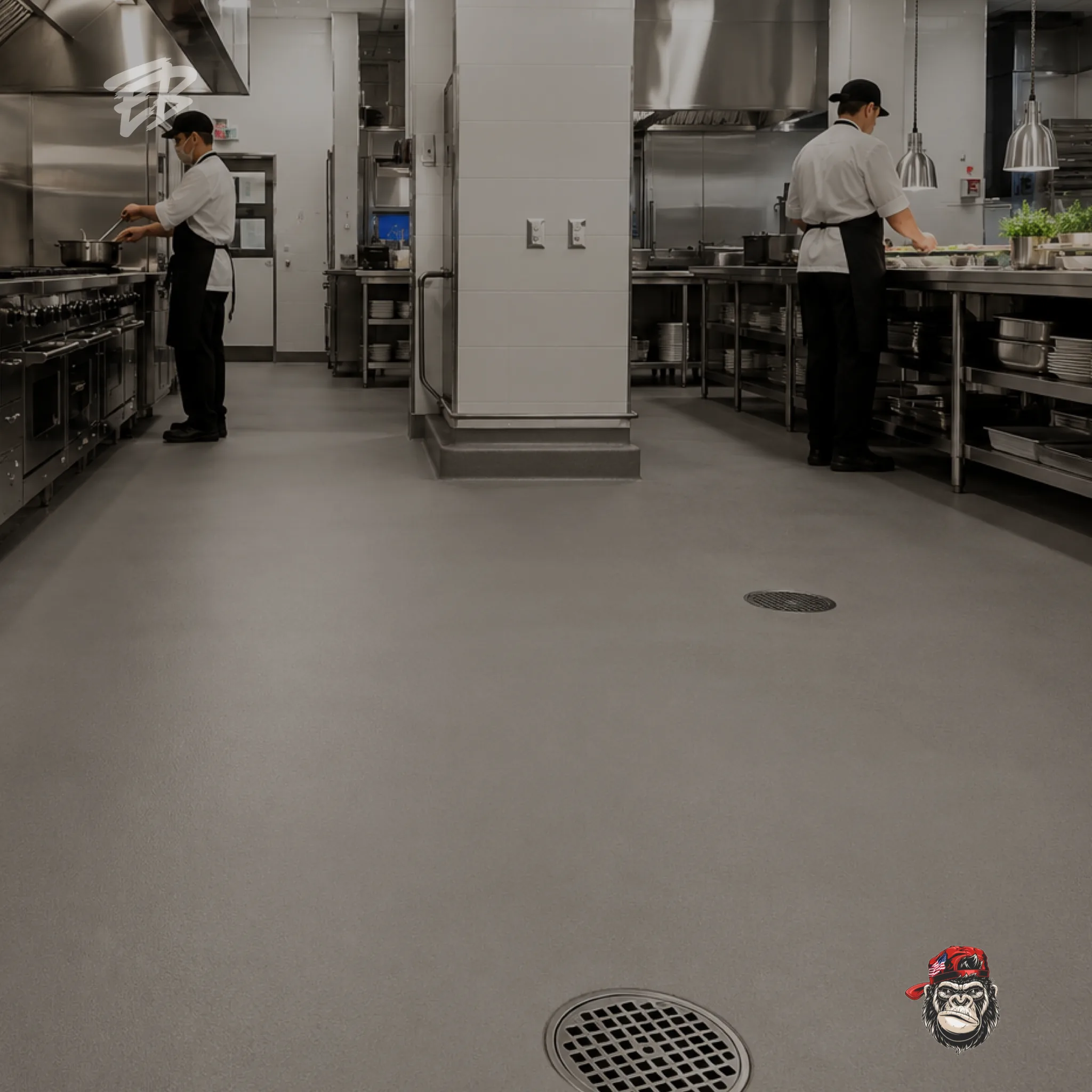
Working blocks. In Allapattah, Wynwood and the commercial corridors, floors are chosen around traffic, spills and cleaning rather than appearance: kitchens, shops, warehouses and showrooms each need a different build.
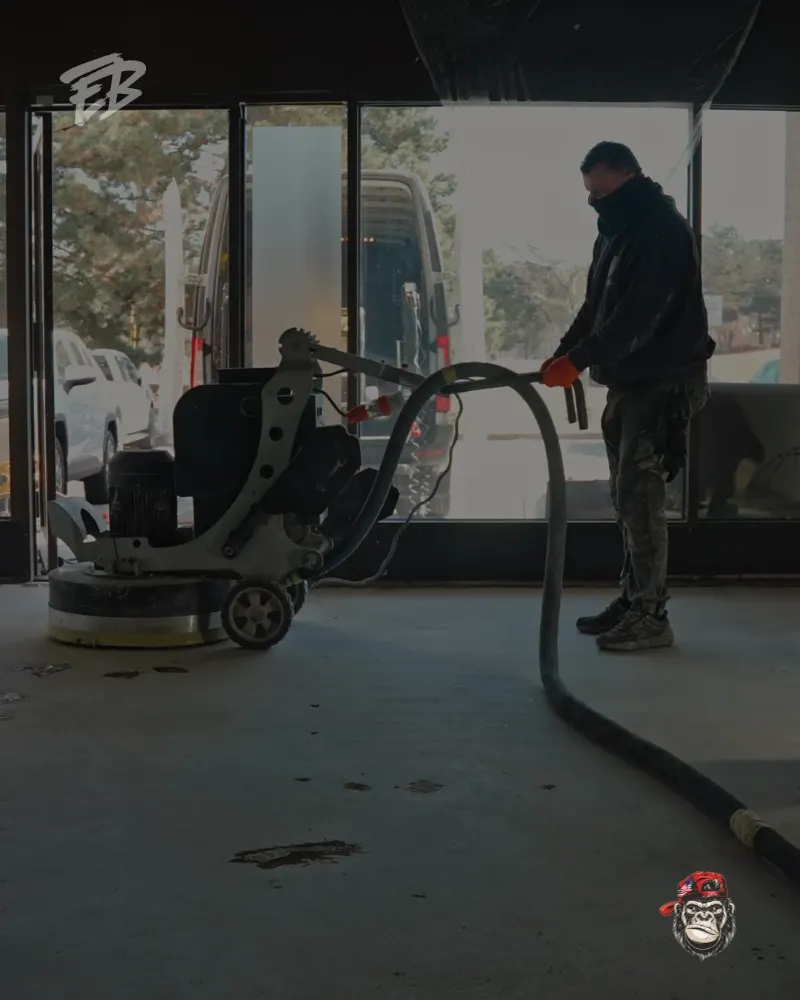
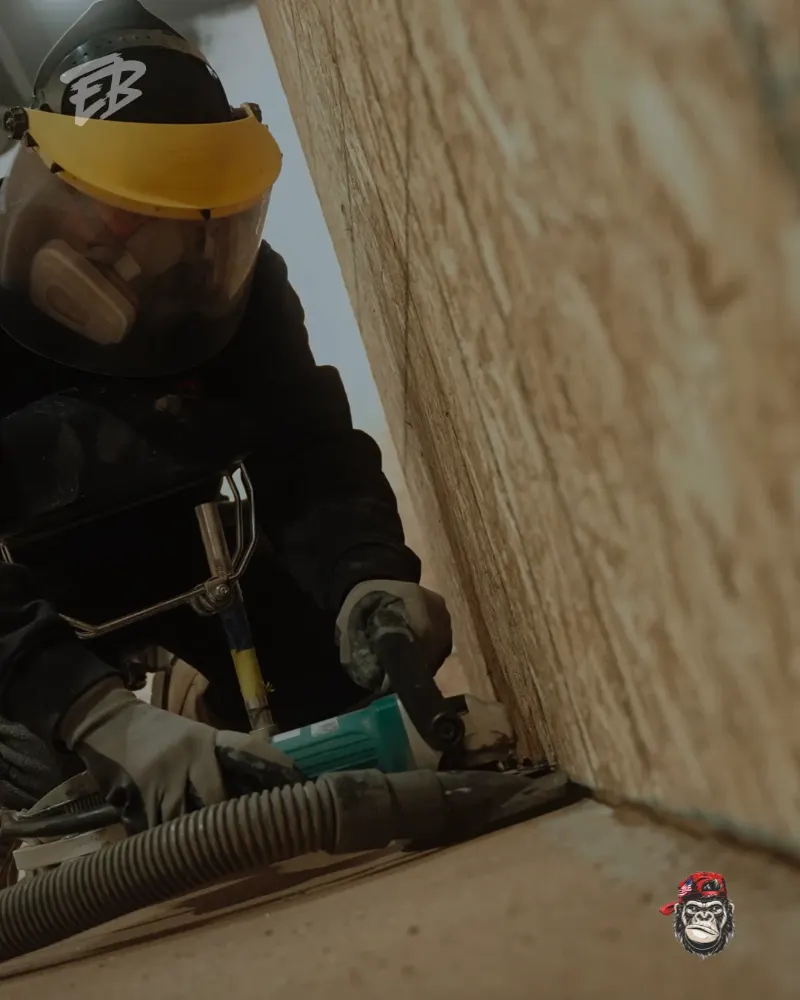
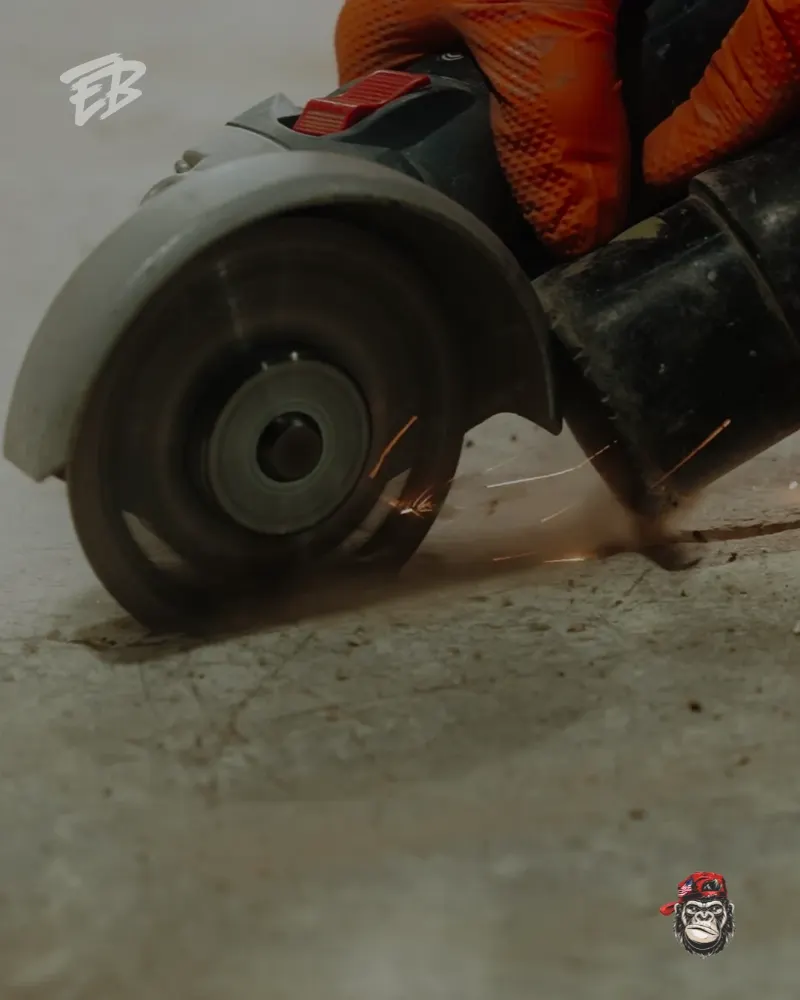
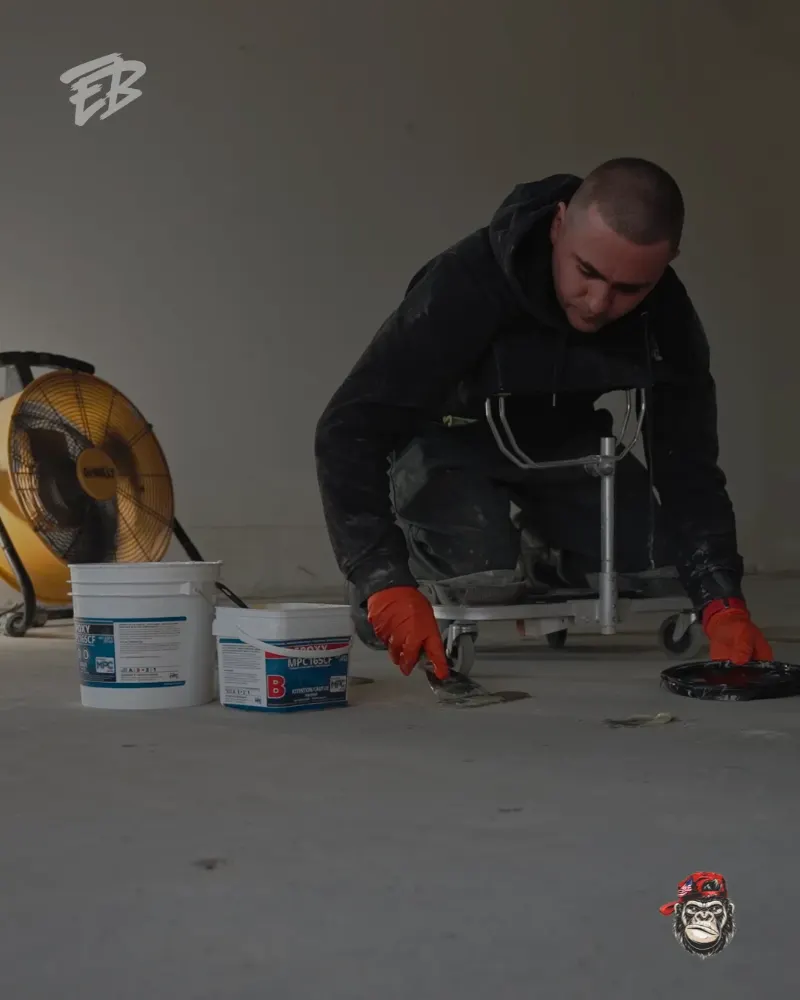
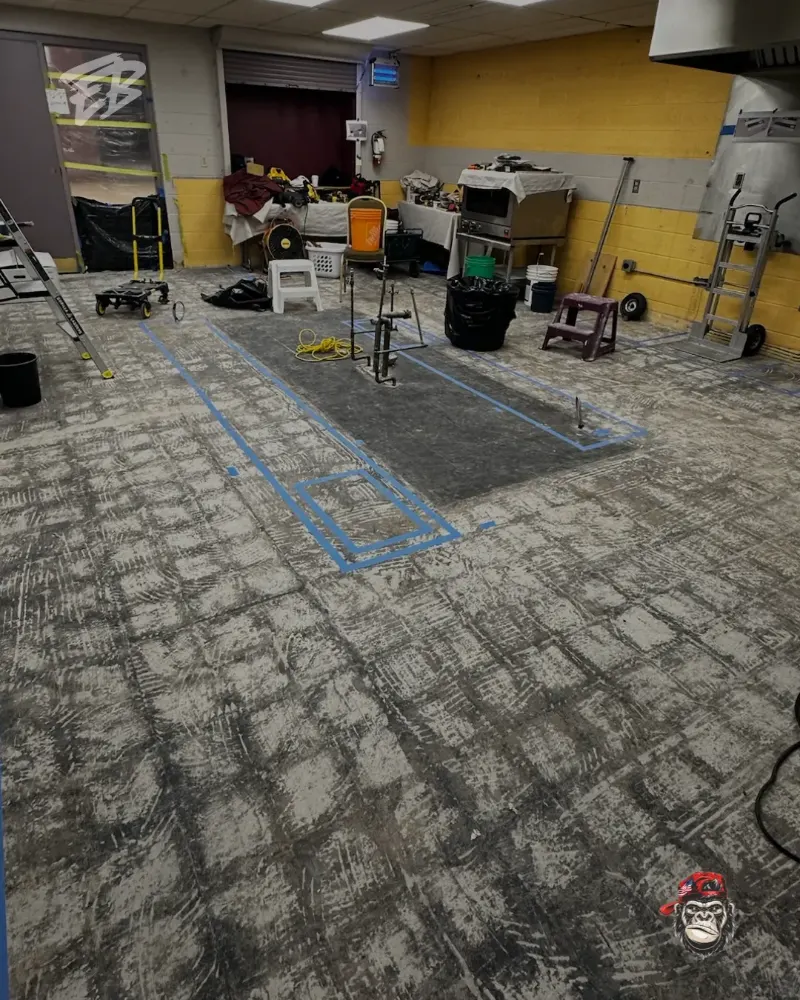
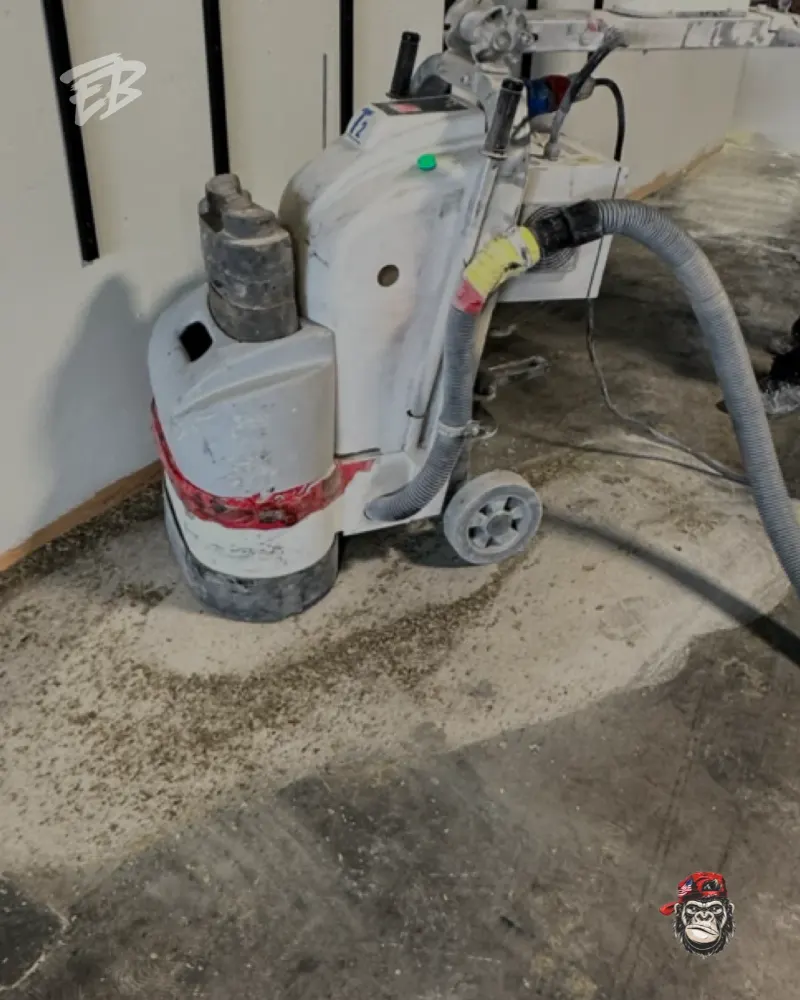
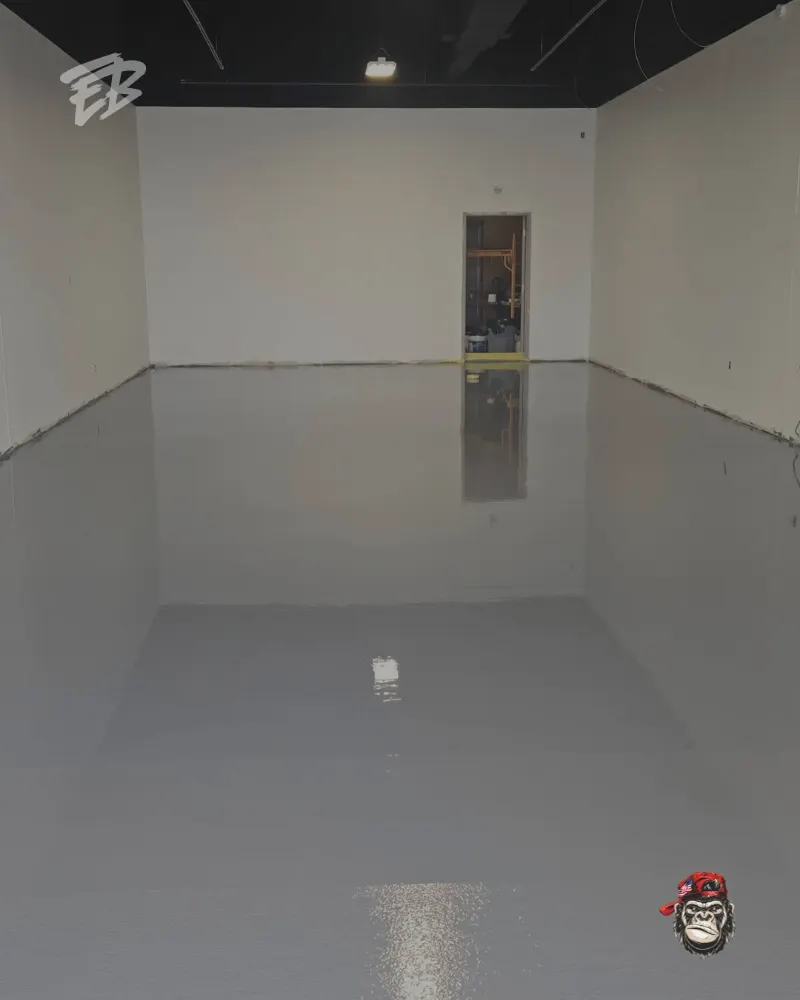
Every floor starts the same way: the concrete is diamond ground, cracks and defects are repaired, and the coating is built for heat, humidity and hot tires.
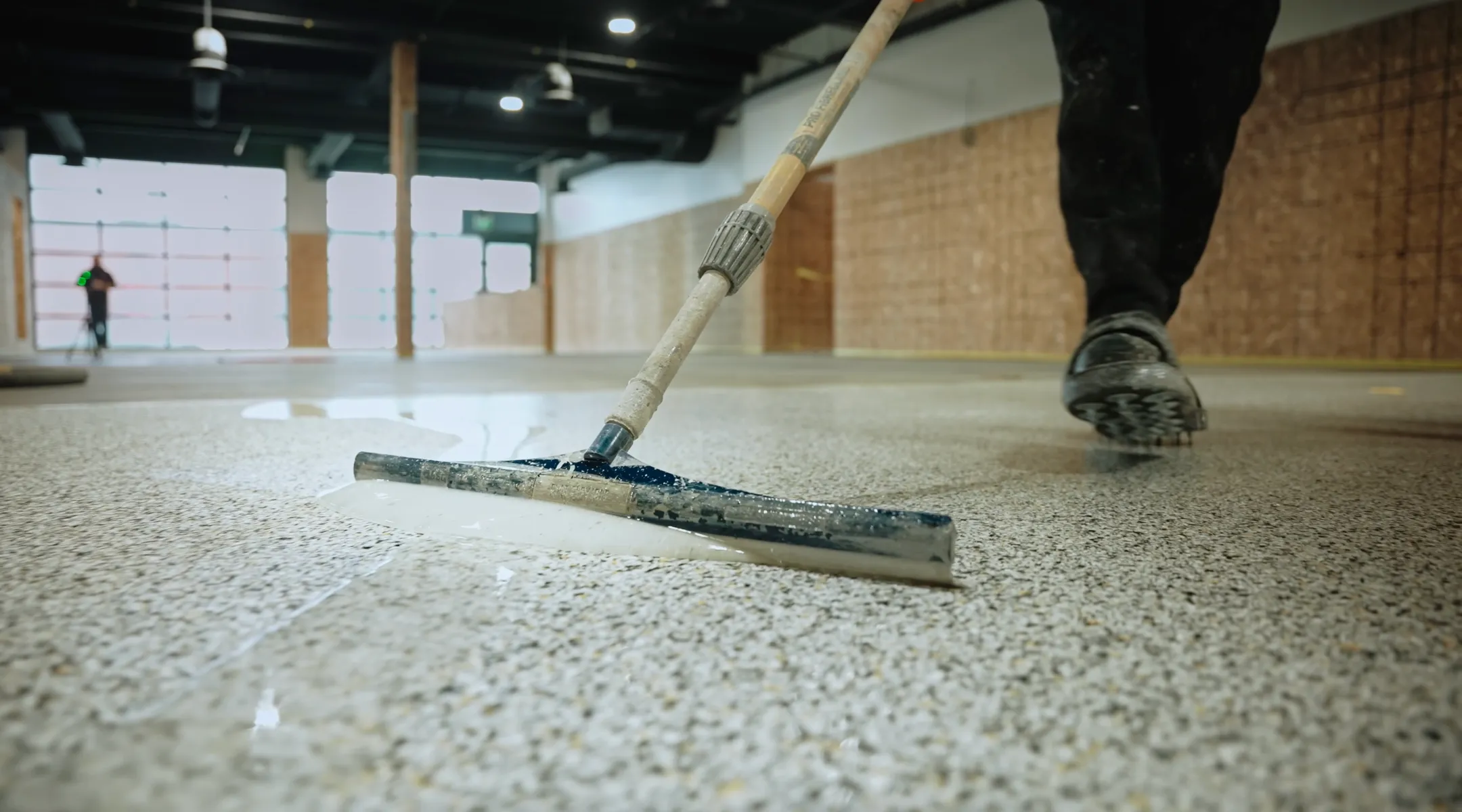
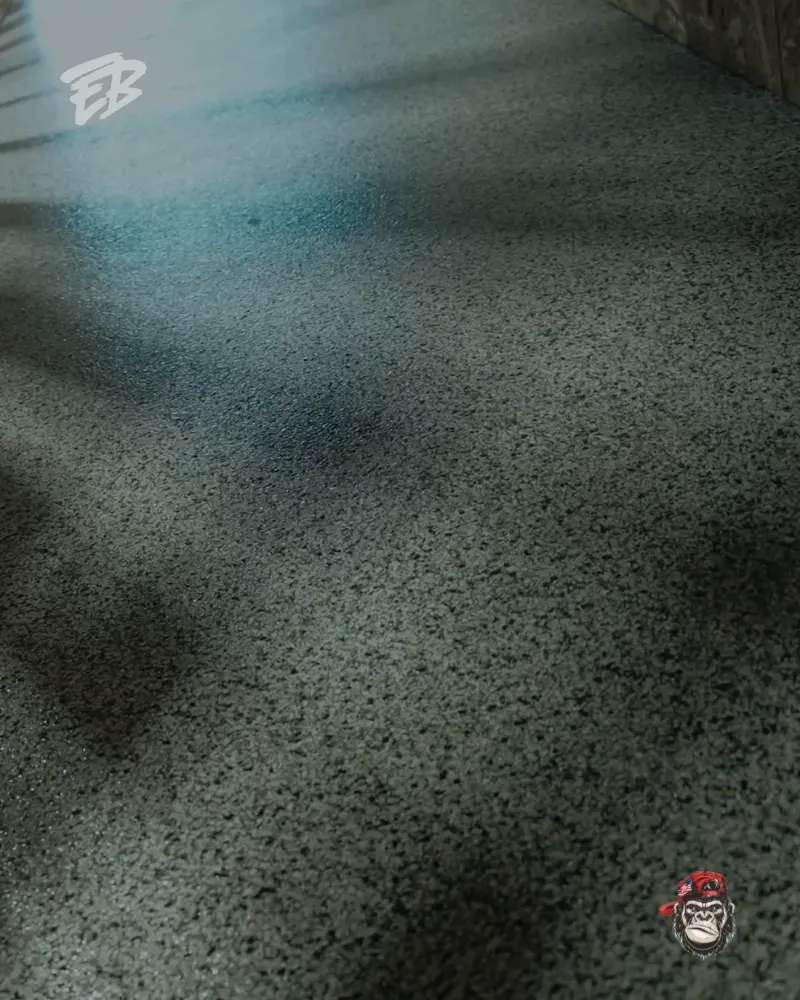
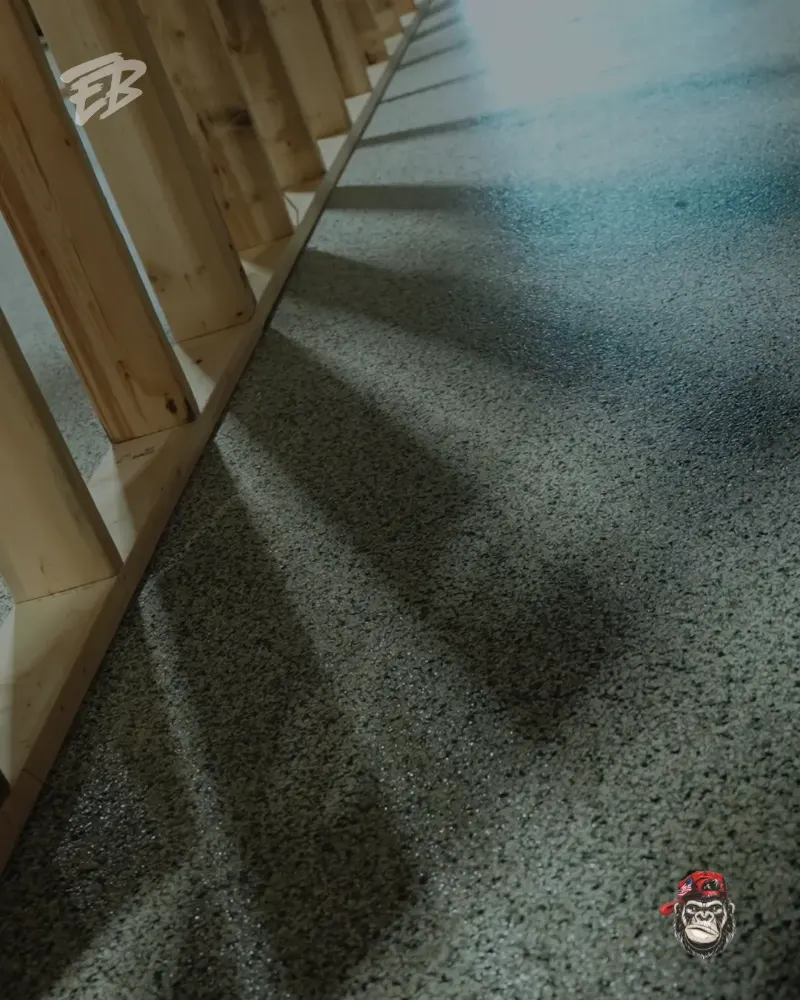
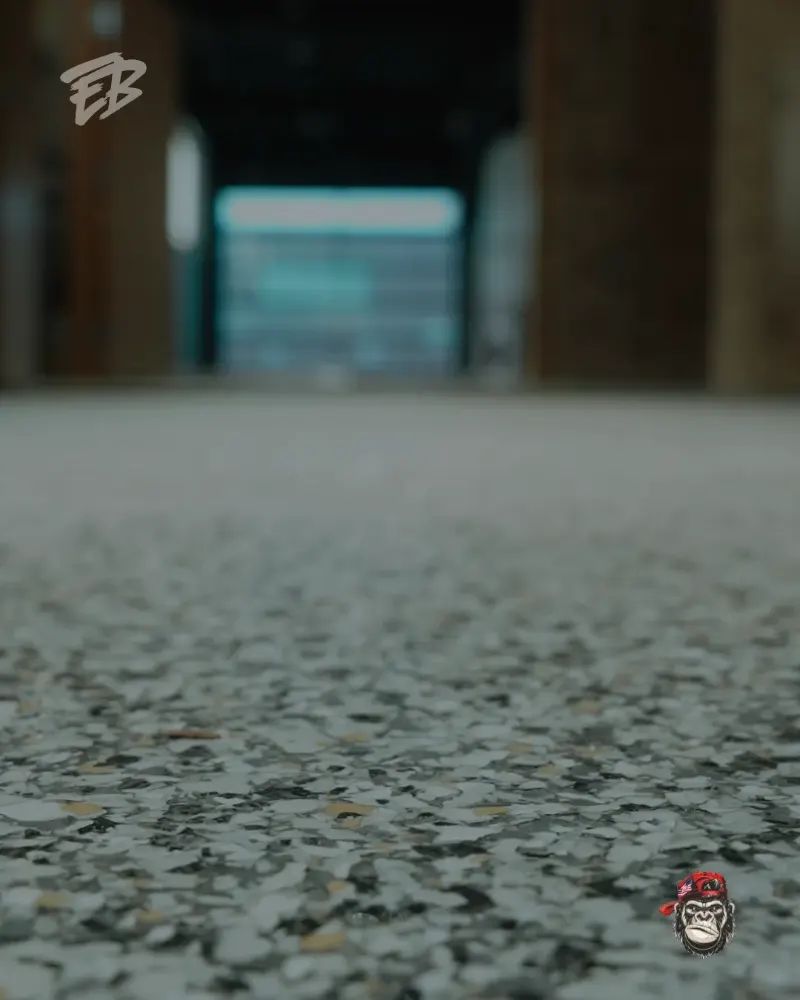
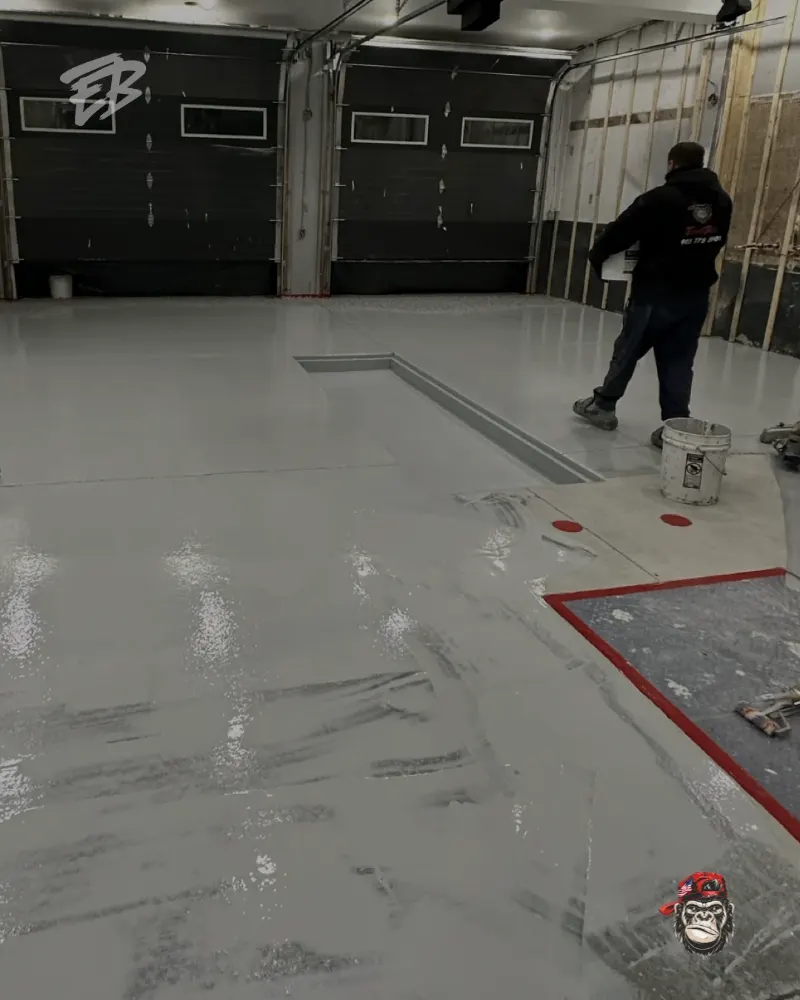
A full-broadcast flake floor over a resinous base, sealed under a UV-stable polyaspartic topcoat, is our standard Miami garage. Most residential garages are finished in one to two days. Flake system · polyaspartic garage flooring.
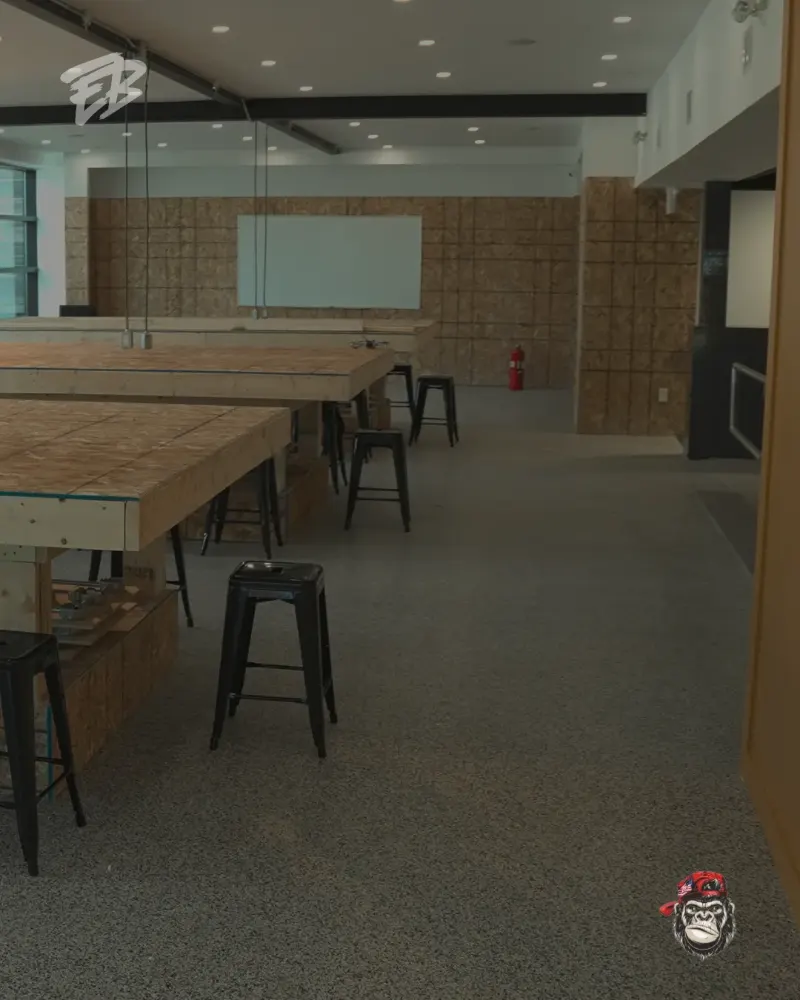
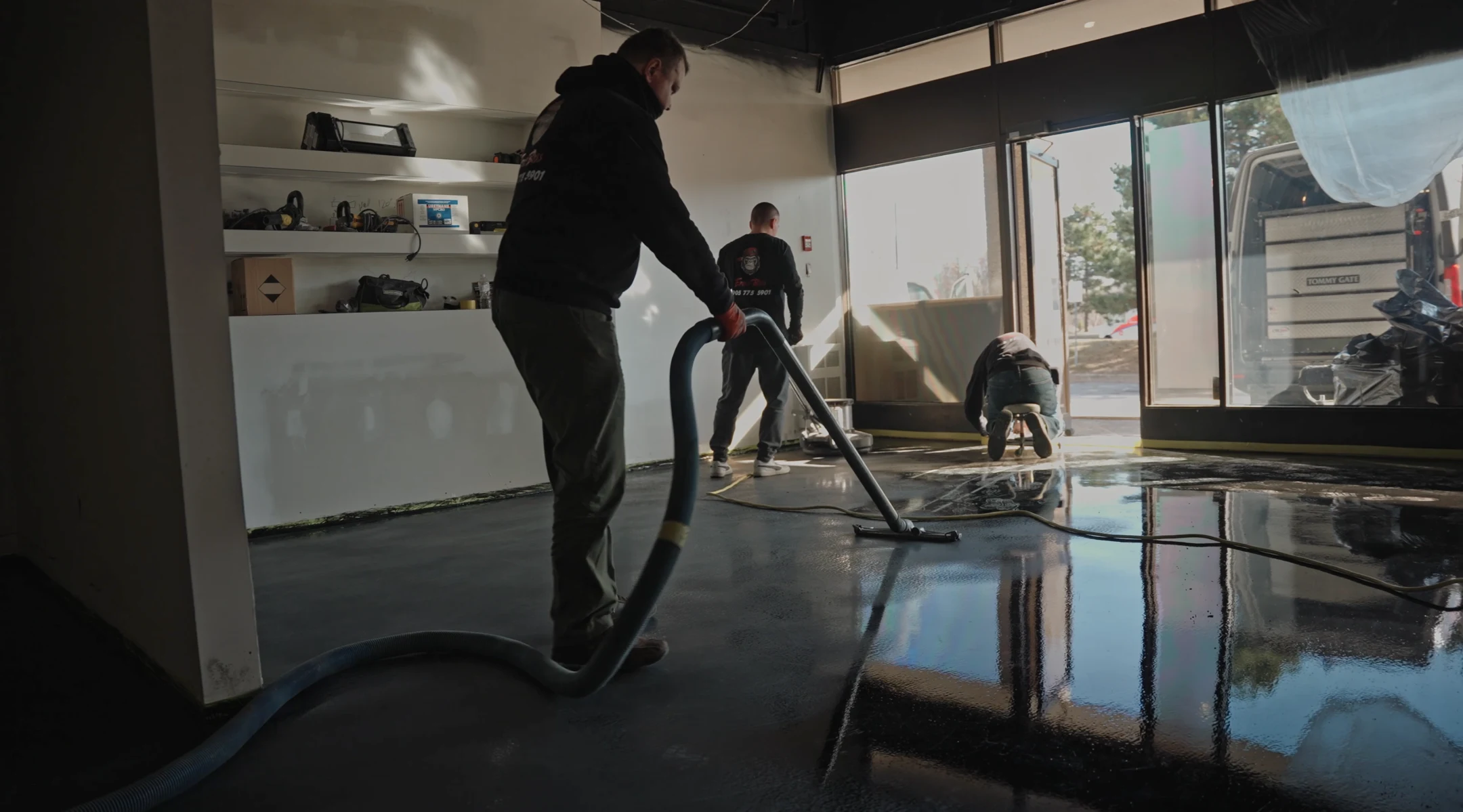
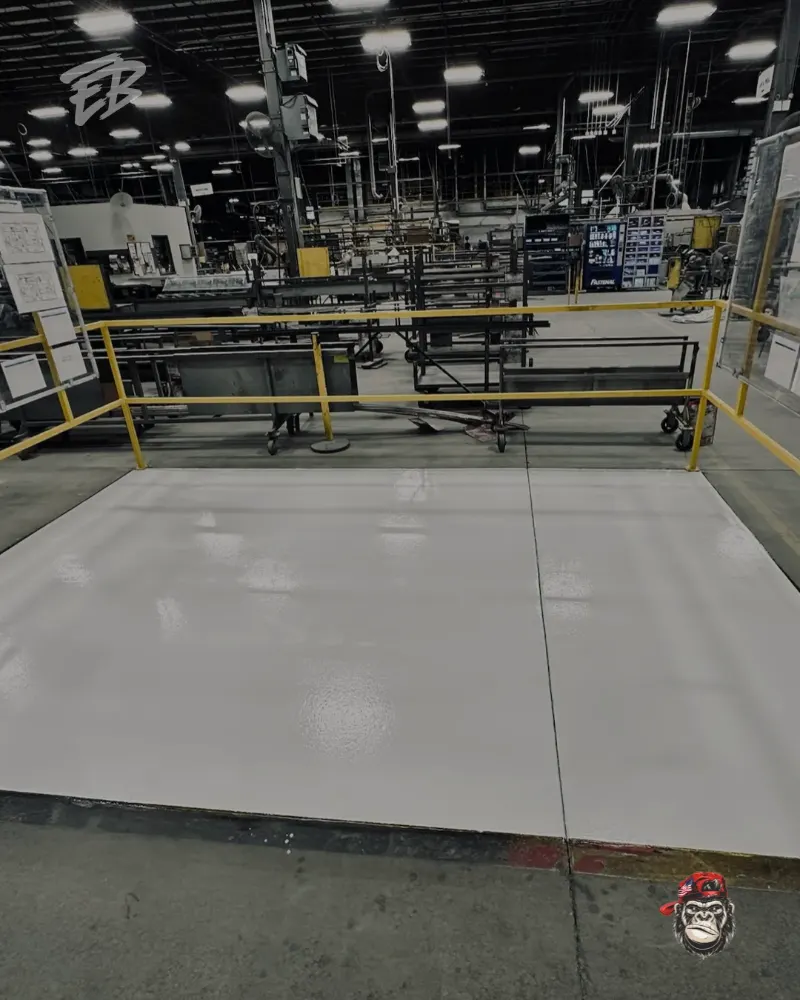
Commercial floors are planned around traffic, cleaning and downtime, with seamless finishes that are easy to keep clean. Commercial epoxy flooring.
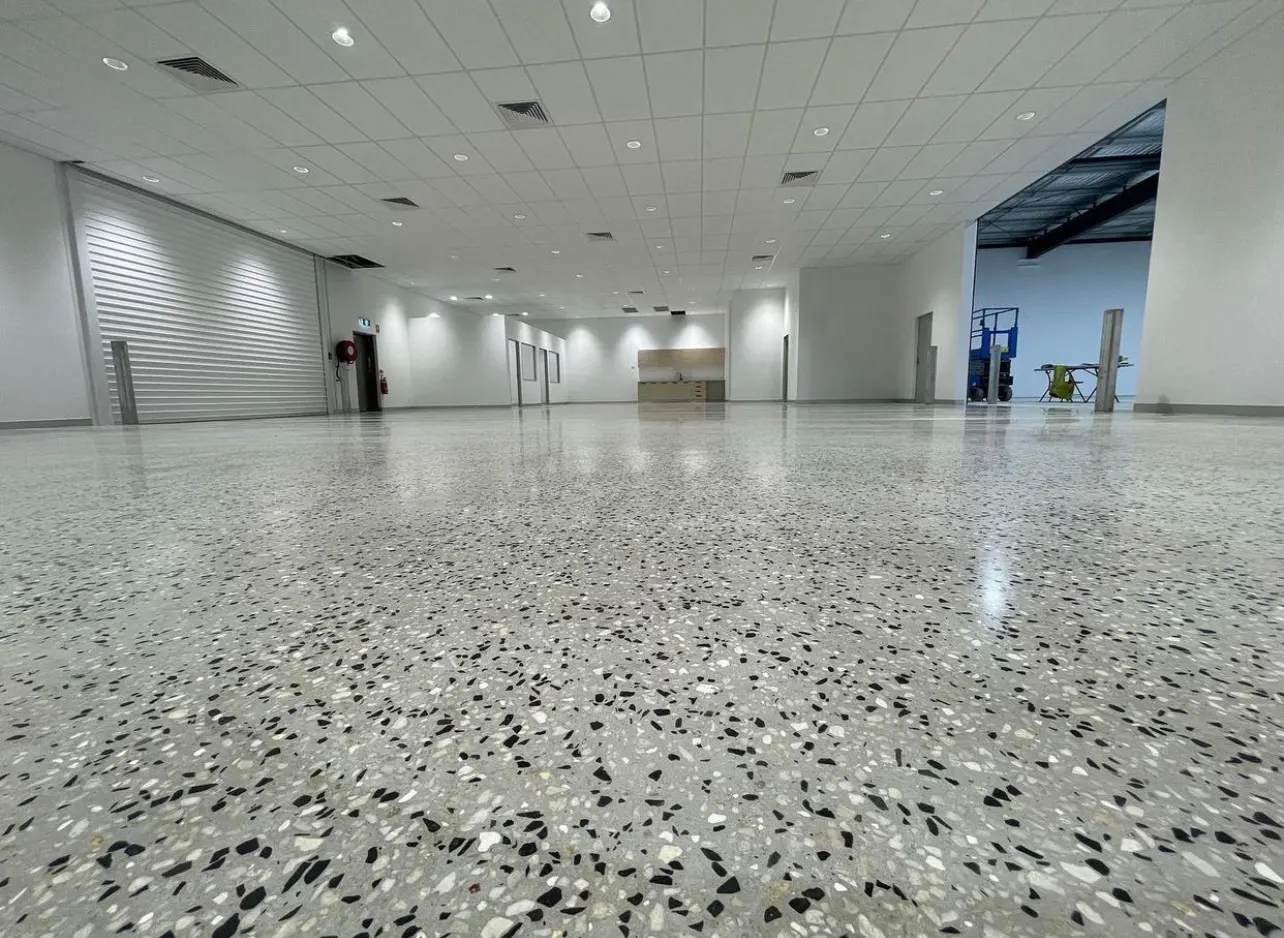
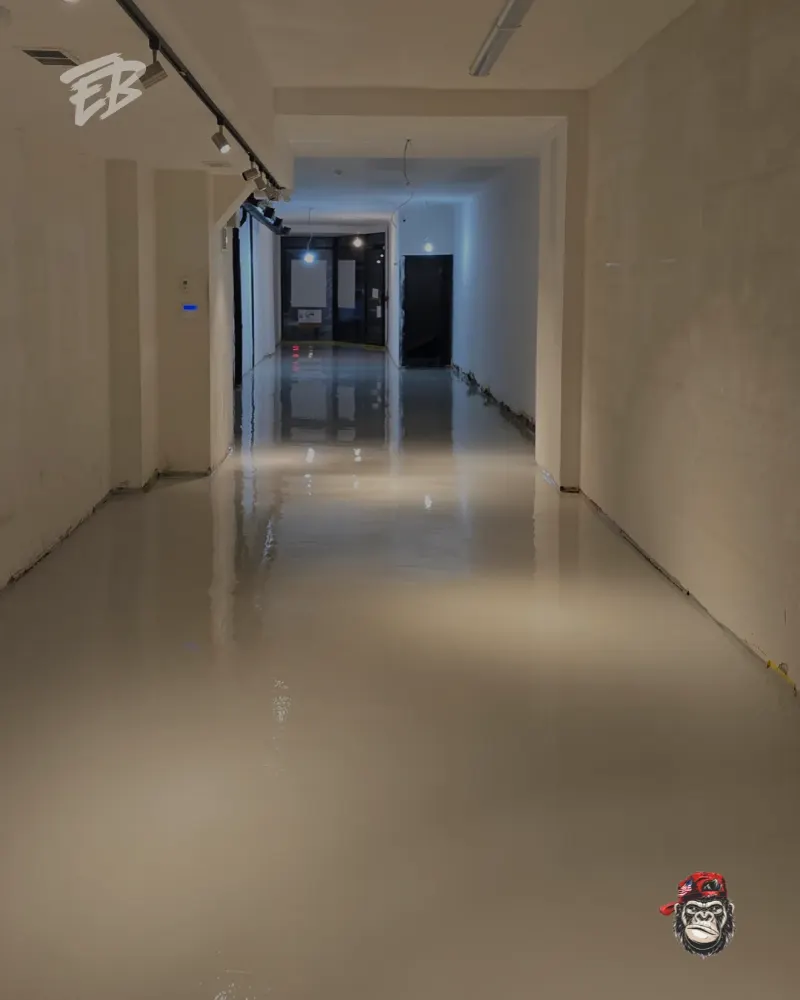
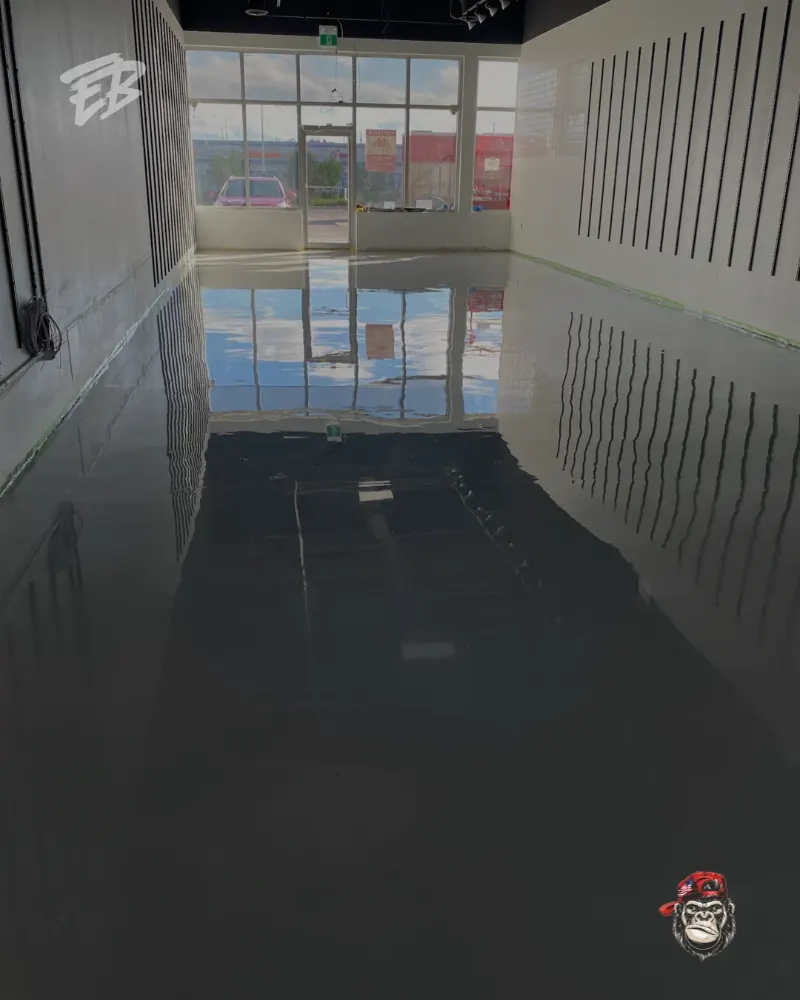
For condos, showrooms and retail, a metallic epoxy or polished concrete floor gives a seamless decorative finish.
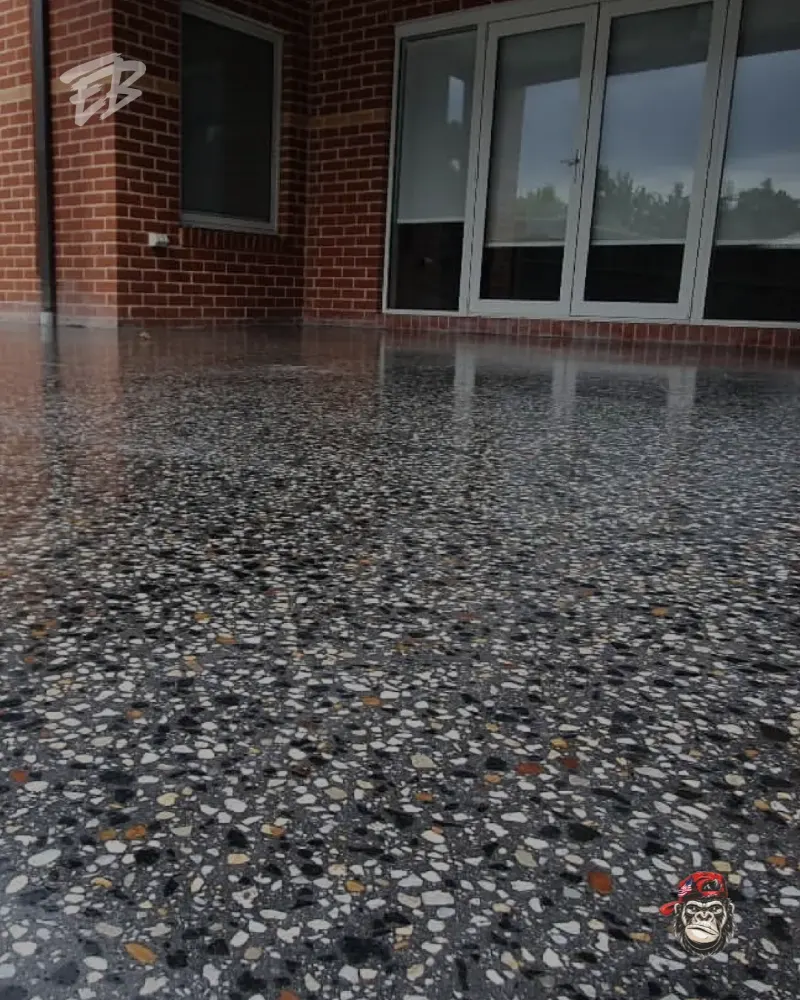
Outdoor concrete needs slip resistance and a UV-stable finish. Patio coatings, pool deck coatings and driveway coatings.
Old coatings that lift or peel are removed down to sound concrete and the cause is found before recoating. Floor coating removal.
Usually yes. Age by itself is not the problem — moisture coming up through the slab is, and a lot of older houses here were built without a barrier underneath.
We check the slab before quoting. If the reading is high we put a barrier down first; if it is clean, nothing extra is needed.
Yes, and on most buildings it is expected. Management normally wants written approval and proof of insurance naming the association before anyone starts.
We provide the documents and phase the work so residents keep access while it is under way.
Not a problem, but it does change what we put down. Salt in the air is hard on a coating, and the first place it shows is around the edges and the door line rather than in the middle of the floor.
Close to the water we use a topcoat made for that exposure and seal the edges properly instead of running the coating to the wall and calling it done.
Yes, and where a space is in use during the day it is usually the sensible way to do it.
We phase the work into evenings and weekends and agree the sequence before starting, so you know exactly which areas are out of use and when.
Usually yes. Stains and old patches sit at the surface, and grinding takes that layer off before anything is applied.
What we check for underneath is moisture and structural cracking, since those decide the build rather than the appearance.
Not with a properly bonded system. Hot-tire pickup happens when a coating is thin, poorly bonded or rolled on over unprepared concrete.
We grind rather than acid-etch, so the coating anchors into the slab instead of resting on top of it.
Not with the right finish. A plain epoxy left exposed to daylight ambers and dulls, sometimes within a season, and in Florida most garage doors stay open a good part of the day.
We finish with a UV-stable topcoat, which is what keeps the color where it started.
It comes off. A new system is only as sound as whatever it sits on, and putting fresh material over a failing one simply repeats the failure a year later.
We grind the old coating away mechanically, then assess the concrete underneath on its own condition.
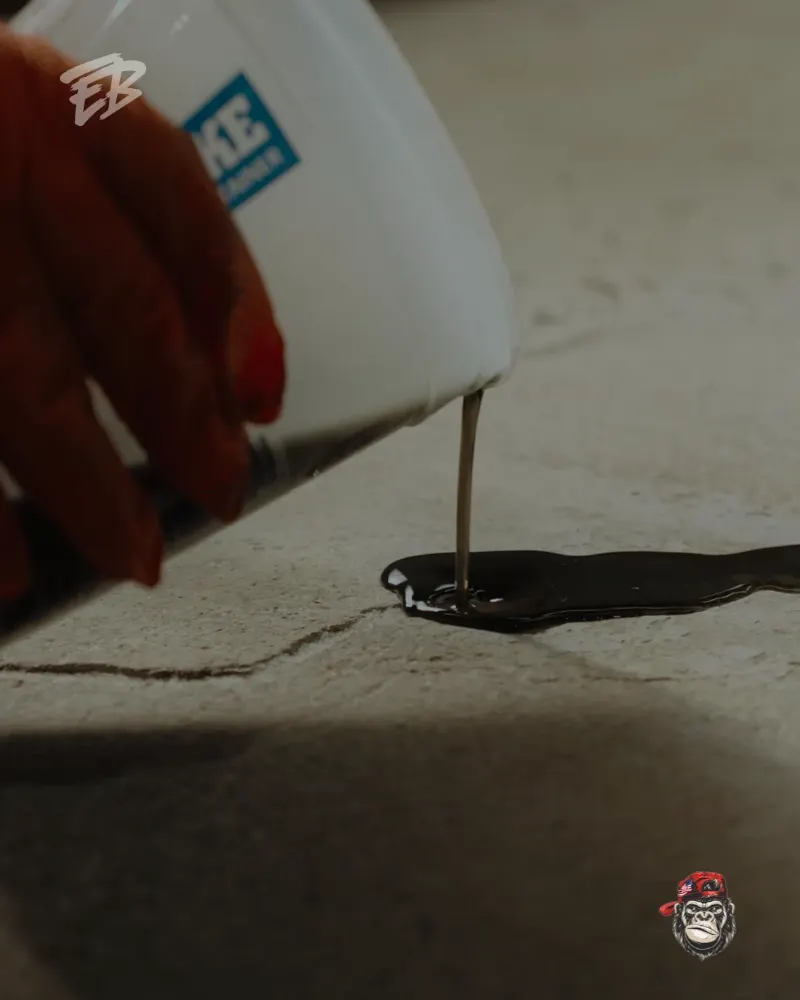
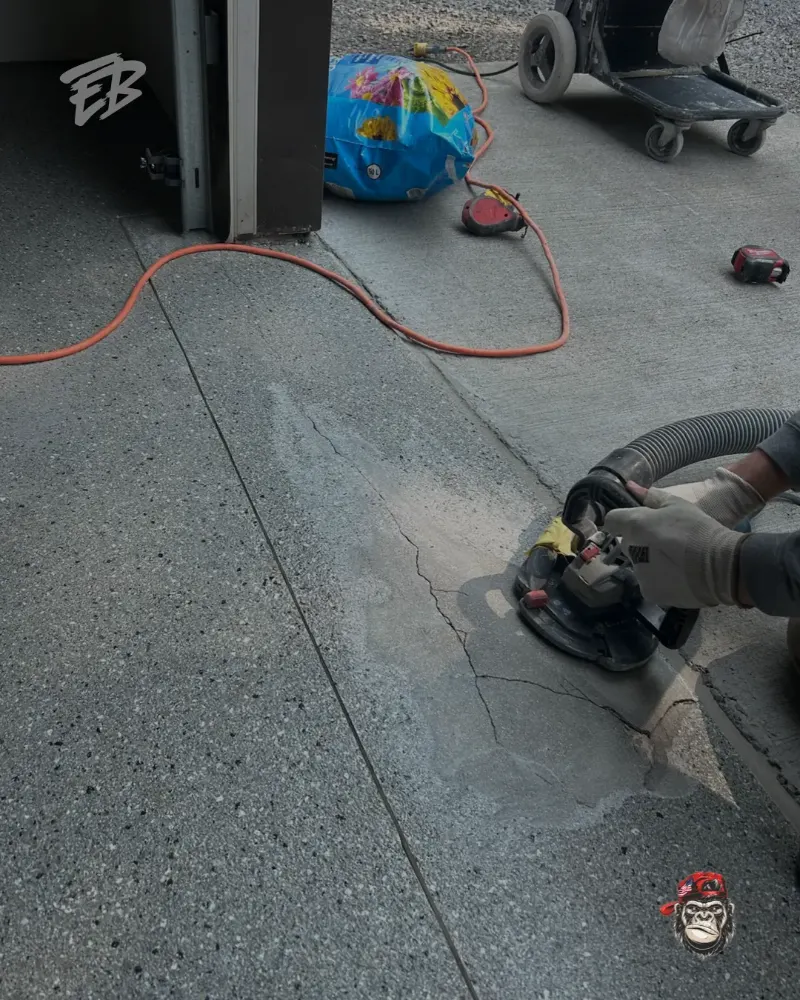
Yes. Cracks, chipped edges and failed patches are repaired as part of the preparation, not treated as an extra afterwards.
A coating does not bridge a moving crack on its own, so the repair has to happen first if the finish is going to stay flat.
You can walk on it the next day. Vehicles need longer, because tires put far more stress on a fresh coating than feet do.
We give you the exact window before we start, so you can plan where the car goes in the meantime.
Yes, the floor has to be completely clear before we start — including shelving and anything fixed along the walls.
If moving heavy items is a problem, tell us when we quote and we will build it into the plan rather than leaving it to the morning of the job.
Our shop is in Dania Beach, a straight run down I-95, and Miami is part of our regular service area.
Most estimates happen within a few days of your call, and installation is usually scheduled soon after.




Miami is part of our Miami-Dade County service area.
Nearby cities: Miami Beach, Coral Gables, Doral, Hialeah, Key Biscayne, South Miami, North Miami and Kendall.