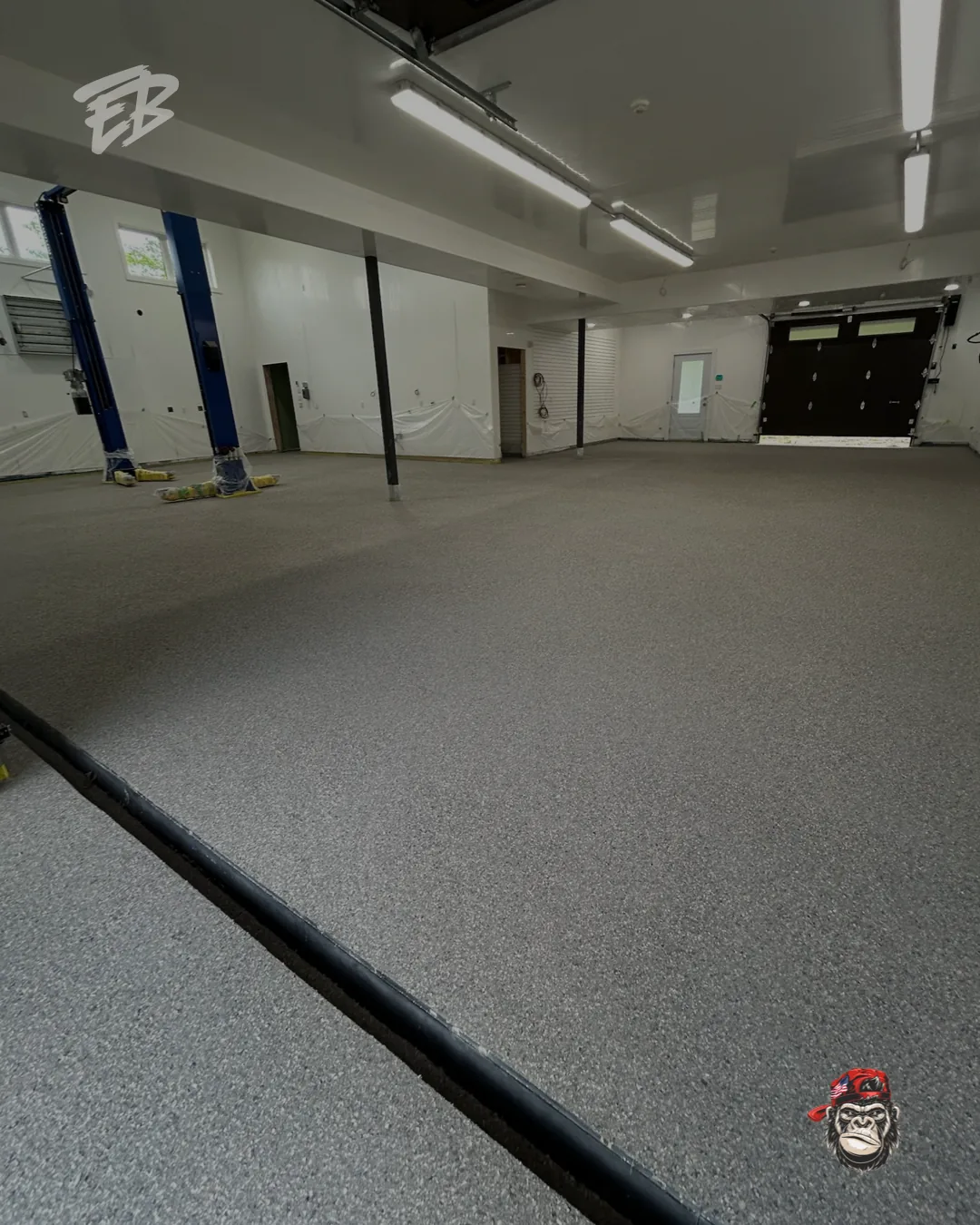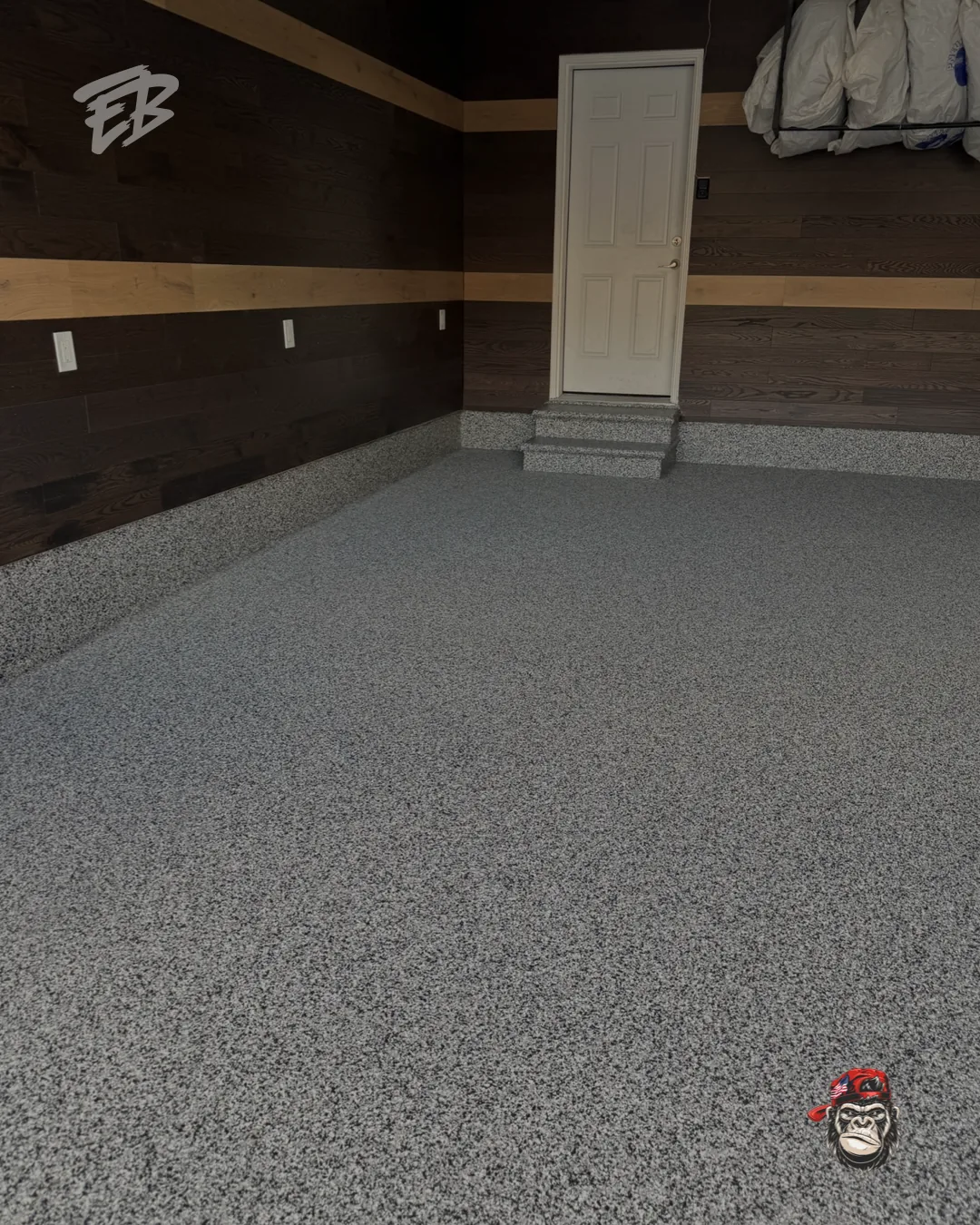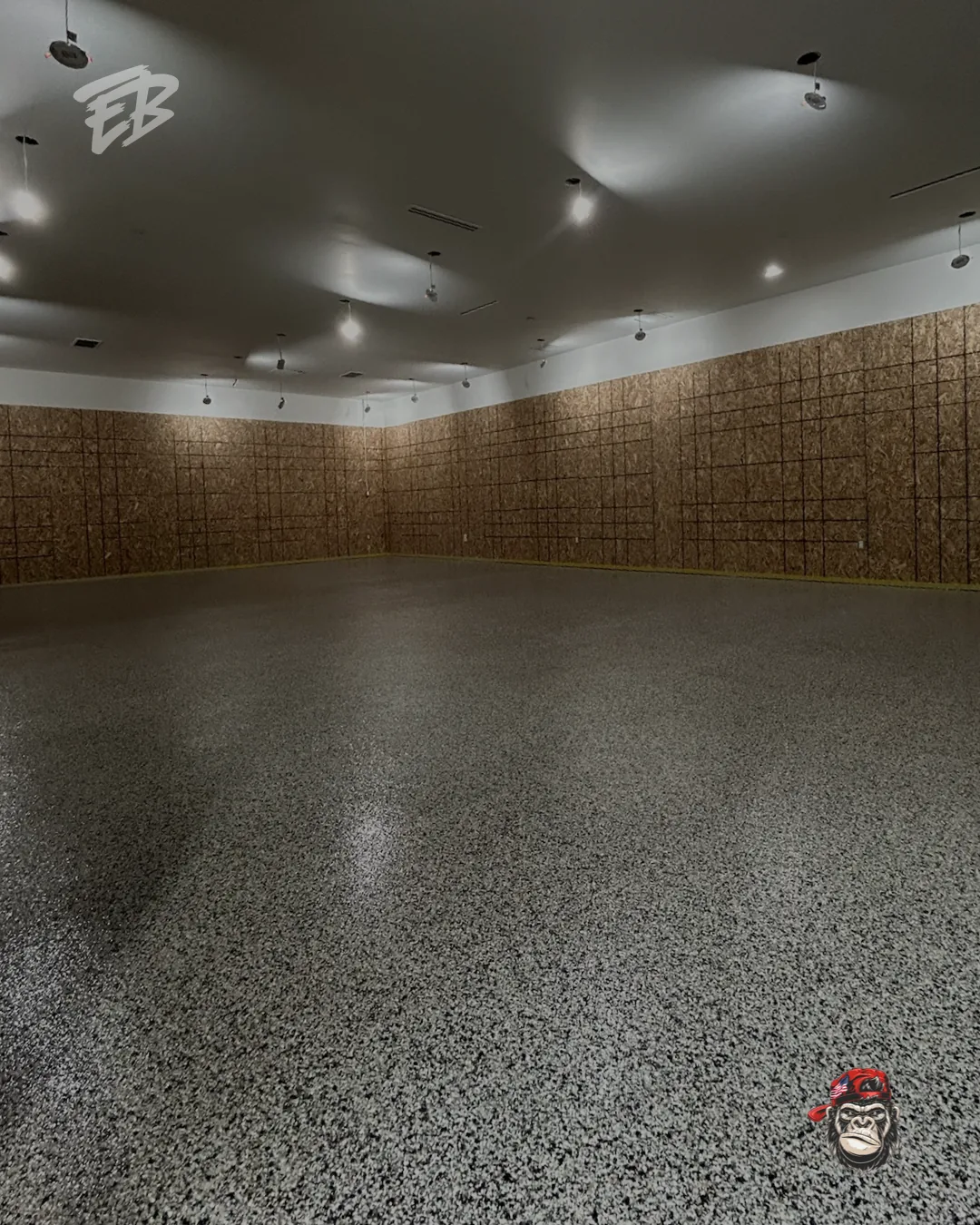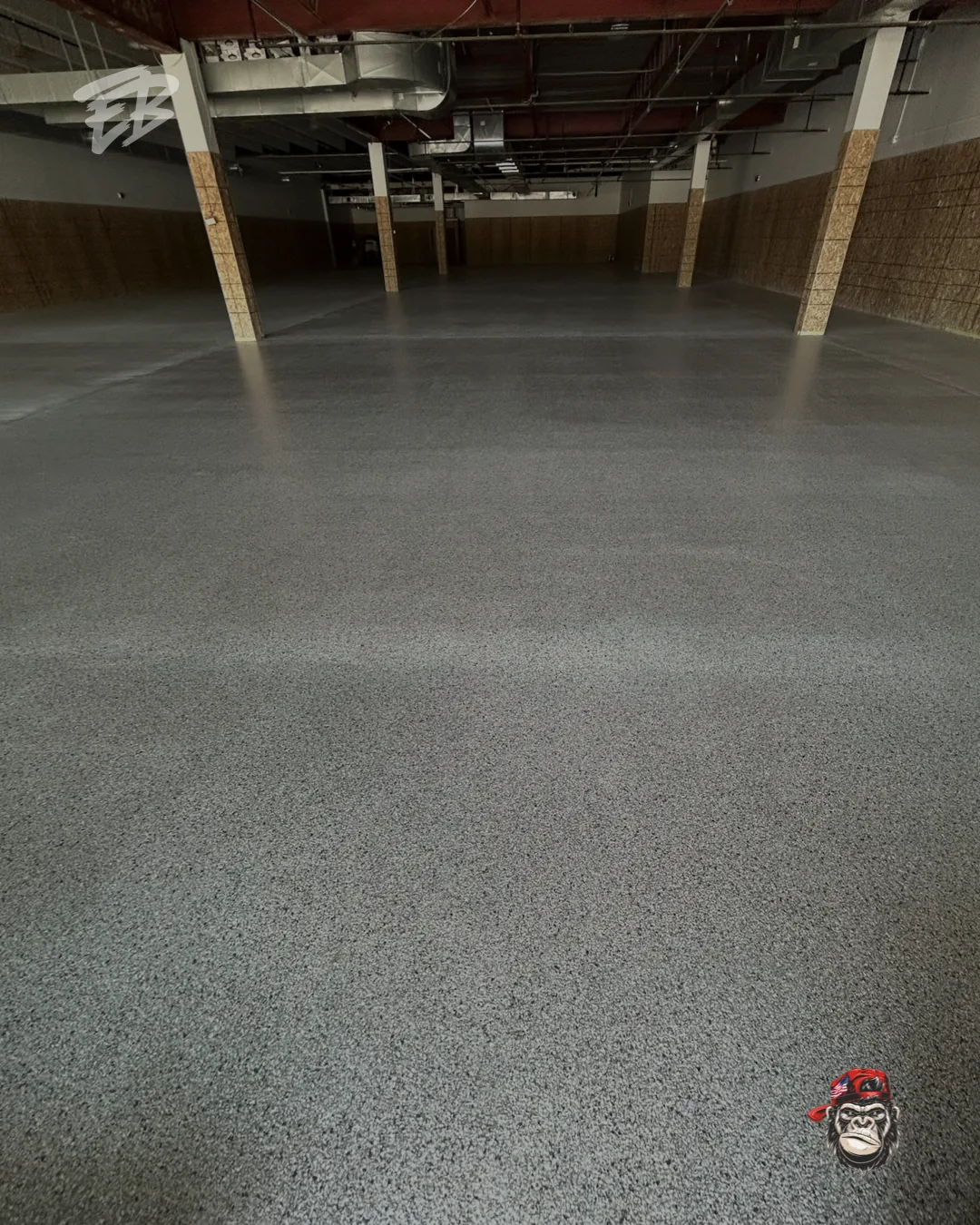
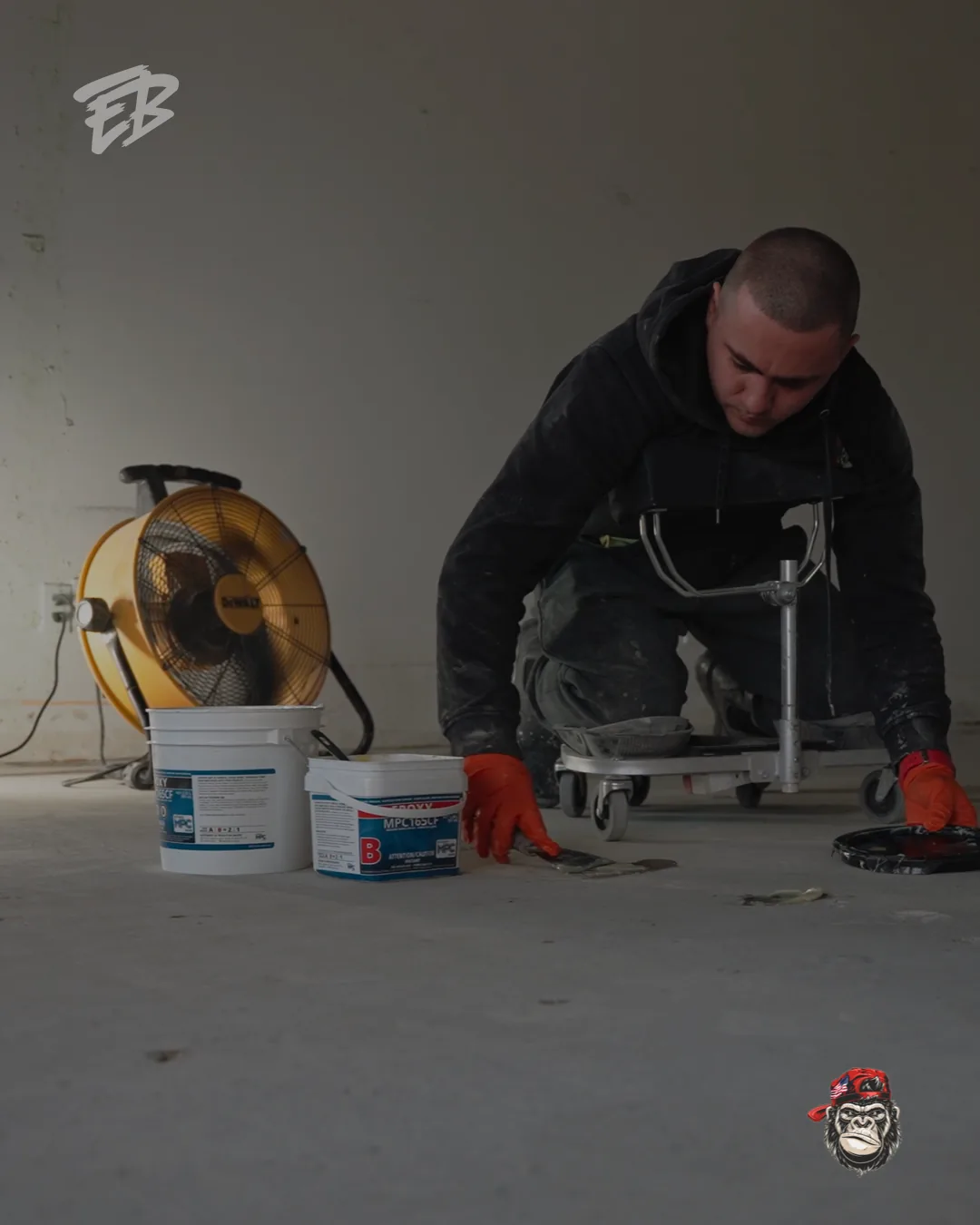
The shift: safety and specialization, not shine
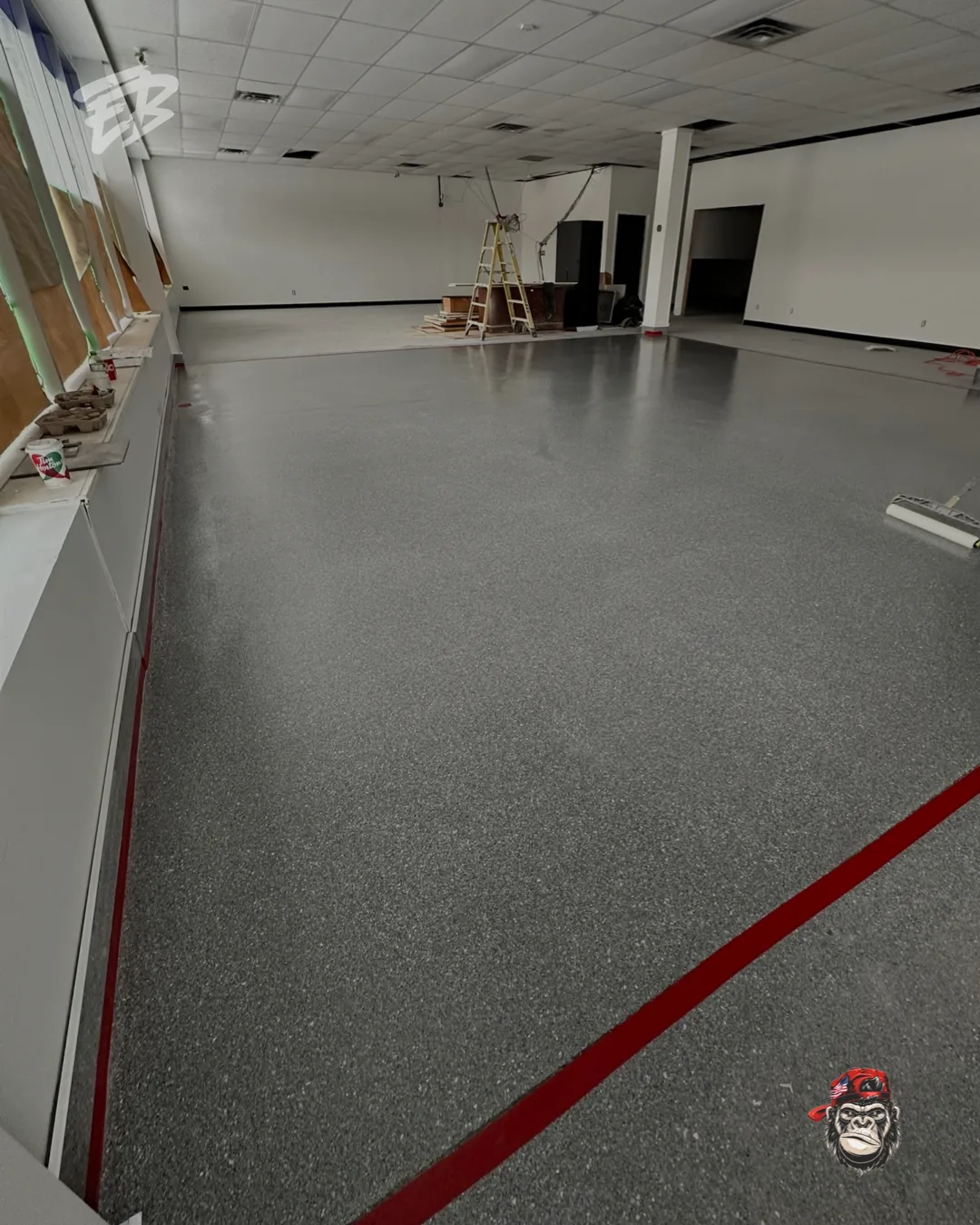
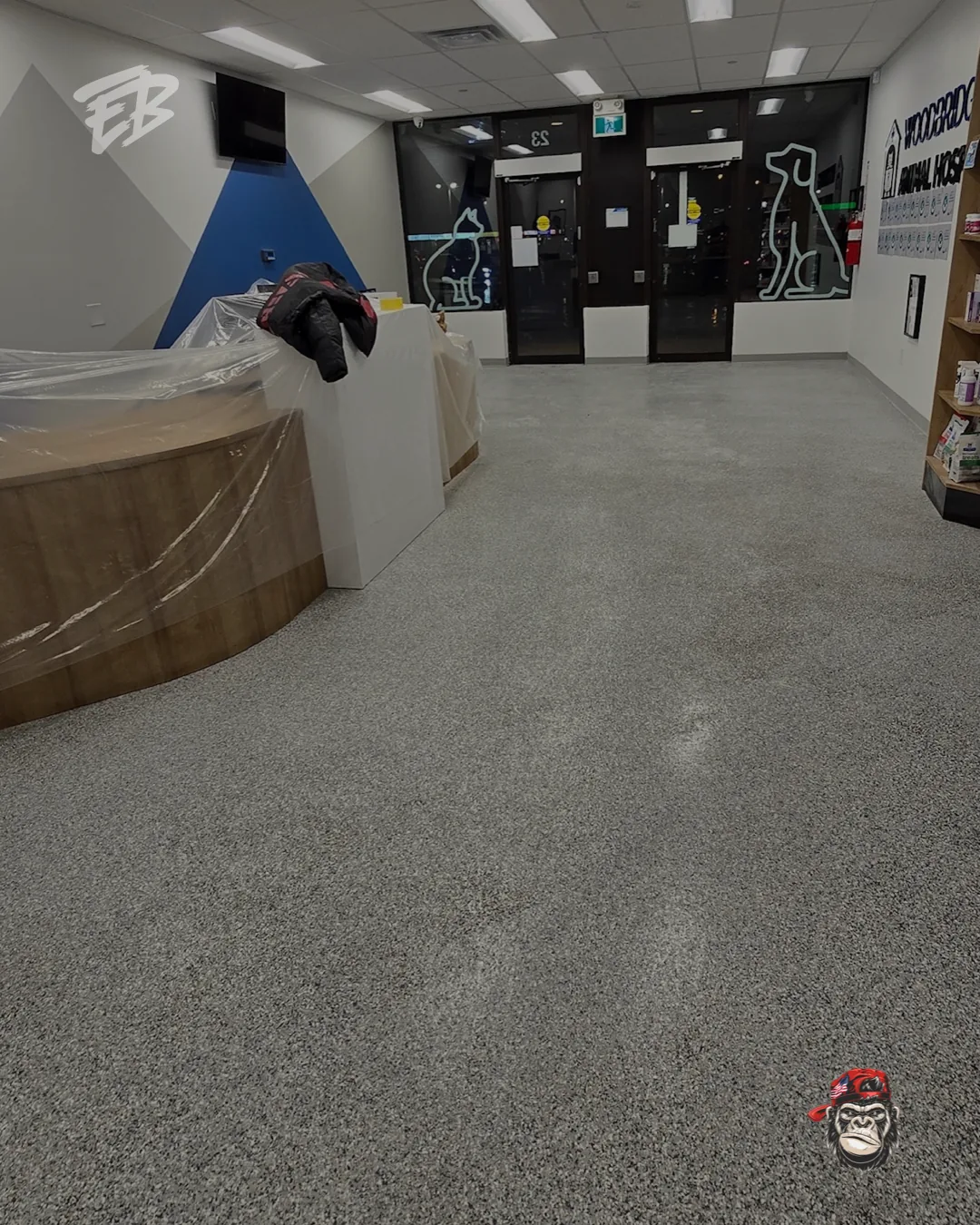
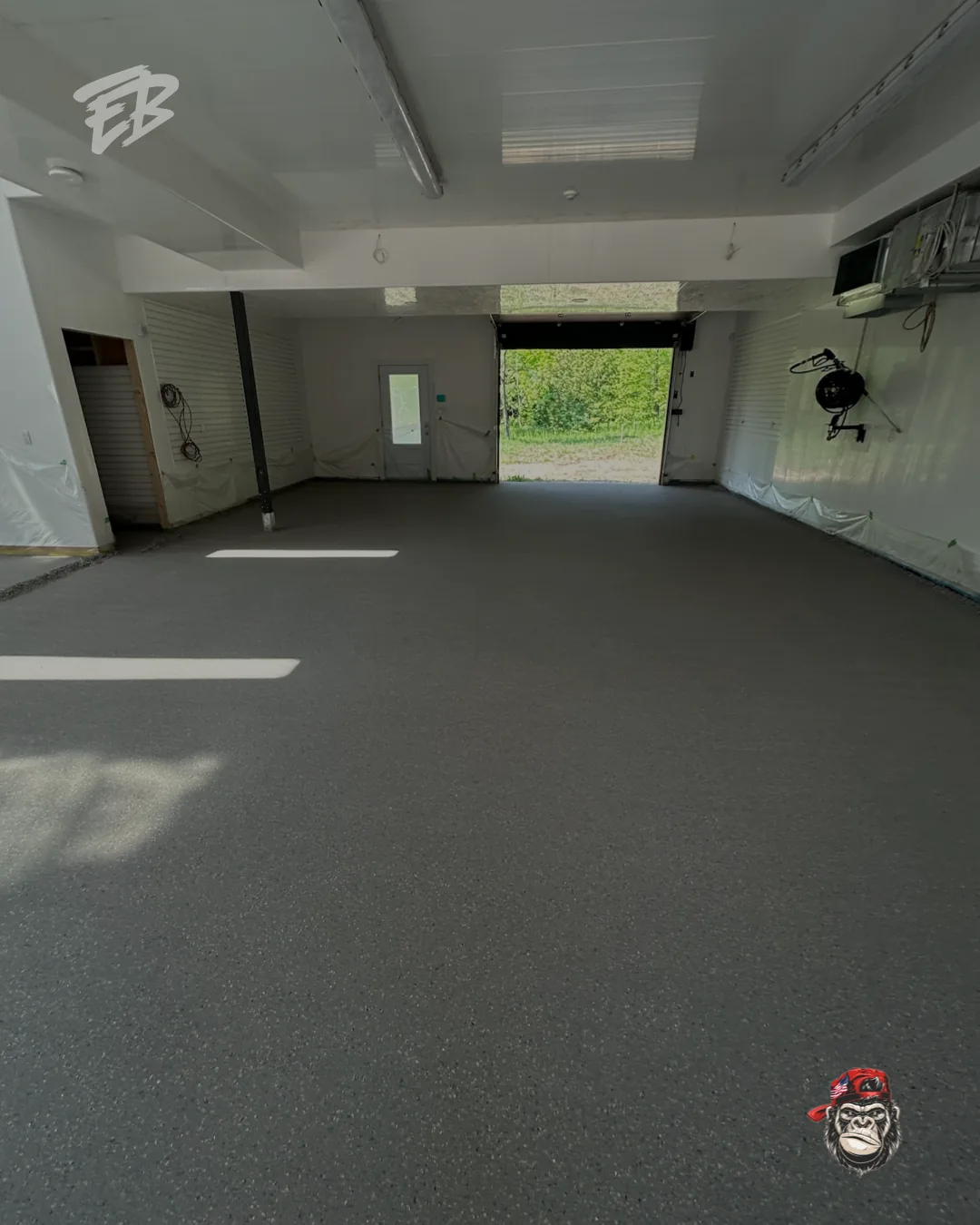
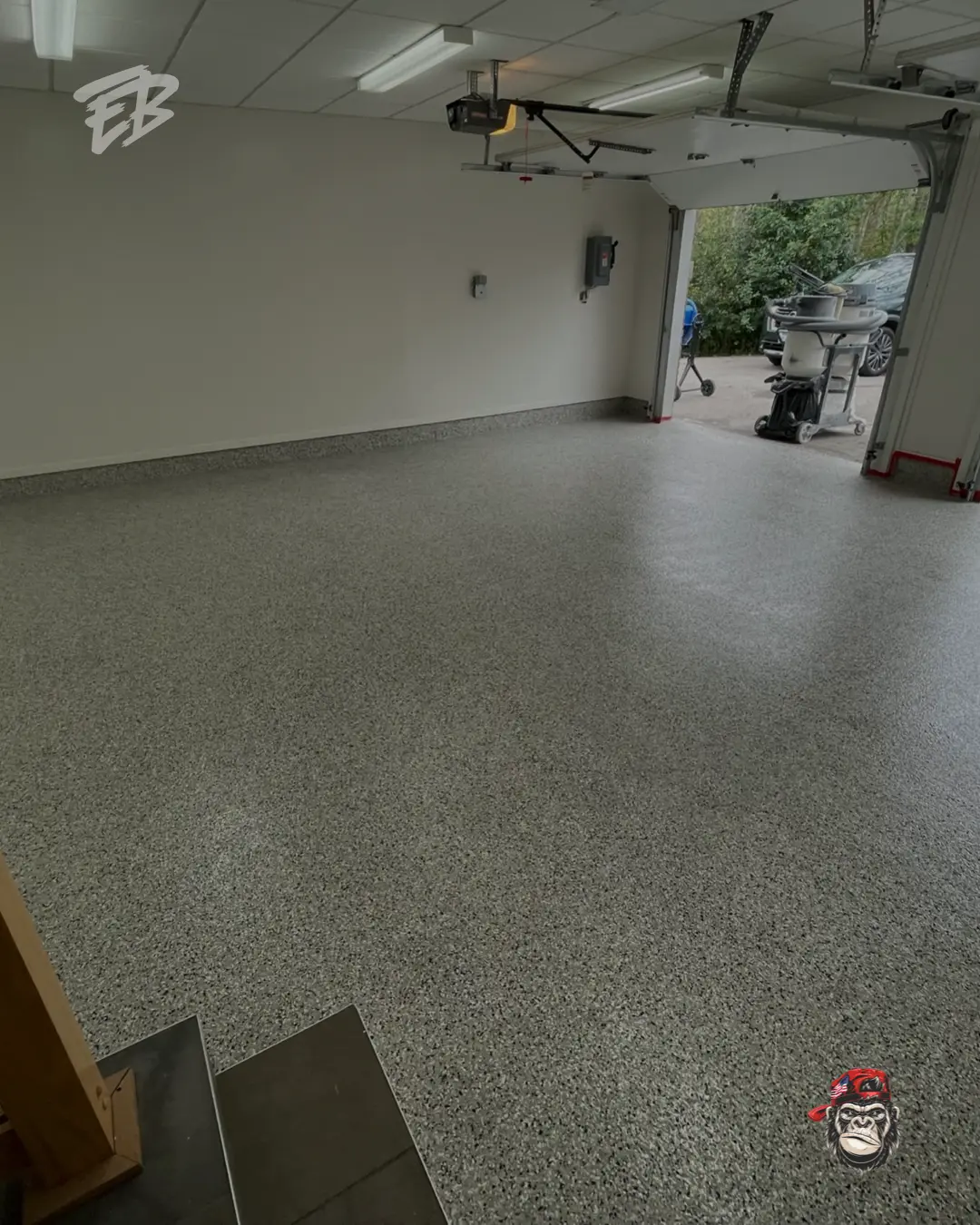
One trend has taken over commercial floor coating: traction specified zone by zone rather than building-wide. Facility managers and safety officers stopped asking for a shiny finish some time ago. What they ask for now is functional grip underfoot, chemical and moisture resistance, and a system tailored to what actually happens in each room.
Why one traction level across a building doesn't work
A wash bay and a front office are the same concrete and completely different problems. Specify a single finish across both and you get one of two outcomes: a floor too slick where it's wet, or a floor too aggressive to clean where it isn't. Neither is a product failure — it's a specification failure.
Here's how the zones typically break down on a commercial automotive or service facility:
Wash bay
Risk: standing water plus cleaning chemicals, continuously.
Solution: quartz aggregate broadcast into the system for coarse, durable grip that holds up when wet and survives pressure washing.
Restrooms and areas near water sources
Risk: intermittent water on a surface people walk on in smooth-soled shoes.
Solution: aluminum oxide for finer safety-grade traction — enough grip underfoot without a texture that traps dirt or resists mopping.
Mechanical rooms and service bays
Risk: grease, oils, and splash reaching vertical surfaces.
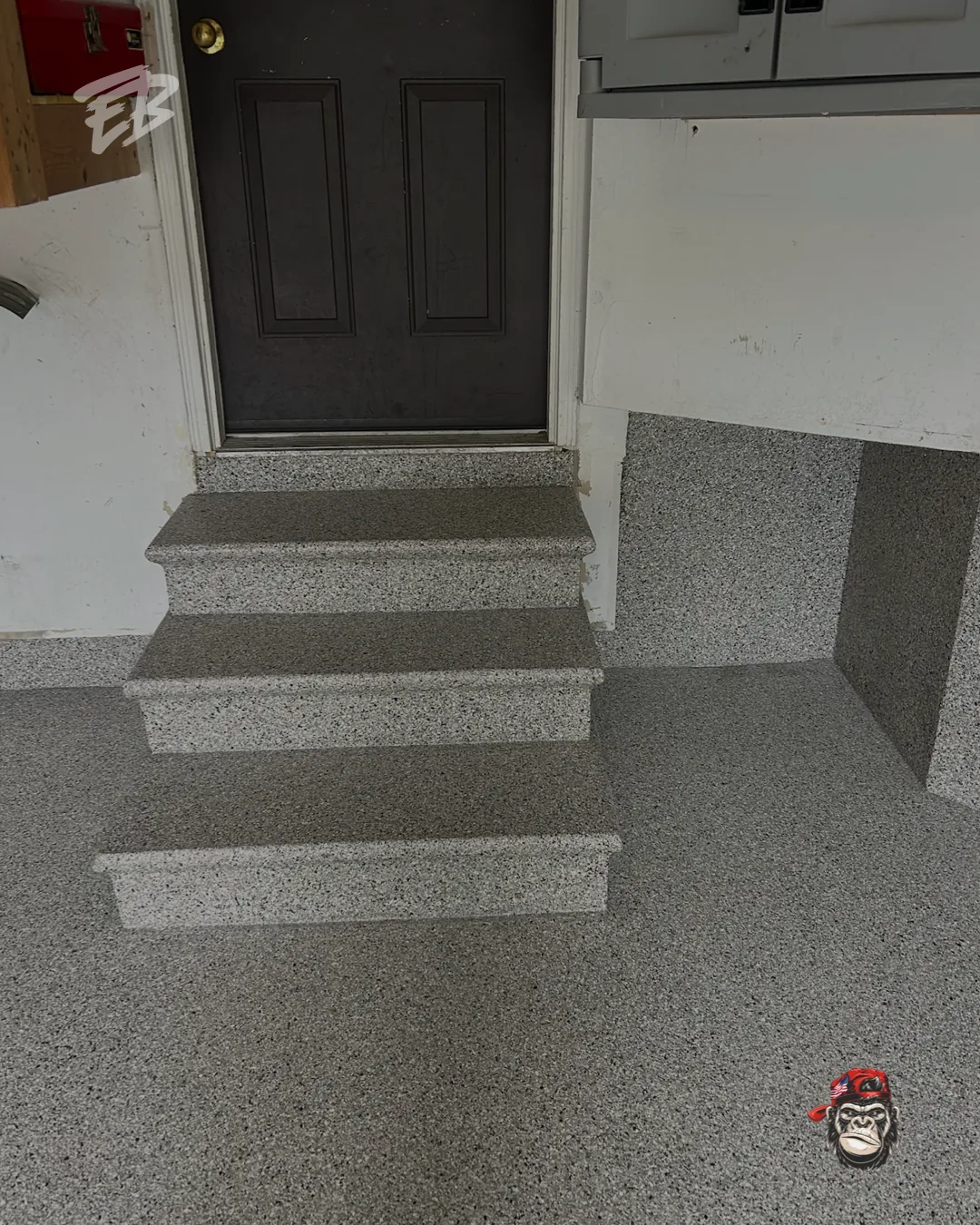
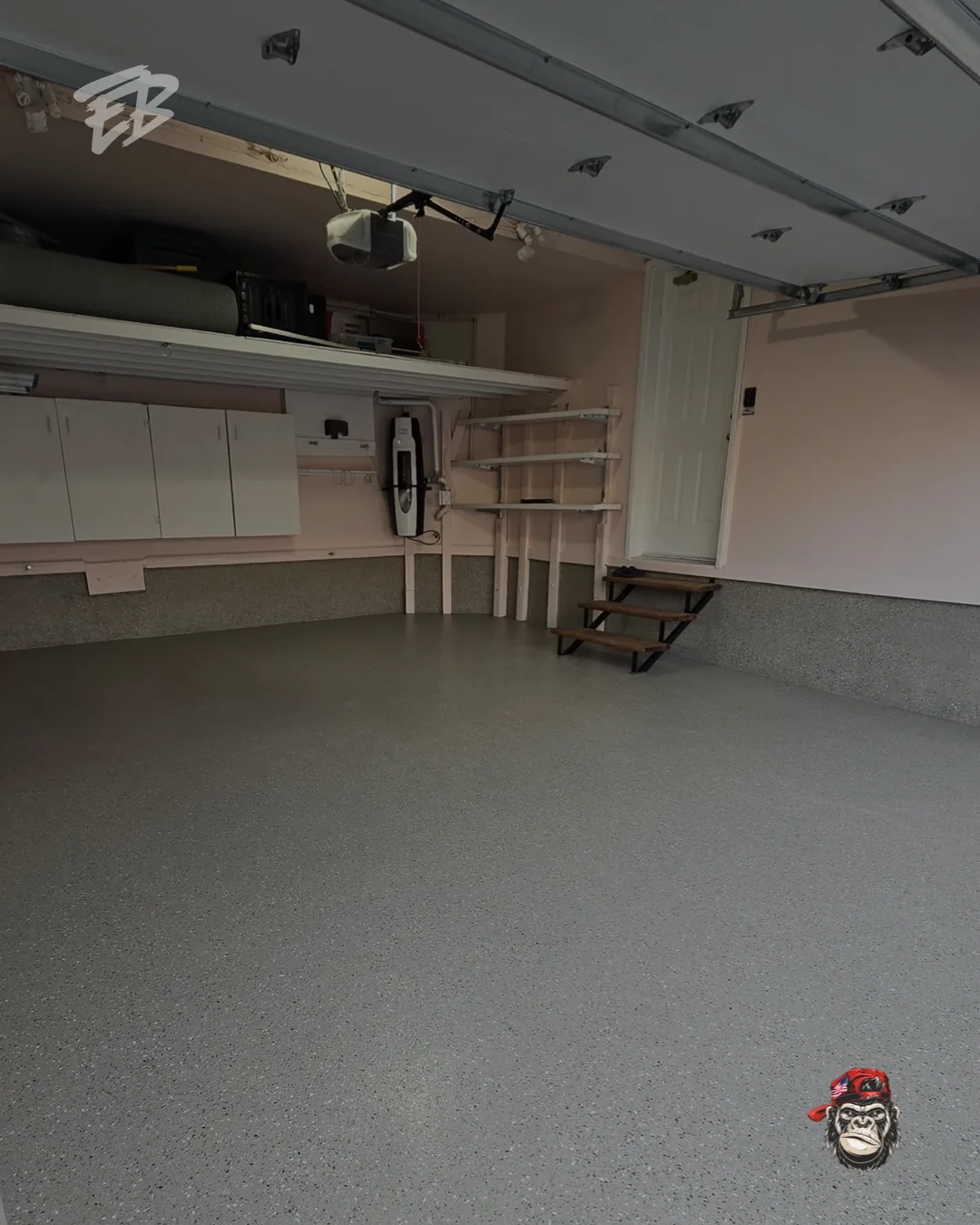
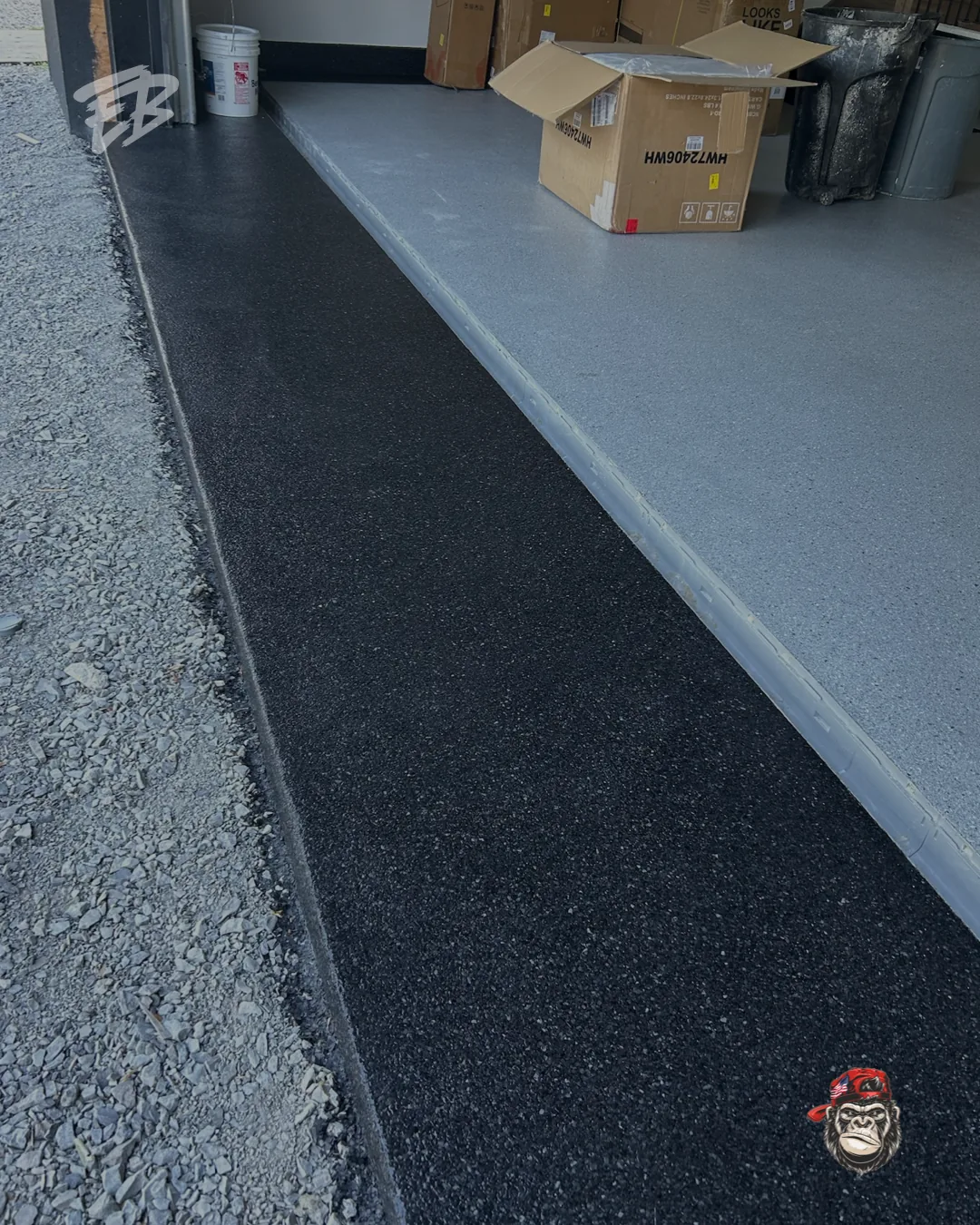
Solution: a tailored grip finish on the floor plus 4-inch vertical coatings up the wall base, so the transition is sealed and cleanable rather than a grease trap.
Why this matters more in South Florida
Traction specification is a humidity question here as much as a spill question. Through the wet season, floors near open bay doors stay damp for hours at a time from rain and ambient moisture alone — not just from what gets spilled on them. A finish that tests fine dry in an air-conditioned showroom behaves differently in a shop that's open to the air in August.
Coastal facilities add a second factor: salt-laden air combined with wash-down means the topcoat has to resist chemical attack as well as abrasion, or the traction additive outlives the coating holding it.
What this means for contractors and facility managers
Epoxy isn't a one-size-fits-all product. It's a performance system that gets specified per zone, and the specification should come from how each space is used, not from a catalogue.
We work with general contractors who need clean execution, facility managers focused on OSHA compliance and slip prevention, and owners weighing long-term performance against short-term savings.
The takeaway: function first
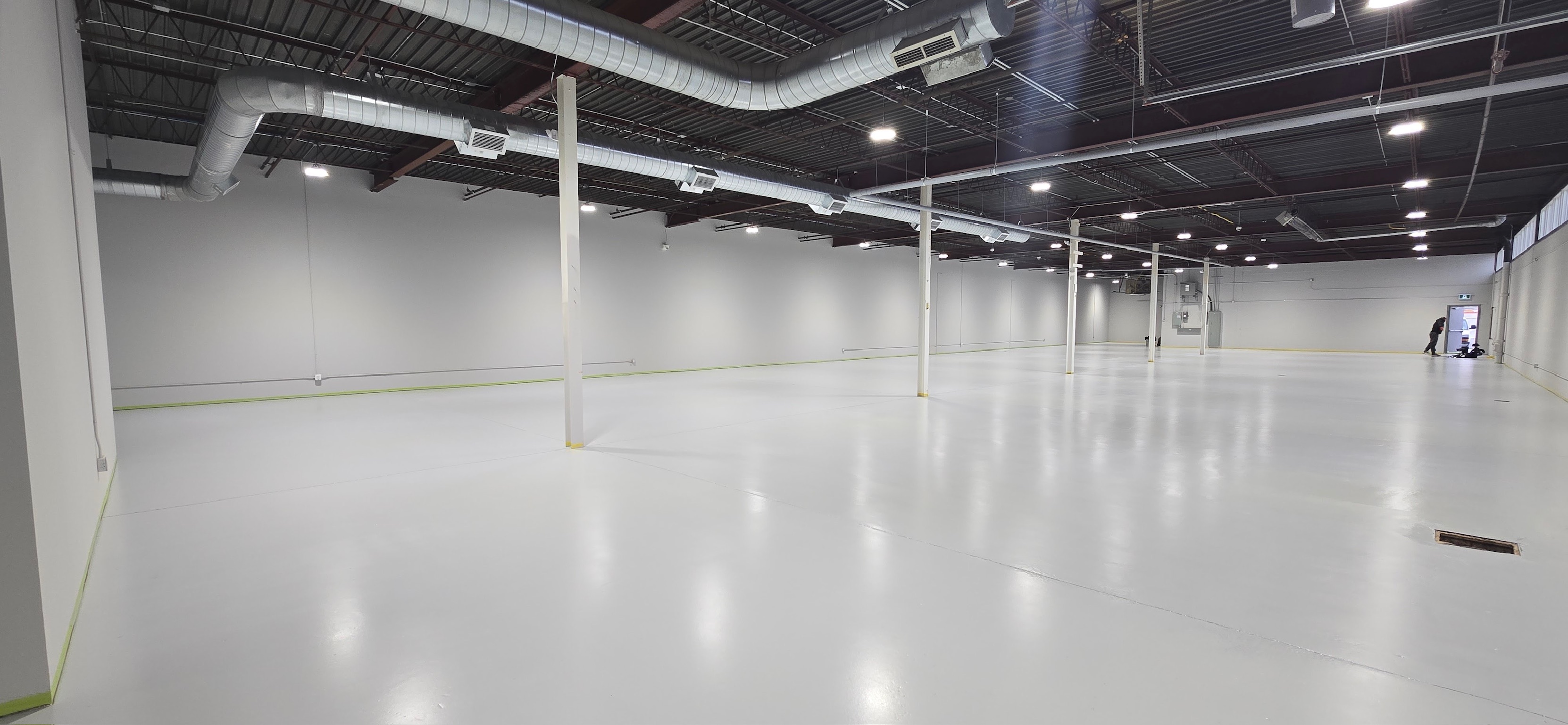
Shiny floors are not the goal. Zone-customized, safety-driven systems are — floors that work as hard as the people standing on them.
Send us a floor plan and how each area gets used, and we'll come out, test the slab and specify it zone by zone.