
.webp)
Hallandale Beach
A narrow, dense city where most of the work sits inside shared buildings.
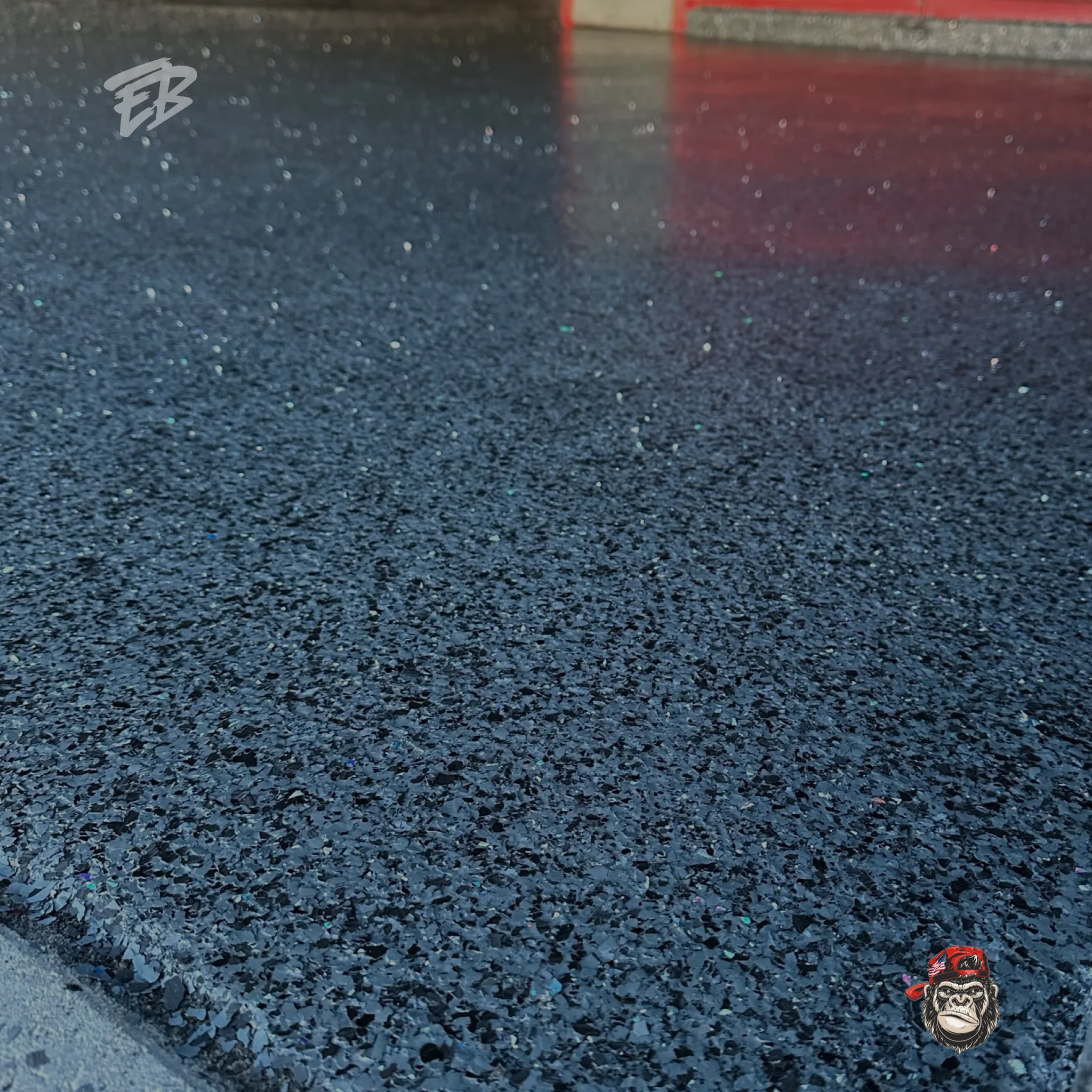
Garage & Commercial Floor Coatings in Hallandale Beach
Hallandale is narrow and dense, and a large share of it is high-rise. That changes the job more than the material does: most of what we coat sits inside a building with a management company, shared access and residents who still need somewhere to park.
So the paperwork and the sequence matter as much as the finish. We supply approval documents and proof of insurance and phase the work so access stays open. This close to the ocean, anything exposed gets a finish built for salt and sun. Our shop is minutes up the road in Dania Beach.
FAQ
My building has to approve the work first. Can you help with that?
Yes, and on most buildings it is expected. Management normally wants written approval and proof of insurance naming the association before anyone starts.
We provide the documents and phase the work so residents keep access while it is under way.
My garage is close to the water. Is that a problem?
Not a problem, but it does change what we put down. Salt in the air is hard on a coating, and the first place it shows is around the edges and the door line rather than in the middle of the floor.
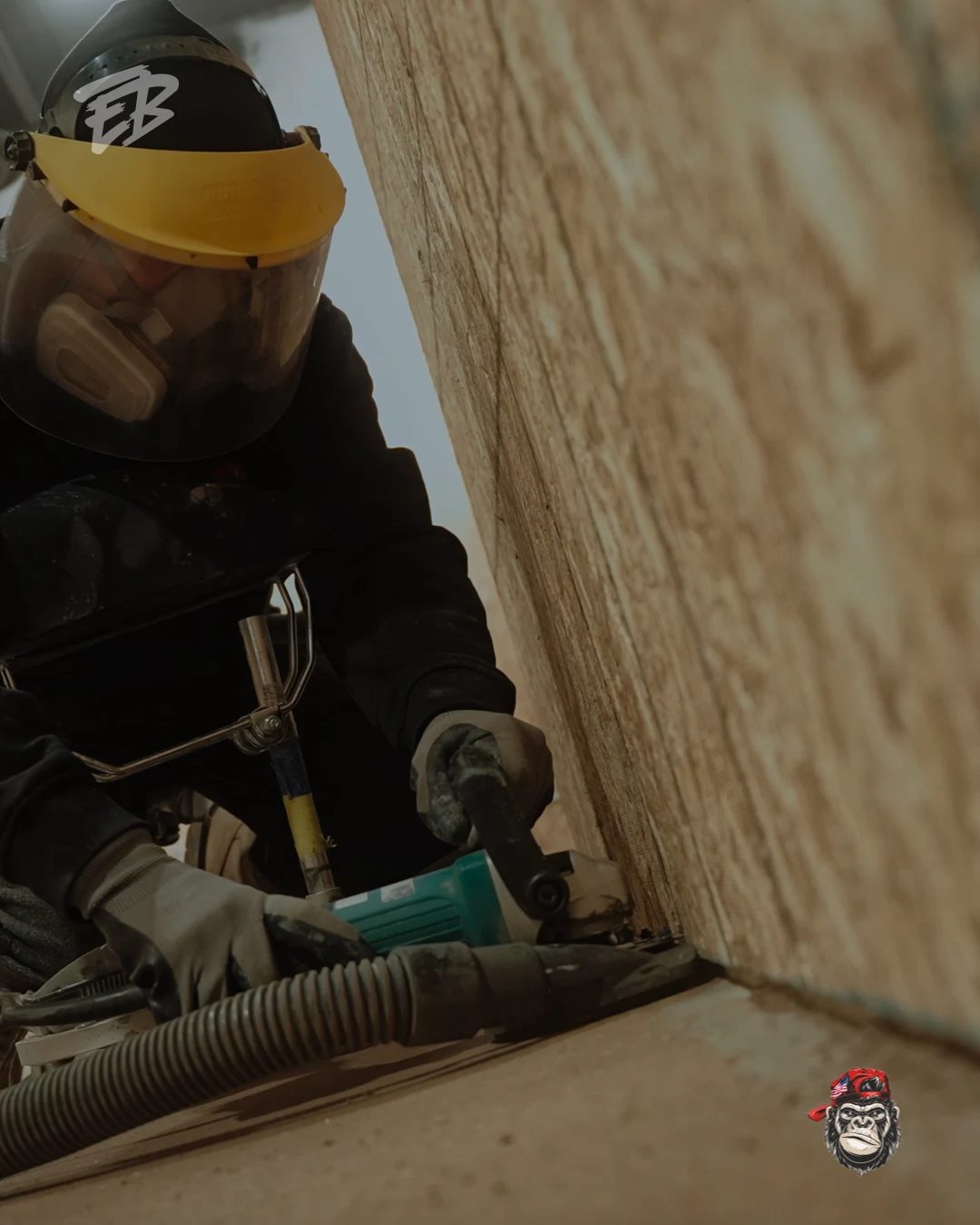
Close to the water we use a topcoat made for that exposure and seal the edges properly instead of running the coating to the wall and calling it done.
Can the work be done outside opening hours?
Yes, and where a space is in use during the day it is usually the sensible way to do it.
We phase the work into evenings and weekends and agree the sequence before starting, so you know exactly which areas are out of use and when.
My floor is old and stained. Can it still be coated?
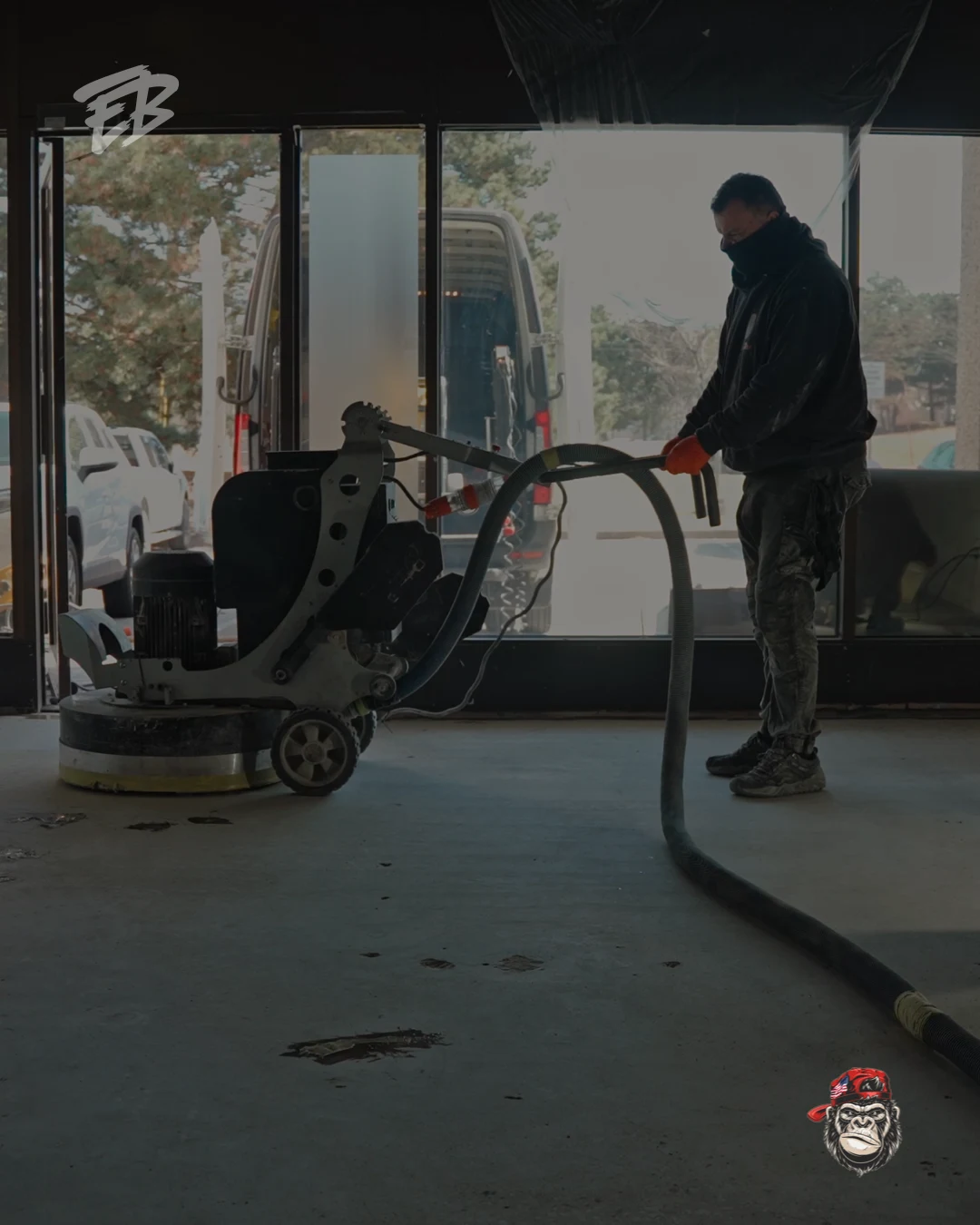
Usually yes. Stains and old patches sit at the surface, and grinding takes that layer off before anything is applied.
What we check for underneath is moisture and structural cracking, since those decide the build rather than the appearance.
Will hot tires lift the floor?
Not with a properly bonded system. Hot-tire pickup happens when a coating is thin, poorly bonded or rolled on over unprepared concrete.
We grind rather than acid-etch, so the coating anchors into the slab instead of resting on top of it.
Will the floor fade or turn yellow in the sun?
Not with the right finish. A plain epoxy left exposed to daylight ambers and dulls, sometimes within a season, and in Florida most garage doors stay open a good part of the day.
We finish with a UV-stable topcoat, which is what keeps the color where it started.
There is already a coating down and it is peeling. What happens to it?
It comes off. A new system is only as sound as whatever it sits on, and putting fresh material over a failing one simply repeats the failure a year later.
We grind the old coating away mechanically, then assess the concrete underneath on its own condition.
Do you fix cracks and chipped edges first?
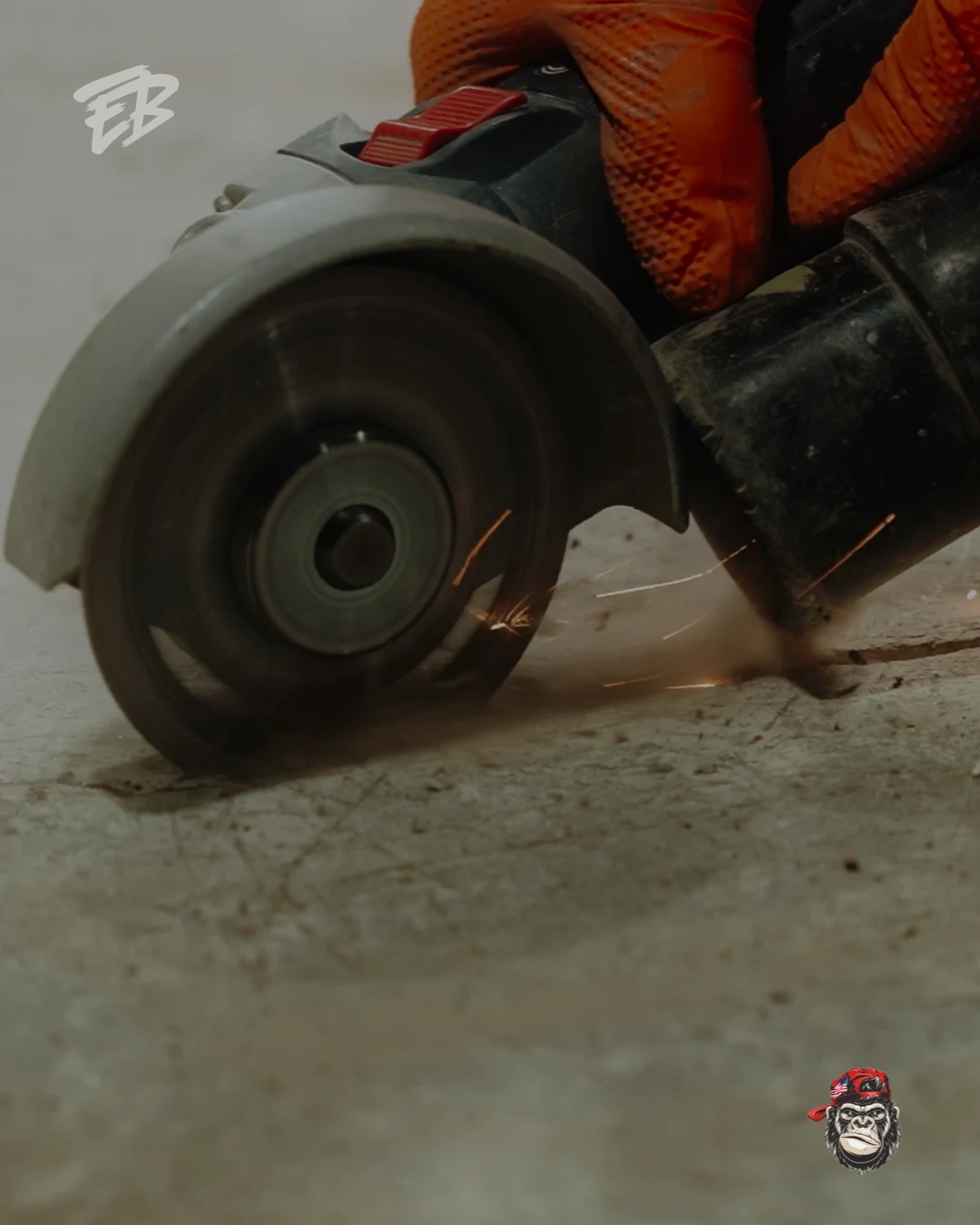
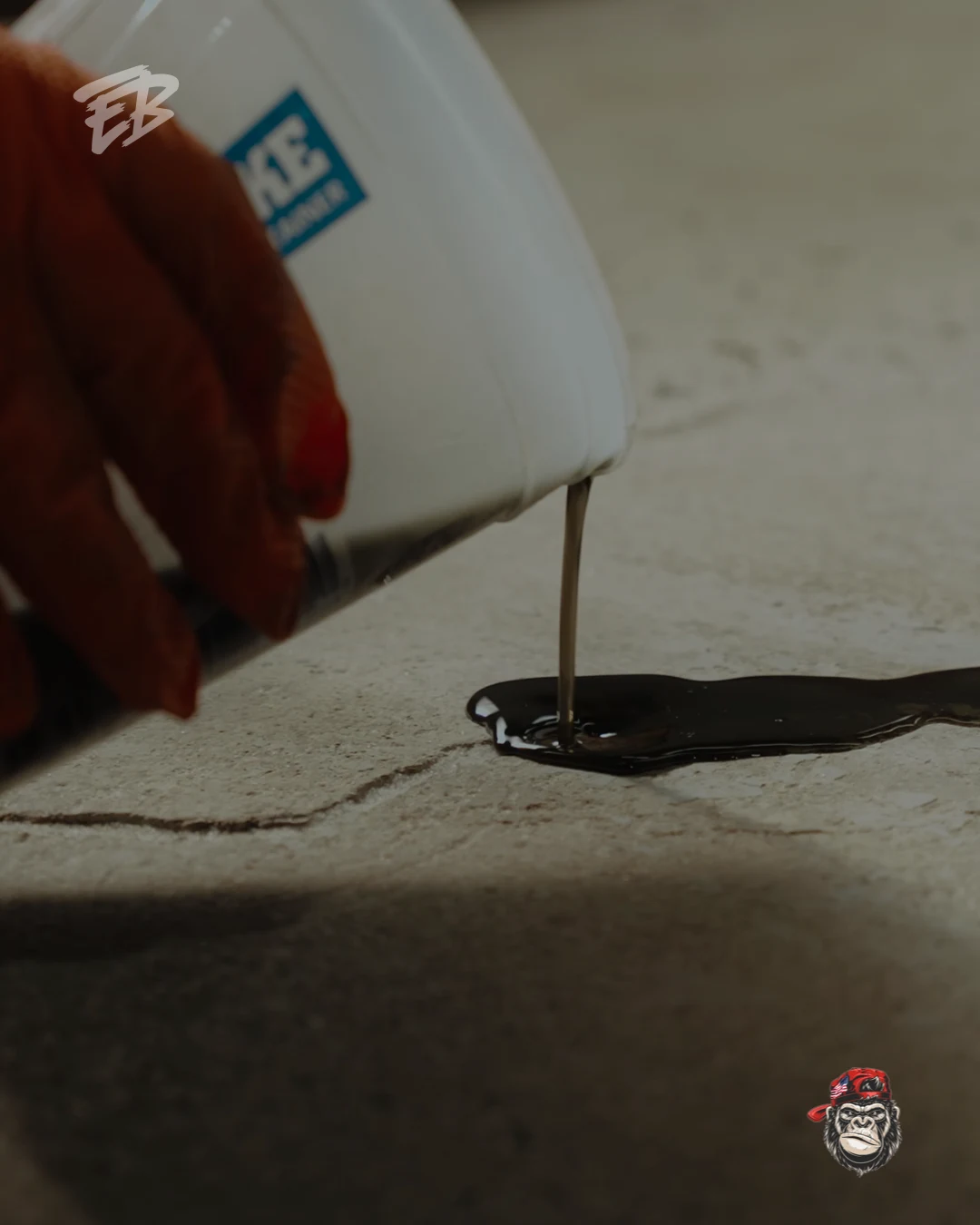
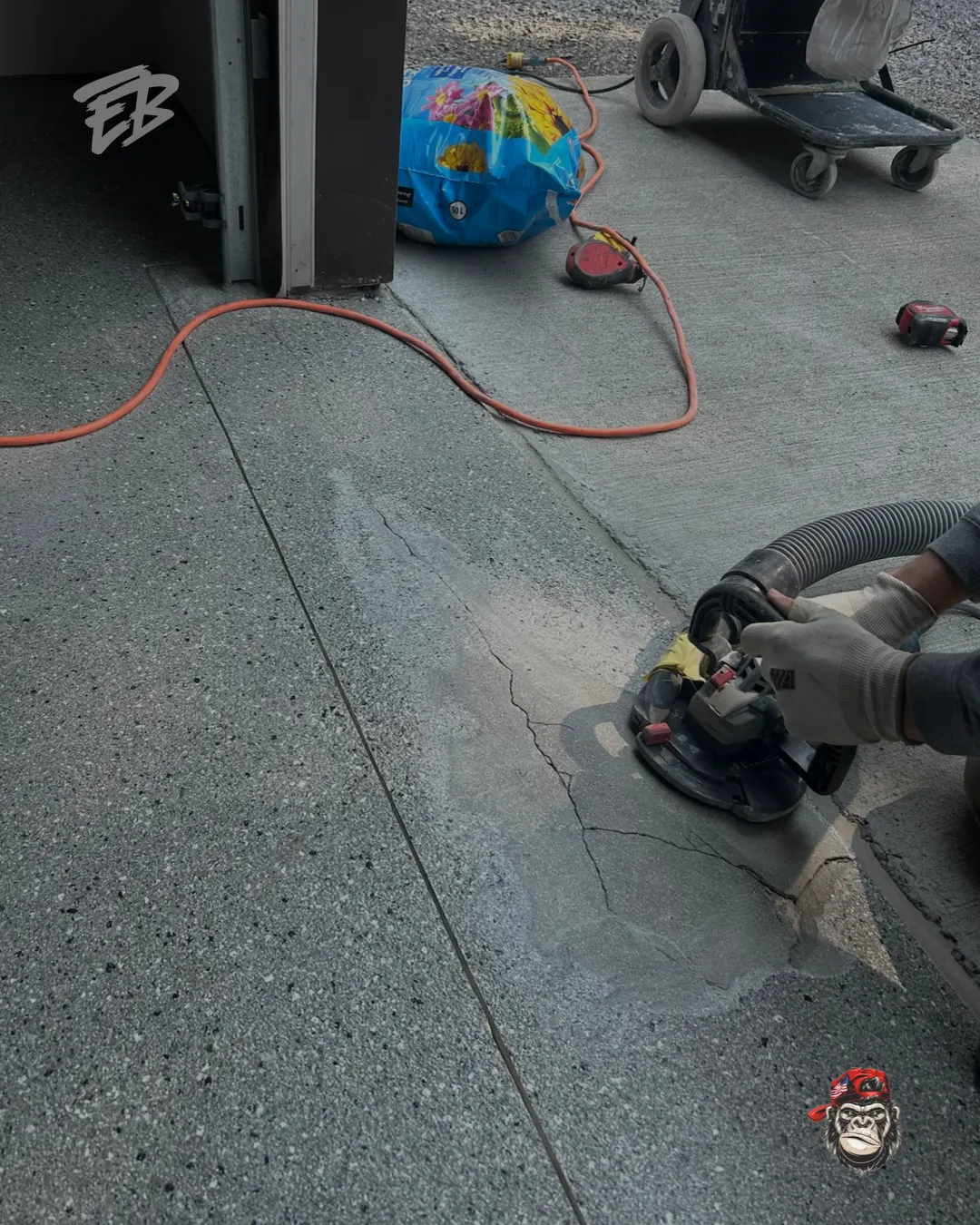
Yes. Cracks, chipped edges and failed patches are repaired as part of the preparation, not treated as an extra afterwards.
A coating does not bridge a moving crack on its own, so the repair has to happen first if the finish is going to stay flat.
How long before I can park on it?
You can walk on it the next day. Vehicles need longer, because tires put far more stress on a fresh coating than feet do.
We give you the exact window before we start, so you can plan where the car goes in the meantime.
Do I need to empty the garage first?
Yes, the floor has to be completely clear before we start — including shelving and anything fixed along the walls.
If moving heavy items is a problem, tell us when we quote and we will build it into the plan rather than leaving it to the morning of the job.
How soon can you get to Hallandale Beach?
We are just up the road in Dania Beach, so Hallandale is a short drive.
Most estimates happen within a few days of your call, and installation is usually scheduled soon after.
OuR services
Concrete Coating

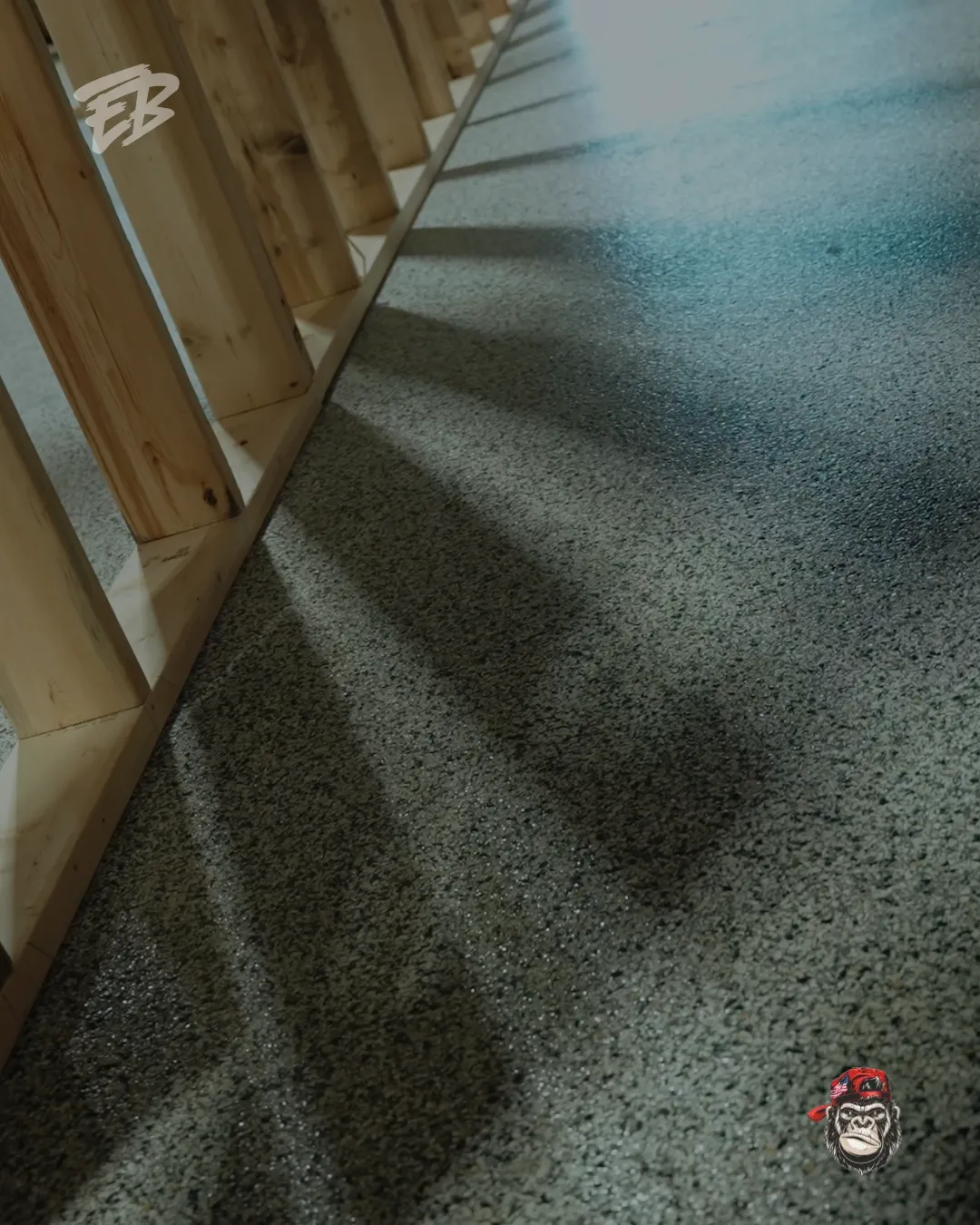
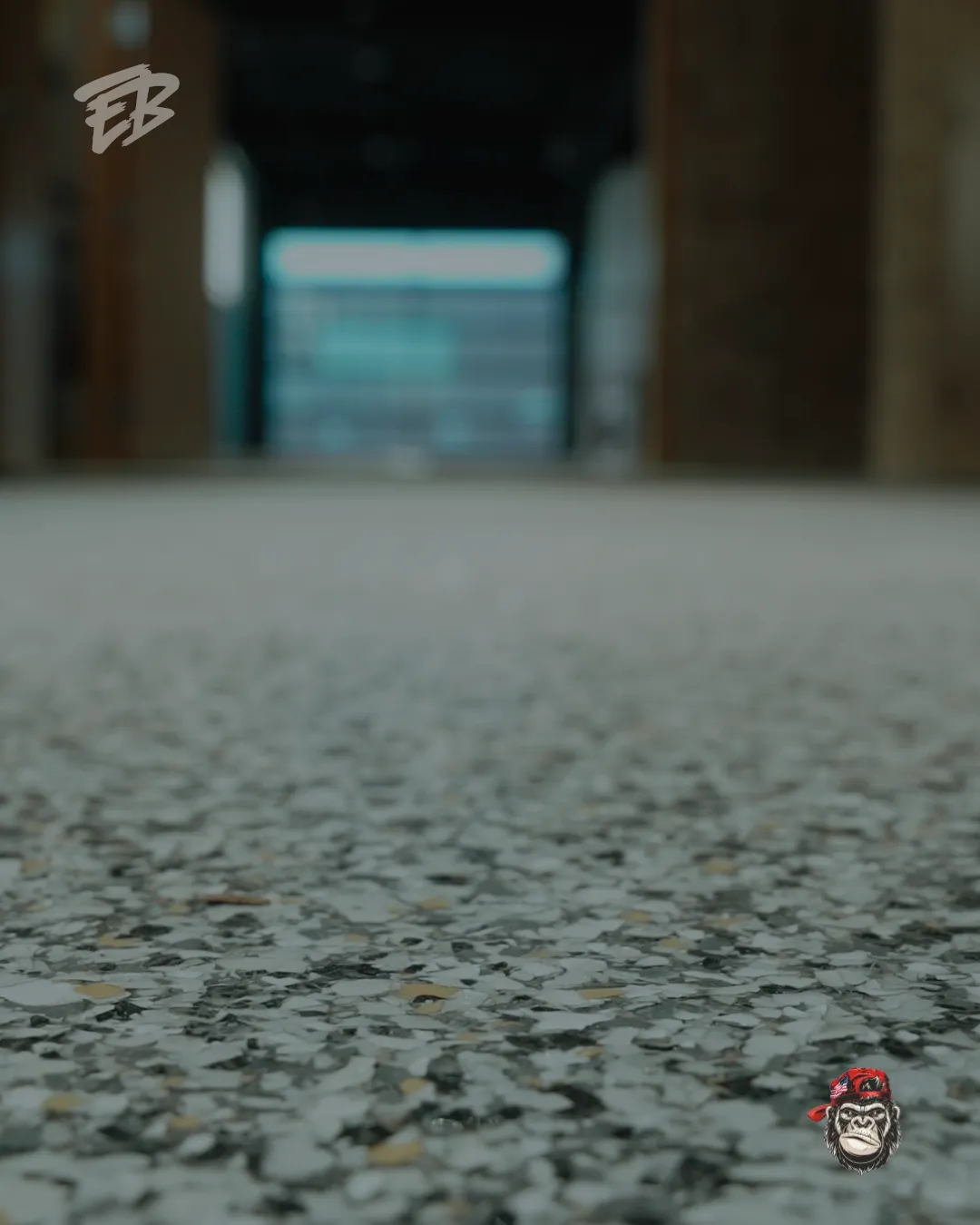
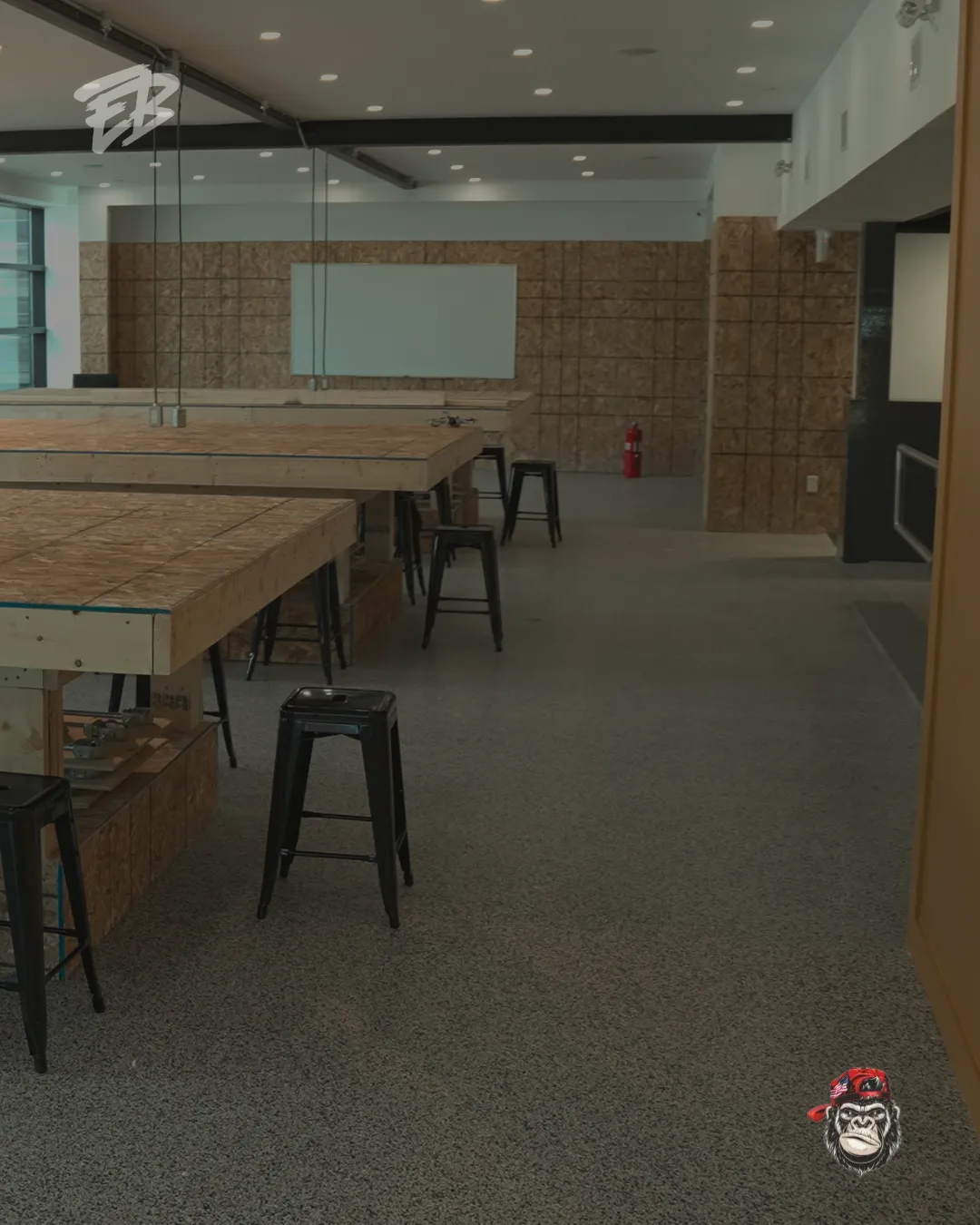
Protective flooring systems engineered to strengthen, seal and preserve concrete surfaces exposed to traffic, chemicals, moisture and operational wear.
Learn More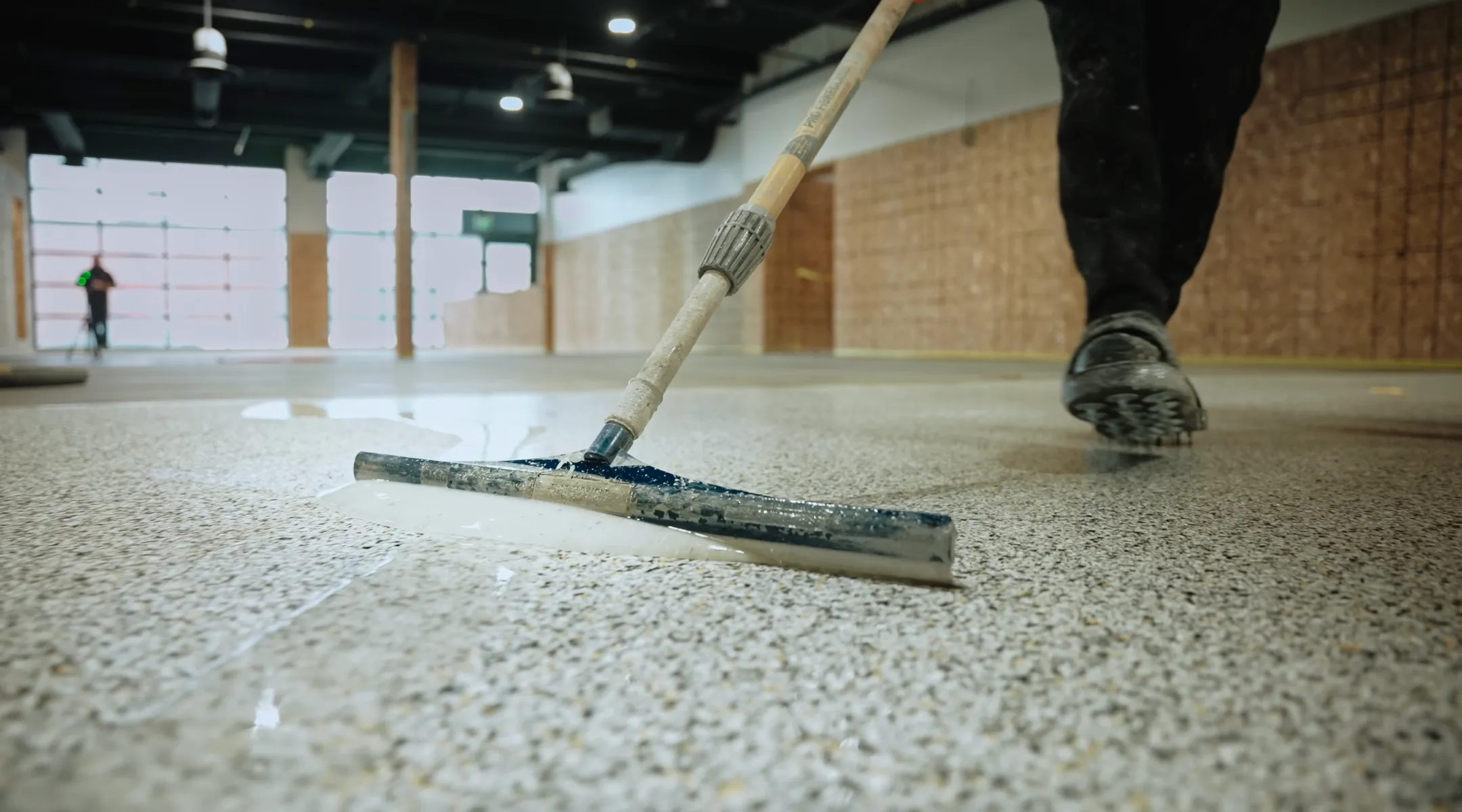
No items found.
Concrete Repair & Restoration
Protective flooring systems engineered to strengthen, seal and preserve concrete surfaces exposed to traffic, chemicals, moisture and operational wear.
Learn More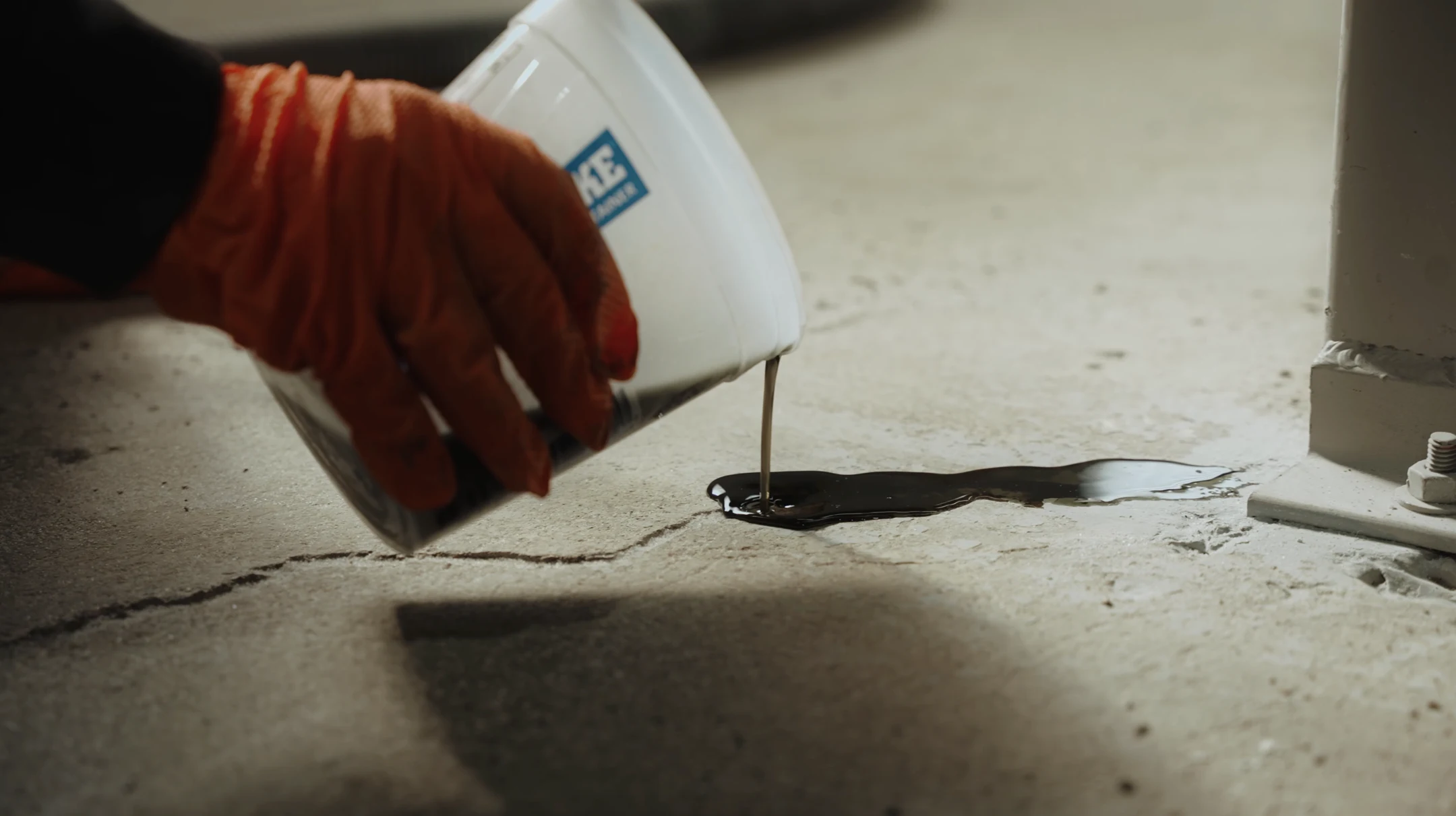

No items found.
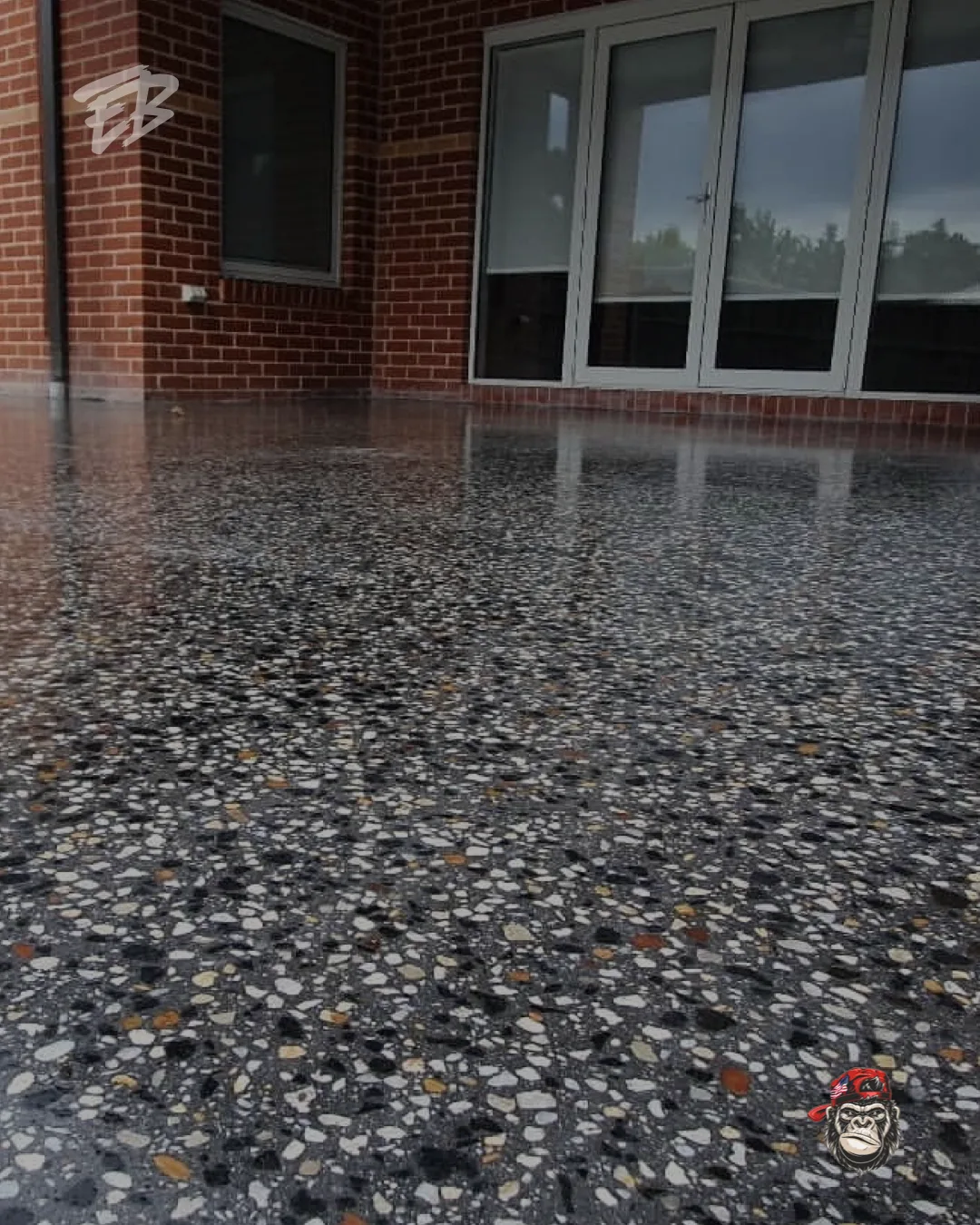
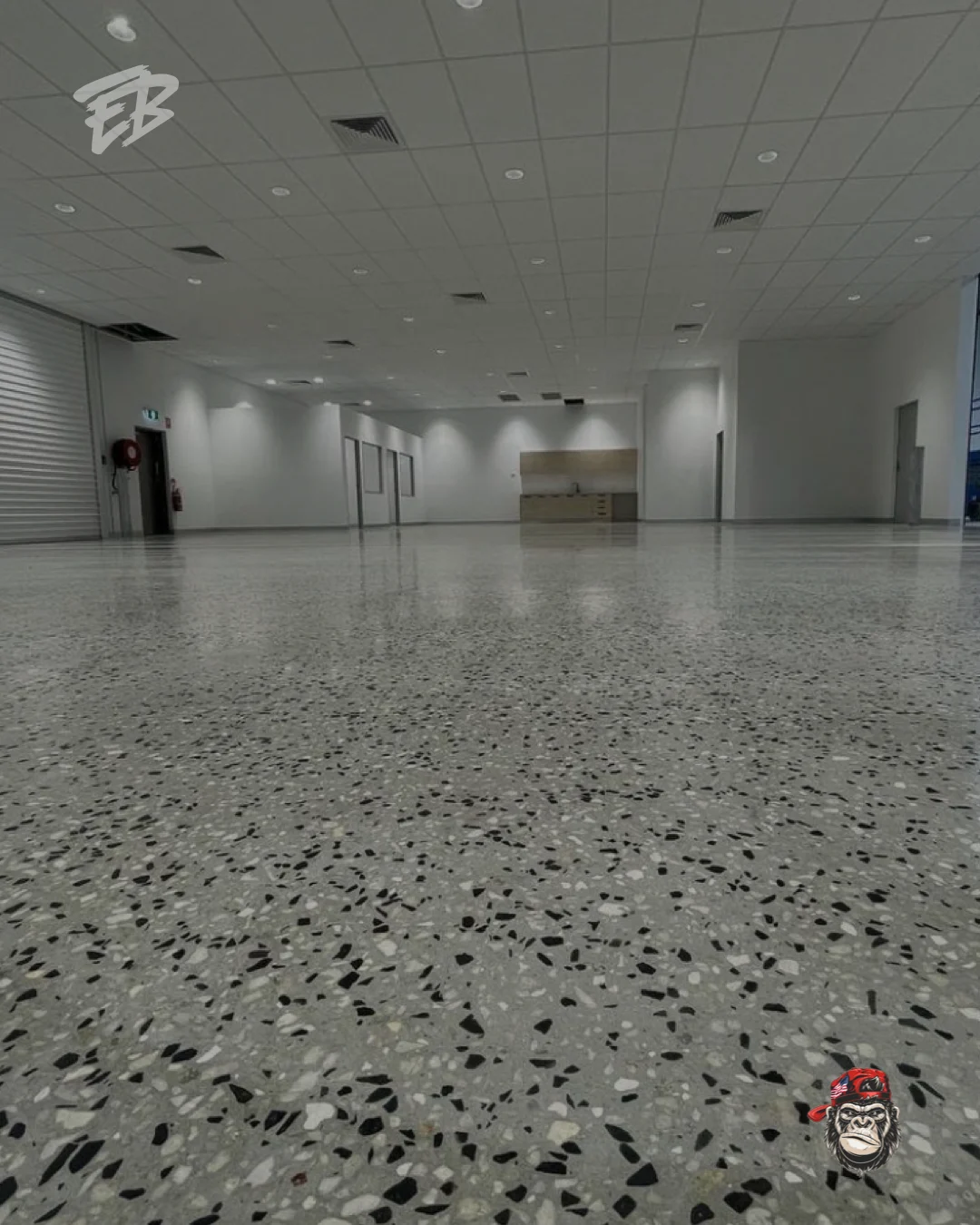
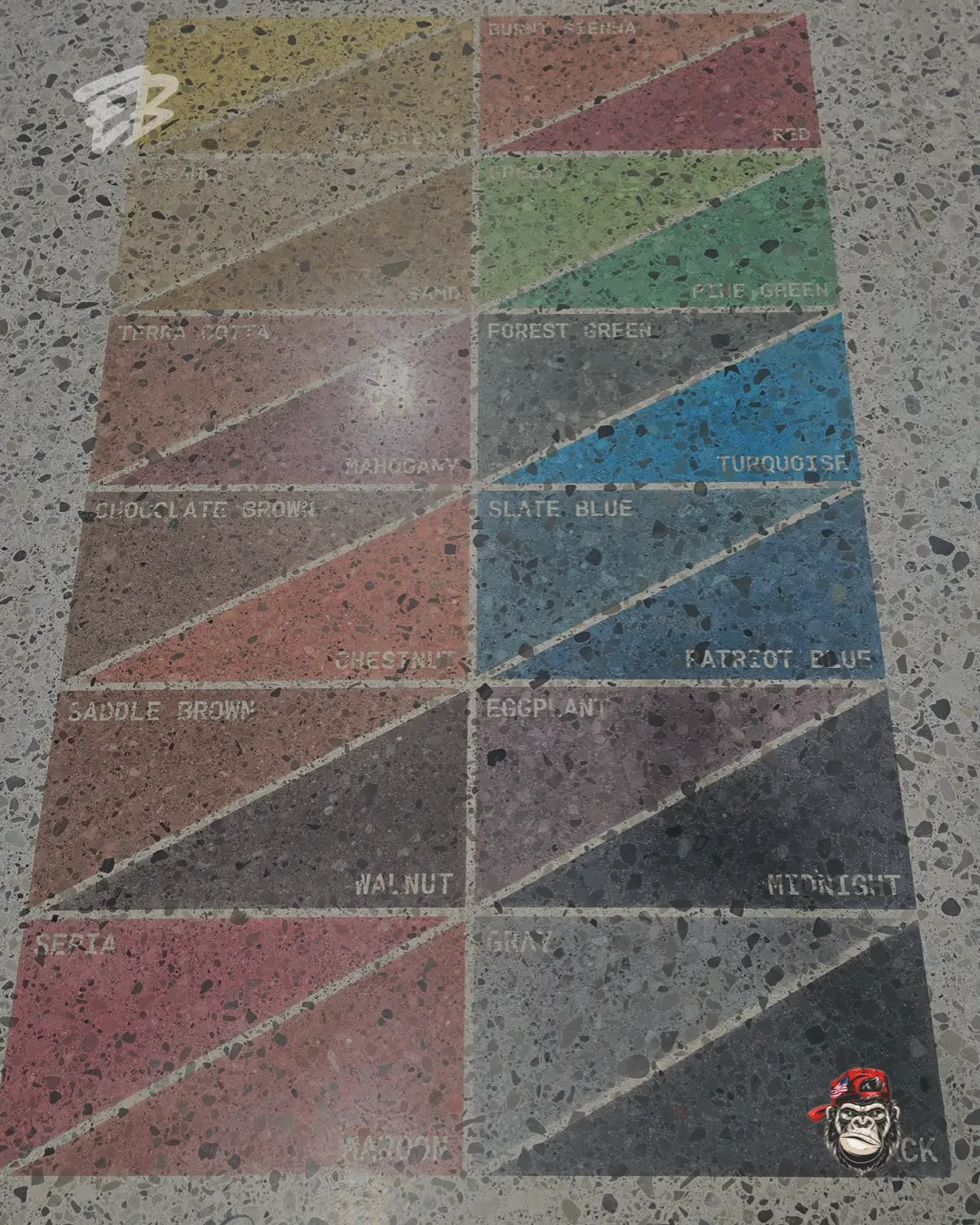
Polished & Decorative Concrete
Protective flooring systems engineered to strengthen, seal and preserve concrete surfaces exposed to traffic, chemicals, moisture and operational wear.
Learn More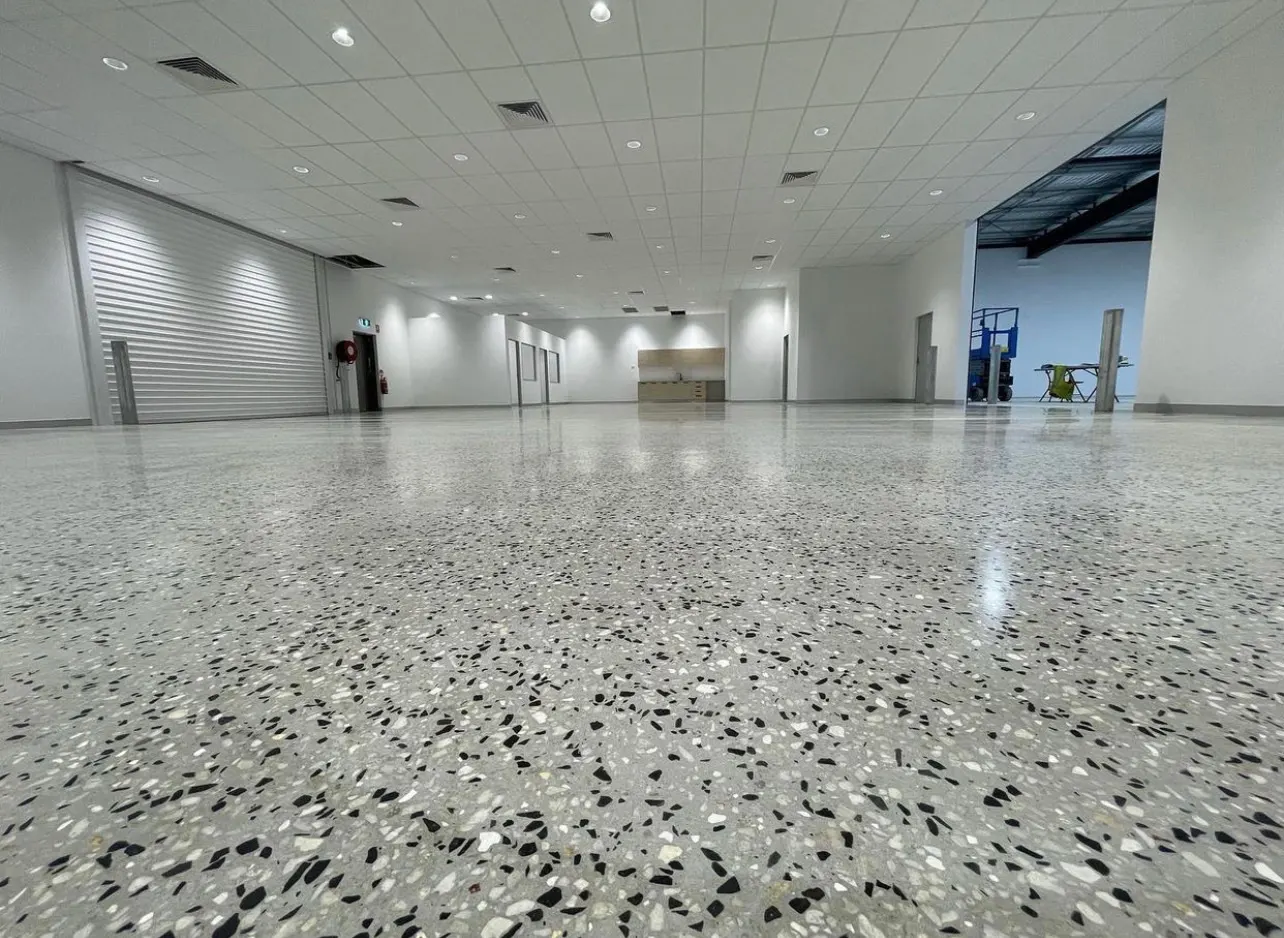


No items found.
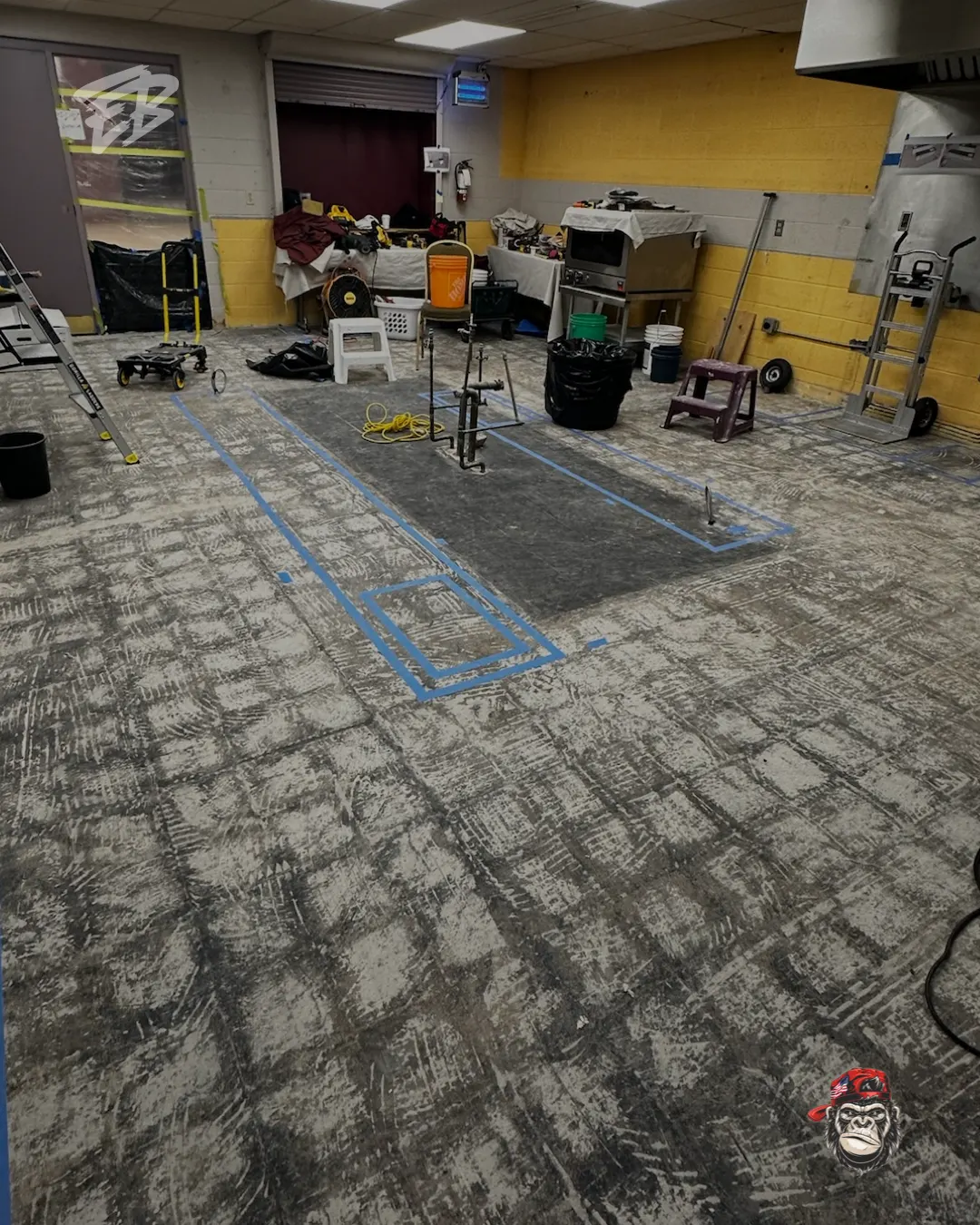
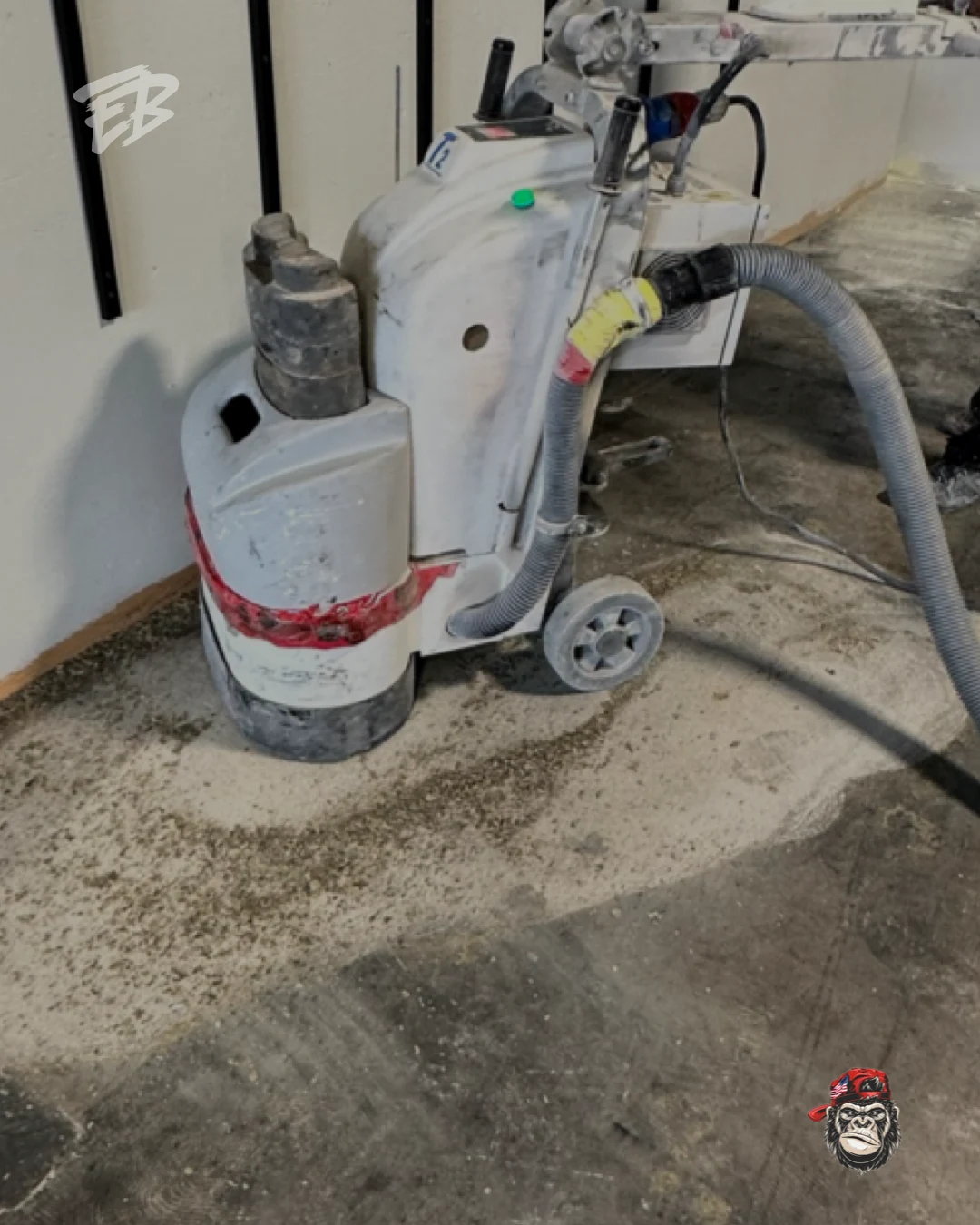
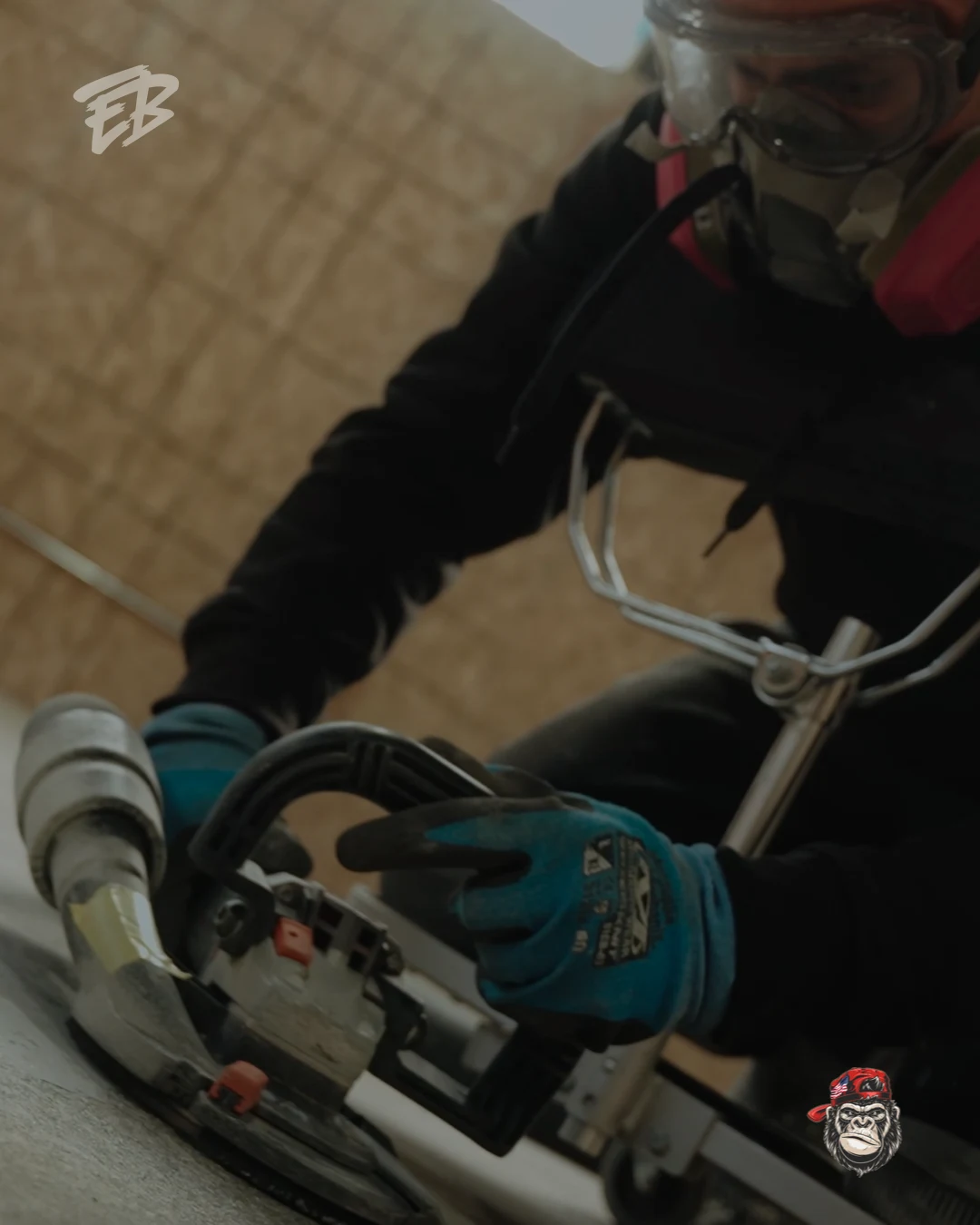
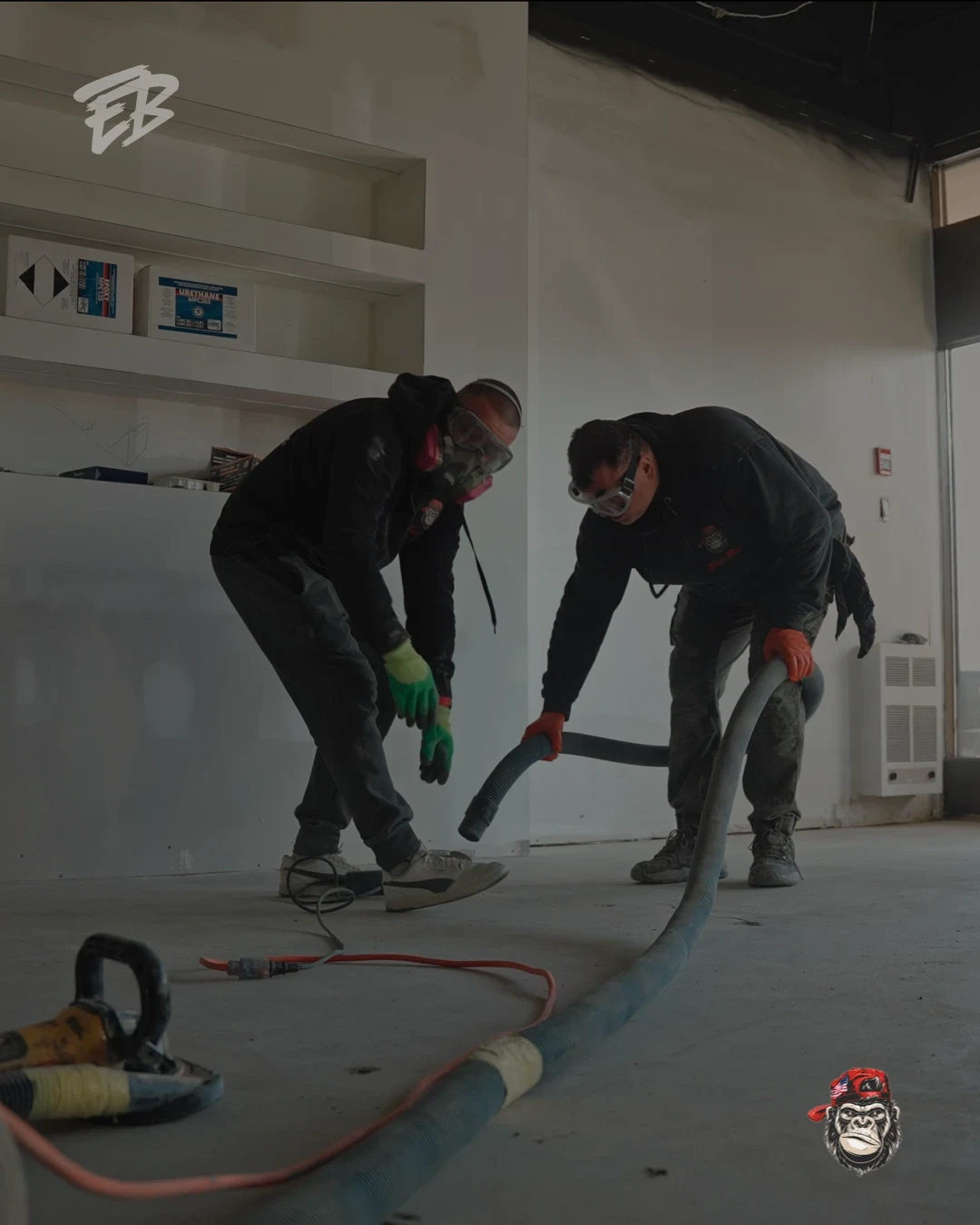
Surface Preparation & Grinding
Protective flooring systems engineered to strengthen, seal and preserve concrete surfaces exposed to traffic, chemicals, moisture and operational wear.
Learn More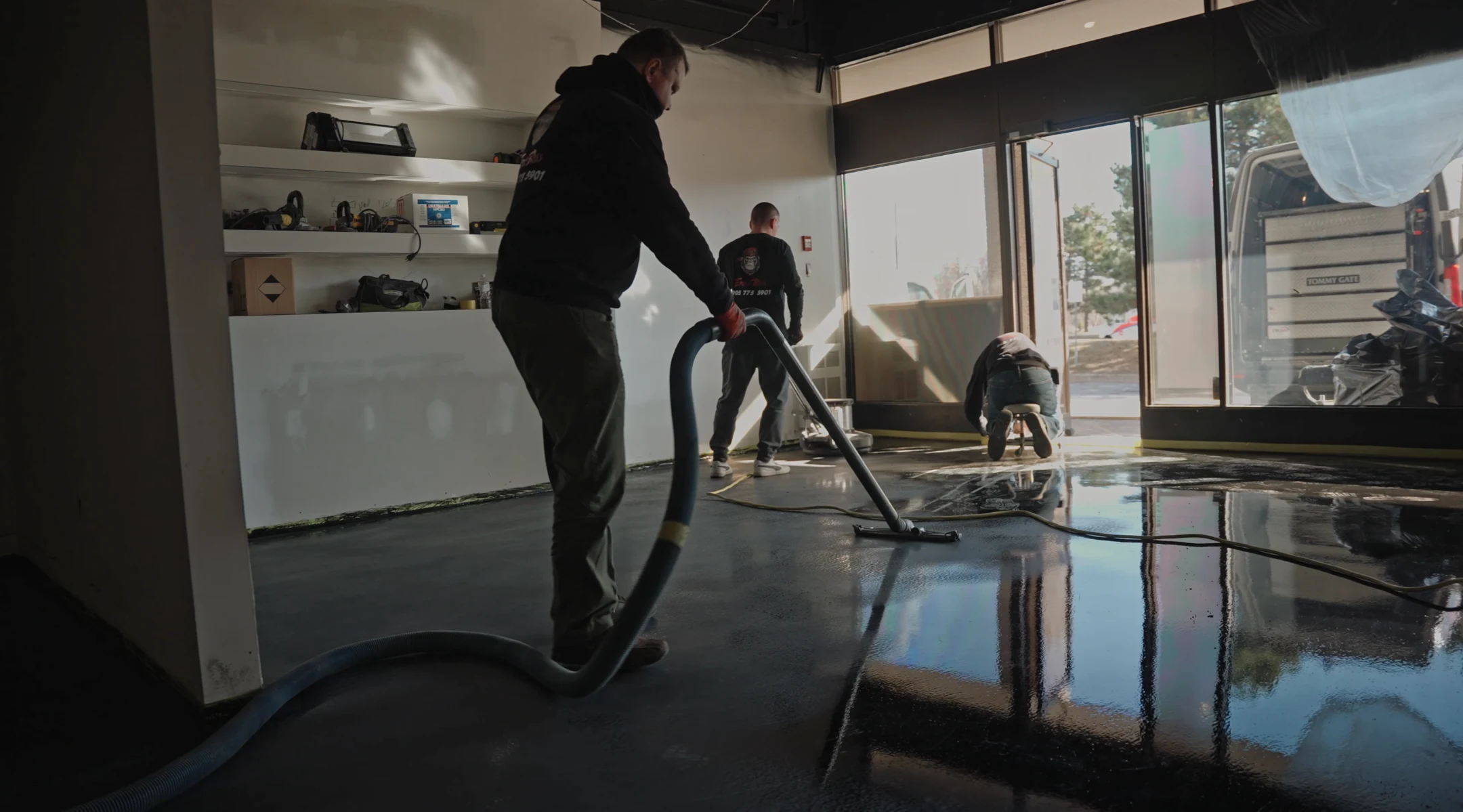
No items found.
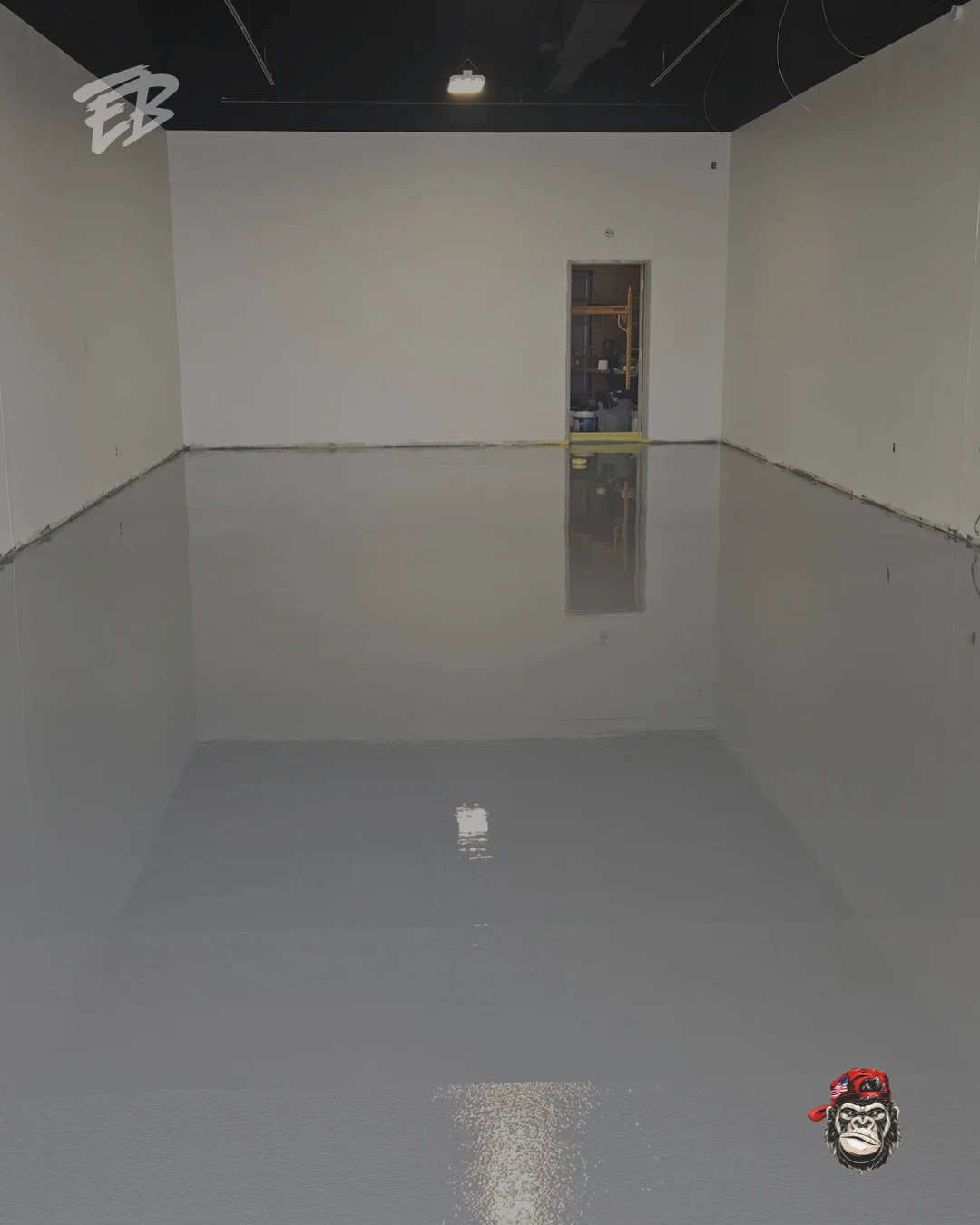
Waterproofing & Traffic Systems
Protective flooring systems engineered to strengthen, seal and preserve concrete surfaces exposed to traffic, chemicals, moisture and operational wear.
Learn More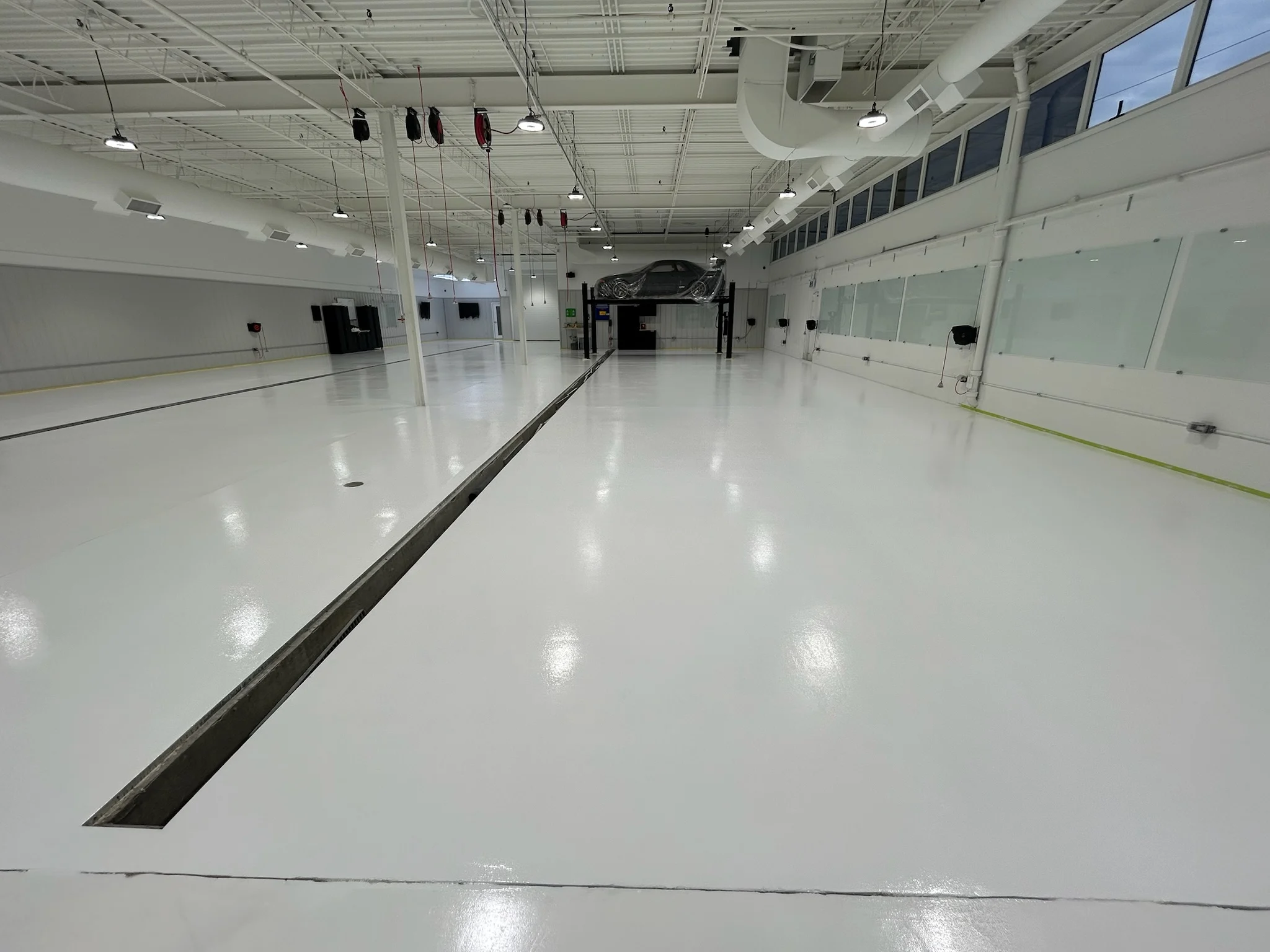

No items found.
Ready to Upgrade Your Floors?
Custom epoxy systems tailored for garages, basements, showrooms, patios, and industrial environments — combining industrial-grade durability with premium aesthetics.

How we work

01
first touch with us
High-performance floor systems built for real-world abuse. From decorative epoxy toindustrial-grade traffic coatings, we install seamless finishes that resist impact, chemicals, and daily wear - without compromising on style. Includes overlays, traffic coatings, and advanced membrane systems for long-term protection.
02
Quotation
Get a clear and accurate price using our online calculator for instant estimates, or connect with us directly for a detailed quote. For more complex projects, we can schedule an on-site visit to finalize all details.
03
Decision making
We help you choose the right system, finish, and colors based on your goals. From flake to solid or metallic systems, you will have full clarity and confidence in your selection.
04
Scheduling + 50% Deposit
Once everything is confirmed, we lock in your project date. A 50% deposit secures your spot, allowing us to allocate materials and crew accordingly.
05
Day of the project
Our team completes full surface preparation including grinding and crack repair, followed by precise application of your selected multi-layered system based on manufacturer specifications.
06
Project Review
We walk through the finished space with you to ensure satisfaction. After approval, the remaining 50% balance is collected and the project is officially completed.
EPOXY BOSS