Polishing is not a coating
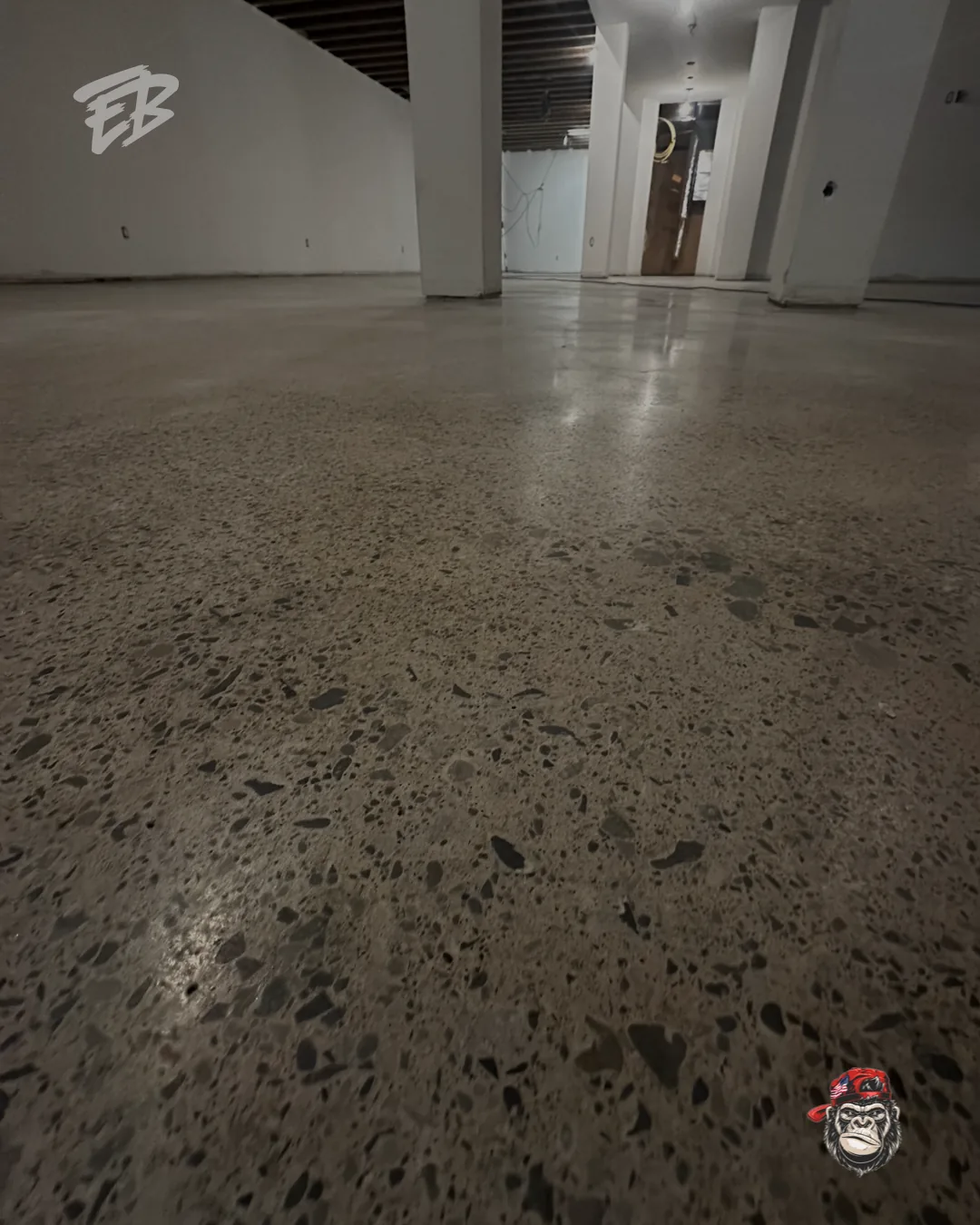
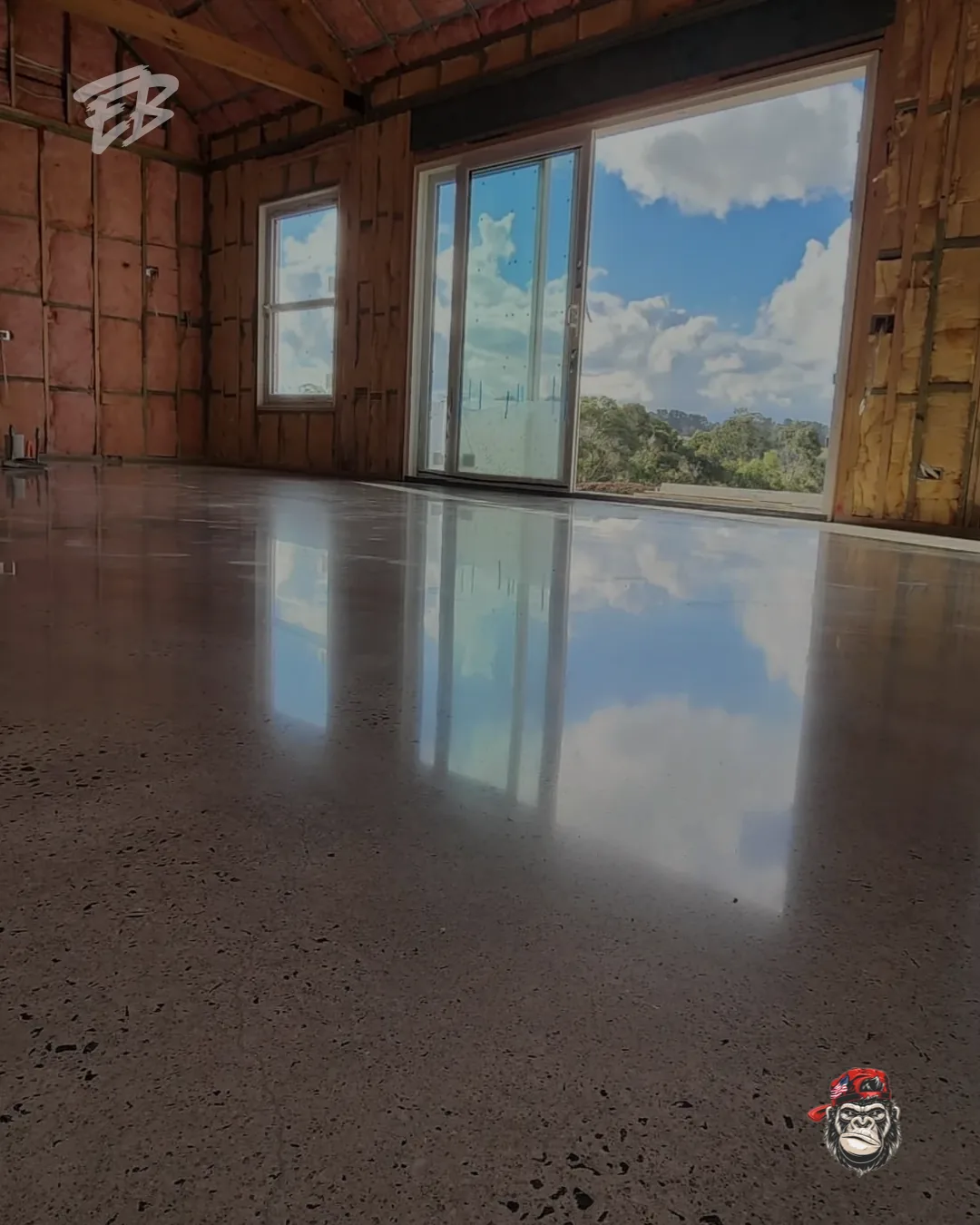
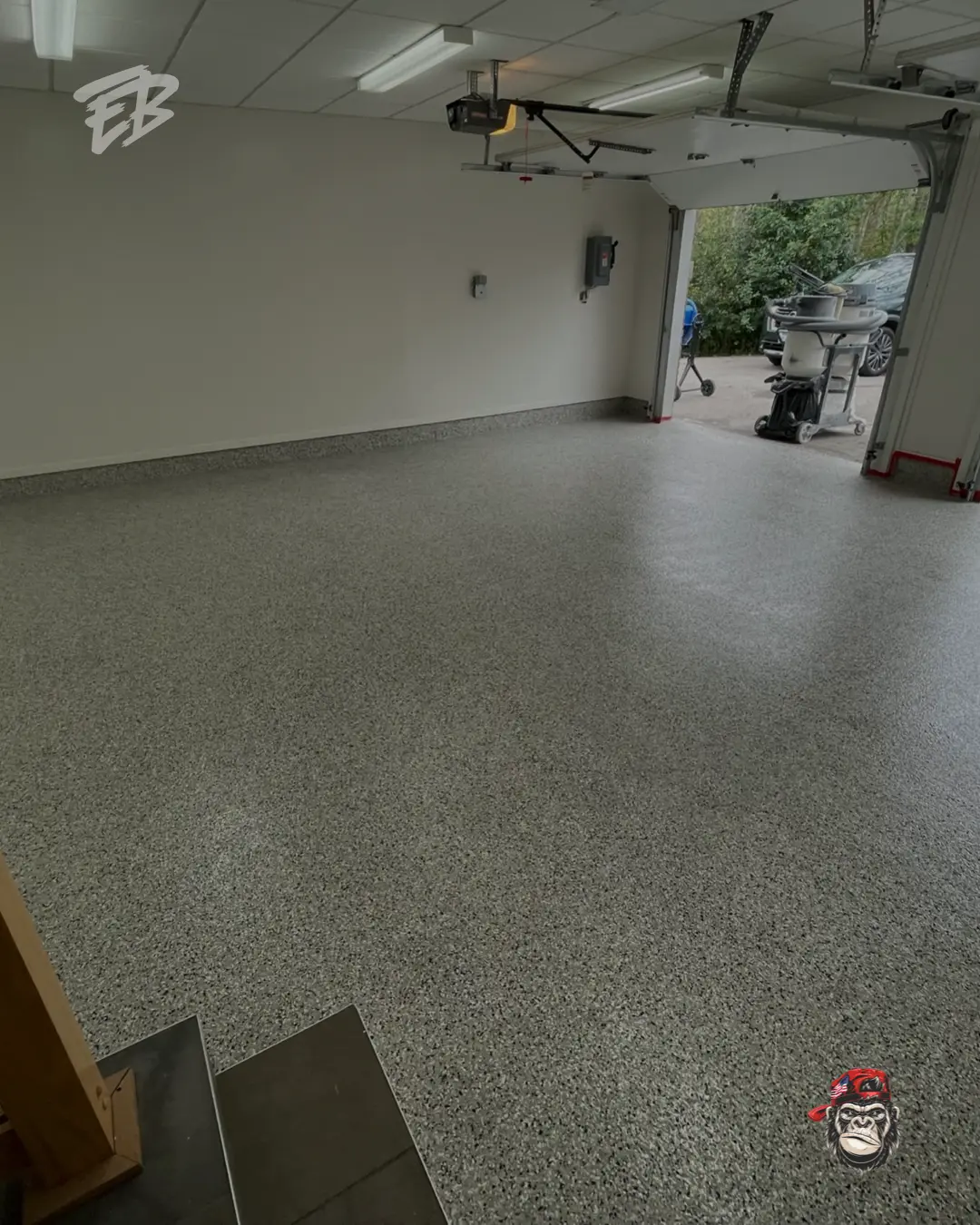
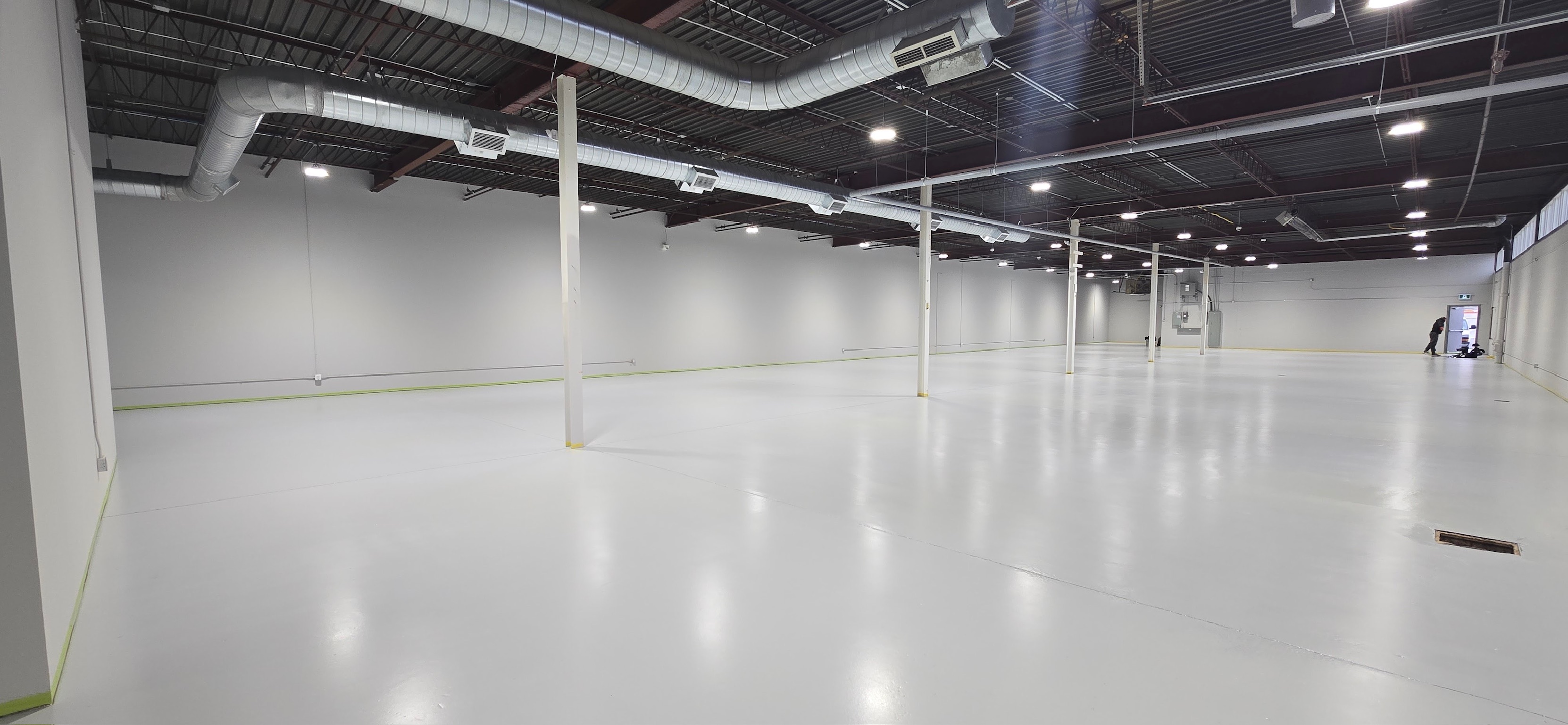
This is the distinction that decides whether polished concrete is right for a space. A coating adds a layer on top of the slab. Polishing removes material and refines what's already there — the finished floor is the concrete, mechanically ground and closed until it reflects light.
Nothing can delaminate, because there's nothing sitting on top to come off. That's the core advantage, and it's why polished floors turn up in warehouses, showrooms and retail spaces that see decades of traffic.
The process, step by step
1. Assess the slab. Hardness, flatness and aggregate depth determine everything that follows. A soft slab needs harder diamond bonds; a hard slab needs softer ones. Getting this wrong at step one wastes tooling and time all the way through.
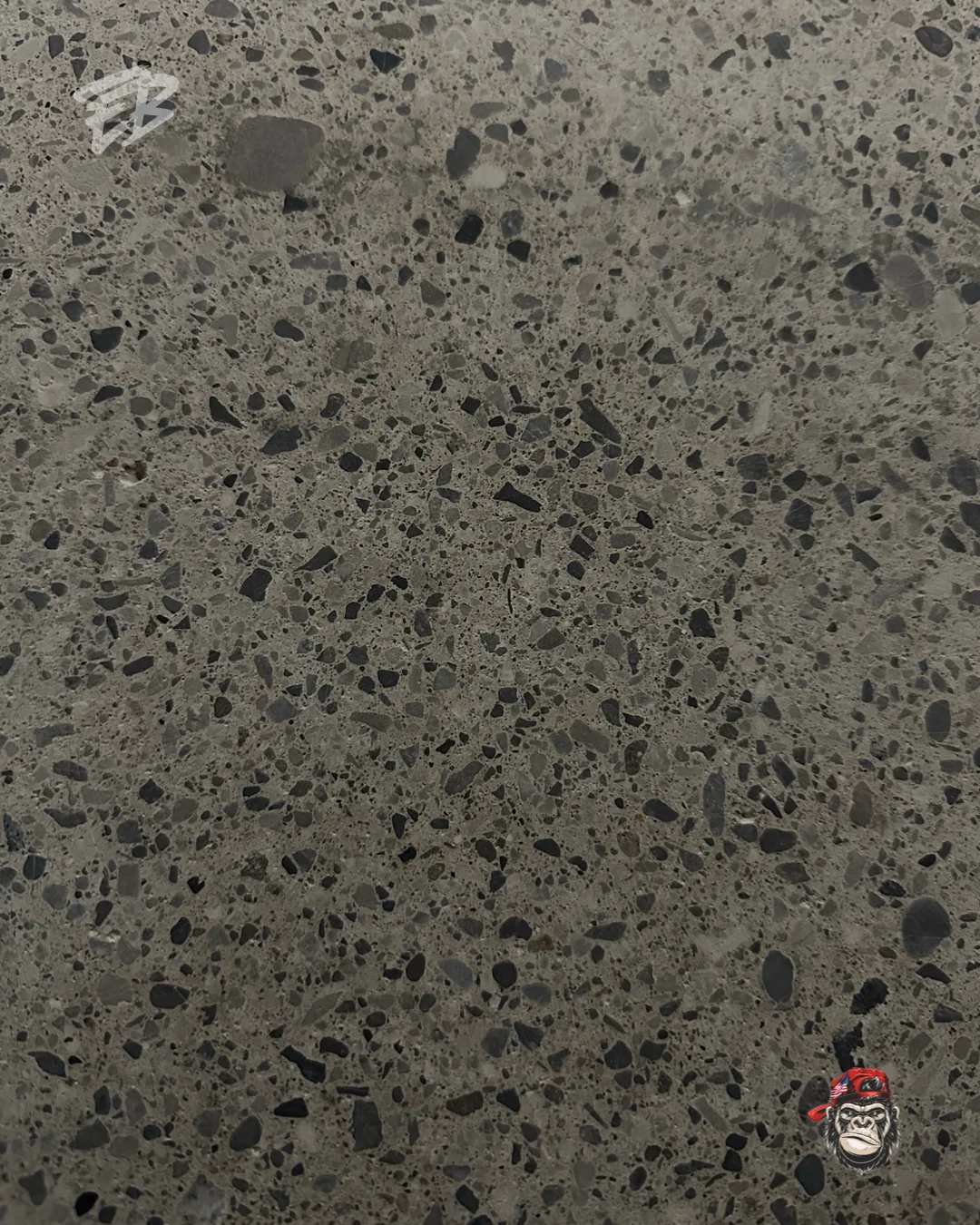
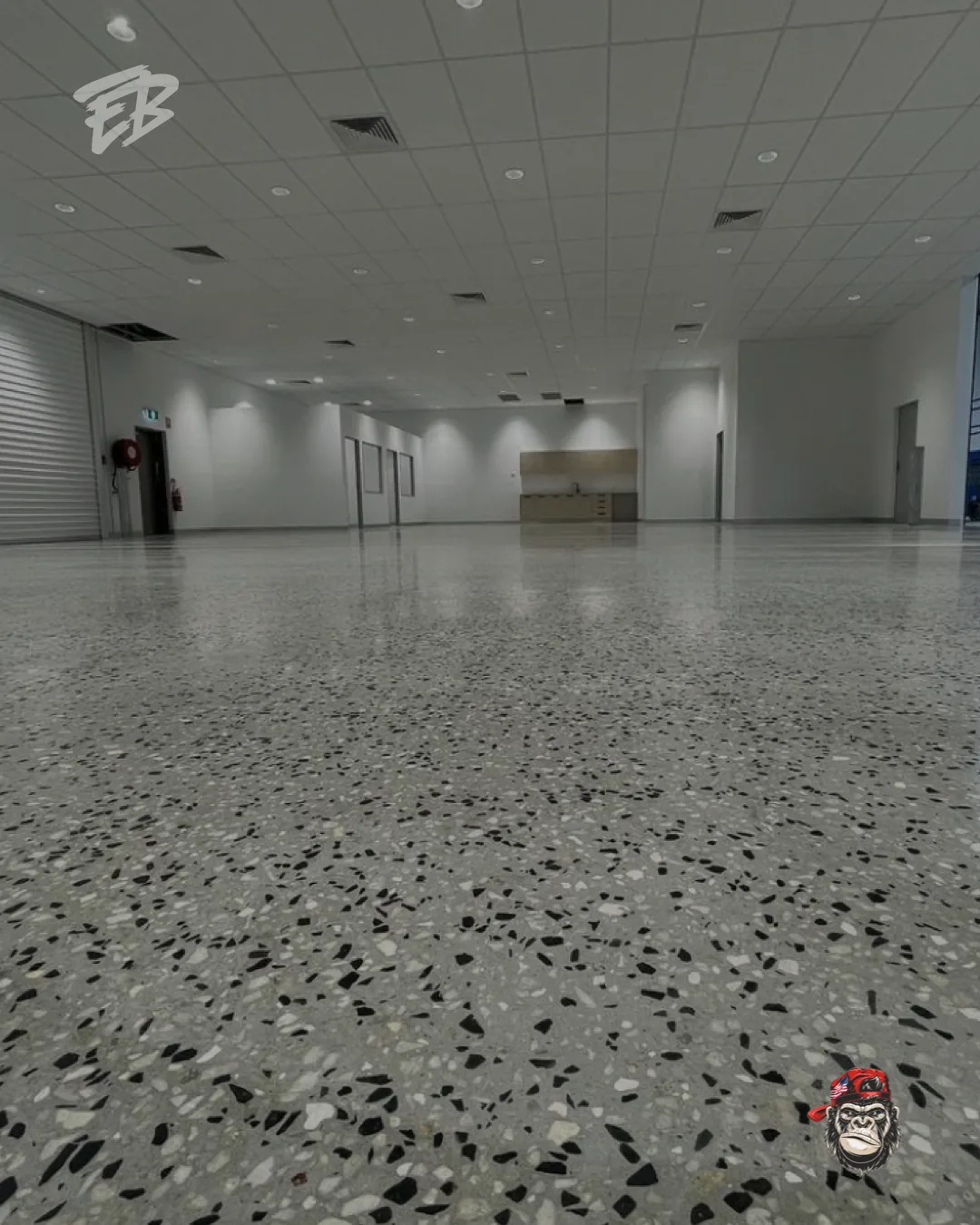
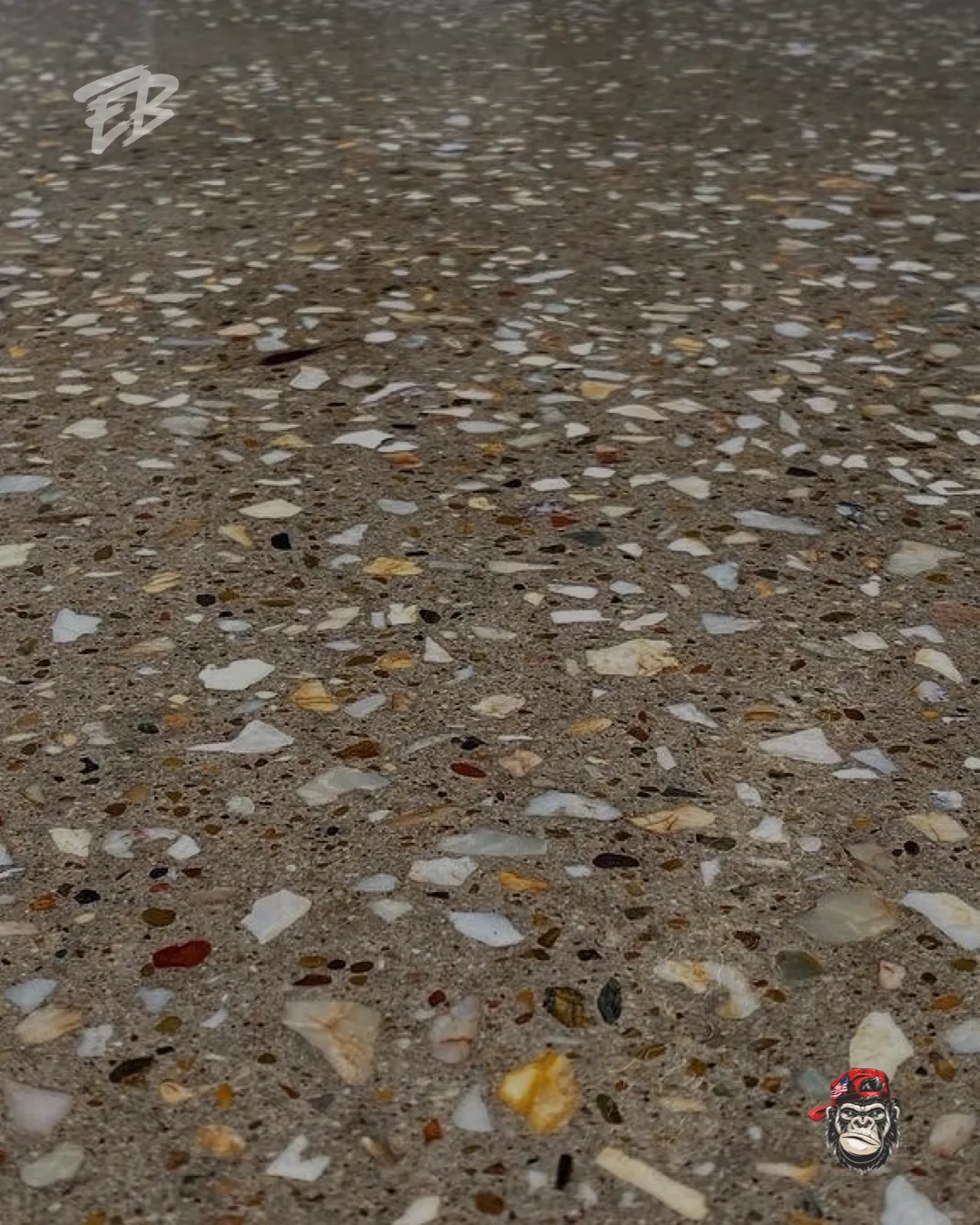
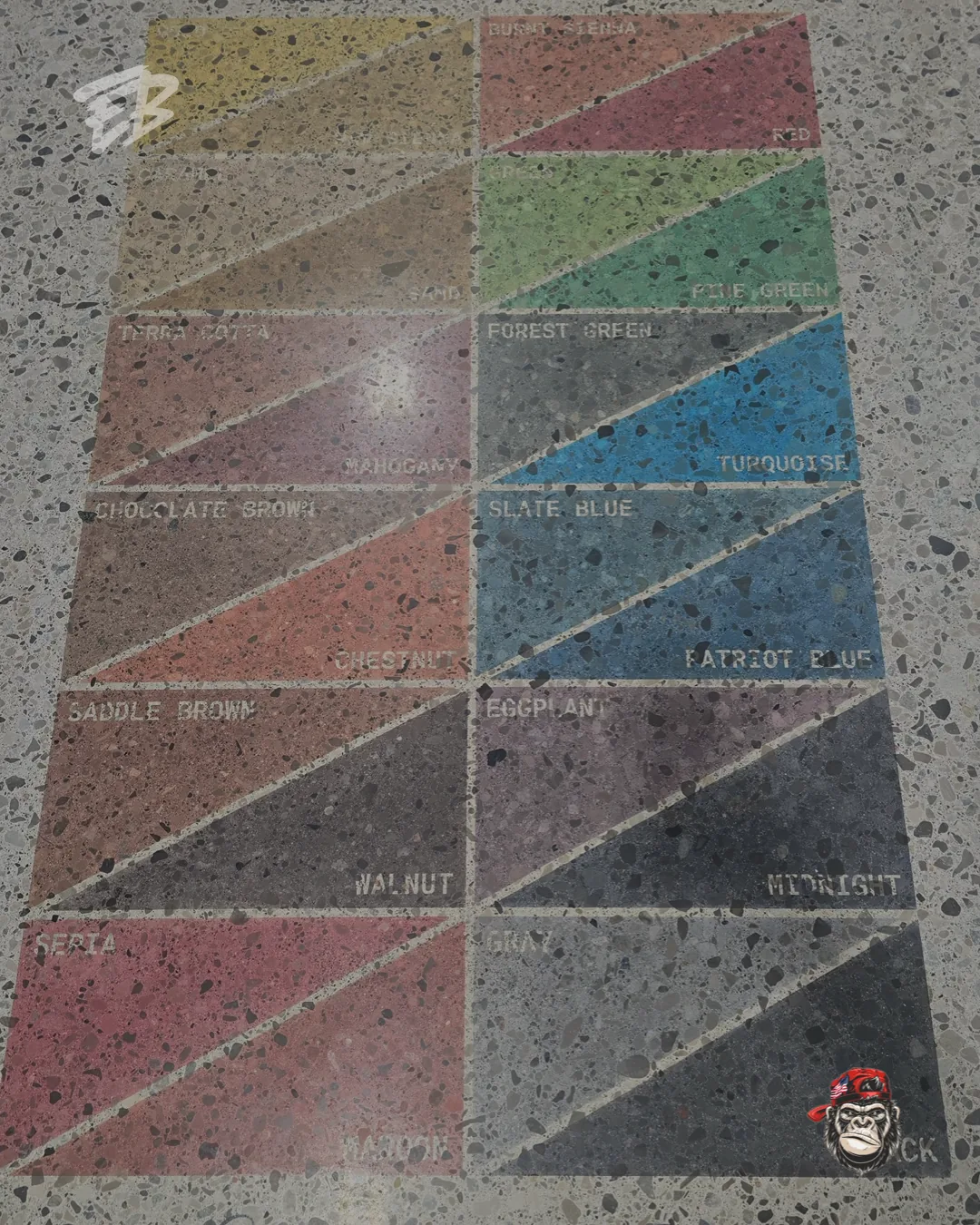
2. Decide on aggregate exposure. Grinding barely below the surface leaves a cream finish with almost no stone showing. Going deeper exposes salt-and-pepper, and deeper still gives full aggregate. This is a design decision made before the first pass, because it can't be undone.
3. Grind with metal-bond diamonds. The aggressive stage — typically 30 to 80 grit — flattens the slab, removes coatings and adhesives, and establishes the exposure level.
4. Repair and fill. Cracks, pinholes and joints get filled once the surface is open. Doing this before grinding means grinding the repair right back out.
5. Apply densifier. A lithium or sodium silicate reacts with free lime in the concrete to harden the surface from within. This is what makes the polish durable rather than just shiny, and skipping it is the most common shortcut in the trade.
6. Hone and polish with resin-bond diamonds. Progressive passes — 100, 200, 400, 800, 1500, 3000 grit — each removing the scratch pattern left by the previous one. Skip a grit and you'll see it in the final sheen, permanently.
7. Seal and protect. A penetrating guard adds stain resistance without leaving a film on the surface.
Gloss levels
Polish is specified by sheen, not by grit alone. A matte finish stops around 400 grit and reads flat and industrial. Satin lands near 800. High gloss and mirror finishes take the process out to 1500 and 3000, and each step up adds labour, cost and reflectivity.
Higher gloss shows more — including every imperfection in the slab underneath. On an older floor, a satin finish is usually the more honest choice.
When polishing beats coating in South Florida
Polished concrete has one significant advantage in this climate: it's breathable. A coating traps moisture vapor rising through a slab, and on slab-on-grade construction near the water table that vapor has to go somewhere — which is why coatings blister from below. A polished floor lets it pass through.
On a slab that tests high for moisture emission, polishing can be the answer where a coating would require a mitigation membrane first.
What polishing won't do is fix a bad slab. Severe cracking, settlement or spalling shows through a polished finish more than through a coating, because there's no opaque layer to hide it.
Is your slab a candidate?
Most structurally sound interior slabs are. The variables are hardness, existing coatings, flatness and how much aggregate you want to see. We'll test the slab and show you what the exposure will look like before any decision is locked in.