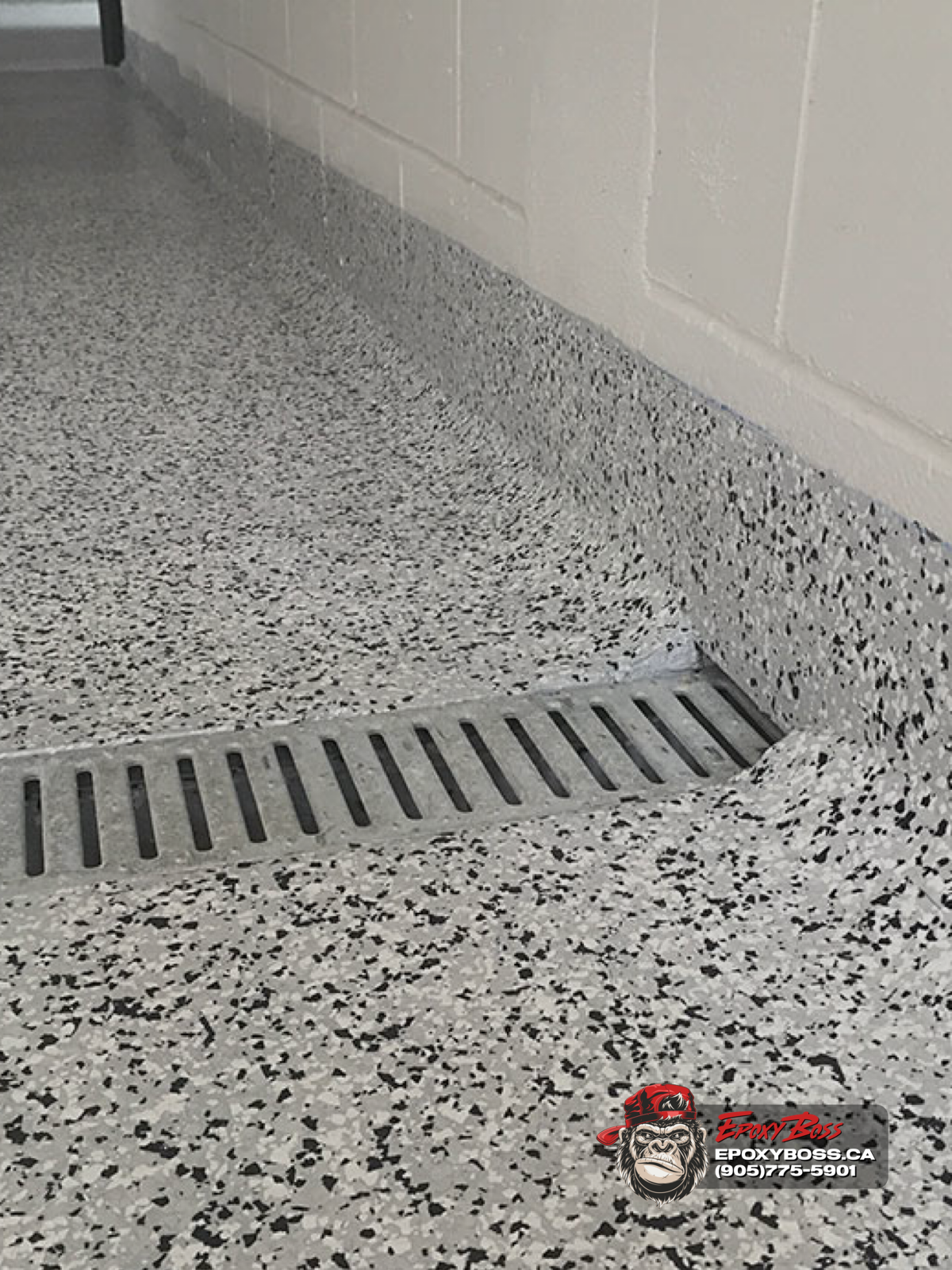
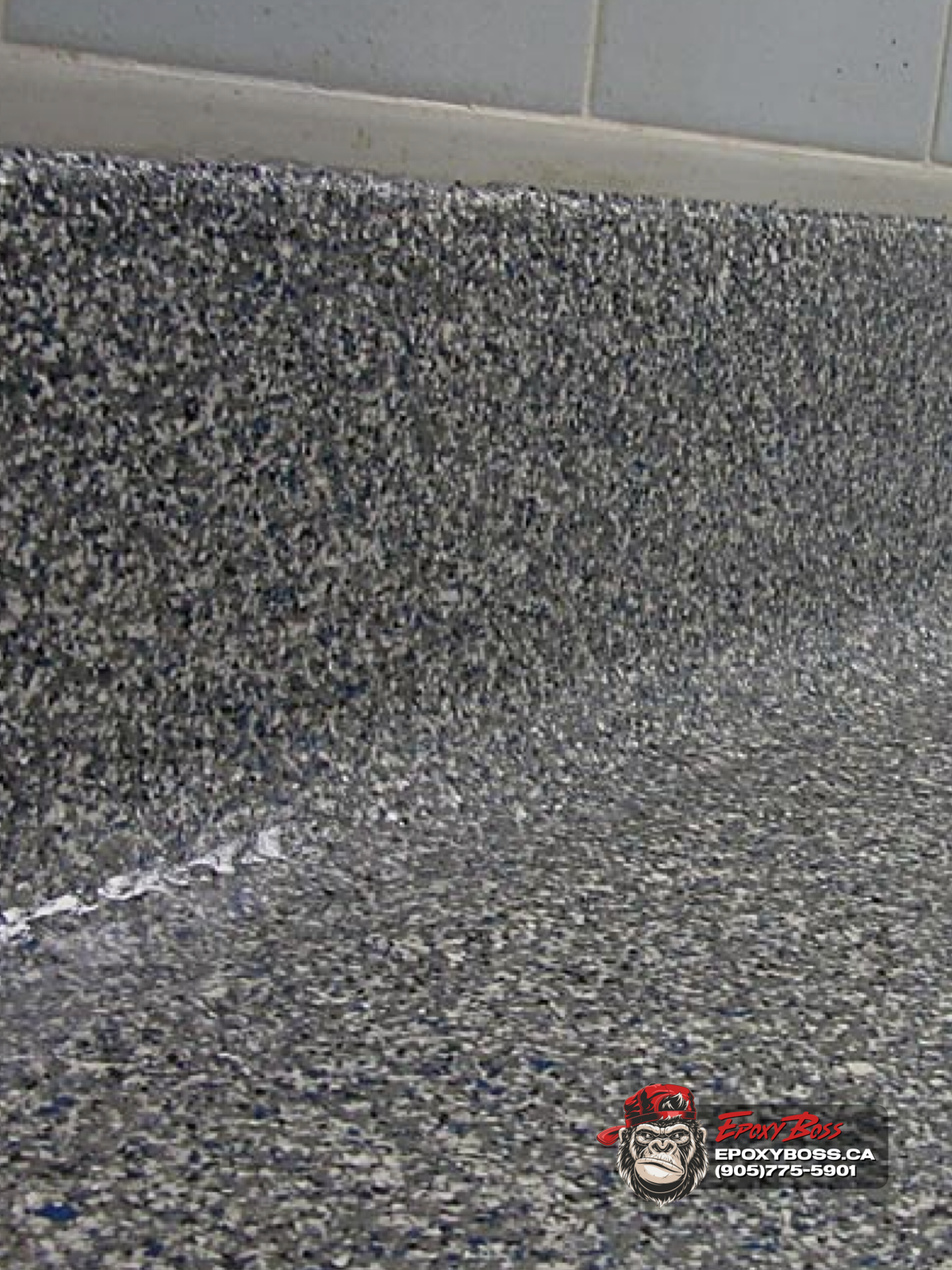
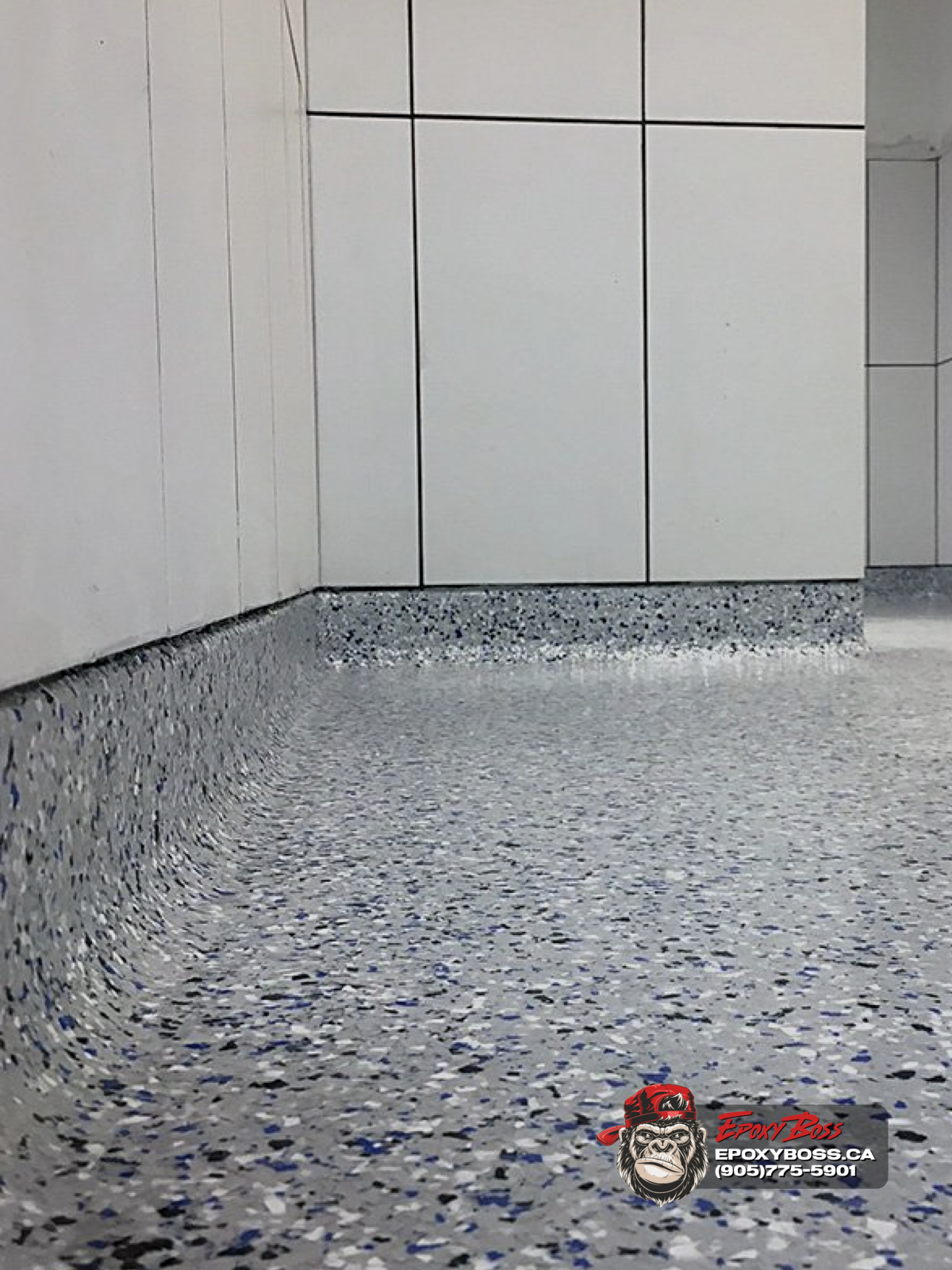
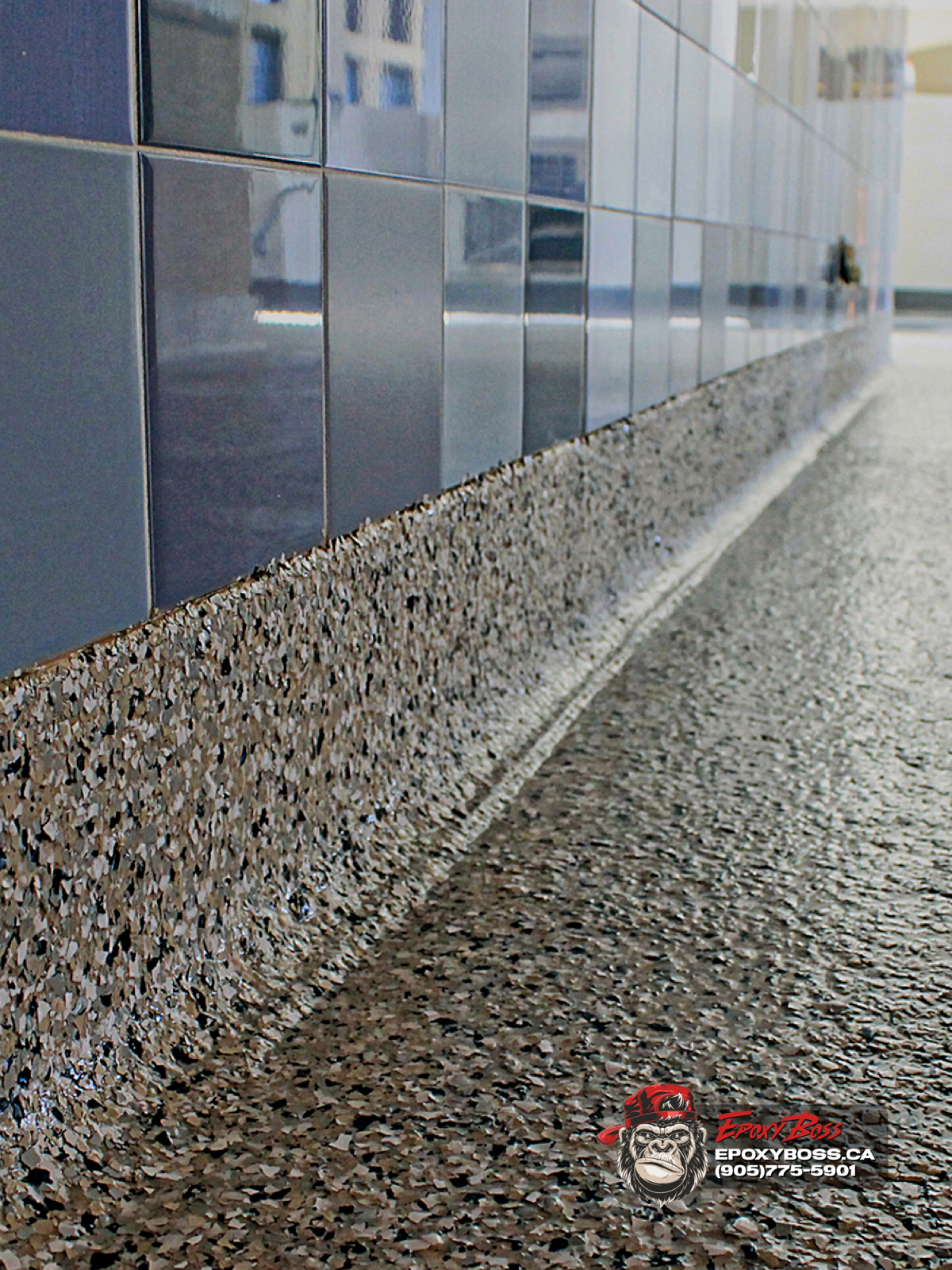
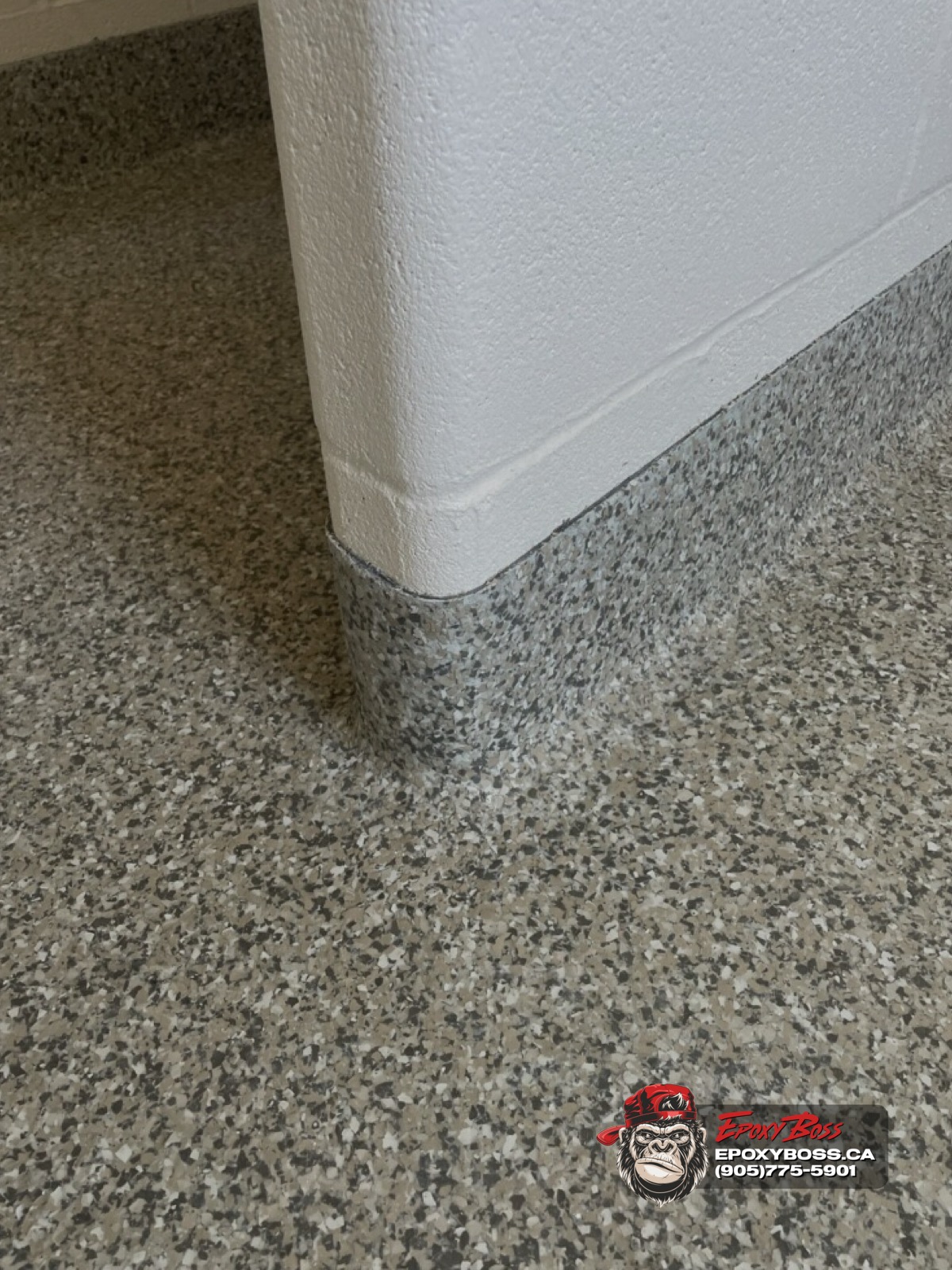
A properly designed and installed epoxy coving system contributes significantly to the overall durability, safety, and efficiency of a space by creating a seamless surface that is easy to maintain and resistant to a wide range of environmental and operational stresses; in facilities where cleanliness is critical the absence of joints and gaps simplifies cleaning procedures and reduces the time required to maintain sanitary conditions; this is particularly important in areas exposed to water, oils, chemicals, and organic materials where contamination can spread quickly if surfaces are not properly sealed; the non porous nature of epoxy systems prevents liquids from penetrating the substrate which helps control odors, bacterial growth, and long term damage; in Ontario this level of protection is essential because seasonal changes introduce constant moisture challenges from snow, slush, and humidity; during winter vehicles track in salt and water which can accumulate at wall edges and accelerate deterioration if not properly contained; epoxy systems are specifically designed to resist these conditions by forming an impermeable barrier that protects the concrete from chemical attack and moisture intrusion ; coving ensures that this barrier remains continuous across the entire surface including the most vulnerable transition points; from a performance standpoint full system integration is what separates professional installations from basic coatings; a complete system includes mechanical preparation, crack repair, basecoat application, broadcast layers such as flake or quartz when required, and a protective topcoat such as polyaspartic or polyurethane; each layer serves a specific function and contributes to the overall strength and longevity of the floor; coving must be installed as part of this system rather than as an afterthought because it relies on the same bonding principles and material compatibility; when done correctly it creates a unified structure that performs as a single entity rather than separate components; this level of integration is what allows epoxy flooring systems to achieve lifespans of ten to twenty years or more under proper conditions; however performance is directly tied to installation quality and environmental control; factors such as moisture levels, surface profile, curing conditions, and material selection all influence the outcome; failure to address any of these variables can compromise the entire system regardless of material quality; this is why professional installation is essential in achieving consistent results; experienced contractors understand how to evaluate concrete conditions, manage moisture, and apply coatings in a way that ensures proper adhesion and curing; they also use specialized equipment and materials that are not available in consumer grade kits which further improves performance and reliability; beyond functional benefits epoxy coving also enhances the visual appearance of a space by creating a clean and continuous finish that reflects a higher standard of workmanship; this is particularly important in commercial environments where presentation and cleanliness influence customer perception and operational credibility; a seamless floor to wall transition gives the space a refined and professional look while reinforcing the idea that the facility is well maintained and built to a higher standard; ultimately epoxy coving represents a small detail that delivers significant value across multiple aspects of performance including durability, hygiene, maintenance, and aesthetics; in demanding environments like those found throughout Ontario it is not simply an upgrade but a necessary component of a complete flooring system designed to withstand real world conditions and deliver long term results.
Photos
No items found.